Department of Pharmaceutical Sciences, College of Pharmacy (J.A.S., B.B.), Sanders-Brown Center on Aging and Department of Pharmacology and Nutritional Sciences, College of Medicine (A.M.S.H.), University of Kentucky, Lexington, Kentucky.
Department of Pharmaceutical Sciences, College of Pharmacy (J.A.S., B.B.), Sanders-Brown Center on Aging and Department of Pharmacology and Nutritional Sciences, College of Medicine (A.M.S.H.), University of Kentucky, Lexington, Kentucky
Pharmacol Rev. 2023 Sep;75(5):815-853. doi: 10.1124/pharmrev.120.000025. Epub 2023 Mar 27.
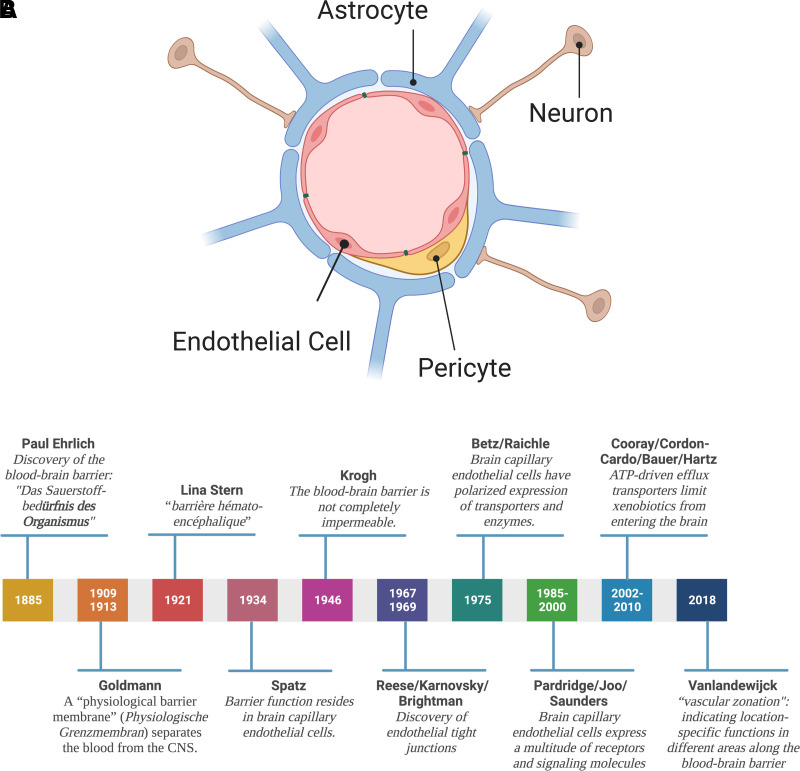
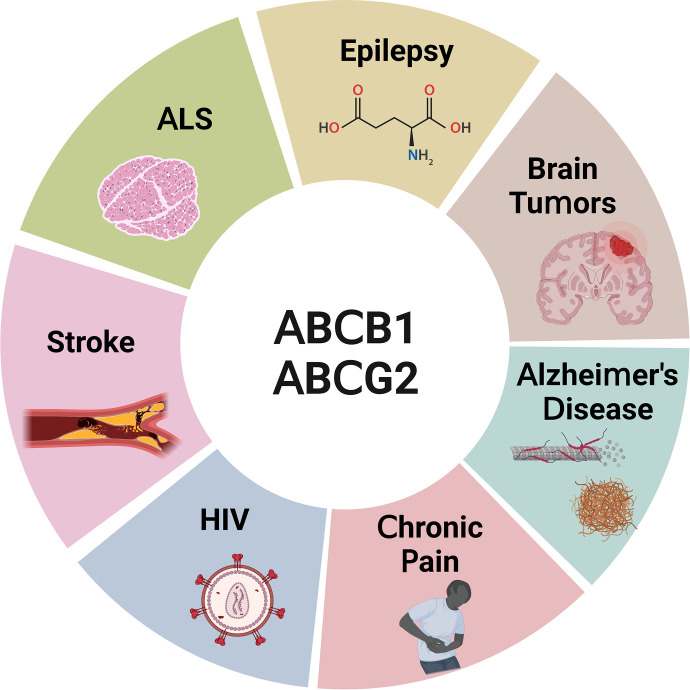
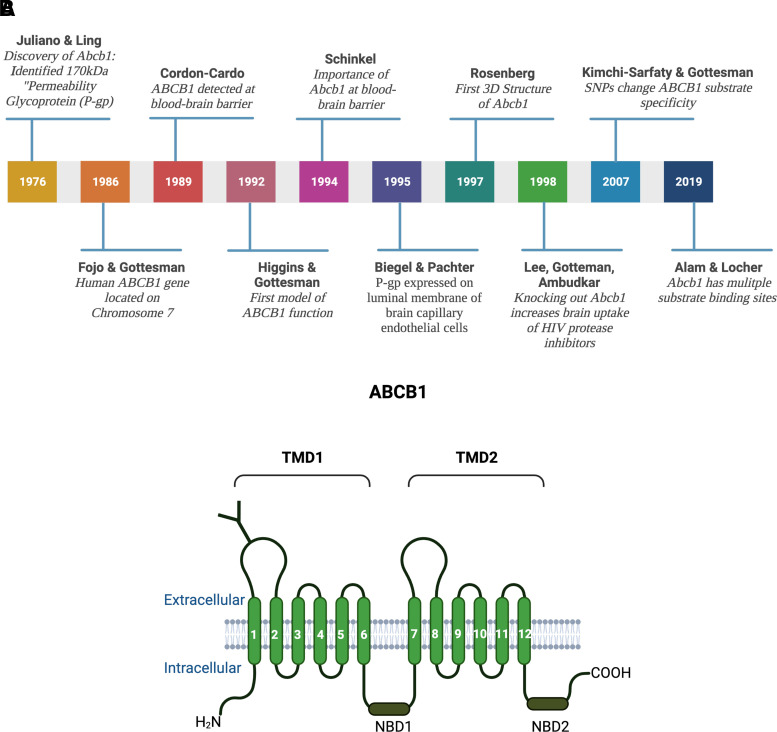
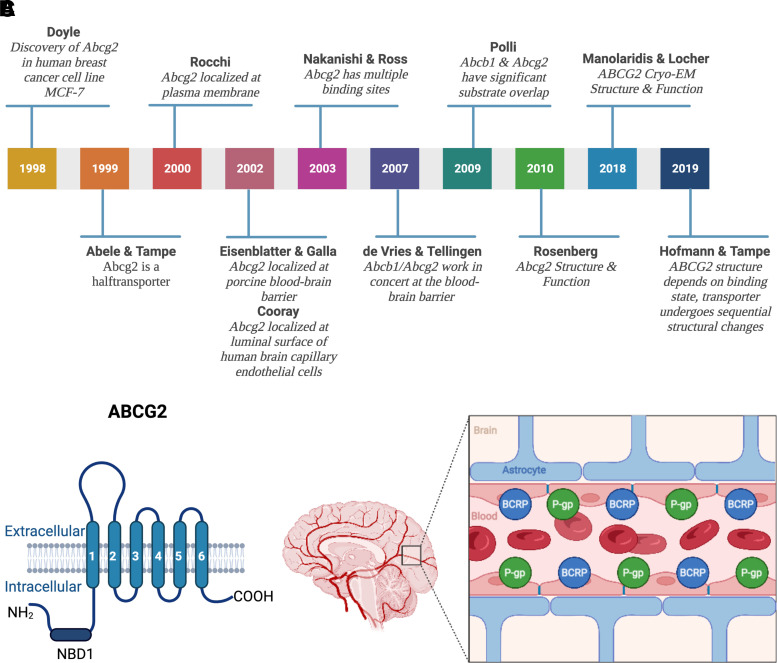
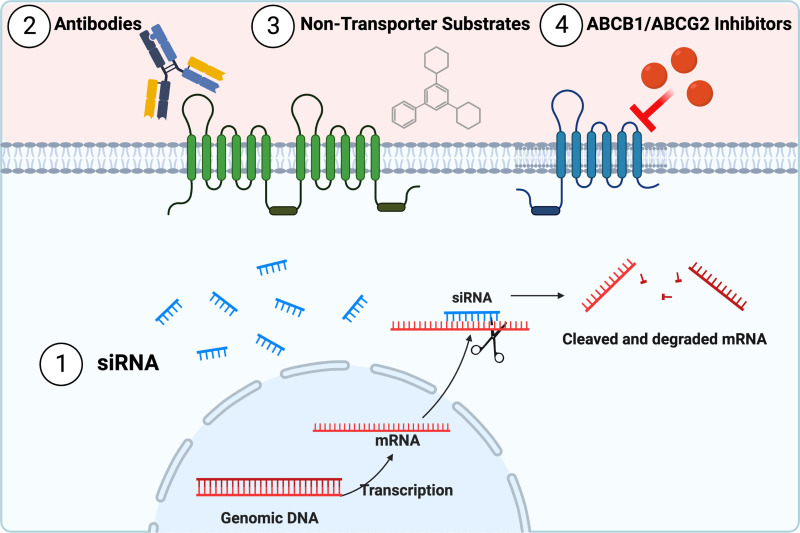
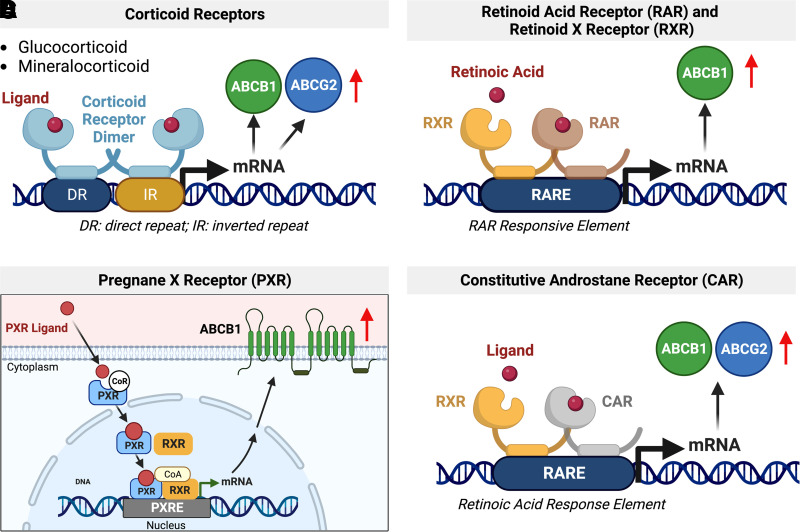
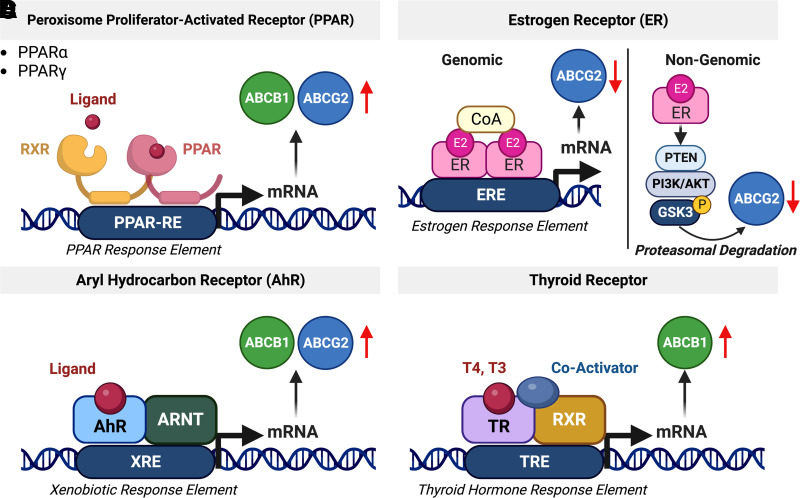
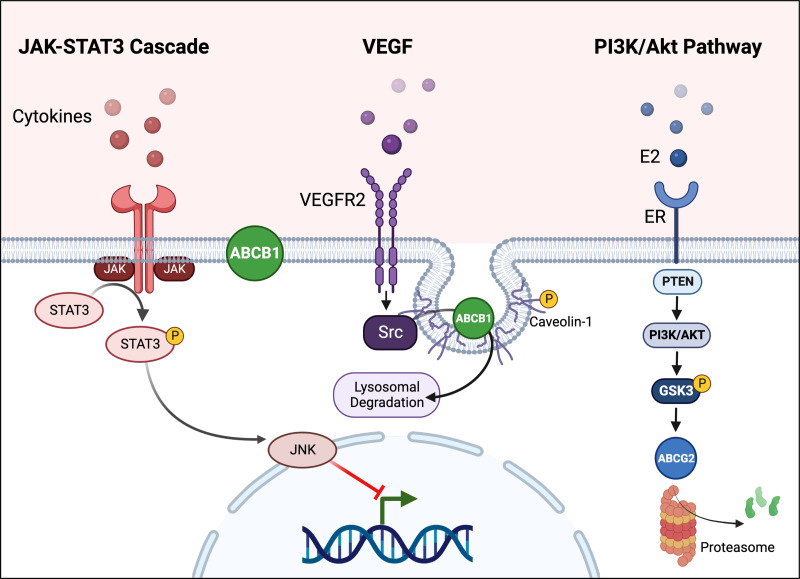
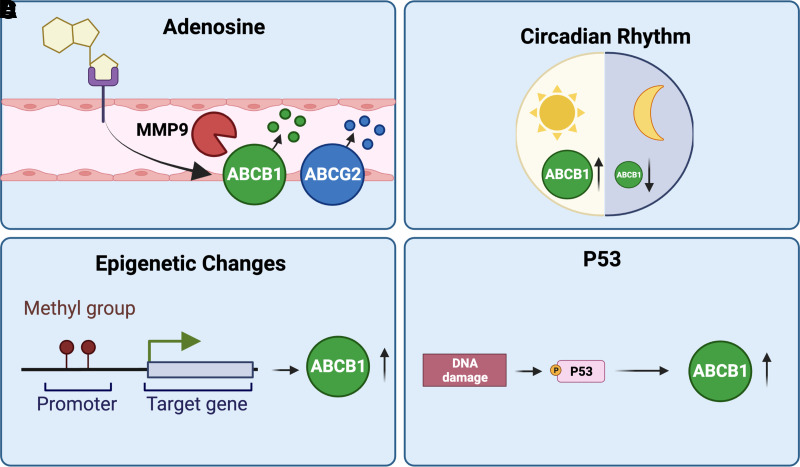
The drug efflux transporters ABCB1 and ABCG2 at the blood-brain barrier limit the delivery of drugs into the brain. Strategies to overcome ABCB1/ABCG2 have been largely unsuccessful, which poses a tremendous clinical problem to successfully treat central nervous system (CNS) diseases. Understanding basic transporter biology, including intracellular regulation mechanisms that control these transporters, is critical to solving this clinical problem.In this comprehensive review, we summarize current knowledge on signaling pathways that regulate ABCB1/ABCG2 at the blood-brain barrier. In Section I, we give a historical overview on blood-brain barrier research and introduce the role that ABCB1 and ABCG2 play in this context. In Section II, we summarize the most important strategies that have been tested to overcome the ABCB1/ABCG2 efflux system at the blood-brain barrier. In Section III, the main component of this review, we provide detailed information on the signaling pathways that have been identified to control ABCB1/ABCG2 at the blood-brain barrier and their potential clinical relevance. This is followed by Section IV, where we explain the clinical implications of ABCB1/ABCG2 regulation in the context of CNS disease. Lastly, in Section V, we conclude by highlighting examples of how transporter regulation could be targeted for therapeutic purposes in the clinic. SIGNIFICANCE STATEMENT: The ABCB1/ABCG2 drug efflux system at the blood-brain barrier poses a significant problem to successful drug delivery to the brain. The article reviews signaling pathways that regulate blood-brain barrier ABCB1/ABCG2 and could potentially be targeted for therapeutic purposes.
血脑屏障上的药物外排转运体 ABCB1 和 ABCG2 限制了药物进入大脑。克服 ABCB1/ABCG2 的策略在很大程度上并未成功,这给成功治疗中枢神经系统 (CNS) 疾病带来了巨大的临床问题。了解转运体的基本生物学特性,包括控制这些转运体的细胞内调节机制,对于解决这一临床问题至关重要。在这篇全面的综述中,我们总结了目前关于调节血脑屏障上 ABCB1/ABCG2 的信号通路的知识。在第一节中,我们对血脑屏障研究进行了历史回顾,并介绍了 ABCB1 和 ABCG2 在这方面的作用。在第二节中,我们总结了为克服血脑屏障上的 ABCB1/ABCG2 外排系统而测试的最重要策略。在第三节,也是本文的主要部分,我们提供了有关已确定的控制血脑屏障上 ABCB1/ABCG2 的信号通路的详细信息及其潜在的临床相关性。接下来是第四节,我们解释了 ABCB1/ABCG2 调节在 CNS 疾病背景下的临床意义。最后,在第五节中,我们通过突出说明转运体调节如何针对临床治疗目的进行靶向,来总结全文。意义陈述:血脑屏障上的 ABCB1/ABCG2 药物外排系统是成功将药物递送到大脑的重大问题。本文综述了调节血脑屏障 ABCB1/ABCG2 的信号通路,这些通路可能成为治疗的潜在靶点。