Department of Psychology, Florida State University, Tallahassee, United States.
Elife. 2021 Mar 2;10:e57244. doi: 10.7554/eLife.57244.
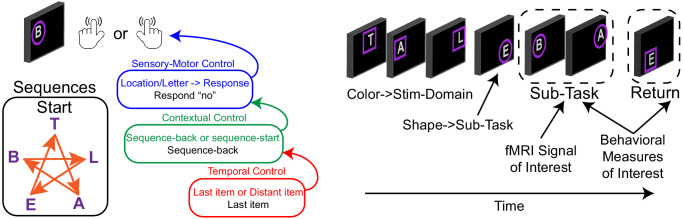
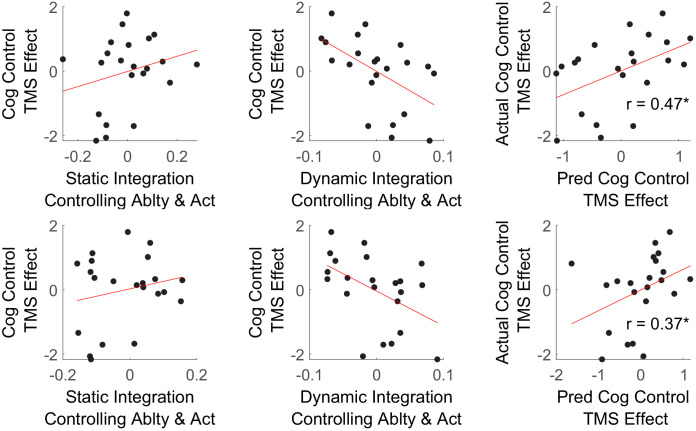
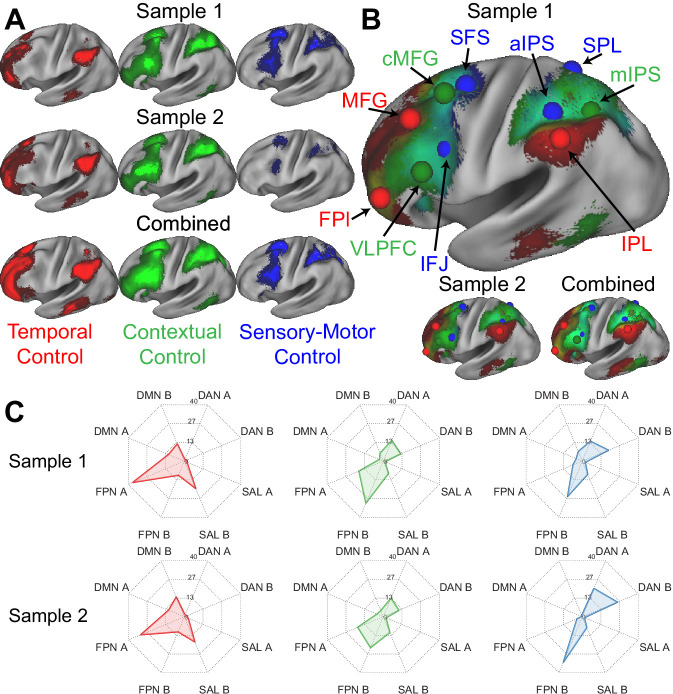
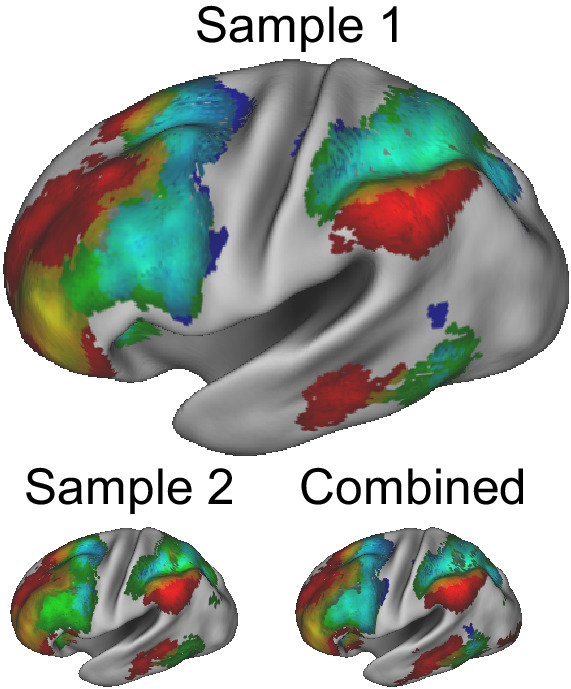
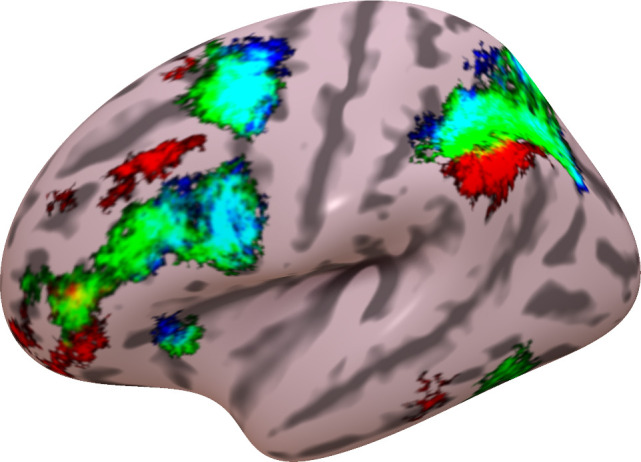
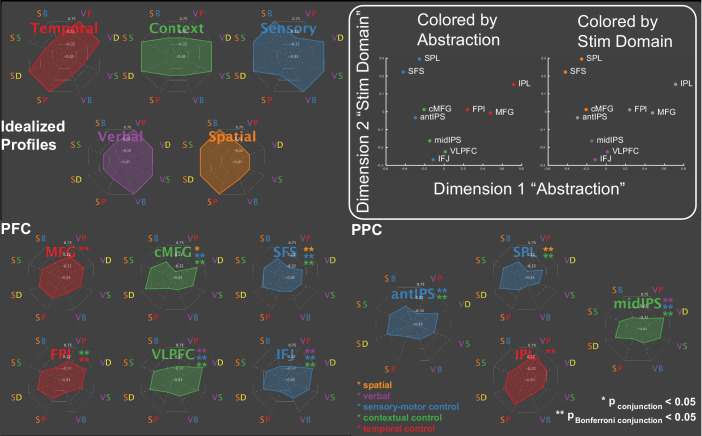
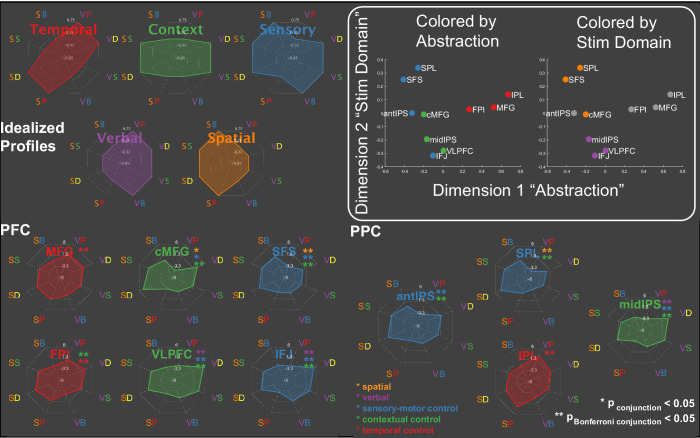
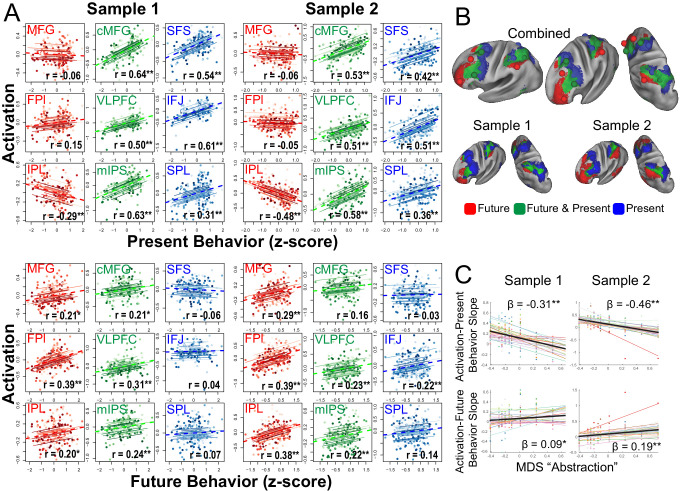
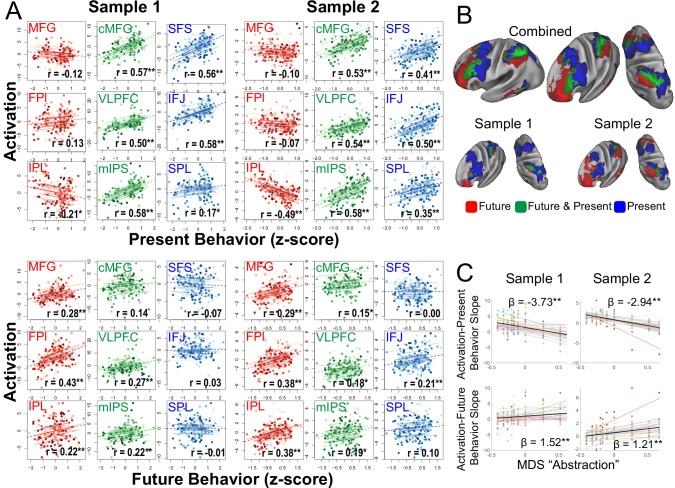
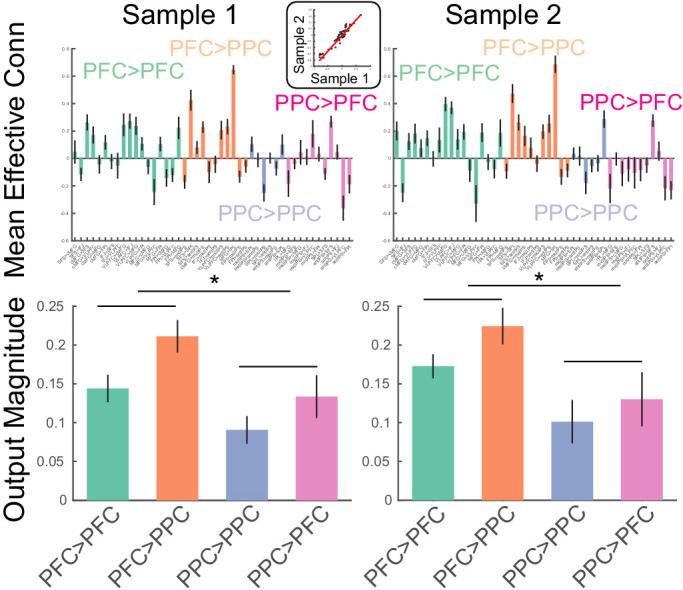
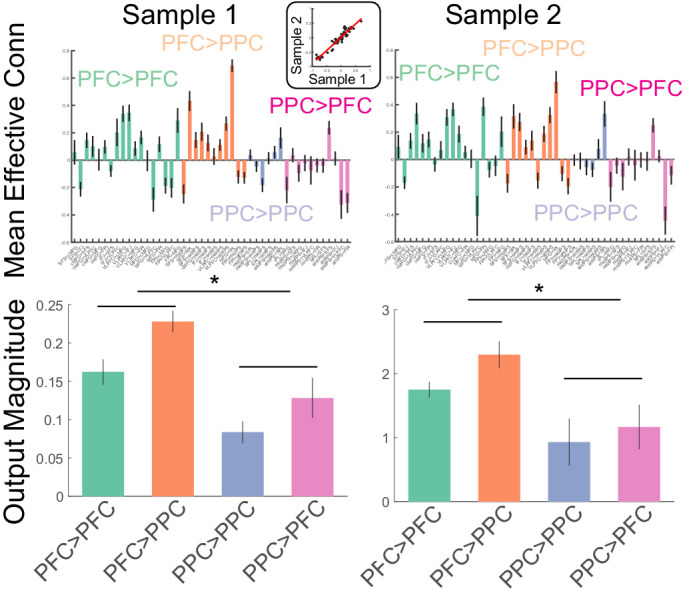
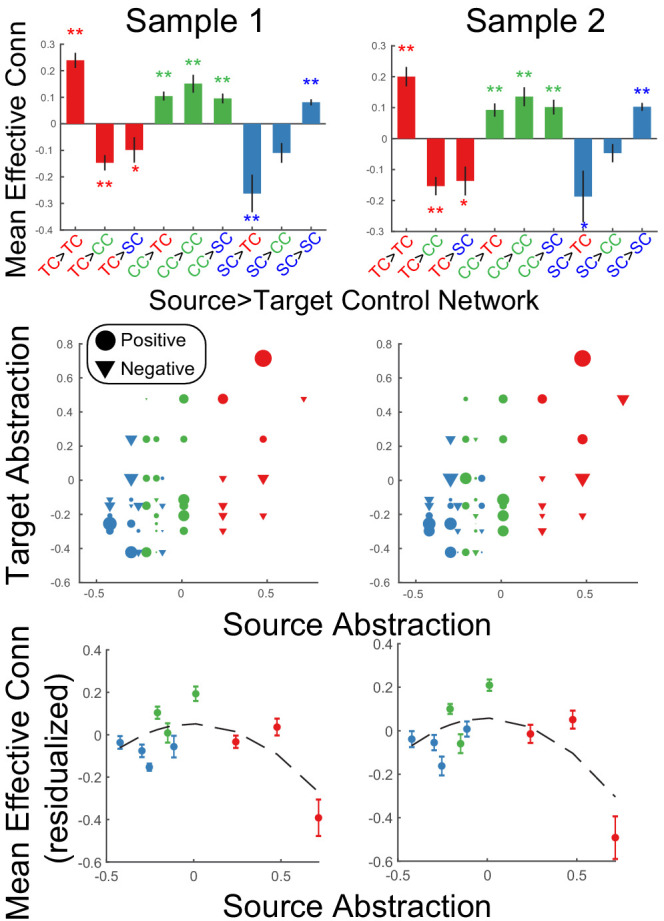
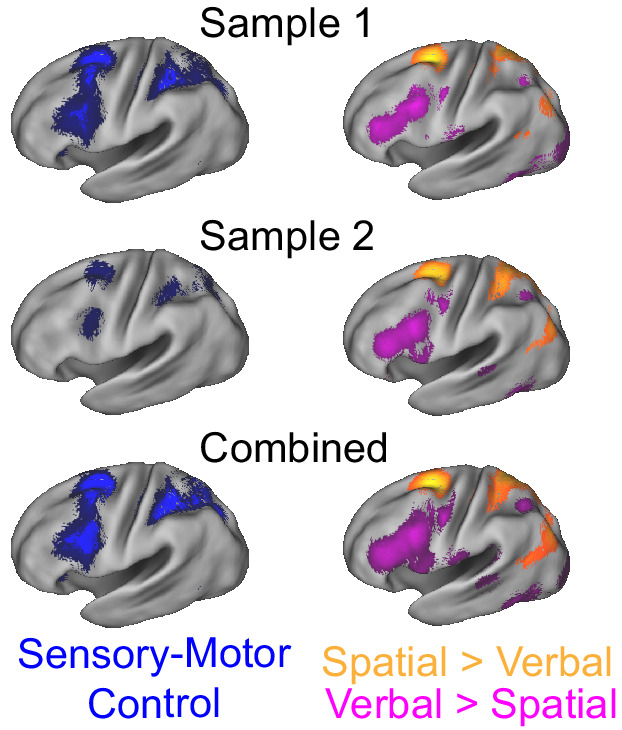
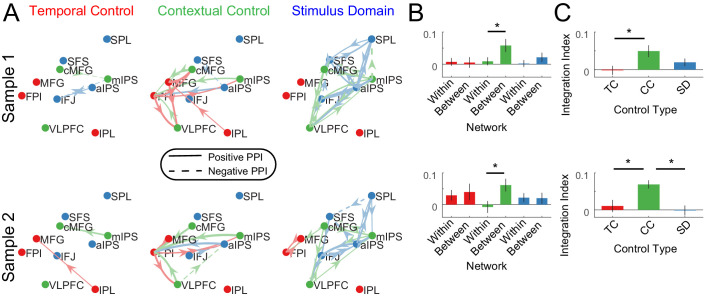
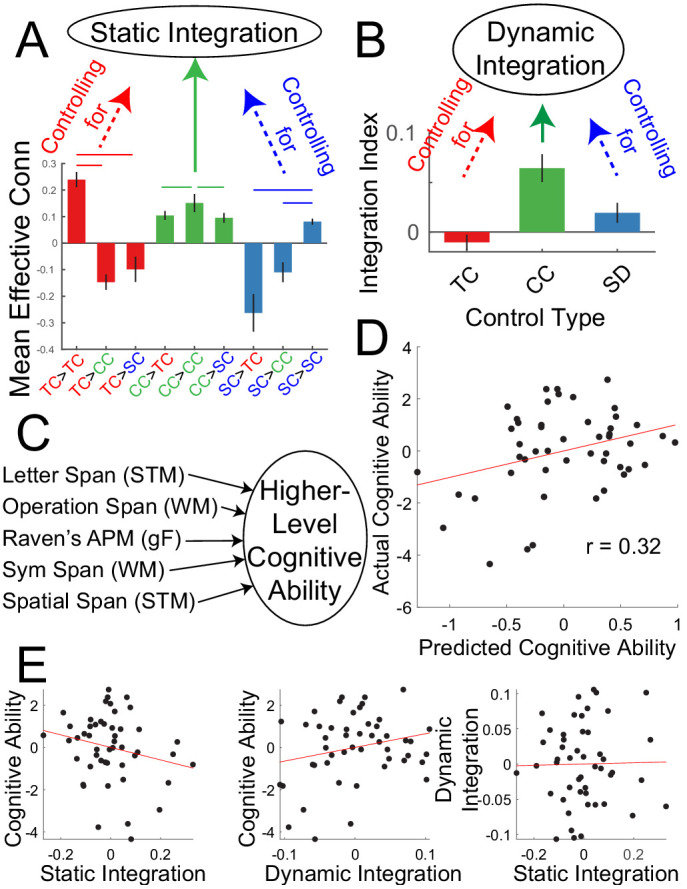
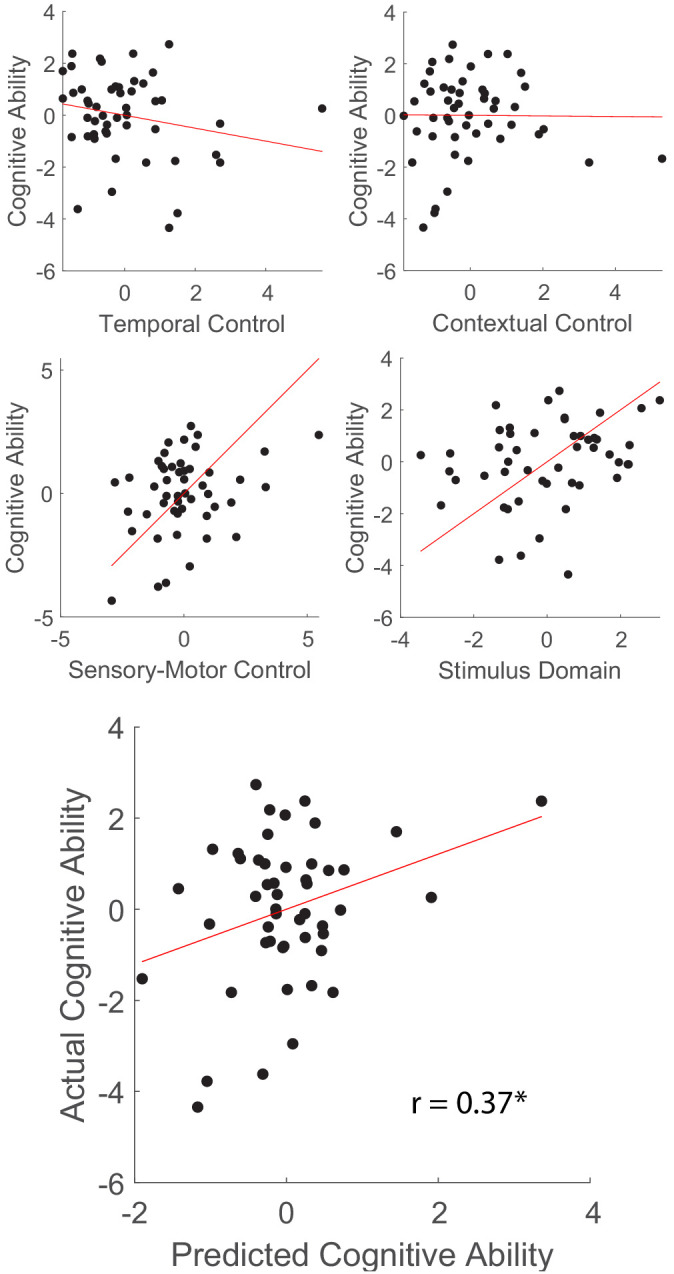
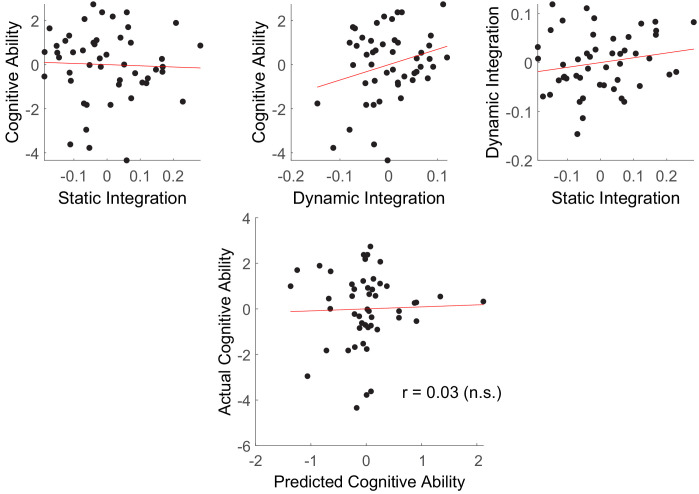
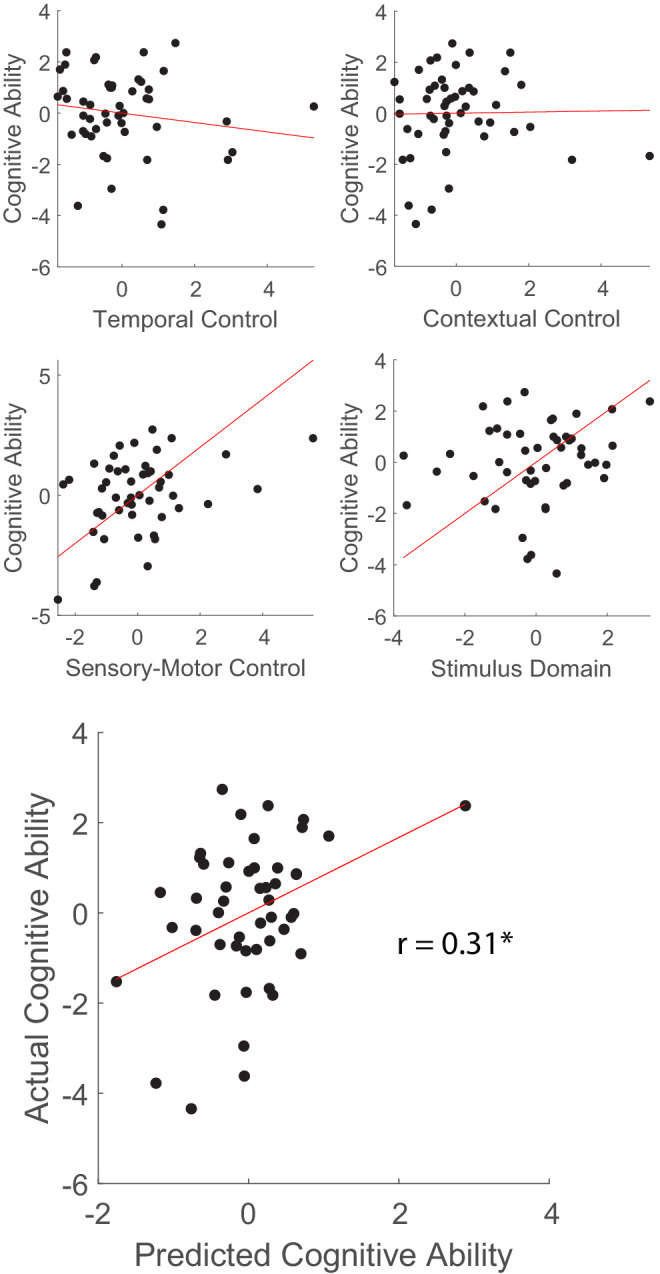
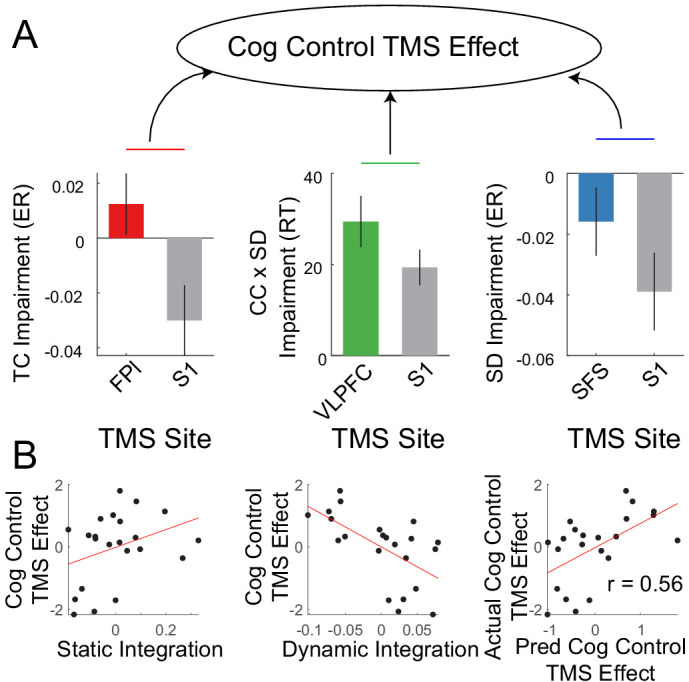
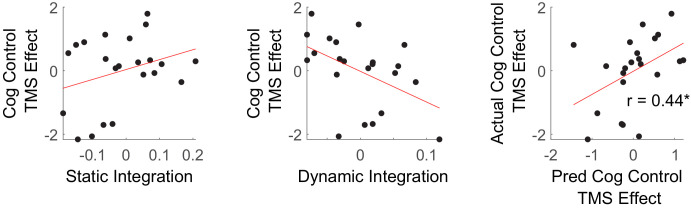
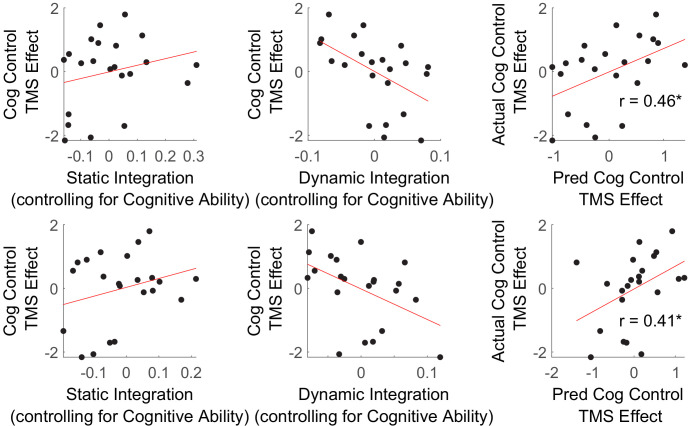
Coordinating among the demands of the external environment and internal plans requires cognitive control supported by a fronto-parietal control network (FPCN). Evidence suggests that multiple control systems span the FPCN whose operations are poorly understood. Previously (Nee and D'Esposito, 2016; 2017), we detailed frontal dynamics that support control processing, but left open their role in broader cortical function. Here, I show that the FPCN consists of an external/present-oriented to internal/future-oriented cortical gradient extending outwardly from sensory-motor cortices. Areas at the ends of this gradient act in a segregative manner, exciting areas at the same level, but suppressing areas at different levels. By contrast, areas in the middle of the gradient excite areas at all levels, promoting integration of control processing. Individual differences in integrative dynamics predict higher level cognitive ability and amenability to neuromodulation. These data suggest that an intermediary zone within the FPCN underlies integrative processing that supports cognitive control.
协调外部环境和内部计划的需求需要认知控制,而认知控制则由额顶控制网络(FPCN)提供支持。有证据表明,多个控制系统跨越 FPCN,但其运作方式仍不清楚。之前(Nee 和 D'Esposito,2016 年;2017 年),我们详细描述了支持控制处理的额部动力学,但没有说明它们在更广泛的皮质功能中的作用。在这里,我表明 FPCN 由从感觉运动皮质向外延伸的外部/当前导向到内部/未来导向的皮质梯度组成。该梯度两端的区域以分隔的方式起作用,兴奋同一水平的区域,但抑制不同水平的区域。相比之下,梯度中间的区域兴奋所有层次的区域,促进控制处理的整合。整合动力学的个体差异预测更高的认知能力和神经调节的适应性。这些数据表明,FPCN 内部的一个中间区域是支持认知控制的整合处理的基础。