Tareke Amare Abera, Hadgu Addis Alem
Physiology Unit, Department of Biomedical Sciences, College of Medicine and Health Sciences, Wollo University, Dessie, Ethiopia.
Biochemistry Unit, Department of Biomedical Sciences, College of Medicine and Health Sciences, Wollo University, Dessie, Ethiopia.
Diabetol Metab Syndr. 2021 Mar 2;13(1):24. doi: 10.1186/s13098-021-00640-9.
We conducted a systematic review and meta-analysis of clinical trials evaluating the role of vitamin C supplementation on lipid profiles among diabetic patients to summarize the available findings.
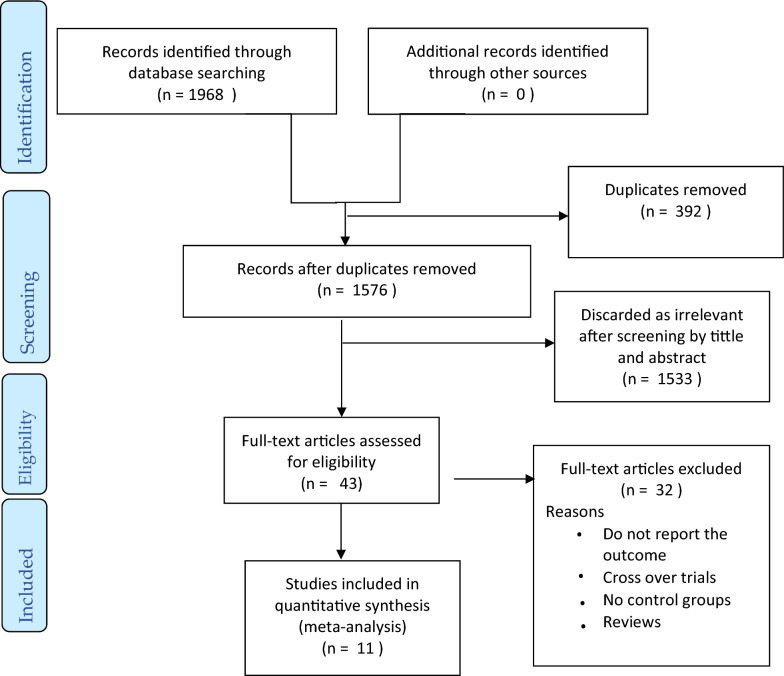
A comprehensive search of PubMed, ScienceDirect, Google Scholar, and Cochrane Library databases was performed. Clinical trials conducted on adult type 2 diabetic patients evaluating the effect of vitamin C supplementation and reported lipid profiles (cholesterol (TC), triglycerides (TG), low density lipoprotein (LDL), high density lipoprotein (HDL)) were included. Weighted mean difference (WMD) was calculated.
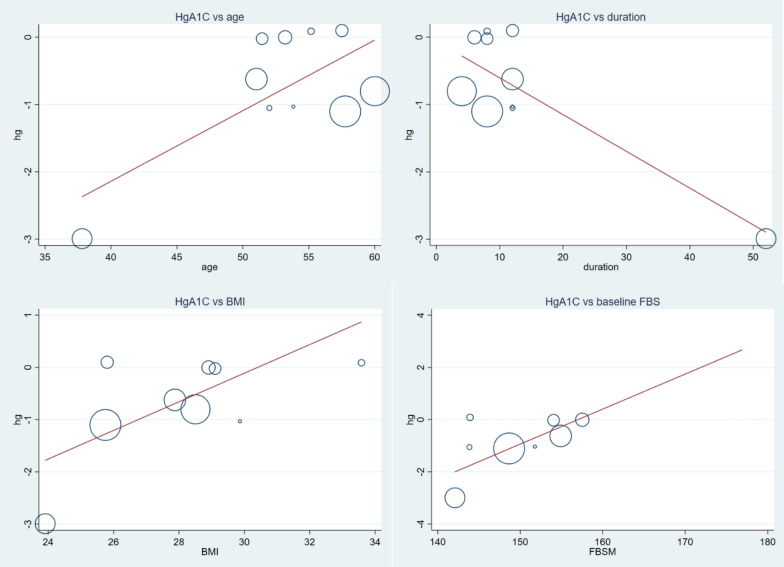
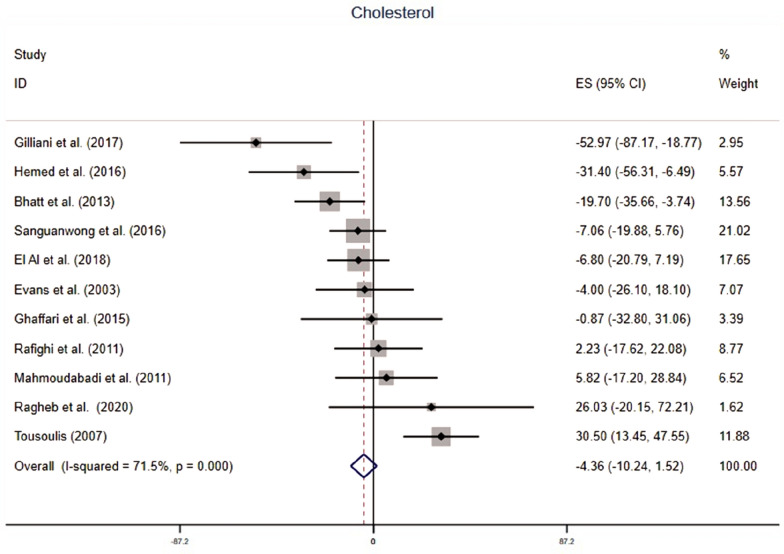
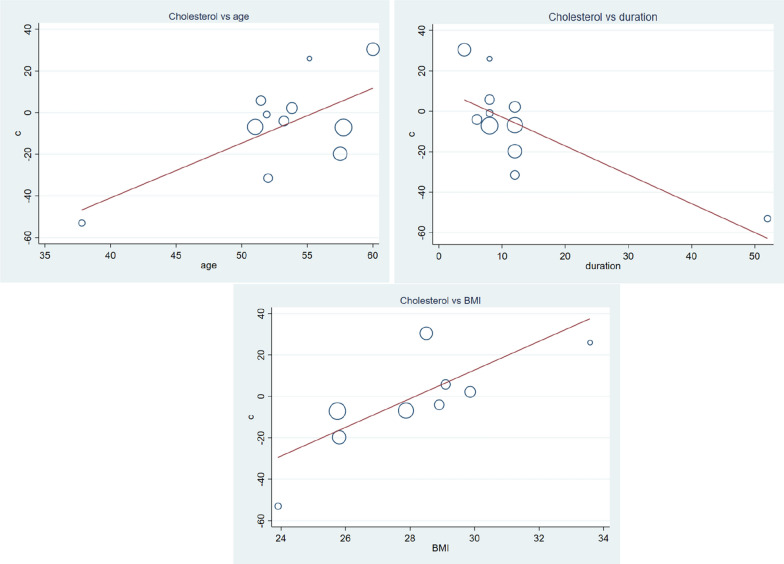
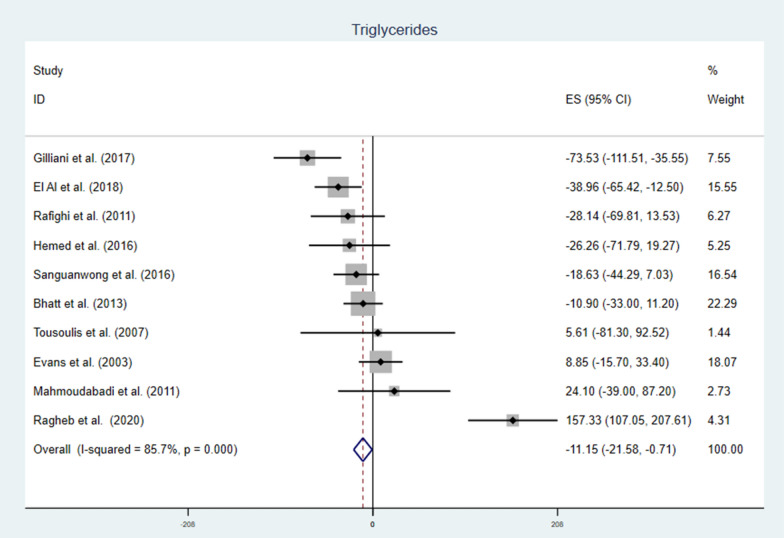
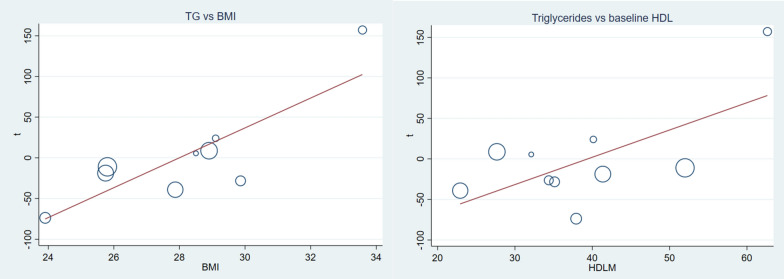
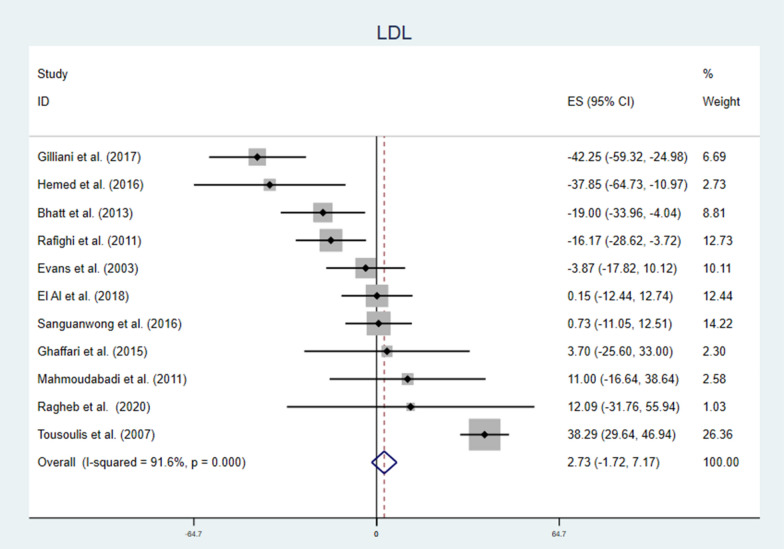
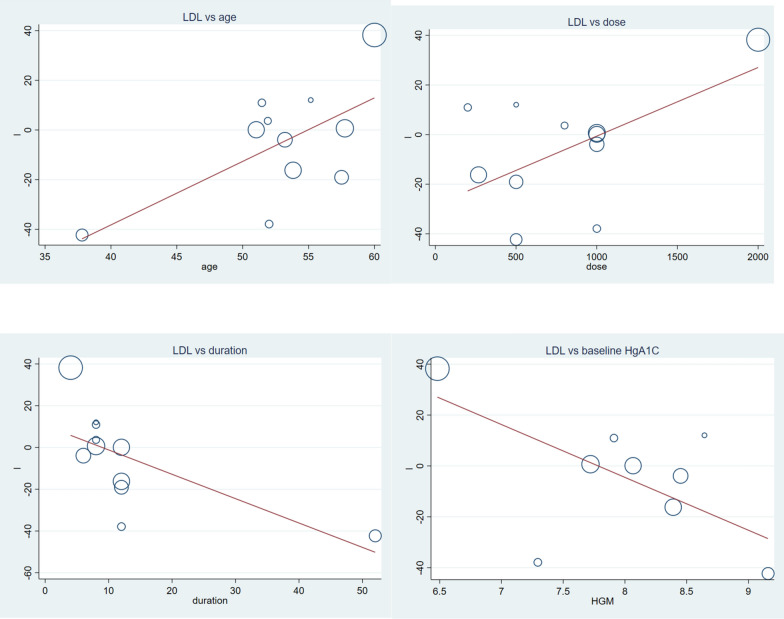
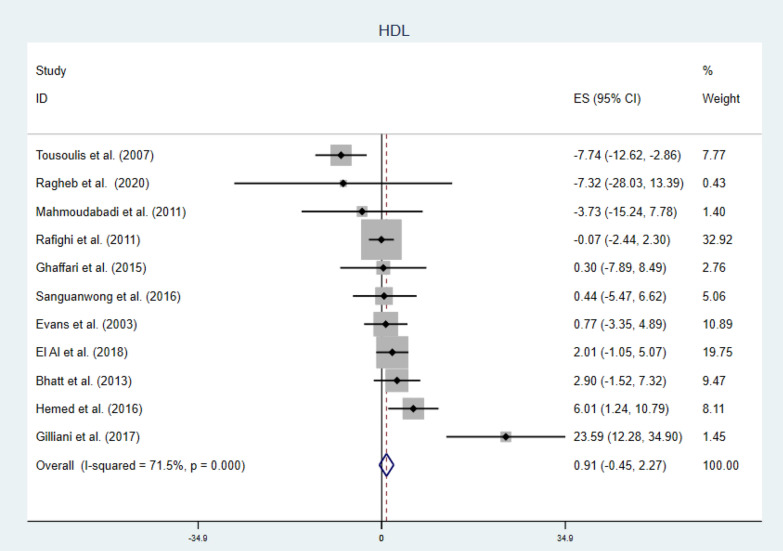
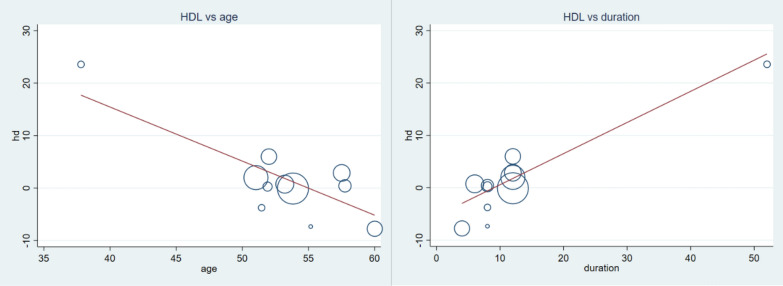
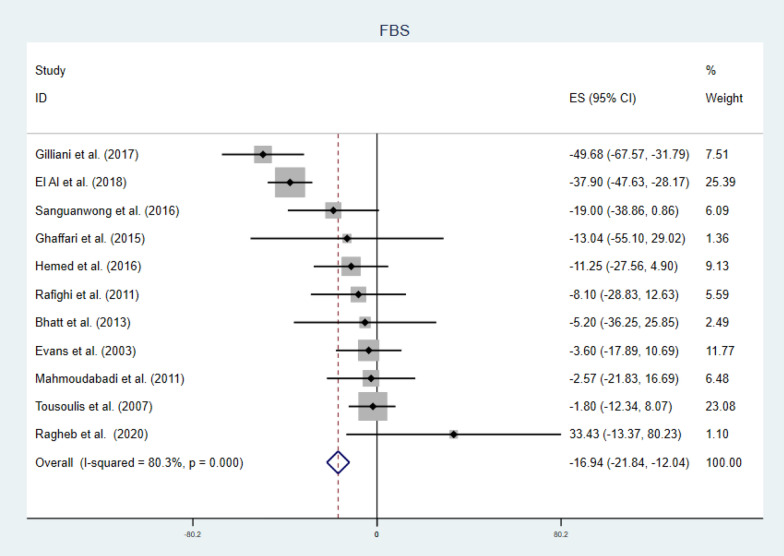
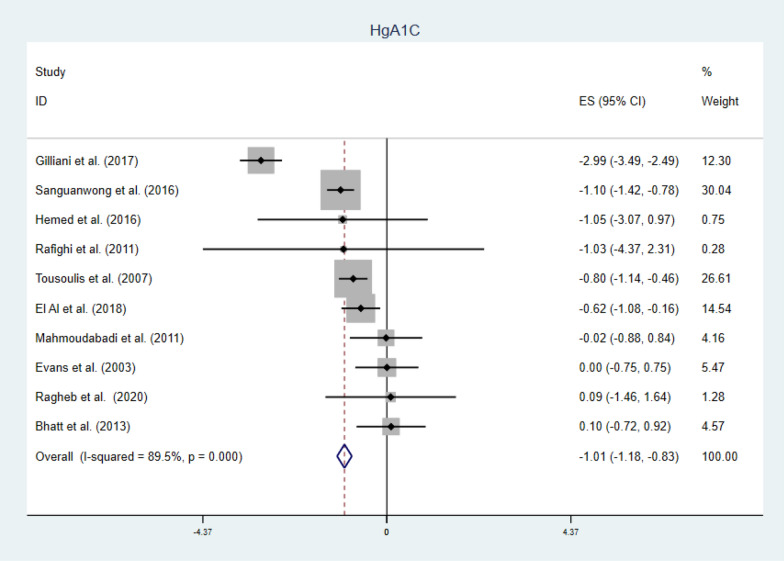
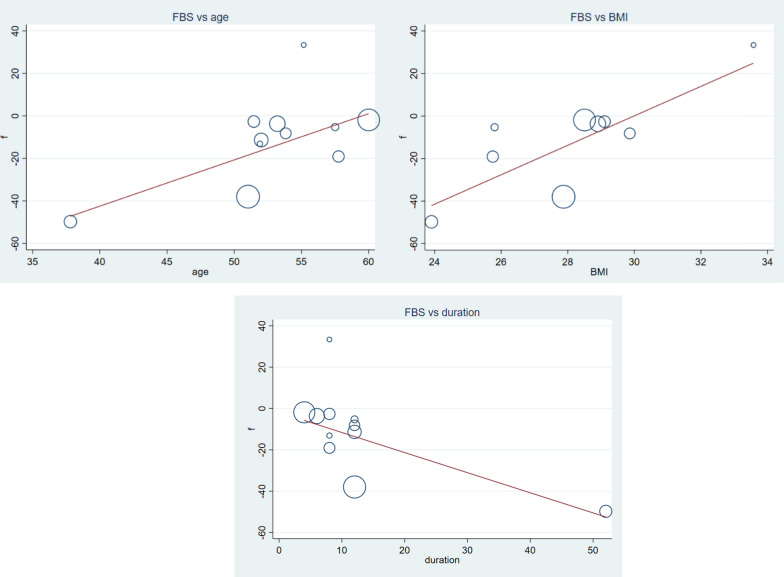
Vitamin C supplementation had no significant effect on TC (WMD = - 4.36 mg/dl (95% CI - 10.24, 1.52) p-value = 0.146), LDL level (WMD = 2.73 mg/dl (95% CI - 1.72, 7.17) p-value = 0.229), and HDL level (WMD = 0.91 mg/dl (CI - 0.45, 2.27) p-value = 0.191). However, it reduced TG and secondary outcomes (FBS and HgA1C): TG (WMD = - 11.15 mg/dl (95% CI - 21.58, - 0.71) p-value = 0.036), FBS (WMD = - 16.94 mg/dl CI - 21.84, - 12.04, p-value = 0.000), and HgA1C (WMD = - 1.01% CI - 1.18, - 0.83, p-value = 0.001. Subgroup analysis also depicted younger patients, longer duration of treatment and higher dose were important factors. In addition, meta-regression analysis indicated the significant role of patient age, duration of treatment, supplementation dose, BMI and other baseline variables.
There is no adequate evidence to support vitamin C supplementation for dyslipidemias in diabetic patients. Specific group of patients might have benefited including younger diabetic patients. Future researches should give emphasis on the duration of treatment, the dose of vitamin C and baseline values.
我们对评估补充维生素C对糖尿病患者血脂谱影响的临床试验进行了系统评价和荟萃分析,以总结现有研究结果。
对PubMed、ScienceDirect、谷歌学术和Cochrane图书馆数据库进行了全面检索。纳入了对成年2型糖尿病患者进行的评估补充维生素C效果并报告血脂谱(总胆固醇(TC)、甘油三酯(TG)、低密度脂蛋白(LDL)、高密度脂蛋白(HDL))的临床试验。计算加权平均差(WMD)。
补充维生素C对TC(WMD = -4.36mg/dl(95%CI -10.24,1.52),p值 = 0.146)、LDL水平(WMD = 2.73mg/dl(95%CI -1.72,7.17),p值 = 0.229)和HDL水平(WMD = 0.91mg/dl(CI -0.45,2.27),p值 = 0.191)无显著影响。然而,它降低了TG及次要结局(空腹血糖(FBS)和糖化血红蛋白(HgA1C)):TG(WMD = -11.15mg/dl(95%CI -21.58,-0.71),p值 = 0.036),FBS(WMD = -16.94mg/dl,CI -21.84,-12.04,p值 = 0.000),以及HgA1C(WMD = -1.01%,CI -1.18,-0.83,p值 = 0.001)。亚组分析还表明,年轻患者、较长的治疗持续时间和较高的剂量是重要因素。此外,荟萃回归分析表明患者年龄、治疗持续时间、补充剂量、BMI和其他基线变量具有重要作用。
没有充分证据支持糖尿病患者补充维生素C用于治疗血脂异常。特定患者群体可能从中获益,包括年轻糖尿病患者。未来研究应着重关注治疗持续时间、维生素C剂量和基线值。