Cancer and Developmental Biology Laboratory, National Cancer Institute, Frederick, Maryland, USA.
Mouse Cancer Genetics Program, National Cancer Institute, Frederick, Maryland, USA.
J Biol Chem. 2021 Jan-Jun;296:100491. doi: 10.1016/j.jbc.2021.100491. Epub 2021 Mar 1.
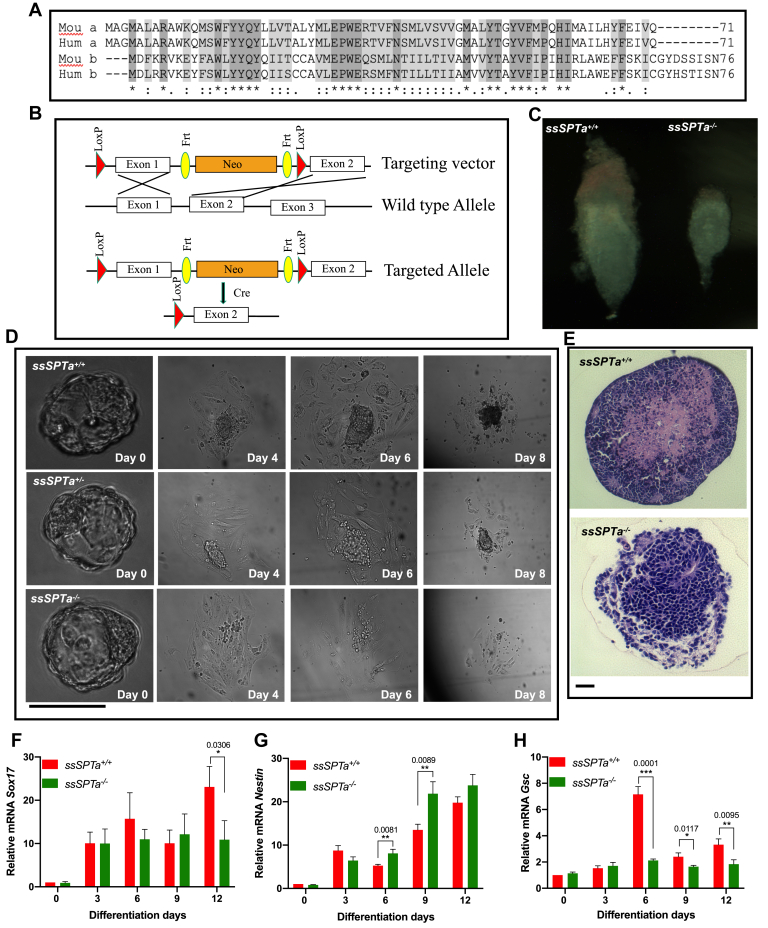
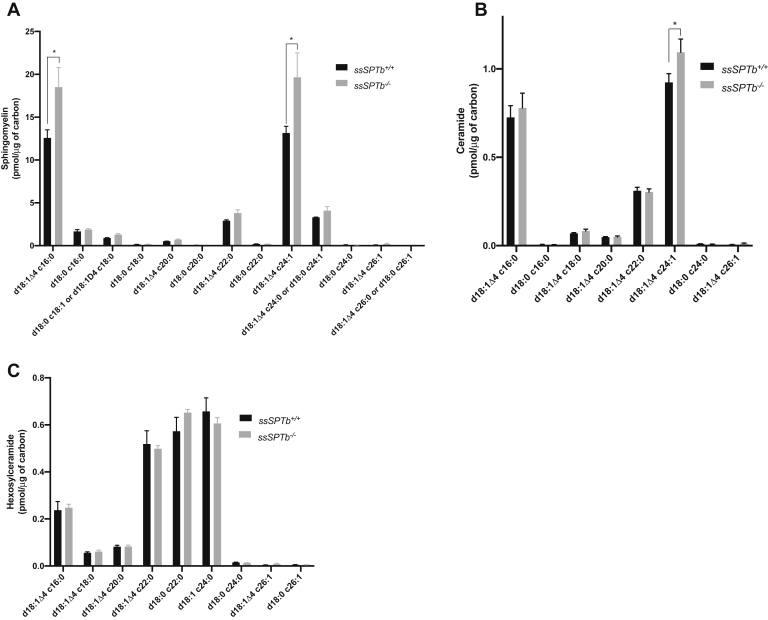
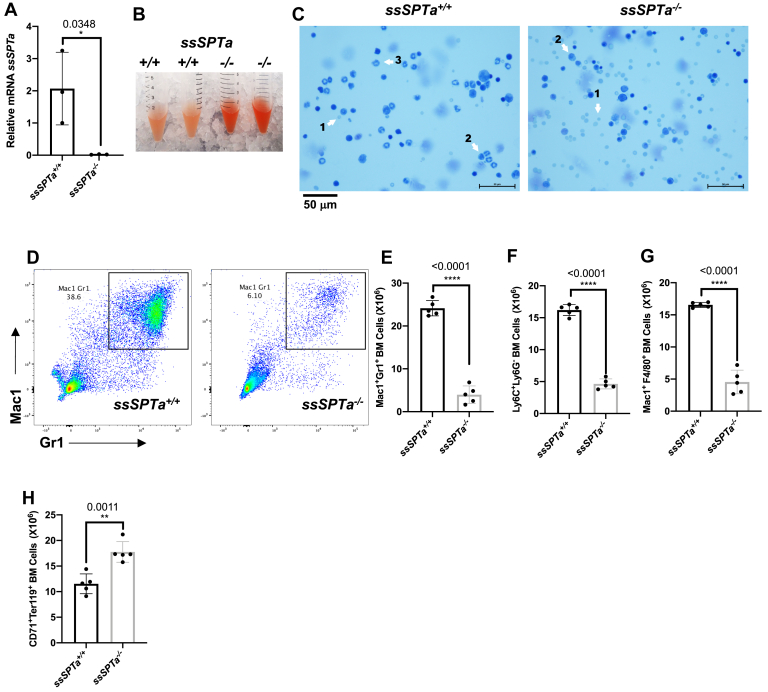
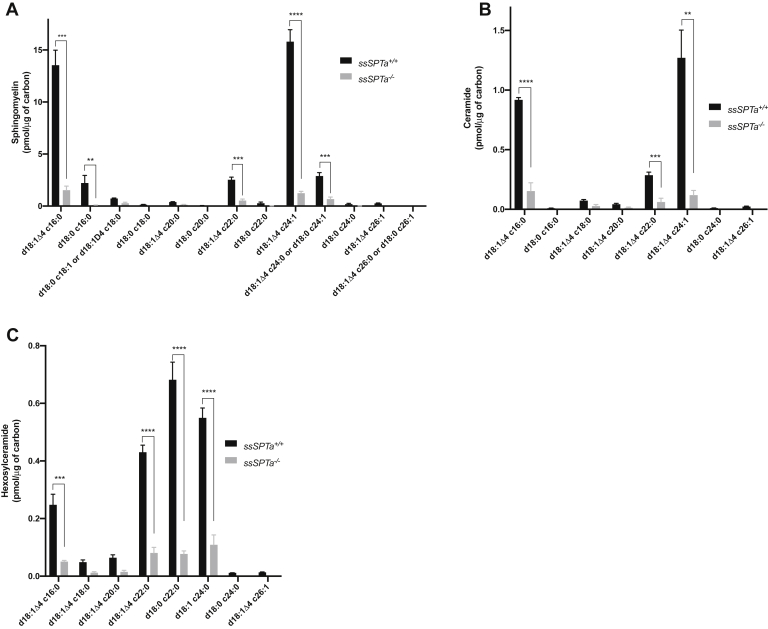
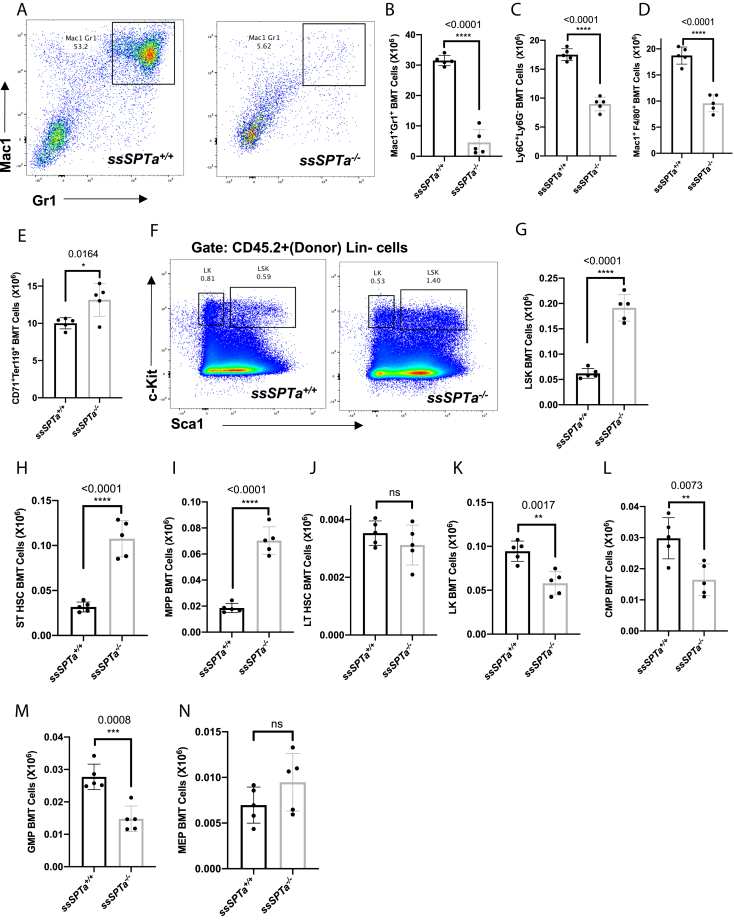
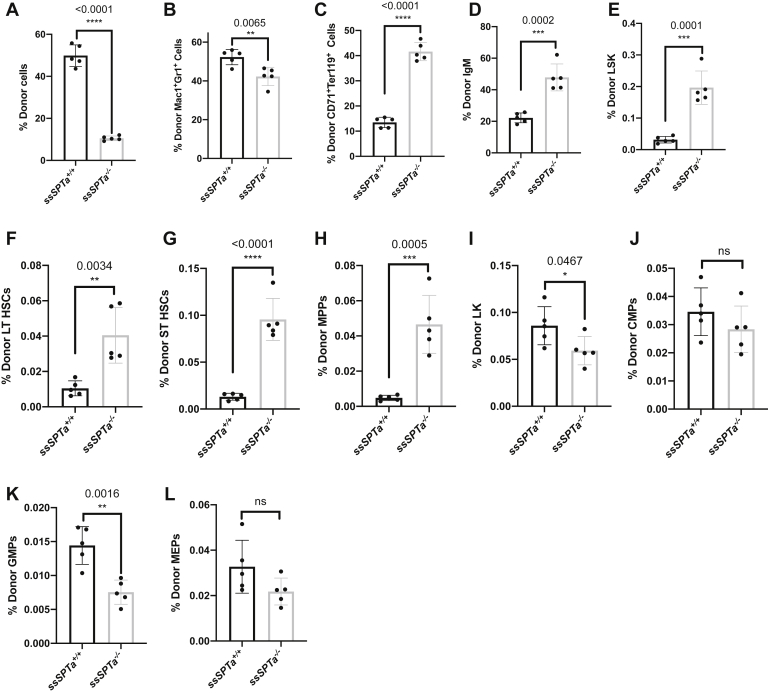
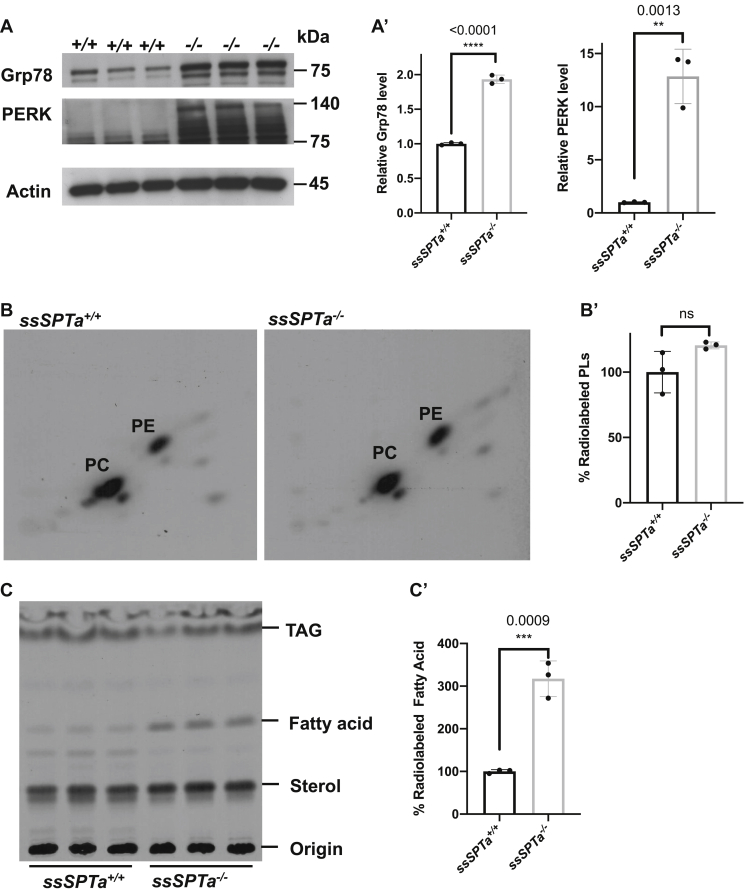
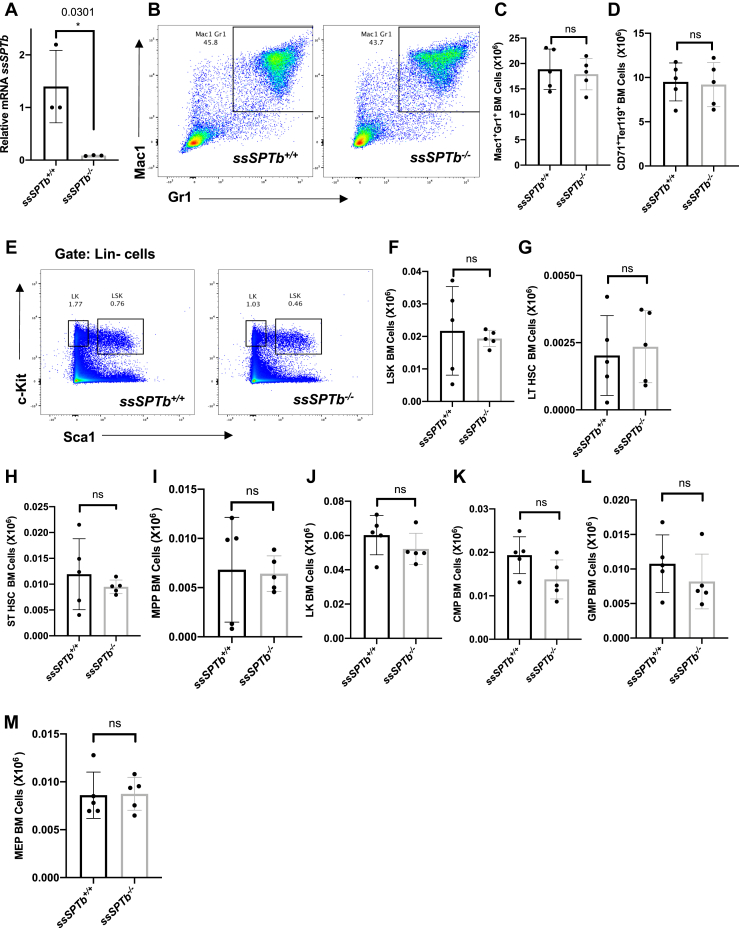
Serine palmitoyltransferase complex (SPT) mediates the first and rate-limiting step in the de novo sphingolipid biosynthetic pathway. The larger subunits SPTLC1 and SPTLC2/SPTLC3 together form the catalytic core while a smaller third subunit either SSSPTA or SSSPTB has been shown to increase the catalytic efficiency and provide substrate specificity for the fatty acyl-CoA substrates. The in vivo biological significance of these smaller subunits in mammals is still unknown. Here, using two null mutants, a conditional null for ssSPTa and a null mutant for ssSPTb, we show that SSSPTA is essential for embryogenesis and mediates much of the known functions of the SPT complex in mammalian hematopoiesis. The ssSPTa null mutants are embryonic lethal at E6.5 much like the Sptlc1 and Sptlc2 null alleles. Mx1-Cre induced deletion of ssSPTa leads to lethality and myelopoietic defect. Chimeric and competitive bone marrow transplantation experiments show that the defect in myelopoiesis is accompanied by an expansion of the LinSca1c-Kit stem and progenitor compartment. Progenitor cells that fail to differentiate along the myeloid lineage display evidence of endoplasmic reticulum stress. On the other hand, ssSPTb null mice are homozygous viable, and analyses of the bone marrow cells show no significant difference in the proliferation and differentiation of the adult hematopoietic compartment. SPTLC1 is an obligatory subunit for the SPT function, and because Sptlc1 and ssSPTa mice display similar defects during development and hematopoiesis, we conclude that an SPT complex that includes SSSPTA mediates much of its developmental and hematopoietic functions in a mammalian model.
丝氨酸棕榈酰转移酶复合物(SPT)介导从头合成鞘脂生物合成途径的第一步和限速步骤。较大的亚基 SPTLC1 和 SPTLC2/SPTLC3 一起形成催化核心,而较小的第三个亚基 SSSPTA 或 SSSPTB 已被证明可以提高催化效率并为脂肪酸 CoA 底物提供底物特异性。这些较小亚基在哺乳动物中的体内生物学意义尚不清楚。在这里,我们使用两个缺失突变体,一个条件性 ssSPTa 缺失突变体和一个 ssSPTb 缺失突变体,表明 SSSPTA 对于胚胎发生是必不可少的,并介导 SPT 复合物在哺乳动物造血中的许多已知功能。ssSPTa 缺失突变体在 E6.5 时胚胎致死,与 Sptlc1 和 Sptlc2 缺失等位基因非常相似。Mx1-Cre 诱导的 ssSPTa 缺失导致致死和骨髓生成缺陷。嵌合和竞争性骨髓移植实验表明,骨髓生成缺陷伴随着 LinSca1c-Kit 干细胞和祖细胞区室的扩张。未能沿着髓系分化的祖细胞显示内质网应激的证据。另一方面,ssSPTb 缺失小鼠是纯合存活的,并且对骨髓细胞的分析表明,成年造血区室的增殖和分化没有明显差异。SPTLC1 是 SPT 功能的必需亚基,由于 Sptlc1 和 ssSPTa 小鼠在发育和造血过程中表现出相似的缺陷,我们得出结论,包括 SSSPTA 的 SPT 复合物在哺乳动物模型中介导其大部分发育和造血功能。