Hang Bui Thi, Anh Trinh Tuan
International Training Institute for Materials Science, Hanoi University of Science and Technology, No. 1, Dai Co Viet Road, Hanoi, Viet Nam.
Sci Rep. 2021 Mar 4;11(1):5185. doi: 10.1038/s41598-021-84755-z.
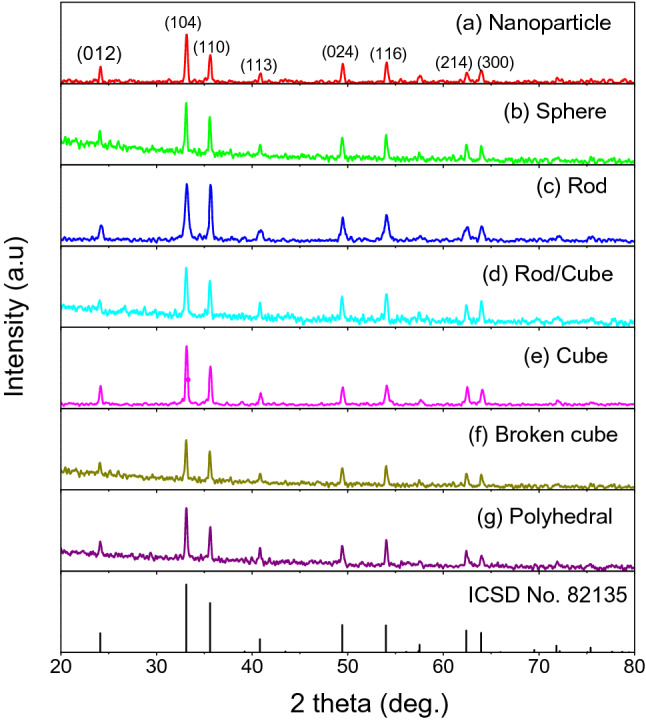
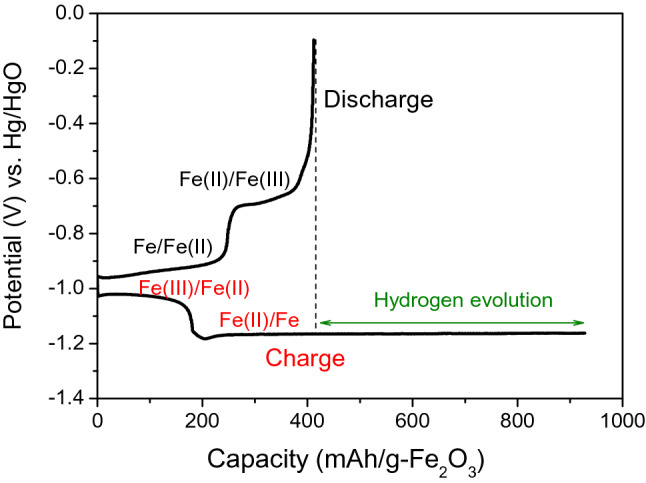
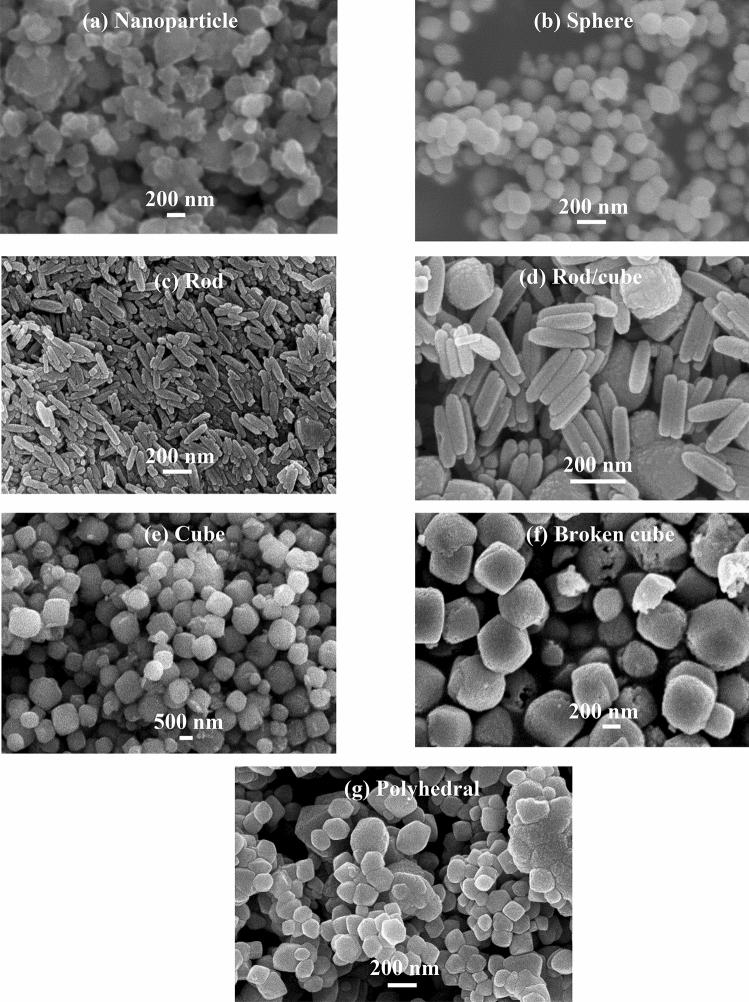
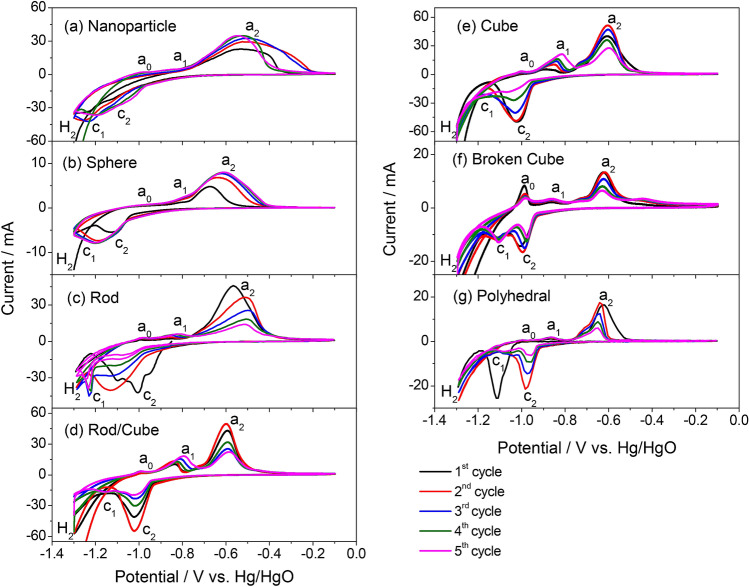
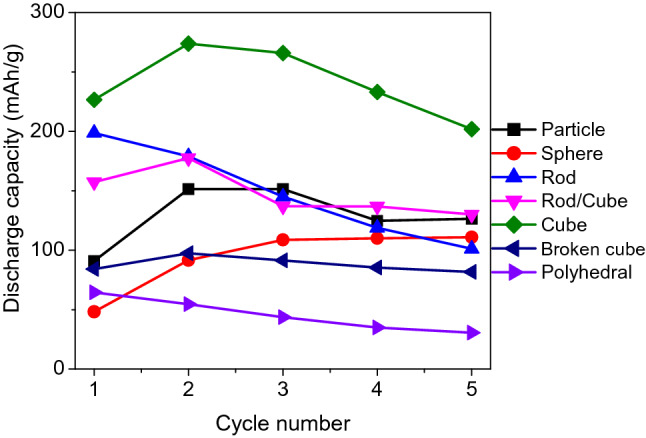
Air pollution from vehicle emissions is a major problem in developing countries. Consequently, the use of iron-based rechargeable batteries, which is an effective method of reducing air pollution, have been extensively studied for electric vehicles. The structures and morphologies of iron particles significantly affect the cycle performance of iron-based rechargeable batteries. The synthesis parameters for these iron materials also remarkably influence their structures, shapes, sizes, and electrochemical properties. In this study, we fabricated α-FeO materials with various shapes and sizes via a facile hydrothermal route and investigated the effects of raw materials on their structures, morphologies, and properties. The structural characteristics of the synthesized iron oxides were studied via X-ray diffraction using scanning electron microscopy. Results indicate that changing the concentration of raw materials modified the structure and morphology of the synthesized α-FeO particles, that is, the desired shape and size of α-FeO can be controlled. The effects of the structure and morphology of α-FeO particles on their electrochemical characteristics were investigated. The results show that the morphology and shape of the iron oxide particles remarkably affected the redox reaction rate and discharge capacity of the FeO/C composite electrodes. Among the synthesized α-FeO materials, the cubic-shaped α-FeO exhibited the highest discharge capacity. This material is a potential candidate for application in iron-based aqueous batteries. Our results may facilitate not only the controlled synthesis of α-FeO nanoparticles for potential technical applications but also the production of electrode materials with high capacity and good cycle performance for iron-based rechargeable batteries.
车辆排放造成的空气污染是发展中国家的一个主要问题。因此,作为减少空气污染的一种有效方法,铁基可充电电池在电动汽车领域得到了广泛研究。铁颗粒的结构和形态显著影响铁基可充电电池的循环性能。这些铁材料的合成参数也对其结构、形状、尺寸和电化学性能有显著影响。在本研究中,我们通过简便的水热法制备了具有各种形状和尺寸的α-FeO材料,并研究了原材料对其结构、形态和性能的影响。使用扫描电子显微镜通过X射线衍射研究了合成的铁氧化物的结构特征。结果表明,改变原材料浓度会改变合成的α-FeO颗粒的结构和形态,即可以控制α-FeO所需的形状和尺寸。研究了α-FeO颗粒的结构和形态对其电化学特性的影响。结果表明,铁氧化物颗粒的形态和形状显著影响FeO/C复合电极的氧化还原反应速率和放电容量。在合成的α-FeO材料中,立方体形的α-FeO表现出最高的放电容量。这种材料是铁基水系电池应用的潜在候选材料。我们的结果不仅可能有助于为潜在技术应用可控合成α-FeO纳米颗粒,还可能有助于生产具有高容量和良好循环性能的铁基可充电电池电极材料。