College of Chinese Medicinal Materials, Jilin Agricultural University, Changchun 130118, People's Republic of China.
State Local Joint Engineering Research Center of Ginseng Breeding and Application, Changchun 130118, People's Republic of China.
Drug Des Devel Ther. 2021 Feb 26;15:871-887. doi: 10.2147/DDDT.S281369. eCollection 2021.
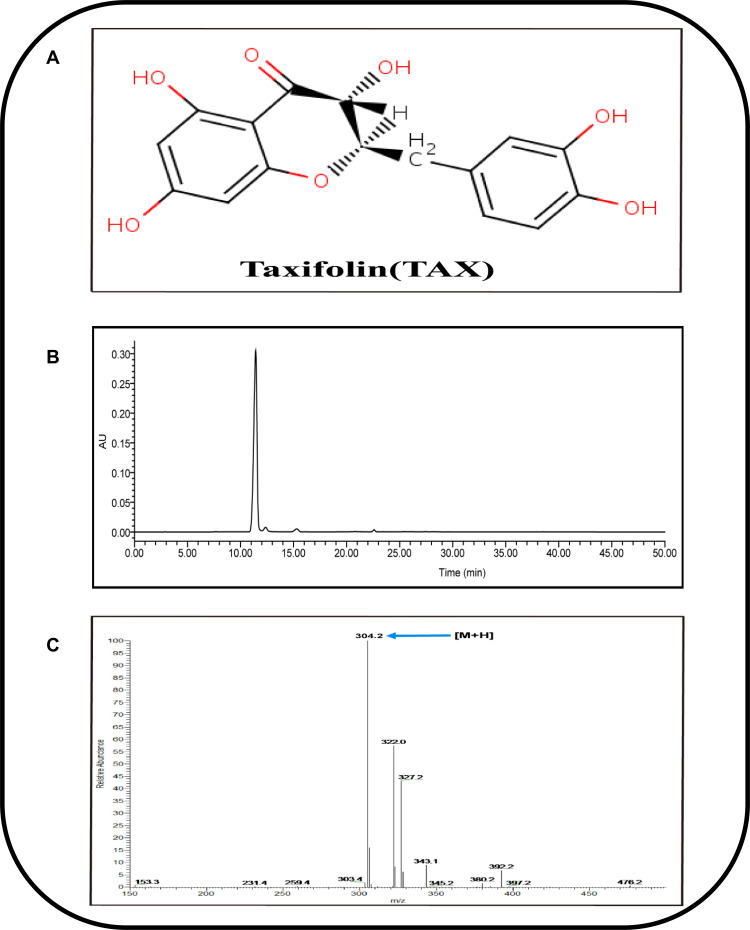
Taxifolin is a kind of dihydroflavone and is usually used as a food additive and health food for its antioxidant, anti-inflammatory, and anti-tumor activities. The purpose of this research is to probe into the hepatoprotective activity and the molecular mechanism of taxifolin.
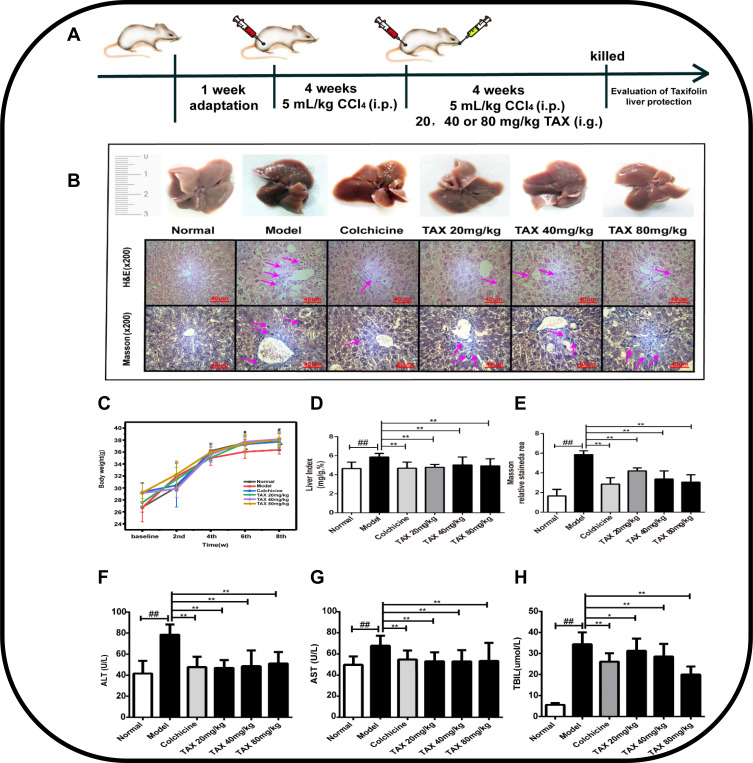
The liver fibrosis model was established by intraperitoneal injection of 5 mL/kg body weight of CCl (20% CCl peanut oil solution), and taxifolin was dissolved with 0.9% physiological saline and administered intragastrically to mice.
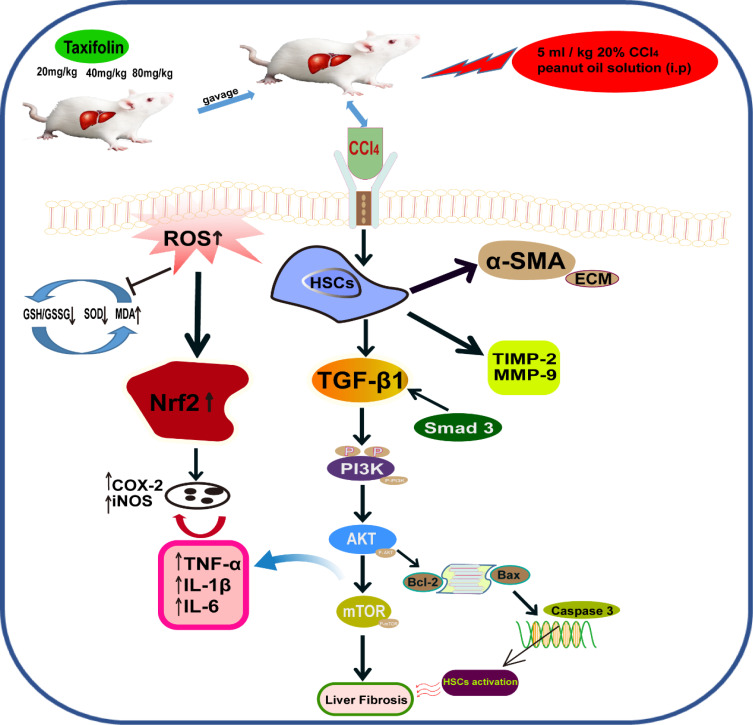
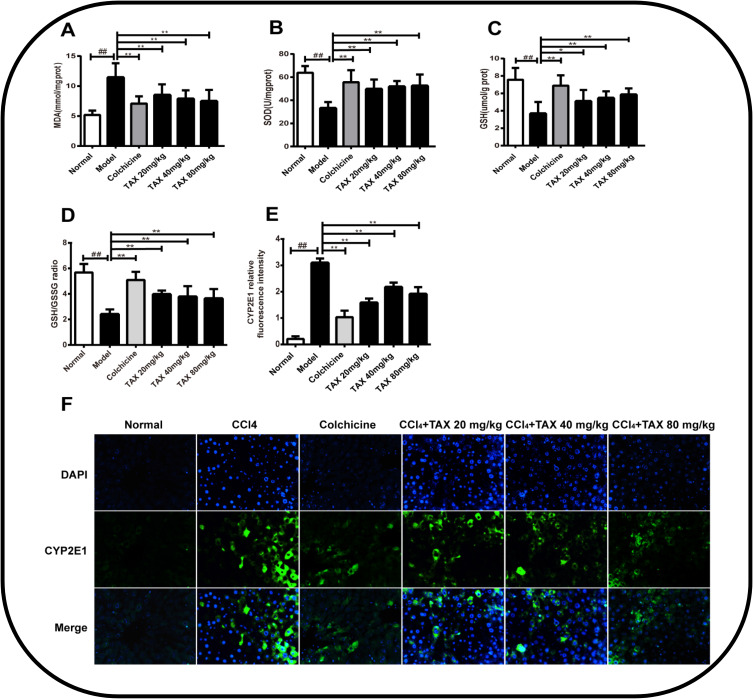
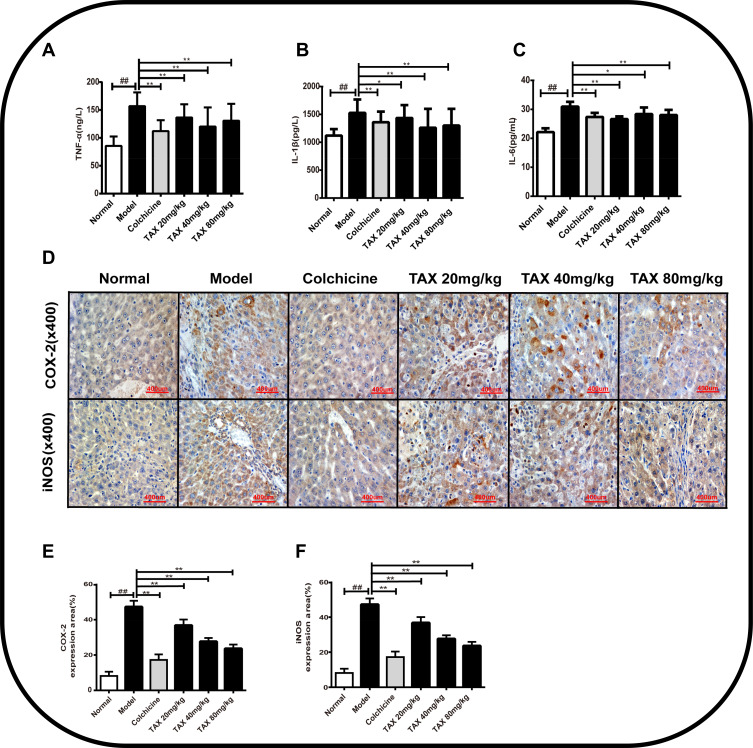
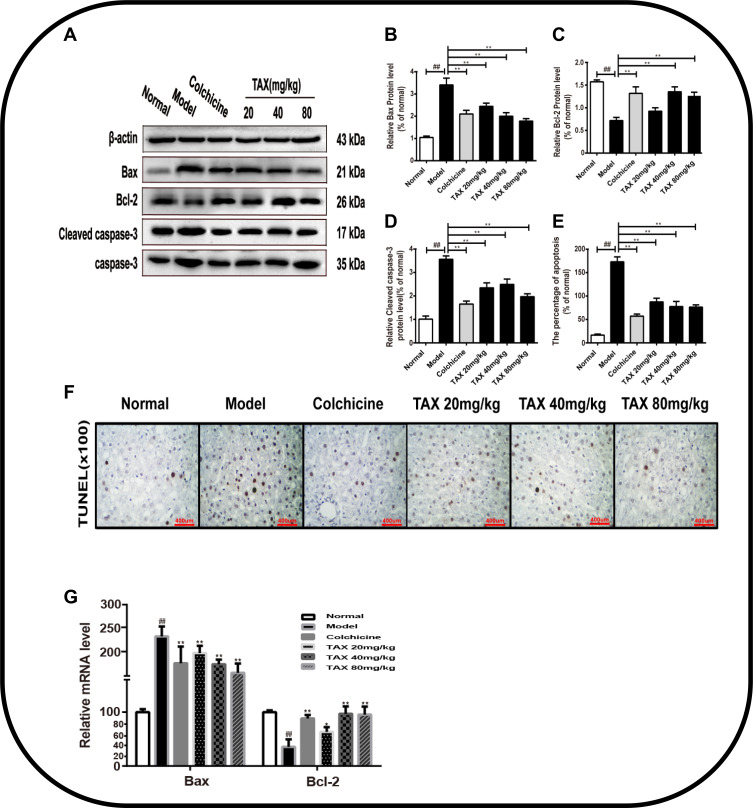
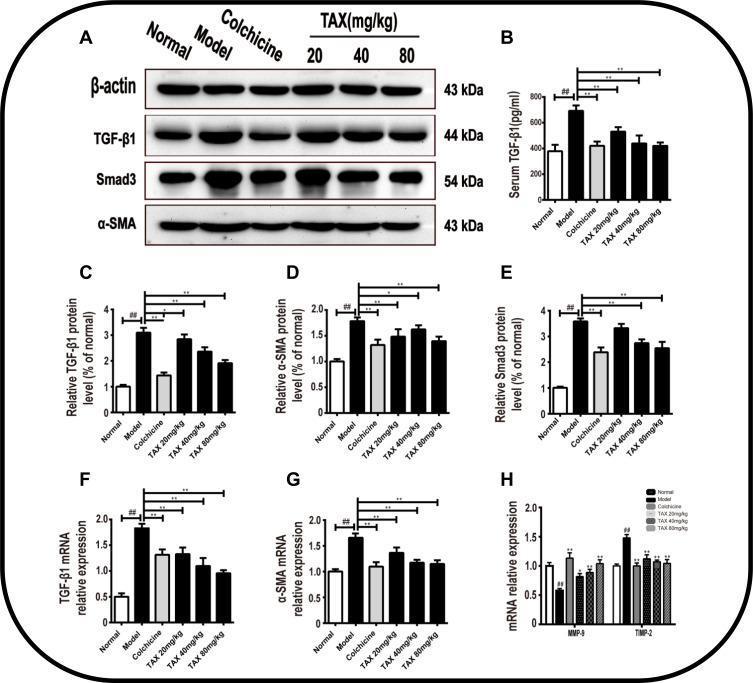
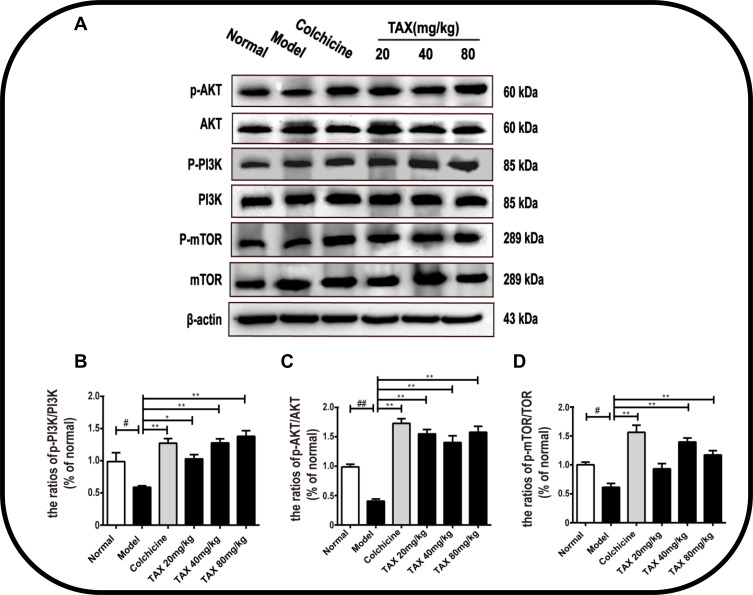
The results indicated that CCl-induced significantly increased the serum alanine aminotransferase (ALT) and aspartate aminotransferase (AST) in mice. Histopathological examination showed severe hepatocyte necrosis and hepatic tissue lesion. Immunohistochemical staining and rt-PCR analysis demonstrated that the expressions of inducible nitric oxide synthetase (iNOS), cyclooxygenase-2 (COX-2), IL-1β, IL-6, and TNF-α were increased. These changes were significantly reversed when treated with taxifolin. In addition, TUNEL staining and Bcl-2/Bax pathway confirmed that taxifolin significantly inhibited hepatocyte apoptosis. Besides, the research confirmed that taxifolin also inhibited the activation of hepatic stellate cells and the production of extracellular matrix (ECM) by regulating PI3K/AKT/mTOR and TGF-β1/Smads pathways.
Taxifolin inhibited inflammation, and attenuated CCl-induced oxidative stress and cell apoptosis by regulating PI3K/AKT/mTOR and TGF-β1/Smads pathways, which might in part contributed to taxifolin anti-hepatic fibrosis, further demonstrating that taxifolin may be an efficient hepatoprotective agent.
花旗松素是一种二氢黄酮,通常因其抗氧化、抗炎和抗肿瘤活性而被用作食品添加剂和保健品。本研究旨在探讨花旗松素的保肝活性及其分子机制。
采用腹腔注射 5mL/kg体重的 CCl(20% CCl 花生油溶液)的方法建立肝纤维化模型,用 0.9%生理盐水溶解花旗松素并灌胃给药。
结果表明,CCl 诱导显著增加了小鼠血清丙氨酸氨基转移酶(ALT)和天冬氨酸氨基转移酶(AST)。组织病理学检查显示严重的肝细胞坏死和肝组织损伤。免疫组织化学染色和 rt-PCR 分析表明,诱导型一氧化氮合酶(iNOS)、环氧化酶-2(COX-2)、IL-1β、IL-6 和 TNF-α的表达增加。用花旗松素处理后,这些变化明显逆转。此外,TUNEL 染色和 Bcl-2/Bax 通路证实,花旗松素显著抑制肝细胞凋亡。此外,研究还证实,花旗松素通过调节 PI3K/AKT/mTOR 和 TGF-β1/Smads 通路,还抑制肝星状细胞的激活和细胞外基质(ECM)的产生。
花旗松素通过调节 PI3K/AKT/mTOR 和 TGF-β1/Smads 通路抑制炎症,减轻 CCl 诱导的氧化应激和细胞凋亡,这可能部分归因于花旗松素的抗肝纤维化作用,进一步表明花旗松素可能是一种有效的保肝剂。