Al-Humimat Ghadeer, Marashdeh Ibtisam, Daradkeh Duaa, Kooner Karanjit
Department of Ophthalmology, University of Texas Southwestern Medical Center, Dallas, TX, USA.
Department of Ophthalmology, King Hussein Medical Center, Amman, Jordan.
J Exp Pharmacol. 2021 Feb 25;13:197-212. doi: 10.2147/JEP.S259297. eCollection 2021.
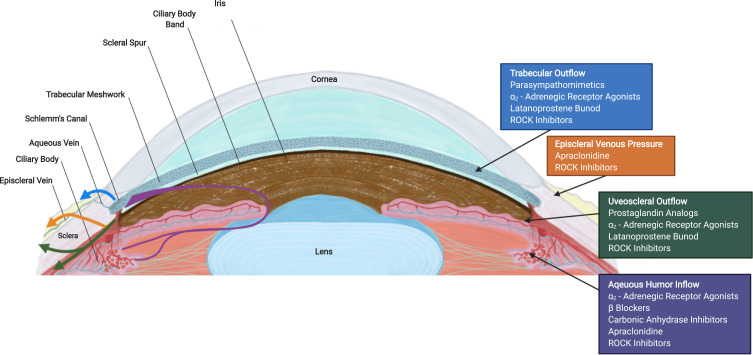
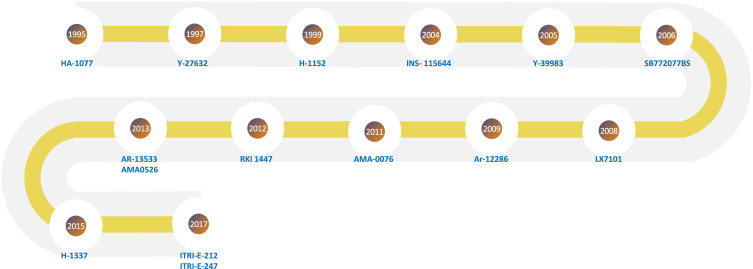
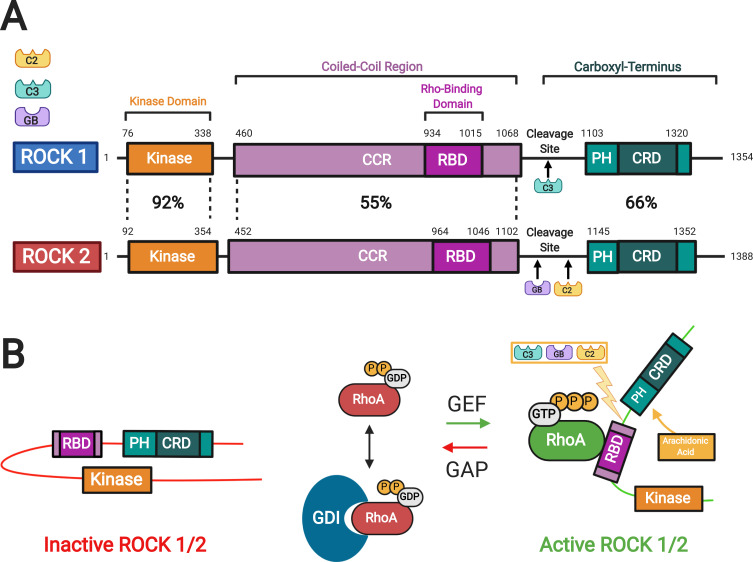
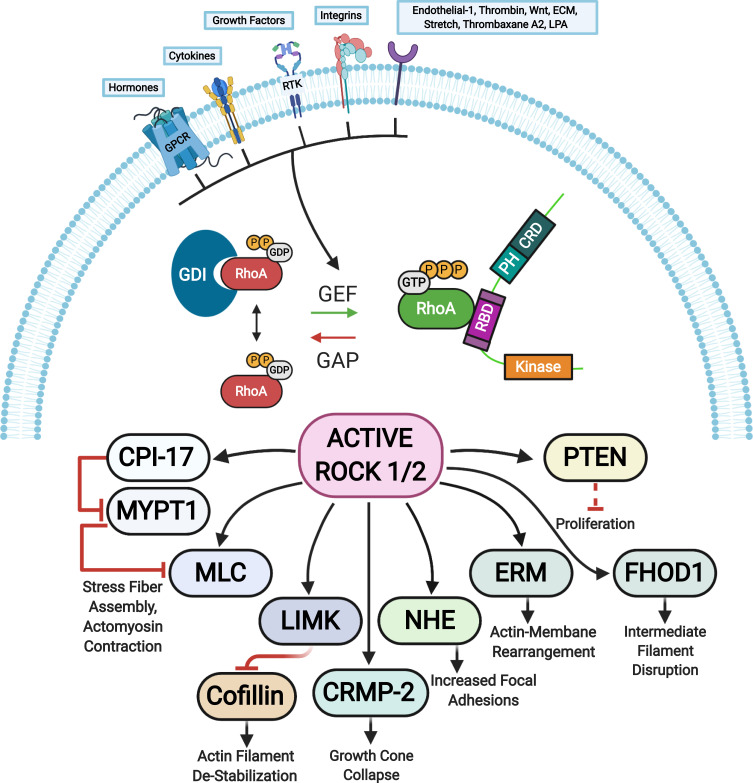
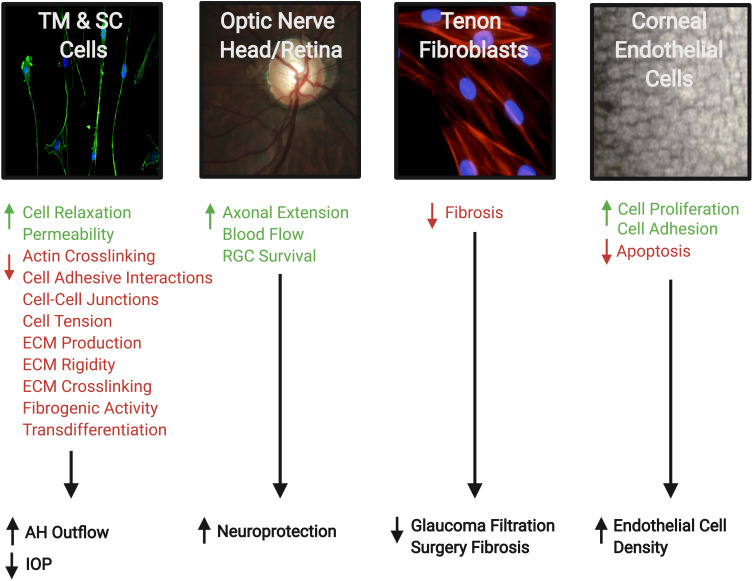
This review provides a comprehensive update on emerging ROCK inhibitors as an innovative treatment option for lowering intraocular pressure (IOP) in glaucoma and aims to describe the structure, mechanism of action, pharmaceutical characteristics, desirable ocular effects, including side effects for each agent. A literature review was conducted using PubMed, Scopus, clinicaltrials.gov, ARVO journals, Cochrane library and Selleckchem. Databases were searched using "investigational Rho kinase inhibitors," and "glaucoma" as keywords. In addition to this building block strategy, successive fractions were employed to further refine the results. Of the several ROCK inhibitors discovered, only two drugs are currently approved for glaucoma treatment; Netarsudil in the USA and Ripasudil in Japan and China. We identified and reviewed 15 agents currently in laboratory or clinical trials. These agents lower IOP mainly by decreasing outflow resistance through pharmacologic relaxation of the trabecular meshwork (TM) cells and reducing episcleral venous pressure. They have an optimistic safety profile; however, conjunctival hyperemia, conjunctival hemorrhage, pain on instillation, and corneal verticillata are common. Other properties such as neuroprotection (enhancing optic nerve blood flow and promoting axonal regeneration), anti-fibrotic activity, and endothelial cell proliferation may improve the visual prognosis and surgical outcomes in glaucoma. In addition, these agents have the potential to work synergistically with other topical glaucoma medications.
本综述全面更新了新兴的ROCK抑制剂,这是一种用于降低青光眼眼压(IOP)的创新治疗选择,旨在描述每种药物的结构、作用机制、药学特性、理想的眼部作用,包括副作用。使用PubMed、Scopus、clinicaltrials.gov、ARVO期刊、Cochrane图书馆和Selleckchem进行了文献综述。使用“研究性Rho激酶抑制剂”和“青光眼”作为关键词搜索数据库。除了这种构建模块策略外,还采用了连续的部分来进一步优化结果。在发现的几种ROCK抑制剂中,目前只有两种药物被批准用于青光眼治疗;美国的奈他地尔和日本及中国的ripasudil。我们识别并综述了目前处于实验室或临床试验阶段的15种药物。这些药物主要通过小梁网(TM)细胞的药理松弛降低流出阻力和降低巩膜静脉压来降低眼压。它们具有良好的安全性;然而,结膜充血、结膜出血、滴眼时疼痛和角膜涡状浑浊很常见。其他特性,如神经保护(增加视神经血流和促进轴突再生)、抗纤维化活性和内皮细胞增殖,可能会改善青光眼的视觉预后和手术效果。此外,这些药物有可能与其他局部青光眼药物协同作用。