Ruman Umme, Buskaran Kalaivani, Pastorin Giorgia, Masarudin Mas Jaffri, Fakurazi Sharida, Hussein Mohd Zobir
Materials Synthesis and Characterization Laboratory, Institute of Advanced Technology (ITMA), Universiti Putra Malaysia, UPM Serdang 43400, Selangor, Malaysia.
Laboratory of Vaccine and Immunotherapeutic, Institute of Bioscience Universiti Putra Malaysia, UPM Serdang 43400, Selangor, Malaysia.
Nanomaterials (Basel). 2021 Feb 16;11(2):497. doi: 10.3390/nano11020497.
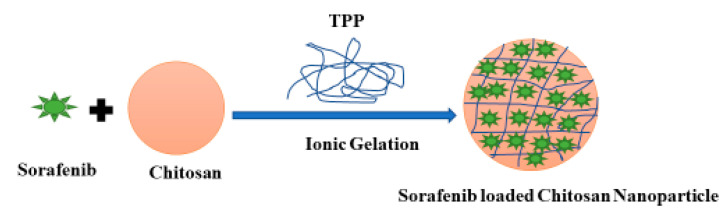
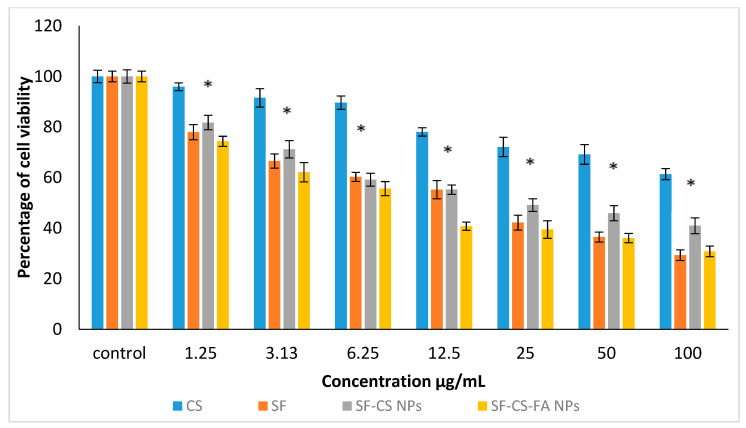
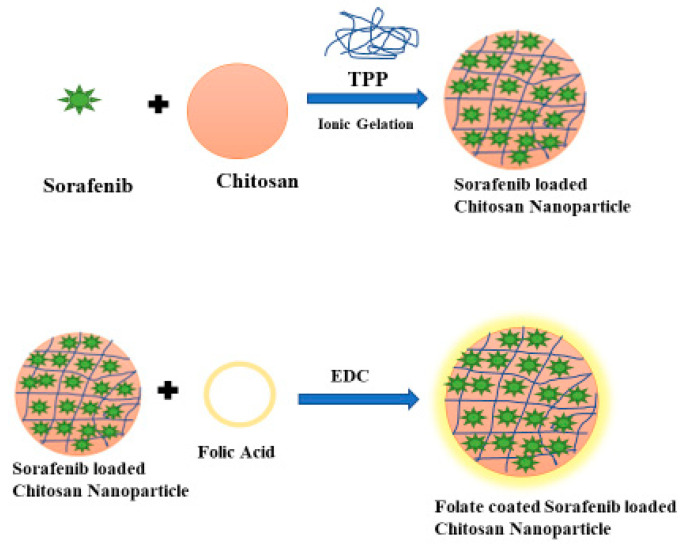
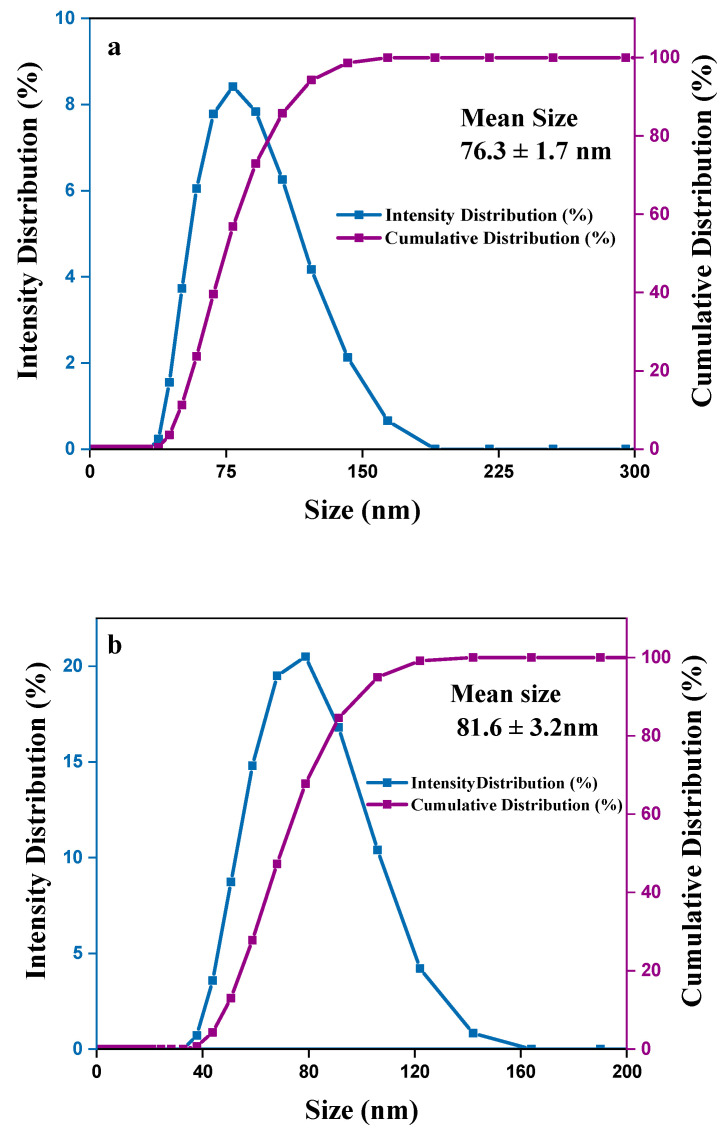
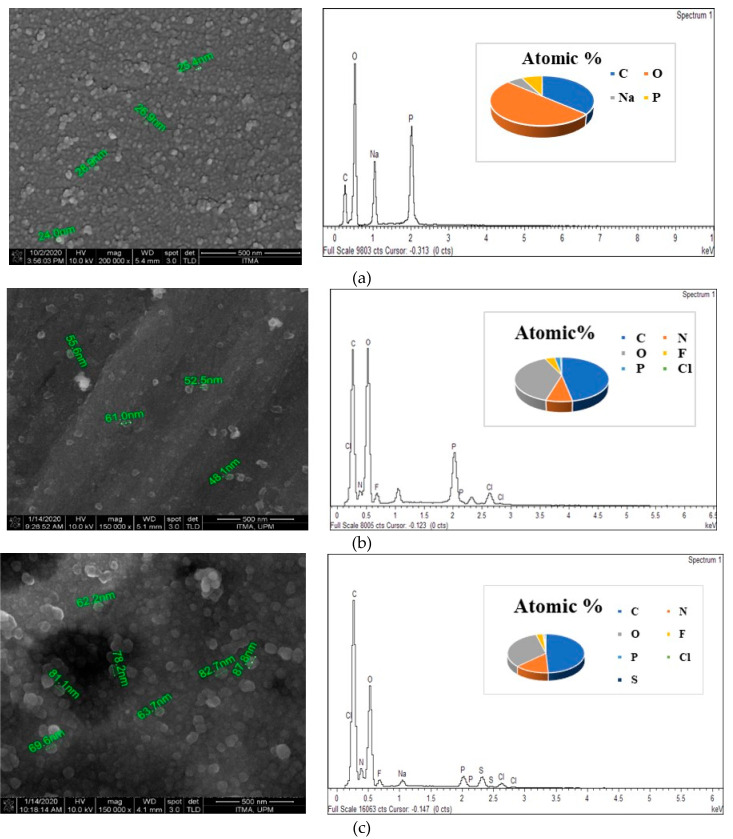
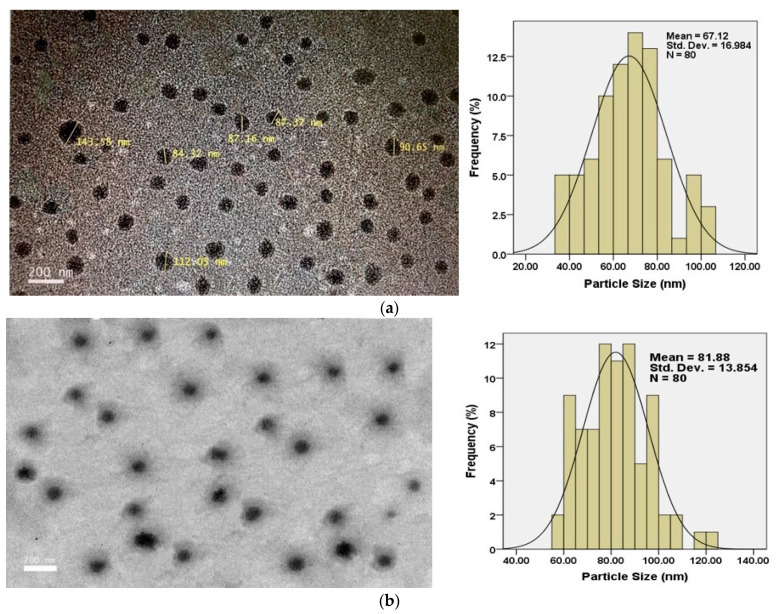
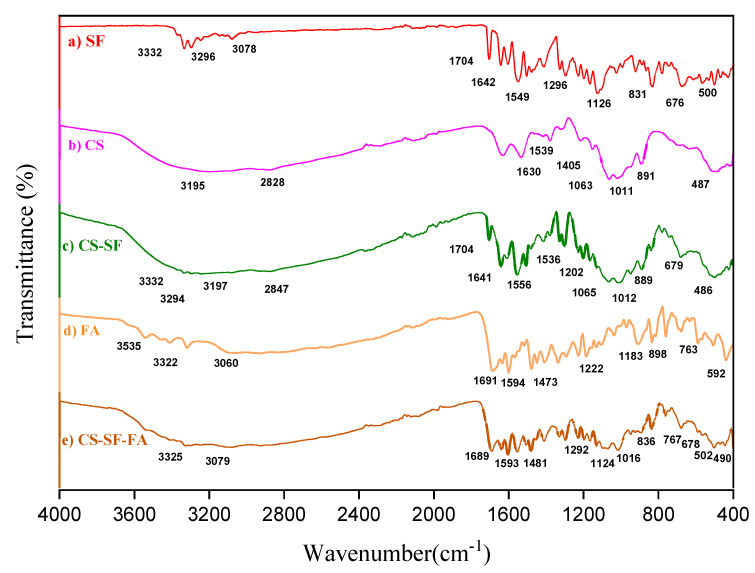
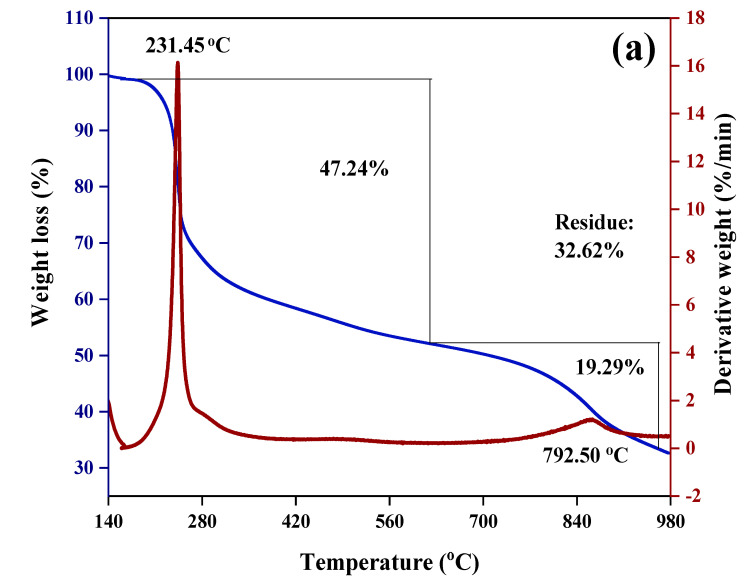
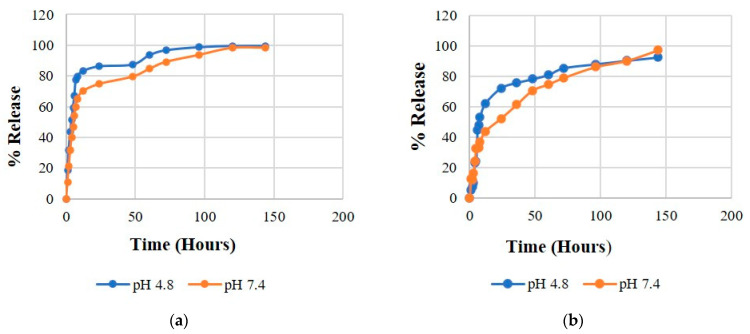
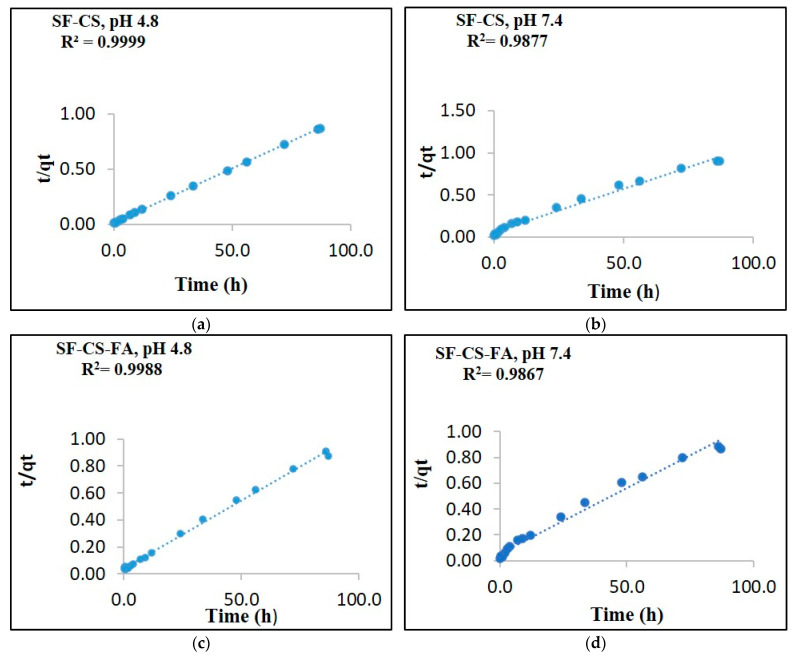
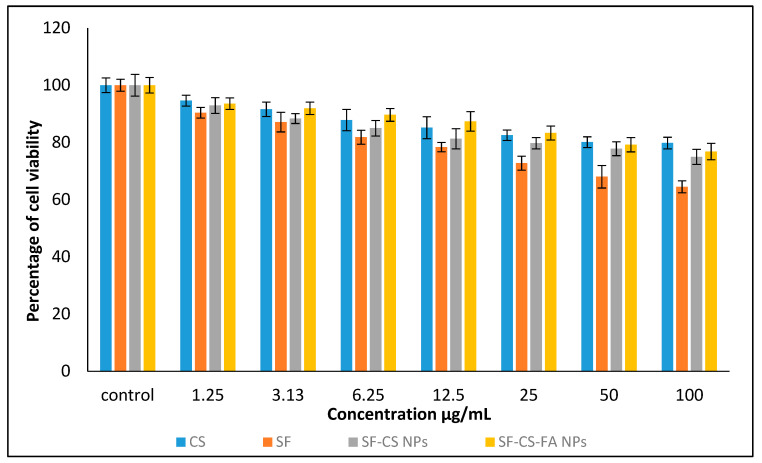
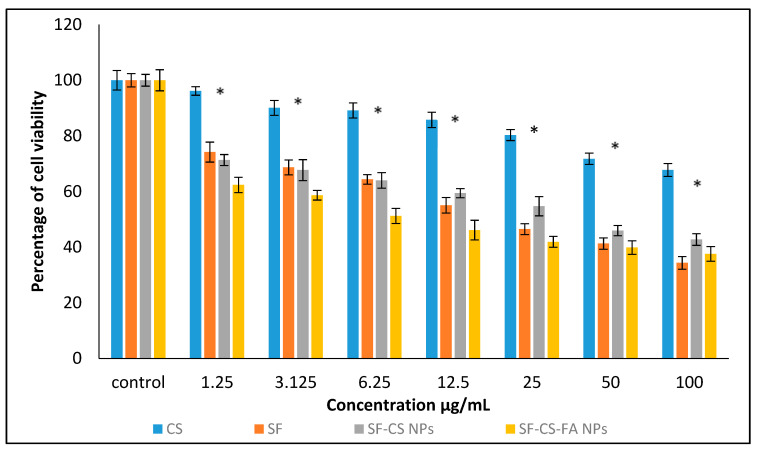
The formation of two nanodelivery systems, Sorafenib (SF)-loaded chitosan (SF-CS) and their folate-coated (SF-CS-FA) nanoparticles (NPs), were developed to enhance SF drug delivery on human Hepatocellular Carcinoma (HepG2) and Colorectal Adenocarcinoma (HT29) cell lines. The ionic gelation method was adopted to synthesize the NPs. The characterizations were performed by DLS, FESEM, TEM, XRD, TGA, FTIR, and UV-visible spectroscopy. It was found that 83.7 ± 2.4% and 87.9 ± 1.1% of encapsulation efficiency; 18.2 ± 1.3% and 19.9 ± 1.4% of loading content; 76.3 ± 13.7 nm and 81.6 ± 12.9 nm of hydrodynamic size; 60-80 nm and 70-100 nm of TEM; and FESEM sizes of near-spherical shape were observed, respectively, for SF-CS and SF-CS-FA nanoparticles. The SF showed excellent release from the nanoparticles under pH 4.8 PBS solution, indicating a good delivery system for tumor cells. The cytotoxicity study revealed their better anticancer action towards HepG2 and HT29 cell lines compared to the free sorafenib. Moreover, both NPs systems showed negligible toxicity to normal Human Dermal Fibroblast adult cells (HDFa). This is towards an enhanced anticancer drug delivery system with sustained-release properties for better cancer management.
开发了两种纳米递送系统,即载有索拉非尼(SF)的壳聚糖(SF-CS)及其叶酸包被(SF-CS-FA)纳米颗粒(NPs),以增强SF对人肝癌(HepG2)和结肠腺癌(HT29)细胞系的药物递送。采用离子凝胶法合成纳米颗粒。通过动态光散射(DLS)、场发射扫描电子显微镜(FESEM)、透射电子显微镜(TEM)、X射线衍射(XRD)、热重分析(TGA)、傅里叶变换红外光谱(FTIR)和紫外可见光谱进行表征。结果发现,SF-CS和SF-CS-FA纳米颗粒的包封率分别为83.7±2.4%和87.9±1.1%;载药量分别为18.2±1.3%和19.9±1.4%;流体动力学尺寸分别为76.3±13.7nm和81.6±12.9nm;TEM尺寸分别为60-80nm和70-100nm;FESEM尺寸均为近球形。SF在pH 4.8的磷酸盐缓冲盐水(PBS)溶液中从纳米颗粒中显示出优异的释放性能,表明其是一种良好的肿瘤细胞递送系统。细胞毒性研究表明,与游离索拉非尼相比,它们对HepG2和HT29细胞系具有更好的抗癌作用。此外,两种纳米颗粒系统对正常人皮肤成纤维细胞(HDFa)的毒性均可忽略不计。这是朝着具有缓释特性的增强抗癌药物递送系统发展,以更好地管理癌症。