InSphero AG, Wagistrasse 27a, 8952 Schlieren, Switzerland.
The Rolf Luft Research Center for Diabetes and Endocrinology, Department of Molecular Medicine and Surgery, Karolinska Institutet, Karolinska Sjukhuset L1:03, 17176 Stockholm, Sweden.
Int J Mol Sci. 2021 Feb 11;22(4):1813. doi: 10.3390/ijms22041813.
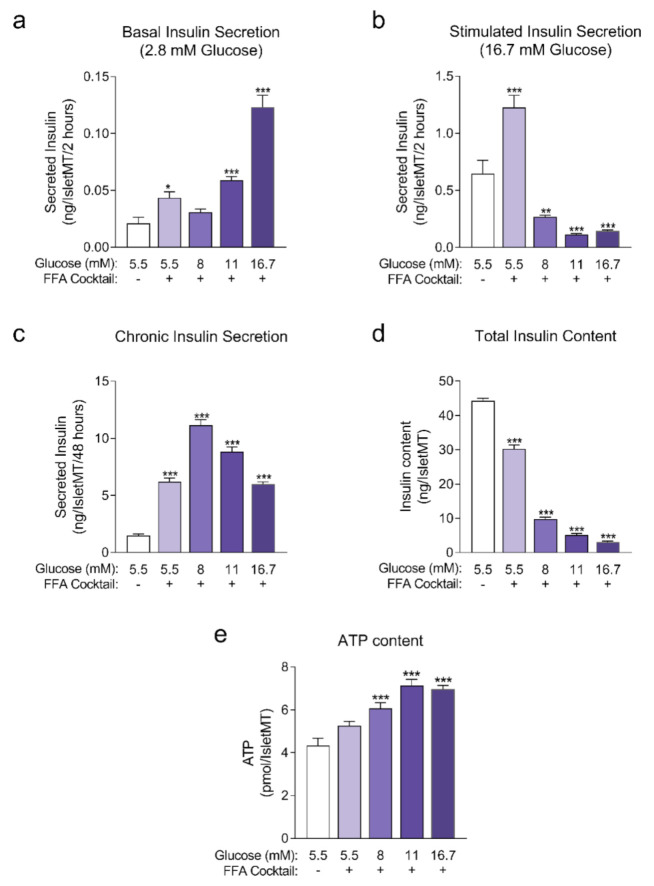
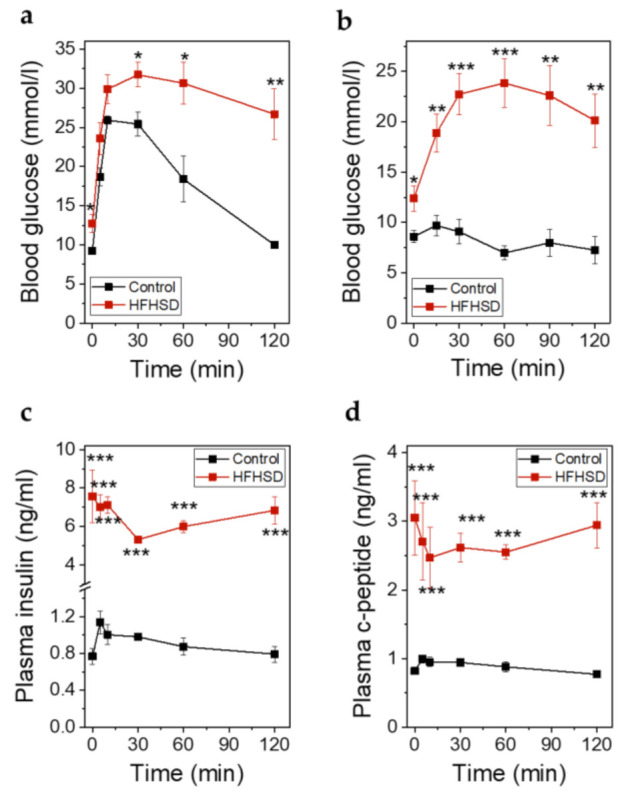
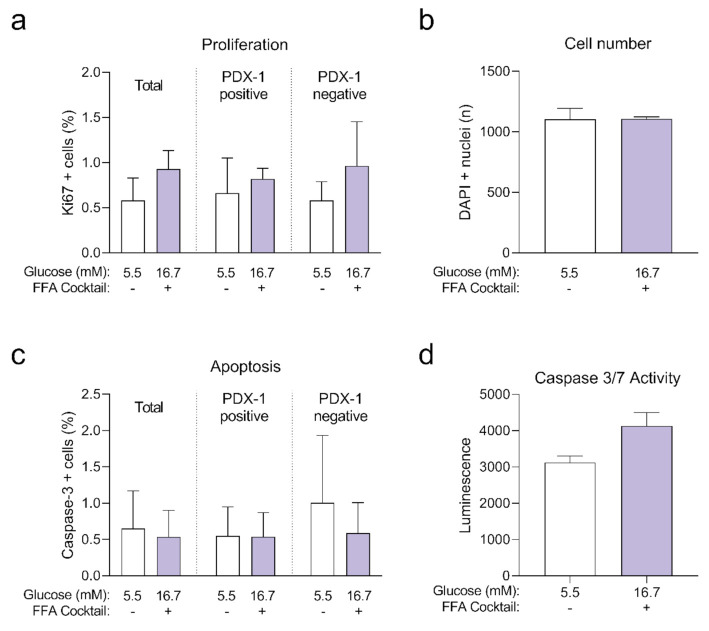
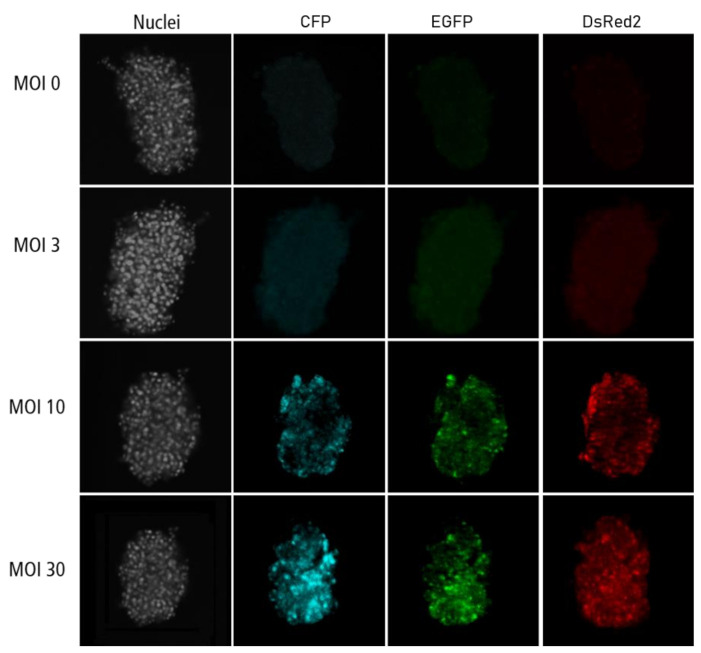
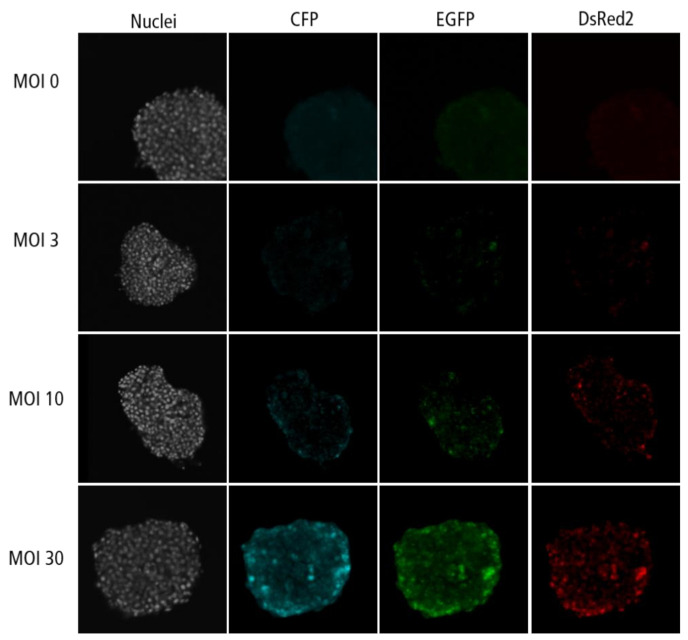
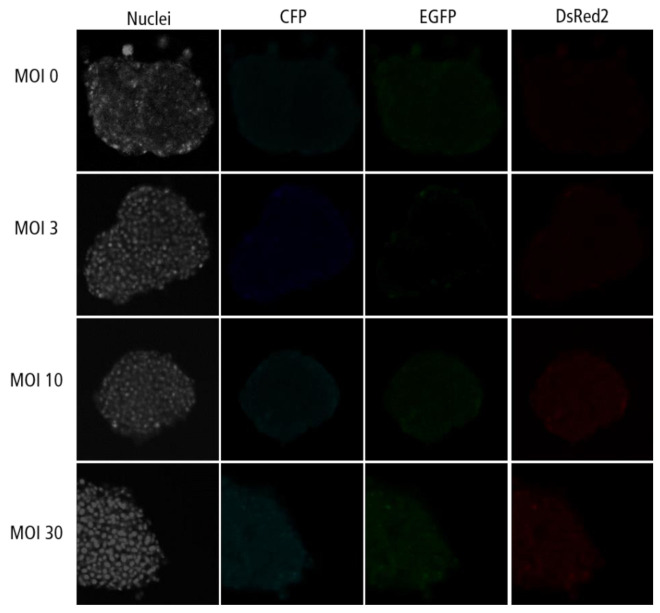
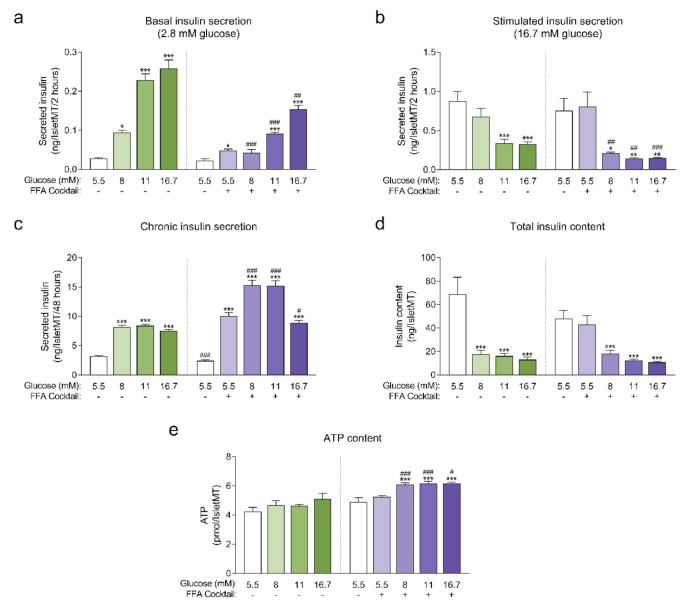
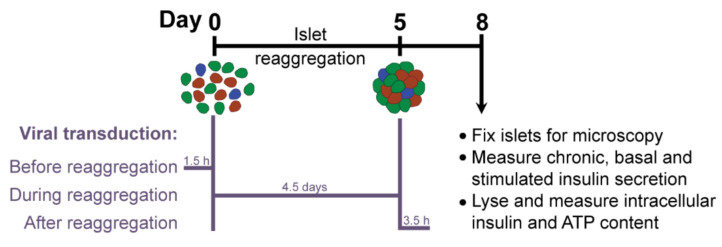
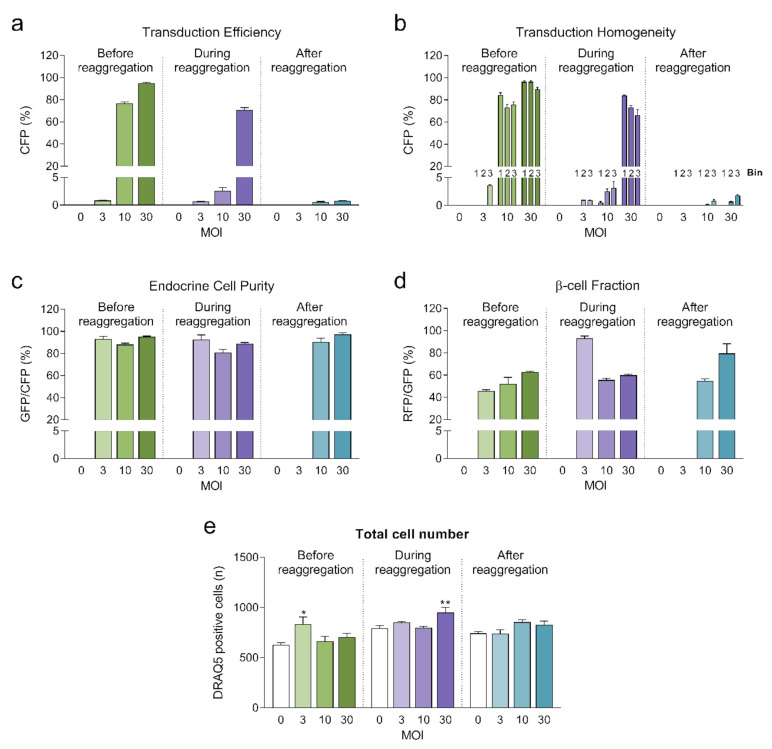
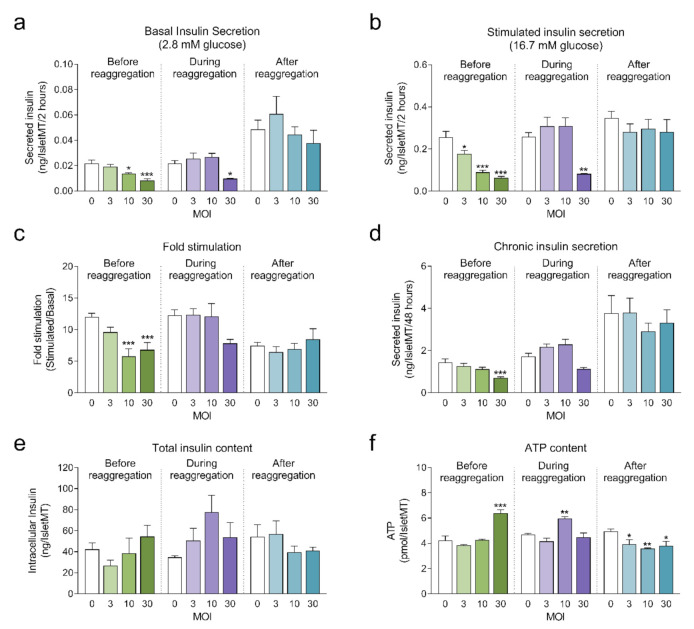
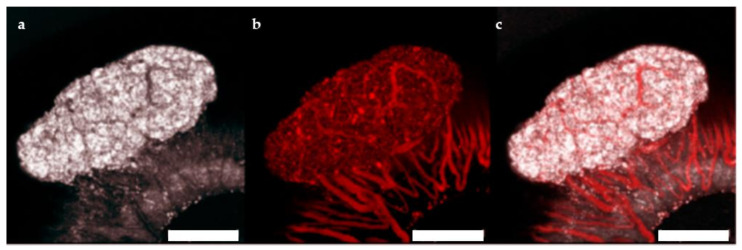
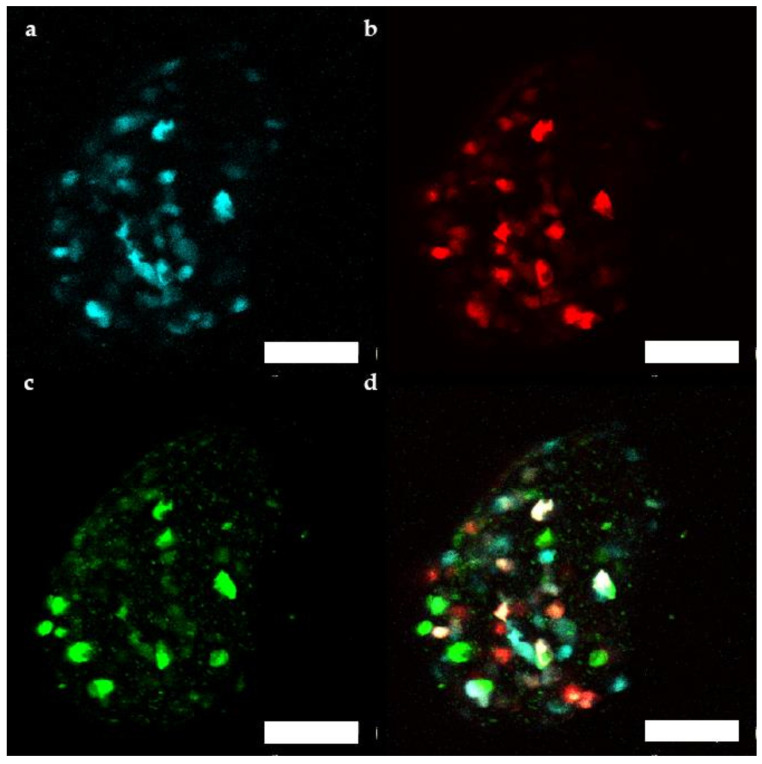
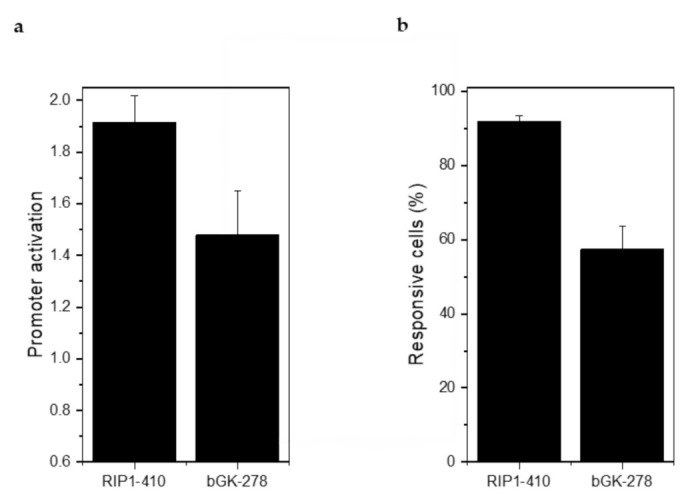
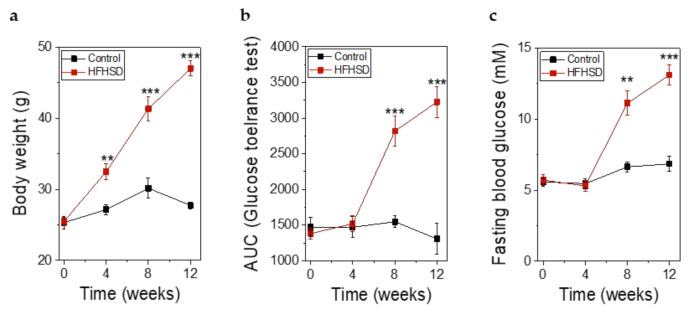
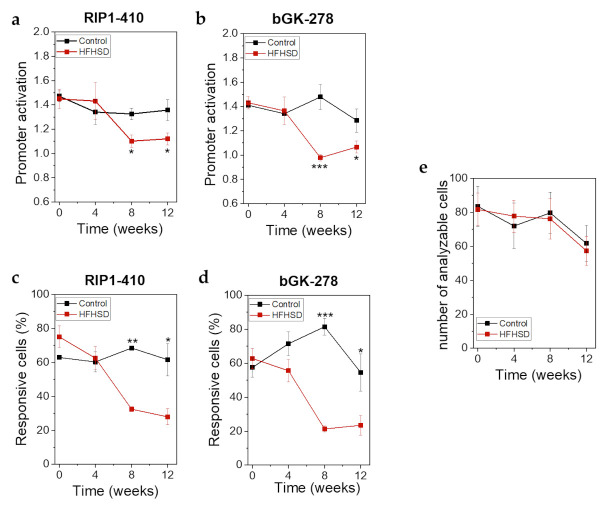
Loss of pancreatic β-cell function is a critical event in the pathophysiology of type 2 diabetes. However, studies of its underlying mechanisms as well as the discovery of novel targets and therapies have been hindered due to limitations in available experimental models. In this study we exploited the stable viability and function of standardized human islet microtissues to develop a disease-relevant, scalable, and reproducible model of β-cell dysfunction by exposing them to long-term glucotoxicity and glucolipotoxicity. Moreover, by establishing a method for highly-efficient and homogeneous viral transduction, we were able to monitor the loss of functional β-cell mass in vivo by transplanting reporter human islet microtissues into the anterior chamber of the eye of immune-deficient mice exposed to a diabetogenic diet for 12 weeks. This newly developed in vitro model as well as the described in vivo methodology represent a new set of tools that will facilitate the study of β-cell failure in type 2 diabetes and would accelerate the discovery of novel therapeutic agents.
胰岛β细胞功能丧失是 2 型糖尿病病理生理学的一个关键事件。然而,由于现有实验模型的局限性,其潜在机制的研究以及新靶点和疗法的发现一直受到阻碍。在这项研究中,我们利用标准化人类胰岛微组织的稳定生存能力和功能,通过长期暴露于糖毒性和糖脂毒性,开发了一种与疾病相关的、可扩展的、可重复的β细胞功能障碍模型。此外,通过建立一种高效且均匀的病毒转导方法,我们能够通过将报告基因人类胰岛微组织移植到免疫缺陷小鼠的前房来监测体内功能性β细胞质量的丧失,这些小鼠暴露于致糖尿病饮食 12 周。这种新开发的体外模型以及所描述的体内方法代表了一组新的工具,将有助于研究 2 型糖尿病中的β细胞衰竭,并加速新型治疗药物的发现。