Tsitsikas Dimitris A, Badle Saket, Hall Rhys, Meenan John, Bello-Sanyaolu Oloruntoyin, Orebayo Funmilayo, Abukar Jibril, Elmi Mohamed, Mulla Afsana, Dave Shalini, Lewis Natasha, Sharma Manisha, Chatterjee Basabi, Amos Roger J
Haemoglobinopathy Service, Department of Haematology, Homerton University Hospital NHS Foundation Trust, London E9 6SR, UK.
Department of Biochemistry, Homerton University Hospital NHS Foundation Trust, London E9 6SR, UK.
J Clin Med. 2021 Feb 15;10(4):767. doi: 10.3390/jcm10040767.
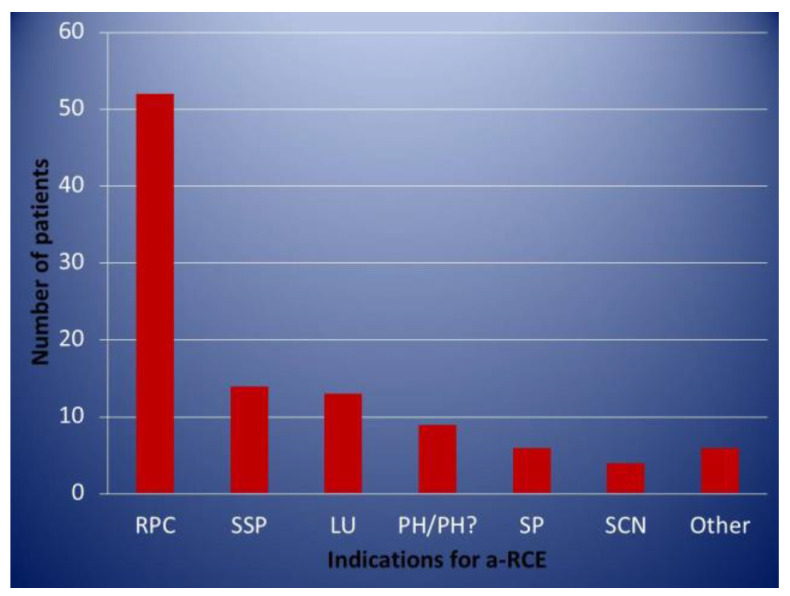
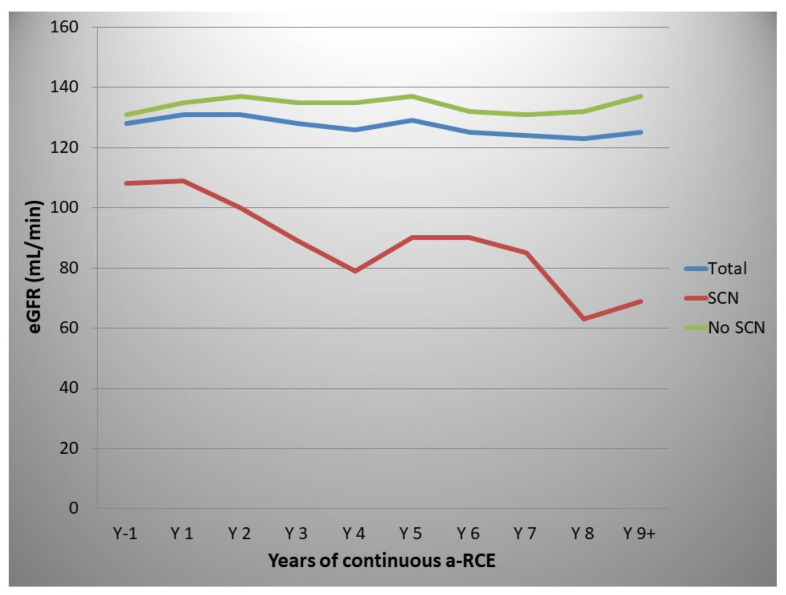
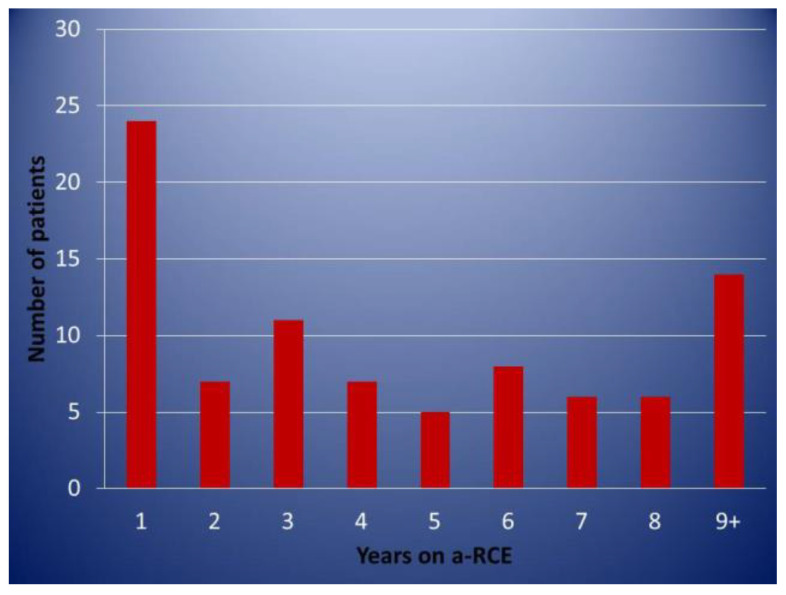
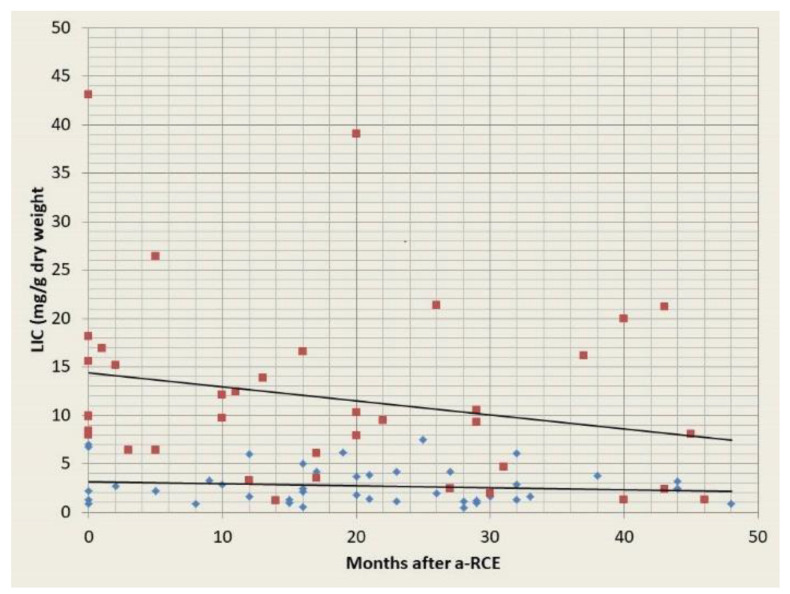
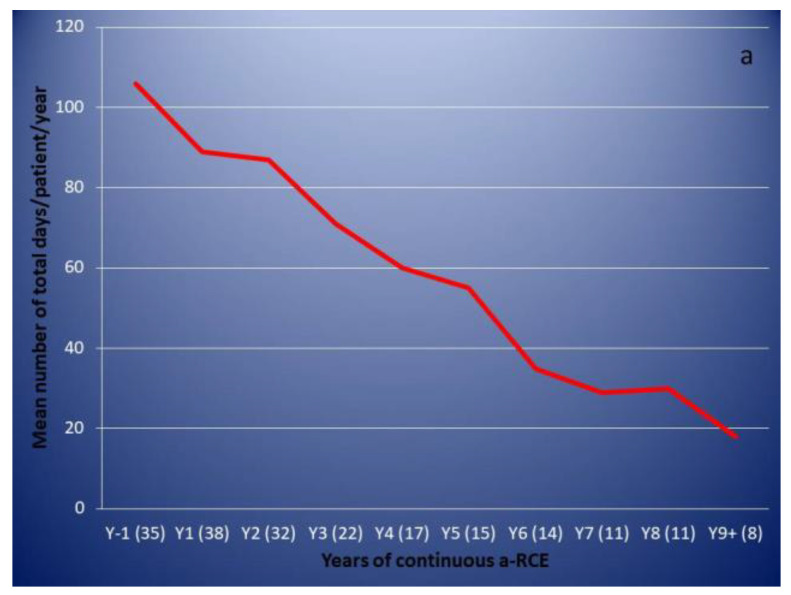
Red cell transfusion represents one of the cornerstones of the chronic management of sickle cell disease, as well as its acute complications. Automated red cell exchange can rapidly lower the number of circulating sickle erythrocytes, without causing iron overload. Here, we describe our experience, having offered this intervention since 2011. A transient reduction in the platelet count by 61% was observed after the procedure. This was not associated with any haemorrhagic complications. Despite exposure to large volumes of blood, the alloimmunisation rate was only 0.027/100 units of red cells. The absence of any iron loading was confirmed by serial Ferriscans, performed over a number of years. However, patients with advanced chronic kidney disease showed evidence of iron loading due to reduced innate haemopoiesis and were subsequently switched to simple transfusions. A total of 59% of patients were on regular automated red cell exchange with a history of recurrent painful crises. A total of 77% responded clinically, as evidenced by at least a 25% reduction in their emergency hospital attendance for pain management. The clinical response was gradual and increased the longer patients stayed on the program. The earliest sign of clinical response was a reduction in the length of stay when these patients were hospitalised, indicating that a reduction in the severity of crises precedes the reduction in their frequency. Automated red cell exchange also appeared to be beneficial for patients with recurrent leg ulcers and severe, drug resistant stuttering priapism, while patients with pulmonary hypertension showed a dramatic improvement in their symptoms as well as echocardiographic parameters.
红细胞输血是镰状细胞病慢性管理及其急性并发症治疗的基石之一。自动红细胞置换可以迅速降低循环中镰状红细胞的数量,且不会导致铁过载。在此,我们描述自2011年以来提供这种干预措施的经验。术后观察到血小板计数短暂下降了61%。这与任何出血并发症均无关联。尽管接触了大量血液,但同种免疫率仅为0.027/100单位红细胞。多年来通过连续进行Ferriscans检查证实没有任何铁负荷增加的情况。然而,晚期慢性肾病患者由于先天性造血功能降低出现了铁负荷增加的迹象,随后改用单纯输血。共有59%有反复疼痛性危机病史的患者接受定期自动红细胞置换。共有77%的患者有临床反应,这表现为因疼痛管理而到急诊就诊的次数至少减少了25%。临床反应是渐进的,且患者参与该项目的时间越长反应越明显。临床反应的最早迹象是这些患者住院时间缩短,这表明危机严重程度的降低先于危机频率的降低。自动红细胞置换对复发性腿部溃疡和严重、耐药性间歇性阴茎异常勃起的患者似乎也有益,而肺动脉高压患者的症状以及超声心动图参数有显著改善。