Servicio de Hematología y Oncología Médica, Hospital Universitario Morales Meseguer, Centro Regional de Hemodonación, Universidad de Murcia, IMIB-Arrixaca, 30003 Murcia, Spain.
Platelet Proteomics Group, Centro Singular de Investigación en Medicina Molecular y Enfermedades Crónicas (CIMUS), Universidad de Santiago de Compostela e Instituto de Investigación Sanitaria de Santiago (IDIS), 15706 Santiago de Compostela, Spain.
Int J Mol Sci. 2021 Feb 15;22(4):1926. doi: 10.3390/ijms22041926.
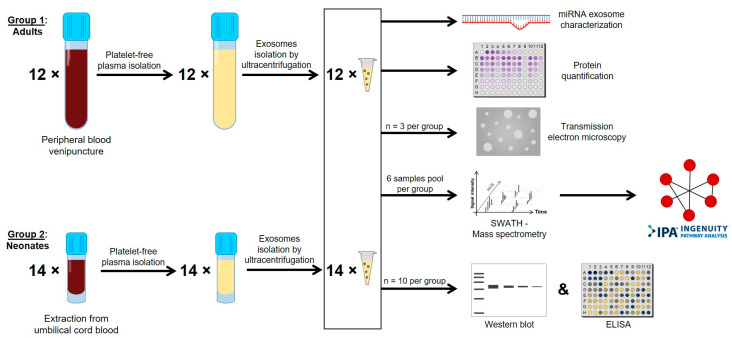
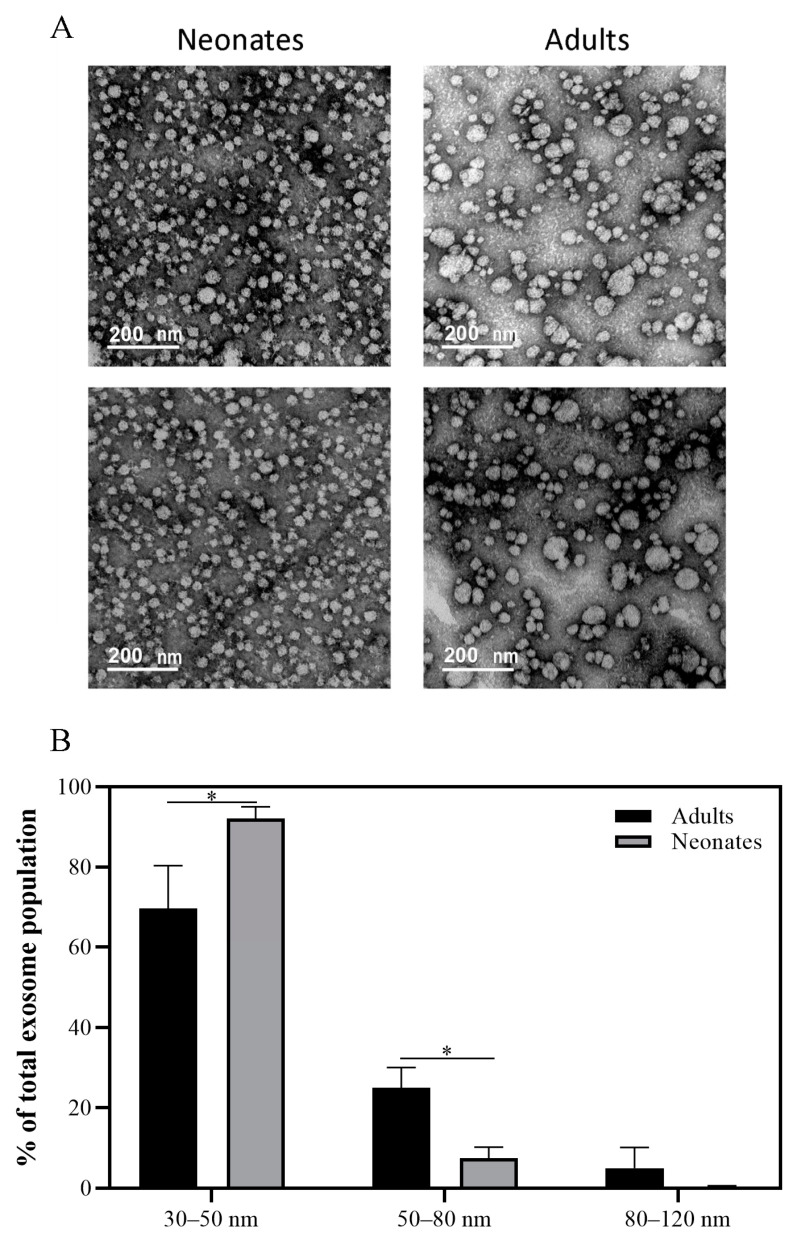
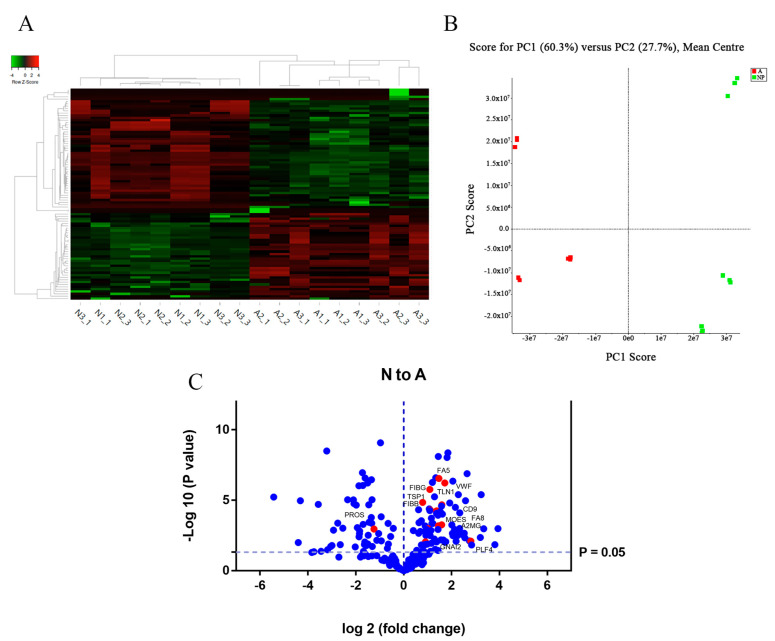
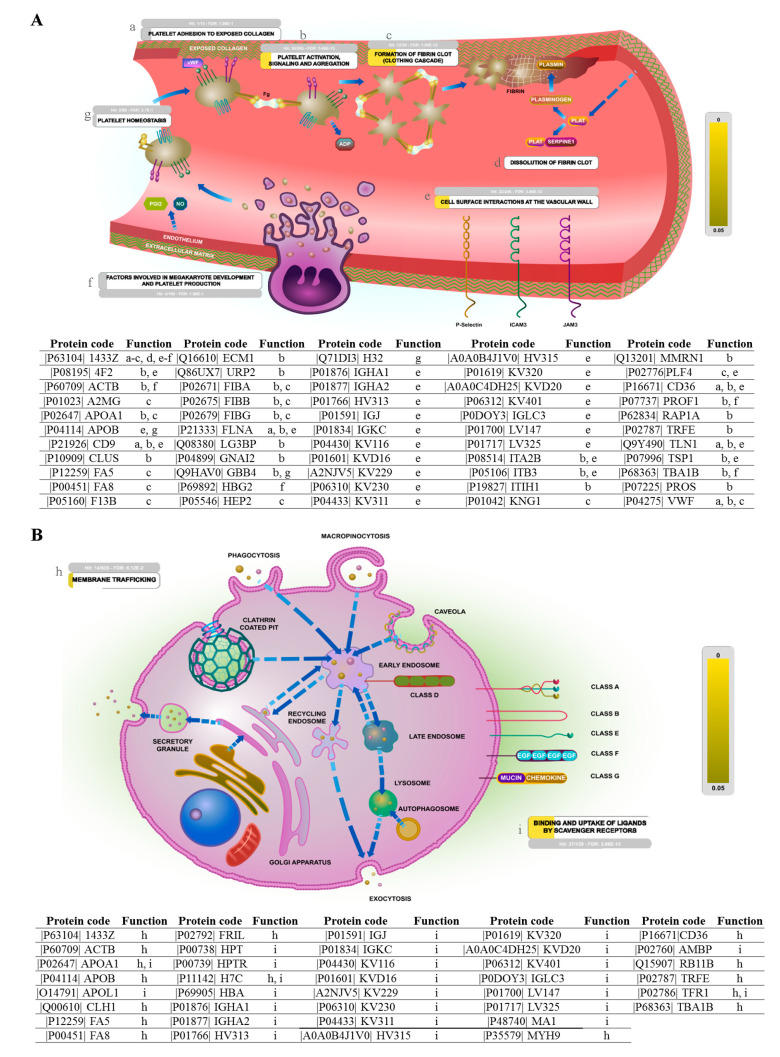
Exosomes are extracellular vesicles that contain nucleic acids, lipids and metabolites, and play a critical role in health and disease as mediators of intercellular communication. The majority of extracellular vesicles in the blood are platelet-derived. Compared to adults, neonatal platelets are hyporeactive and show impaired granule release, associated with defects in Soluble N-ethylmaleimide-sensitive fusion Attachment protein REceptor (SNARE) proteins. Since these proteins participate in biogenesis of exosomes, we investigated the potential differences between newborn and adult plasma-derived exosomes. Plasma-derived exosomes were isolated by ultracentrifugation of umbilical cord blood from full-term neonates or peripheral blood from adults. Exosome characterization included size determination by transmission electron microscopy and quantitative proteomic analysis. Plasma-derived exosomes from neonates were significantly smaller and contained 65% less protein than those from adults. Remarkably, 131 proteins were found to be differentially expressed, 83 overexpressed and 48 underexpressed in neonatal (vs. adult) exosomes. Whereas the upregulated proteins in plasma exosomes from neonates are associated with platelet activation, coagulation and granule secretion, most of the underexpressed proteins are immunoglobulins. This is the first study showing that exosome size and content change with age. Our findings may contribute to elucidating the potential "developmental hemostatic mismatch risk" associated with transfusions containing plasma exosomes from adults.
外泌体是含有核酸、脂质和代谢物的细胞外囊泡,作为细胞间通讯的介质,在外泌体在健康和疾病中起着关键作用。血液中的大多数细胞外囊泡来源于血小板。与成人相比,新生儿血小板反应性较低,颗粒释放受损,与可溶性 N-乙基马来酰亚胺敏感融合附着蛋白受体(SNARE)蛋白缺陷有关。由于这些蛋白参与了外泌体的生物发生,我们研究了新生儿和成人血浆衍生的外泌体之间的潜在差异。通过超速离心从足月新生儿的脐血或成人的外周血中分离血浆衍生的外泌体。外泌体的特征包括通过透射电子显微镜进行的大小测定和定量蛋白质组学分析。与成人相比,新生儿的血浆衍生外泌体明显更小,且蛋白含量少 65%。值得注意的是,在新生儿(与成人相比)的外泌体中发现有 131 种蛋白表达差异,其中 83 种蛋白表达上调,48 种蛋白表达下调。虽然新生儿血浆外泌体中上调的蛋白与血小板激活、凝血和颗粒分泌有关,但大多数下调的蛋白是免疫球蛋白。这是第一项表明外泌体大小和内容随年龄变化的研究。我们的发现可能有助于阐明与含有成人血浆外泌体的输血相关的潜在“发育性止血不匹配风险”。