Nugraha Roni, Ruethers Thimo, Johnston Elecia B, Rolland Jennifer M, O'Hehir Robyn E, Kamath Sandip D, Lopata Andreas L
Department of Aquatic Product Technology, Faculty of Fisheries and Marine Science, IPB University, Bogor 16680, West Java, Indonesia.
Molecular Allergy Research Laboratory, College of Public Health, Medical and Veterinary Sciences, James Cook University, Douglas, QLD 4811, Australia.
Foods. 2021 Feb 12;10(2):409. doi: 10.3390/foods10020409.
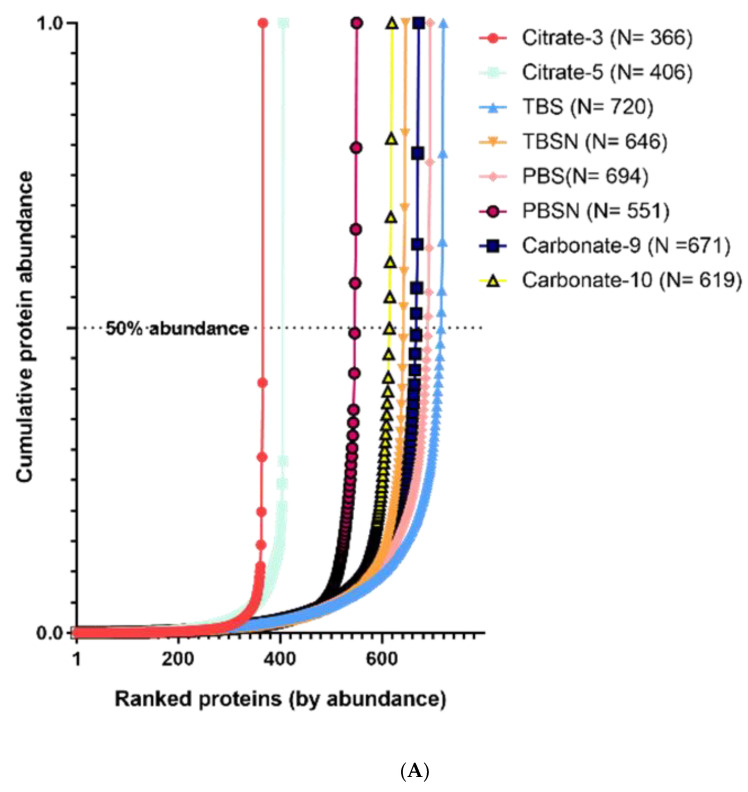
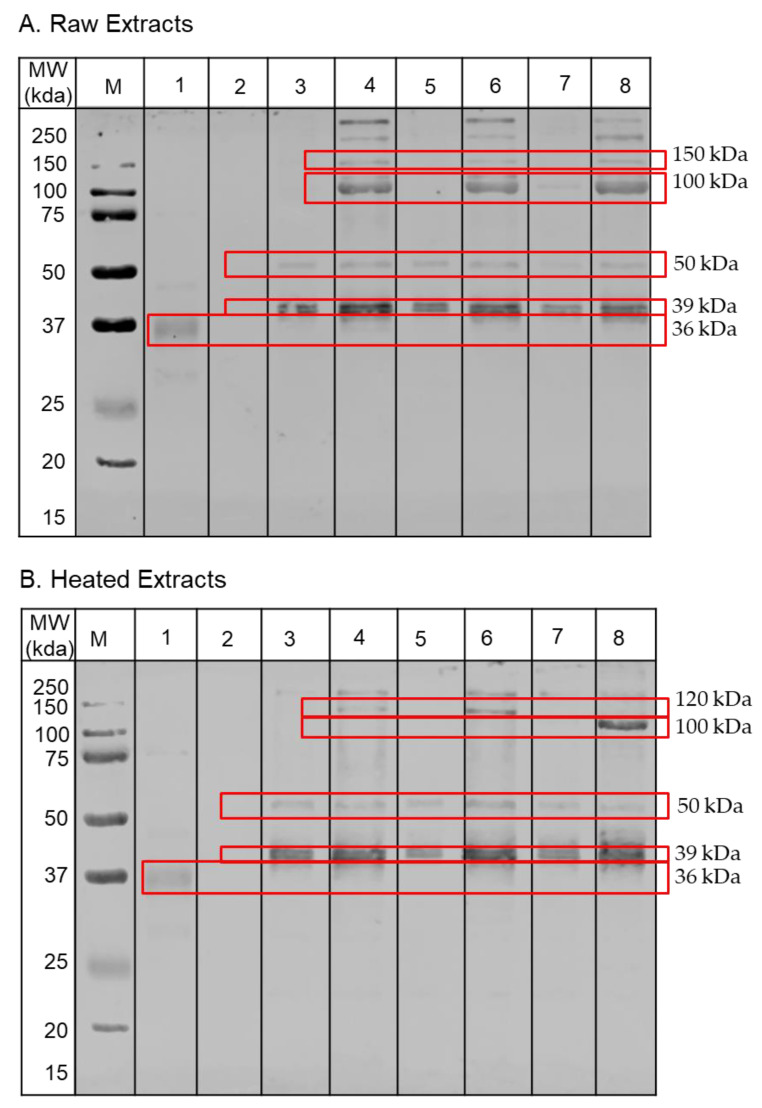
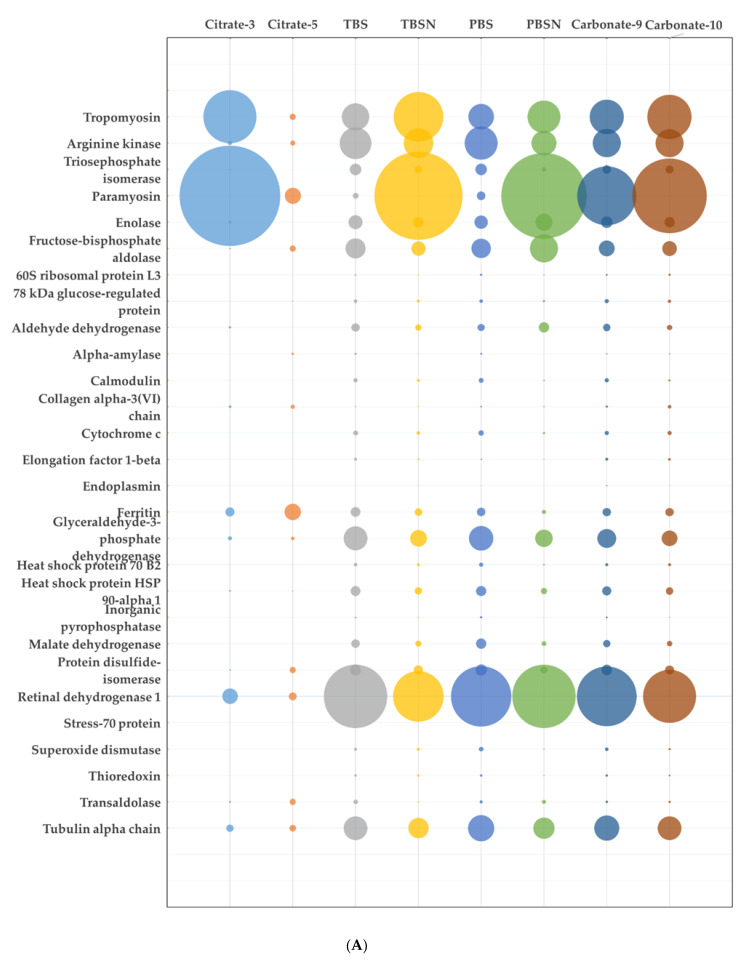
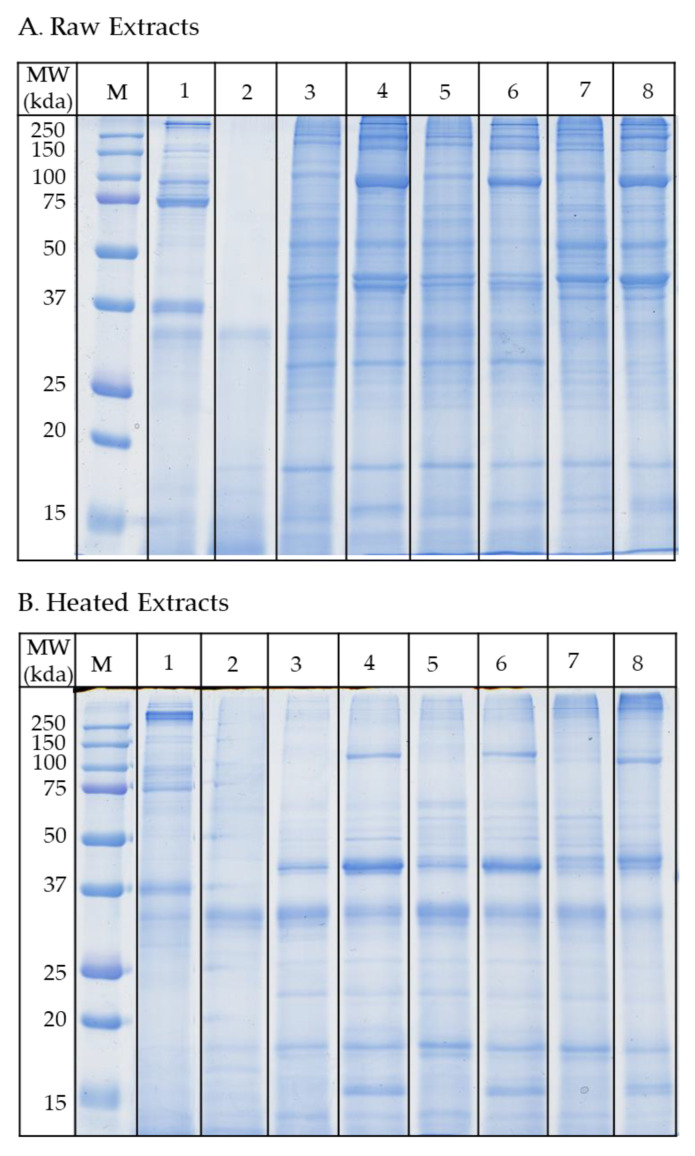
Despite recent technological advances, novel allergenic protein discovery is limited by their low abundance, often due to specific physical characteristics restricting their recovery during the extraction process from various allergen sources. In this study, eight different extraction buffers were compared for their ability to recover proteins from Pacific oyster (). The protein composition was investigated using high resolution mass spectrometry. The antibody IgE-reactivity of each extract was determined using a pool of serum from five shellfish-allergic patients. Most of the investigated buffers showed good capacity to extract proteins from the Pacific oyster. In general, a higher concentration of proteins was recovered using high salt buffers or high pH buffers, subsequently revealing more IgE-reactive bands on immunoblotting. In contrast, low pH buffers resulted in a poor protein recovery and reduced IgE-reactivity. Discovery of additional IgE-reactive proteins in high salt buffers or high pH buffers was associated with an increase in allergen abundance in the extracts. In conclusion, increasing the ionic strength and pH of the buffer improves the solubility of allergenic proteins during the extraction process for oyster tissue. This strategy could also be applied for other difficult-to-extract allergen sources, thereby yielding an improved allergen panel for increased diagnostic efficiency.
尽管最近技术有所进步,但新型变应原蛋白的发现受到其低丰度的限制,这通常是由于特定的物理特性限制了它们在从各种变应原来源提取过程中的回收率。在本研究中,比较了八种不同的提取缓冲液从太平洋牡蛎中回收蛋白质的能力。使用高分辨率质谱法研究了蛋白质组成。使用来自五名贝类过敏患者的血清池测定每种提取物的抗体IgE反应性。大多数研究的缓冲液显示出从太平洋牡蛎中提取蛋白质的良好能力。一般来说,使用高盐缓冲液或高pH缓冲液可回收更高浓度的蛋白质,随后在免疫印迹上显示出更多的IgE反应条带。相比之下,低pH缓冲液导致蛋白质回收率低且IgE反应性降低。在高盐缓冲液或高pH缓冲液中发现额外的IgE反应性蛋白质与提取物中变应原丰度的增加有关。总之,提高缓冲液的离子强度和pH值可提高牡蛎组织提取过程中变应原蛋白的溶解度。该策略也可应用于其他难以提取的变应原来源,从而产生改进的变应原组以提高诊断效率。