Nickell Chelsea G, Thompson K Ryan, Pauly James R, Nixon Kimberly
University of Kentucky, Department of Pharmaceutical Sciences, Lexington, KY, USA.
The University of Texas at Austin, College of Pharmacy, Austin, TX, USA.
Brain Plast. 2020 Dec 29;6(1):83-101. doi: 10.3233/BPL-200108.
The excessive alcohol drinking that occurs in alcohol use disorder (AUD) causes neurodegeneration in regions such as the hippocampus, though recovery may occur after a period of abstinence. Mechanisms of recovery are not clear, though reactive neurogenesis has been observed in the hippocampal dentate gyrus following alcohol dependence and correlates to recovery of granule cell number.
We investigated the role of neurons born during reactive neurogenesis in the recovery of hippocampal learning behavior after 4-day binge alcohol exposure, a model of an AUD. We hypothesized that reducing reactive neurogenesis would impair functional recovery.
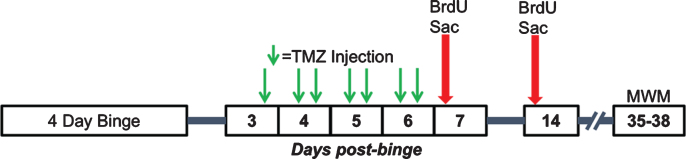
Adult male rats were subjected to 4-day binge alcohol exposure and two approaches were tested to blunt reactive adult neurogenesis, acute doses of alcohol or the chemotherapy drug, temozolomide (TMZ).
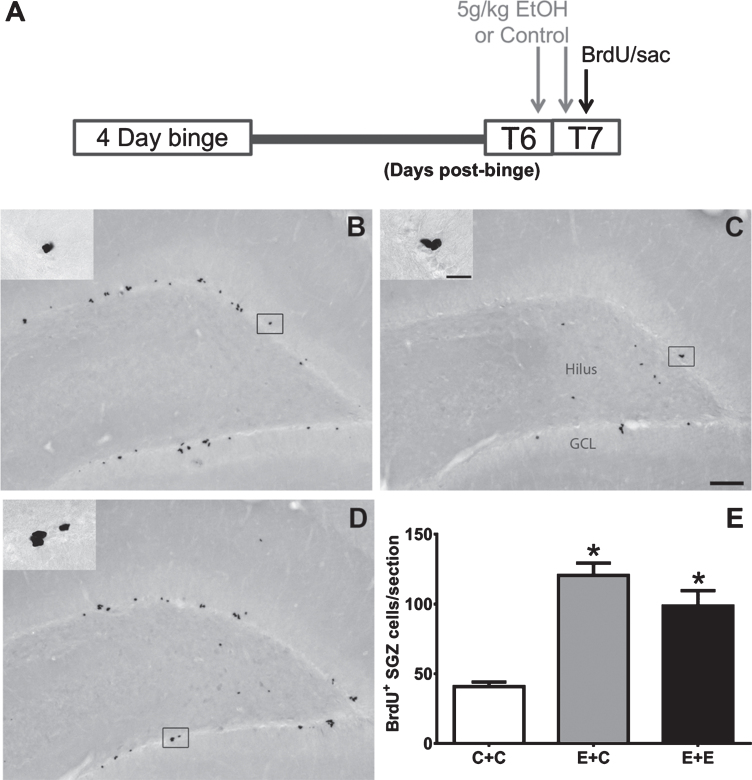
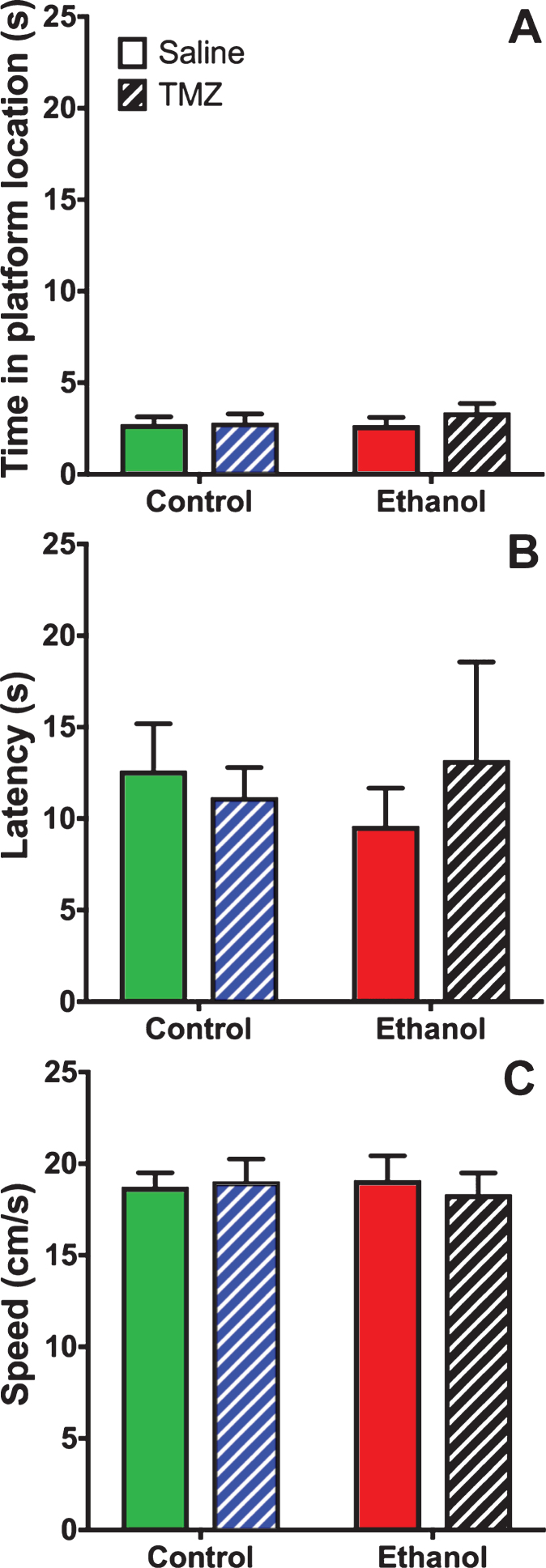
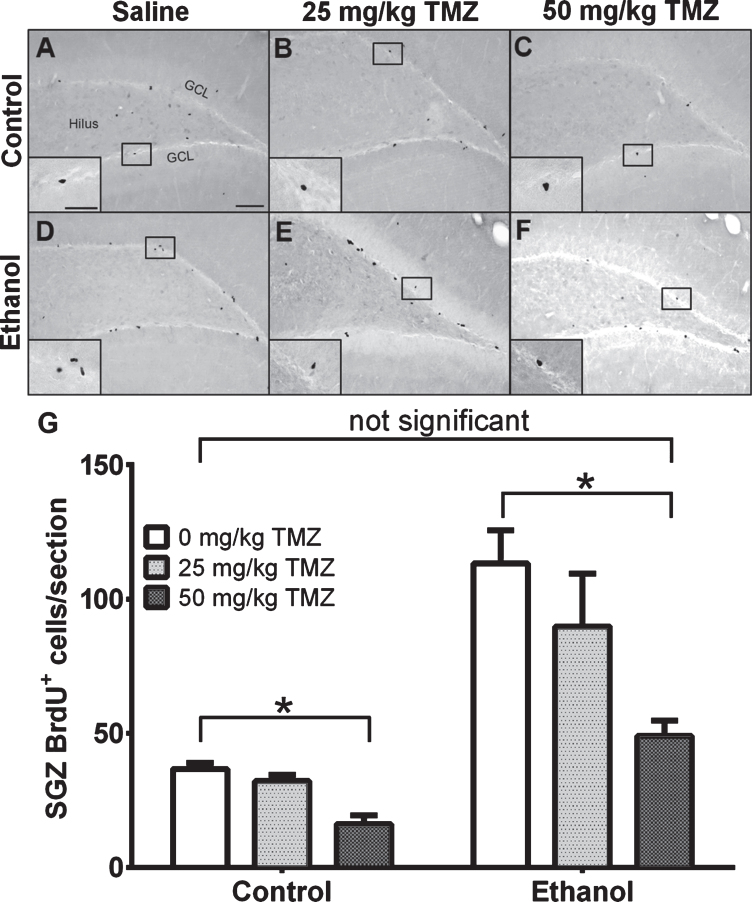
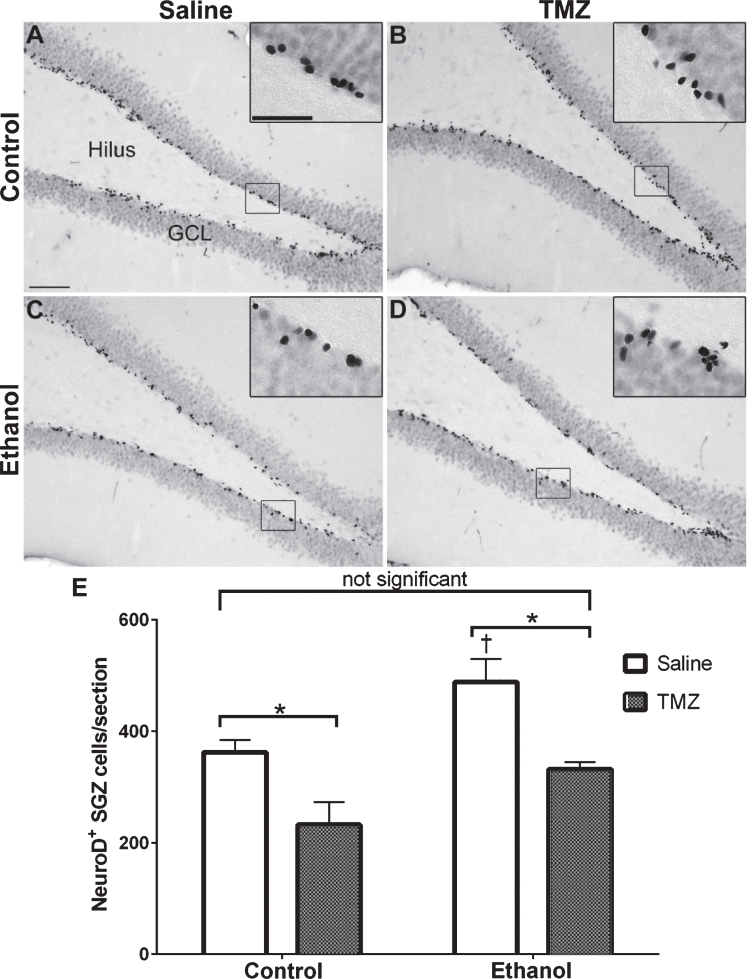
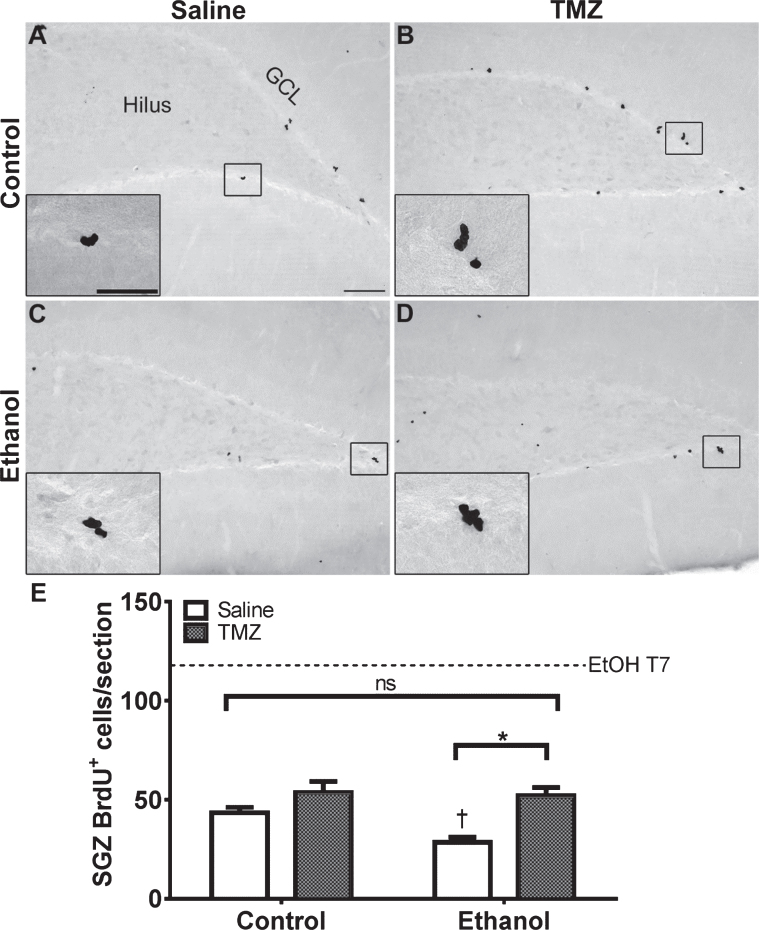
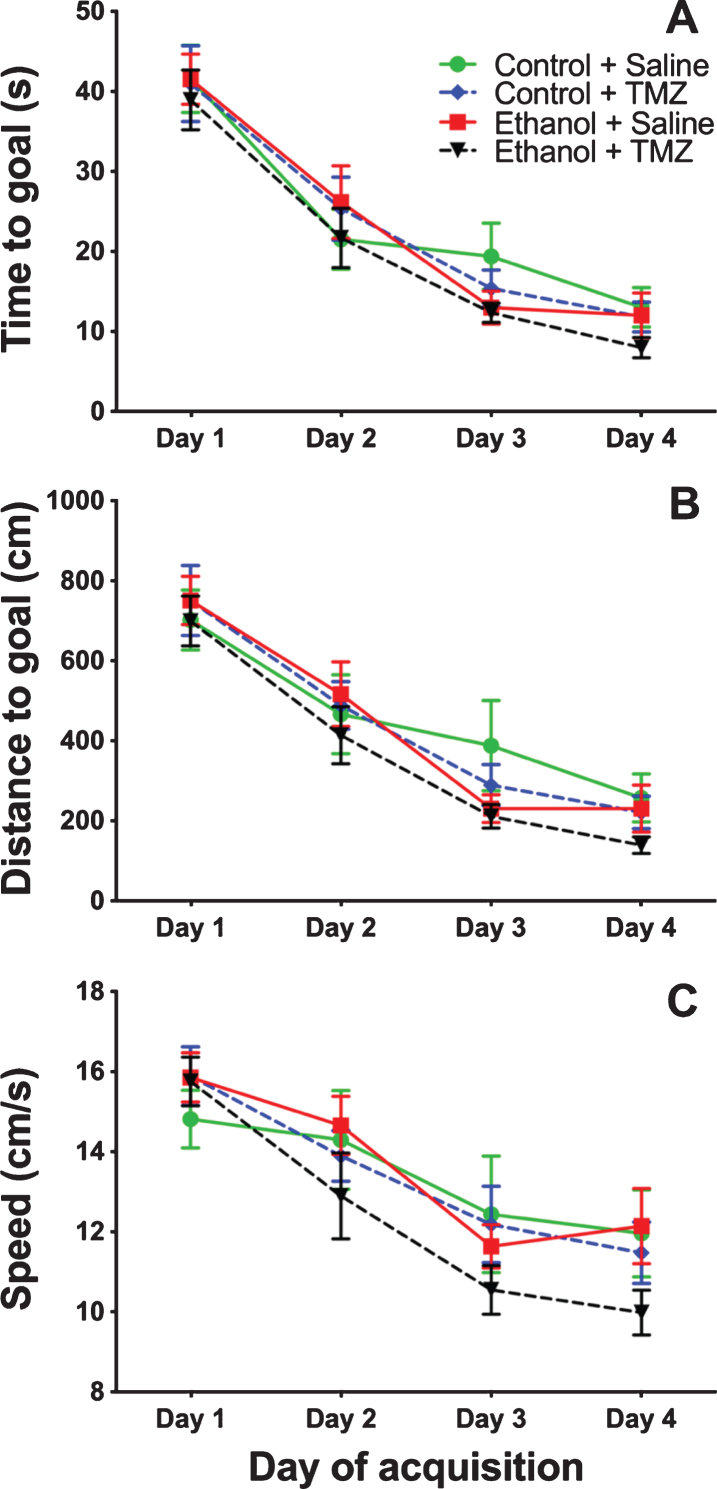
Acute 5 g/kg doses of EtOH gavaged T6 and T7 days post binge did not inhibit significantly the number of Bromodeoxyuridine-positive (BrdU+) proliferating cells in EtOH animals receiving 5 g/kg EtOH versus controls. A single cycle of TMZ inhibited reactive proliferation (BrdU+ cells) and neurogenesis (NeuroD+ cells) to that of controls. However, despite this blunting of reactive neurogenesis to basal levels, EtOH-TMZ rats were not impaired in their recovery of acquisition of the Morris water maze (MWM), learning similarly to all other groups 35 days after 4-day binge exposure.
These studies show that TMZ is effective in decreasing reactive proliferation/neurogenesis following 4-day binge EtOH exposure, and baseline levels of adult neurogenesis are sufficient to allow recovery of hippocampal function.
酒精使用障碍(AUD)中发生的过度饮酒会导致海马体等区域的神经退行性变,不过在一段时间的戒酒之后可能会出现恢复。恢复机制尚不清楚,尽管在酒精依赖后的海马齿状回中观察到反应性神经发生,并且与颗粒细胞数量的恢复相关。
我们研究了反应性神经发生过程中产生的神经元在4天暴饮酒精暴露(一种AUD模型)后海马学习行为恢复中的作用。我们假设减少反应性神经发生会损害功能恢复。
成年雄性大鼠接受4天的暴饮酒精暴露,并测试了两种抑制成年反应性神经发生的方法,即急性剂量的酒精或化疗药物替莫唑胺(TMZ)。
在暴饮后第6天和第7天灌胃给予急性5g/kg剂量的乙醇,与对照组相比,接受5g/kg乙醇的乙醇处理动物中,5-溴脱氧尿苷阳性(BrdU+)增殖细胞的数量没有受到显著抑制。单周期的TMZ将反应性增殖(BrdU+细胞)和神经发生(NeuroD+细胞)抑制到对照组水平。然而,尽管反应性神经发生被减弱到基础水平,但乙醇-TMZ组大鼠在莫里斯水迷宫(MWM)获取能力的恢复方面并未受损,在4天暴饮暴露35天后,其学习情况与所有其他组相似。
这些研究表明,TMZ在4天暴饮乙醇暴露后可有效降低反应性增殖/神经发生,并且成年神经发生的基线水平足以使海马功能恢复。