GlaxoSmithKline, Clinical Unit Cambridge, Addenbrooke's Hospital, Cambridge, United Kingdom.
Department of Medicine, University of Cambridge, Cambridge, United Kingdom.
PLoS One. 2021 Mar 8;16(3):e0247972. doi: 10.1371/journal.pone.0247972. eCollection 2021.
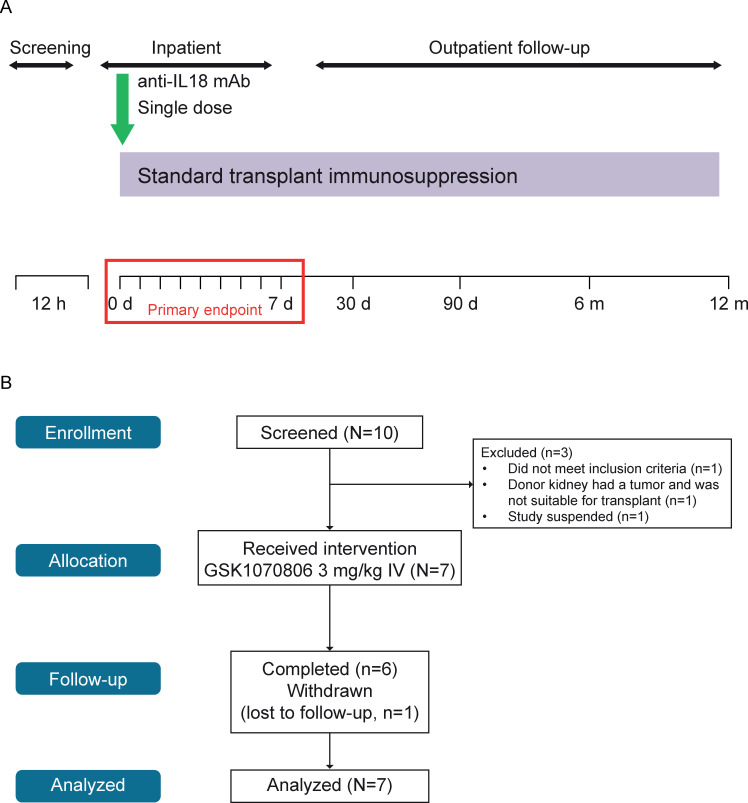
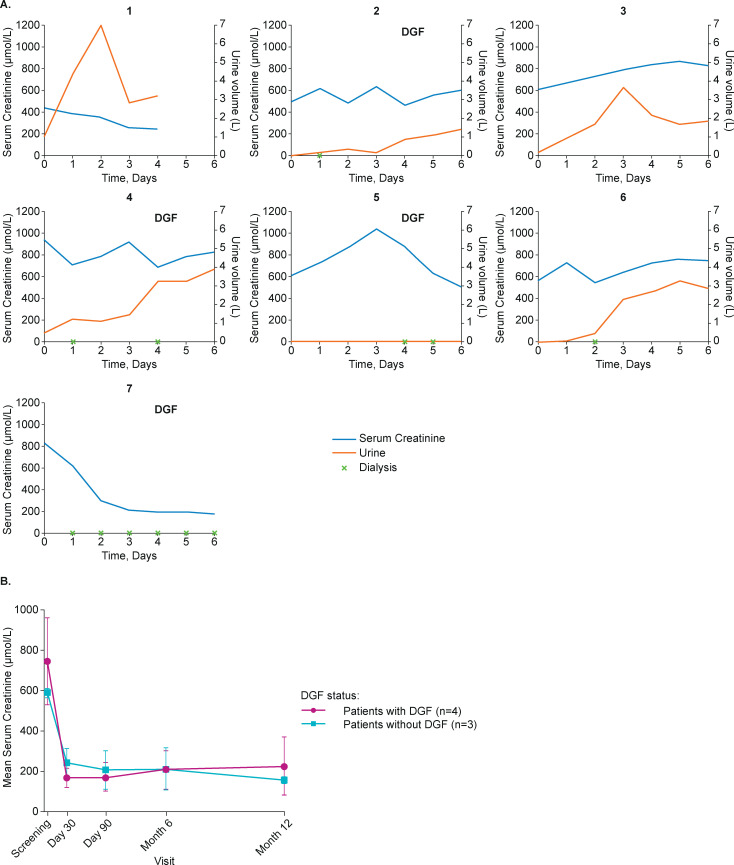
Delayed graft function (DGF) following renal transplantation is a manifestation of acute kidney injury (AKI) leading to poor long-term outcome. Current treatments have limited effectiveness in preventing DGF. Interleukin-18 (IL18), a biomarker of AKI, induces interferon-γ expression and immune activation. GSK1070806, an anti-IL18 monoclonal antibody, neutralizes activated (mature) IL18 released from damaged cells following inflammasome activation. This phase IIa, single-arm trial assessed the effect of a single dose of GSK1070806 on DGF occurrence post donation after circulatory death (DCD) kidney transplantation.
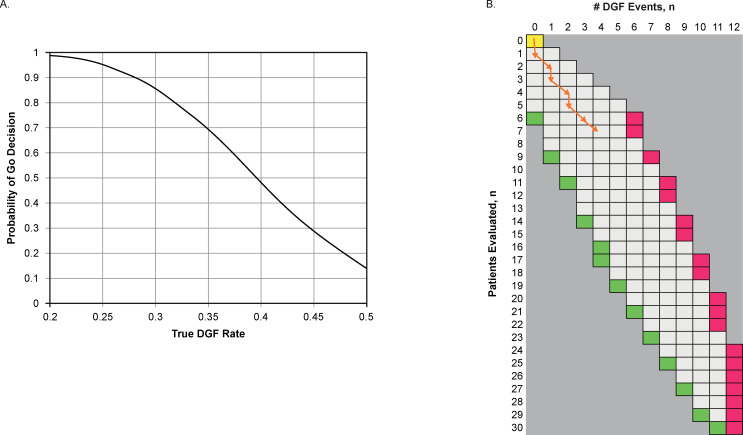
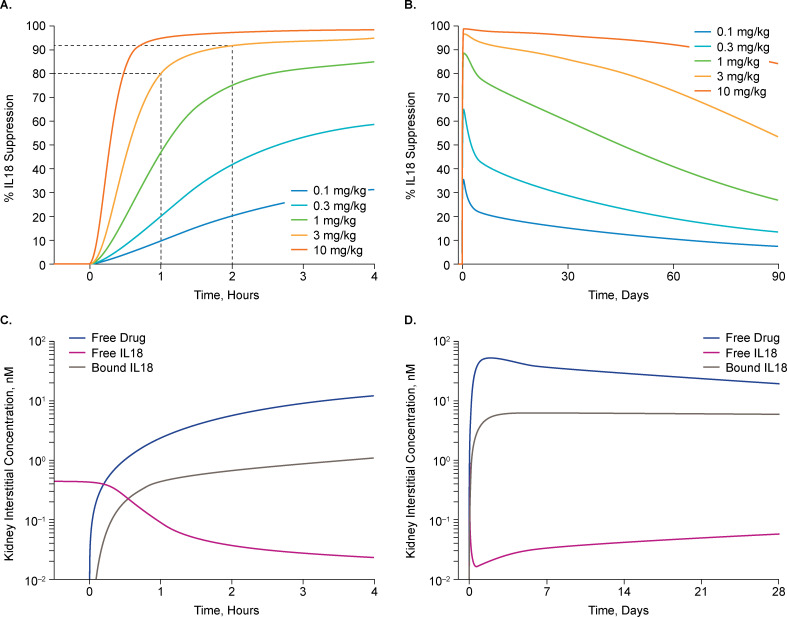
The 3 mg/kg intravenous dose was selected based on prior studies and physiologically based pharmacokinetic (PBPK) modeling, indicating the high likelihood of a rapid and high level of IL18 target engagement when administered prior to kidney allograft reperfusion. Utilization of a Bayesian sequential design with a background standard-of-care DGF rate of 50% based on literature, and confirmed via extensive registry data analyses, enabled a statistical efficacy assessment with a minimal sample size. The primary endpoint was DGF frequency, defined as dialysis requirement ≤7 days post transplantation (except for hyperkalemia). Secondary endpoints included safety, pharmacokinetics and pharmacodynamic biomarkers.
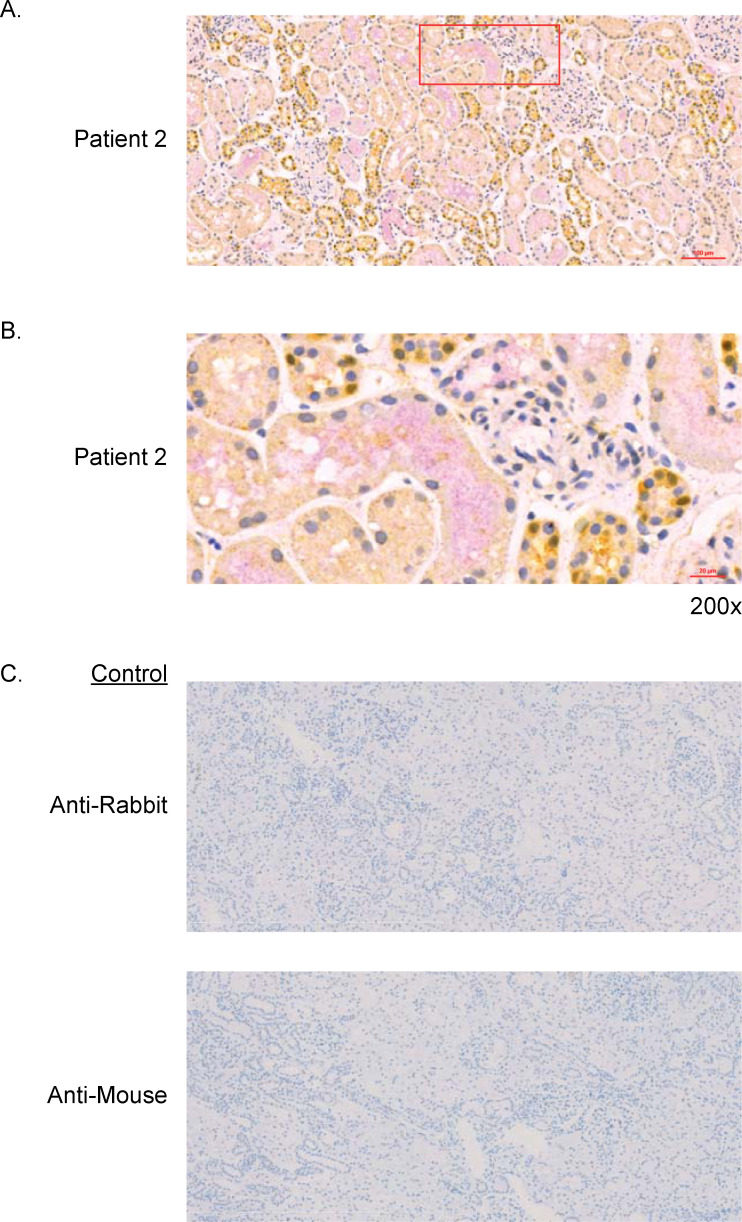
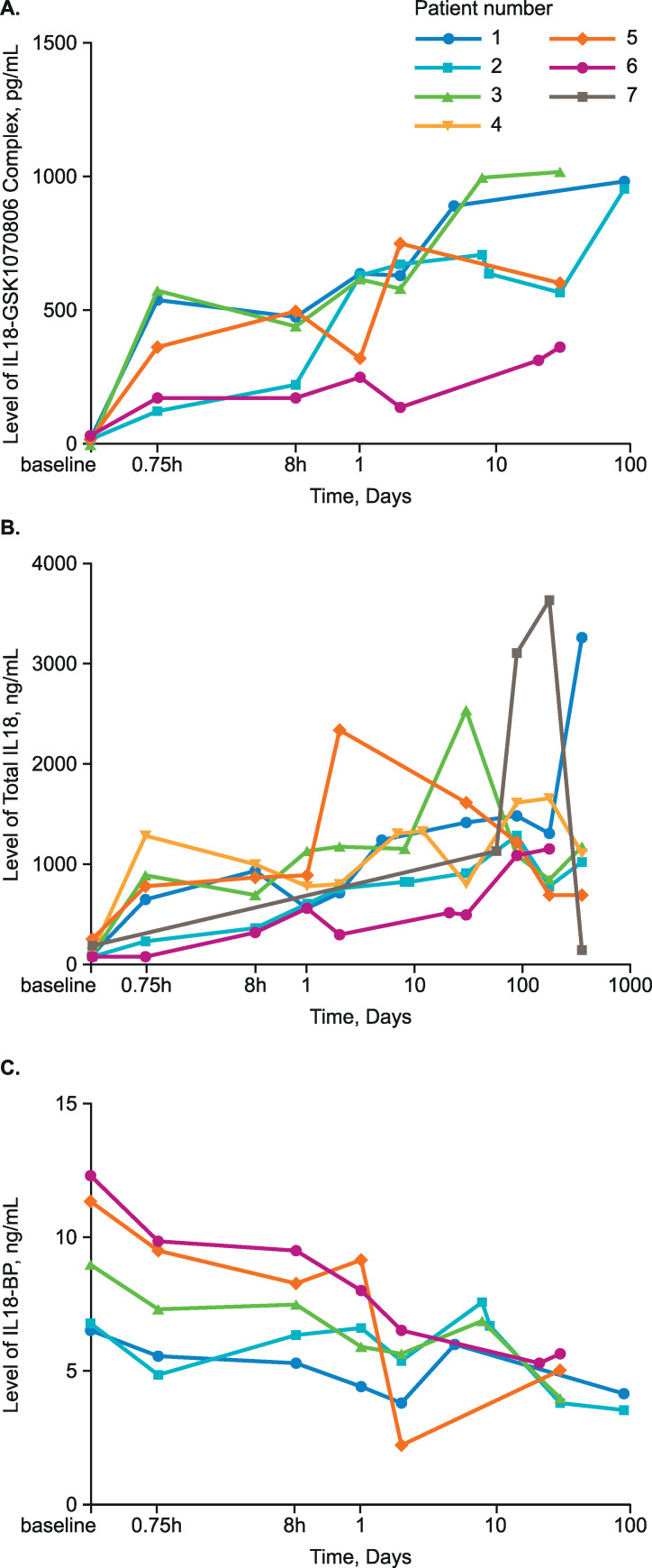
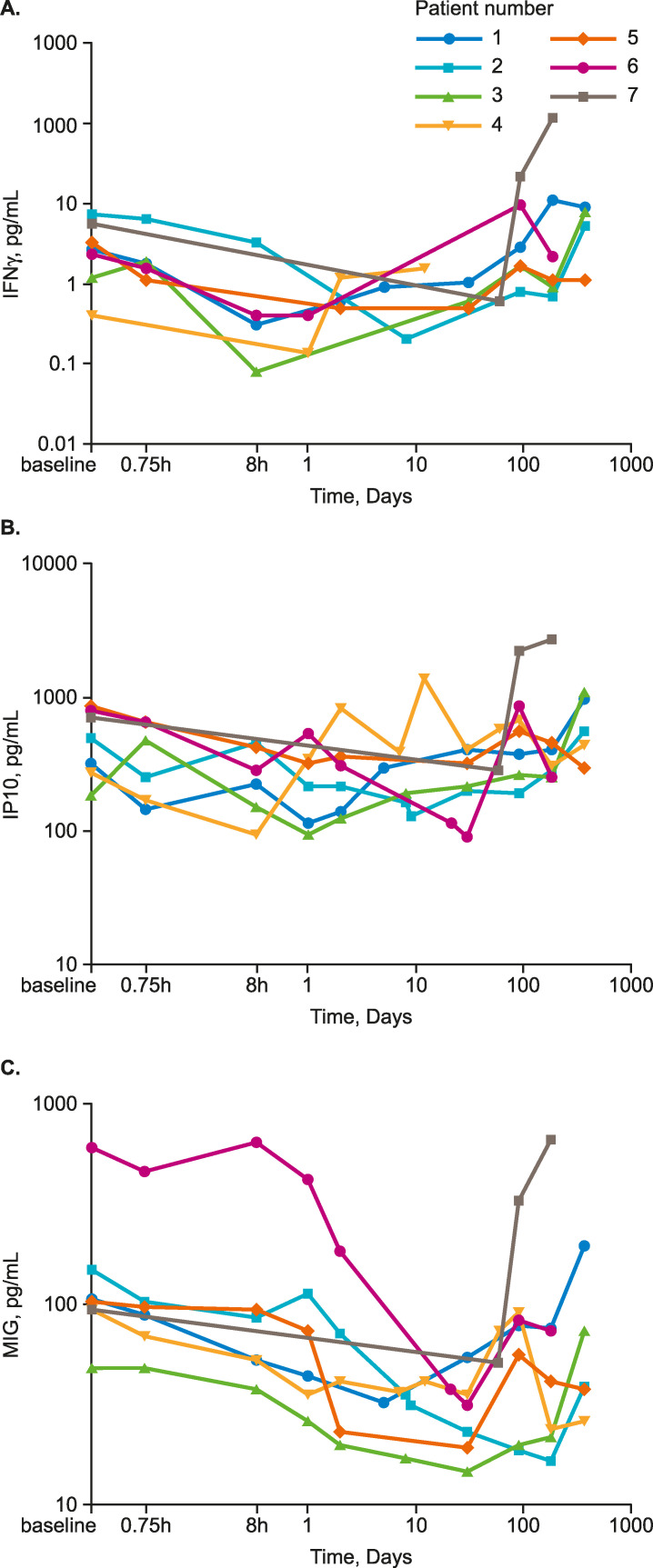
GSK1070806 administration was associated with IL18-GSK1070806 complex detection and increased total serum IL18 levels due to IL18 half-life prolongation induced by GSK1070806 binding. Interferon-γ-induced chemokine levels declined or remained unchanged in most patients. Although the study was concluded prior to the Bayesian-defined stopping point, 4/7 enrolled patients (57%) had DGF, exceeding the 50% standard-of-care rate, and an additional two patients, although not reaching the protocol-defined DGF definition, demonstrated poor graft function. Six of seven patients experienced serious adverse events (SAEs), including two treatment-related SAEs.
Overall, using a Bayesian design and extensive PBPK dose modeling with only a small sample size, it was deemed unlikely that GSK1070806 would be efficacious in preventing DGF in the enrolled DCD transplant population.
NCT02723786.
肾移植后延迟移植物功能(DGF)是急性肾损伤(AKI)的表现,导致预后不良。目前的治疗方法在预防 DGF 方面效果有限。白细胞介素 18(IL18)是 AKI 的生物标志物,可诱导干扰素-γ的表达和免疫激活。GSK1070806 是一种抗白细胞介素 18 的单克隆抗体,可中和细胞损伤后炎症小体激活释放的活化(成熟)IL18。这项 IIa 期、单臂试验评估了单次剂量 GSK1070806 对心脏死亡后供肾移植(DCD)后发生 DGF 的影响。
根据先前的研究和基于生理的药代动力学(PBPK)建模,选择了 3mg/kg 的静脉剂量,表明在肾移植再灌注前给药时,IL18 靶标快速且高水平结合的可能性很高。利用基于文献的背景标准护理 DGF 率为 50%的贝叶斯序贯设计,以及通过广泛的登记数据分析证实,可在最小样本量的情况下进行统计学疗效评估。主要终点是 DGF 频率,定义为移植后≤7 天需要透析(除高钾血症外)。次要终点包括安全性、药代动力学和药效学生物标志物。
GSK1070806 给药与 IL18-GSK1070806 复合物的检测相关,并由于 GSK1070806 结合导致 IL18 半衰期延长而导致总血清 IL18 水平升高。在大多数患者中,干扰素-γ诱导的趋化因子水平下降或保持不变。尽管该研究在贝叶斯定义的停止点之前结束,但 7 名入组患者中有 4 名(57%)发生 DGF,超过了标准护理的 50%发生率,另外两名患者虽然未达到方案定义的 DGF 定义,但显示移植物功能不良。7 名患者中有 6 名发生严重不良事件(SAE),包括 2 例与治疗相关的 SAE。
总的来说,使用贝叶斯设计和基于 PBPK 的小样本量剂量建模,GSK1070806 不太可能在入组的 DCD 移植人群中有效预防 DGF。
NCT02723786。