Centre Scientifique de Monaco, 8 quai Antoine 1er, 98000, Monaco, Monaco.
Sorbonne Université, Collège Doctoral, F-75005, Paris, France.
BMC Mol Cell Biol. 2021 Mar 8;22(1):18. doi: 10.1186/s12860-021-00353-x.
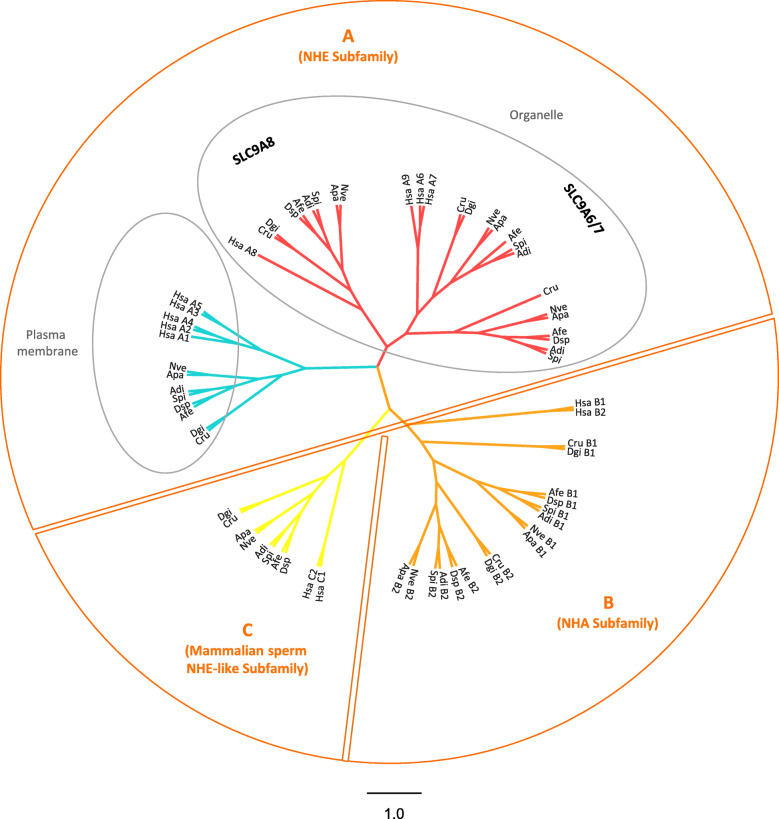
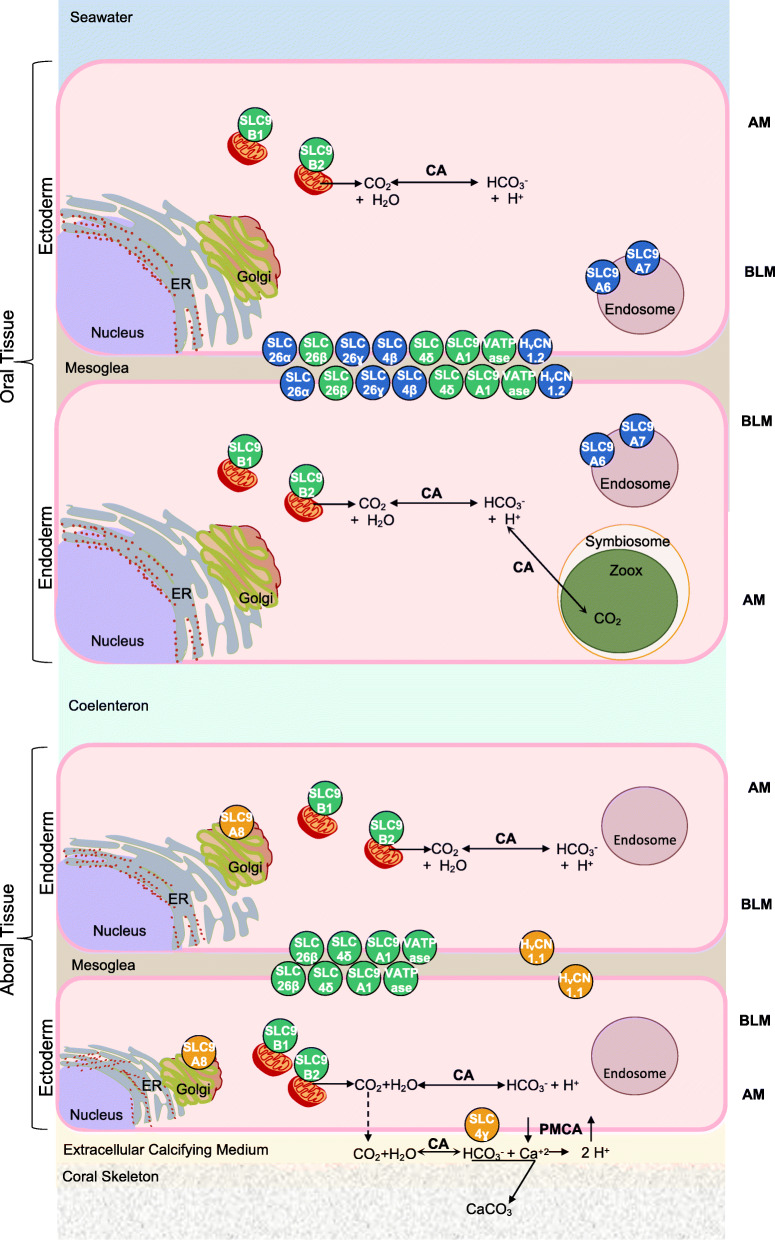
Reef-building corals regularly experience changes in intra- and extracellular H concentrations ([H]) due to physiological and environmental processes. Stringent control of [H] is required to maintain the homeostatic acid-base balance in coral cells and is achieved through the regulation of intracellular pH (pH). This task is especially challenging for reef-building corals that share an endosymbiotic relationship with photosynthetic dinoflagellates (family Symbiodinaceae), which significantly affect the pH of coral cells. Despite their importance, the pH regulatory proteins involved in the homeostatic acid-base balance have been scarcely investigated in corals. Here, we report in the coral Stylophora pistillata a full characterization of the genomic structure, domain topology and phylogeny of three major H transporter families that are known to play a role in the intracellular pH regulation of animal cells; we investigated their tissue-specific expression patterns and assessed the effect of seawater acidification on their expression levels.
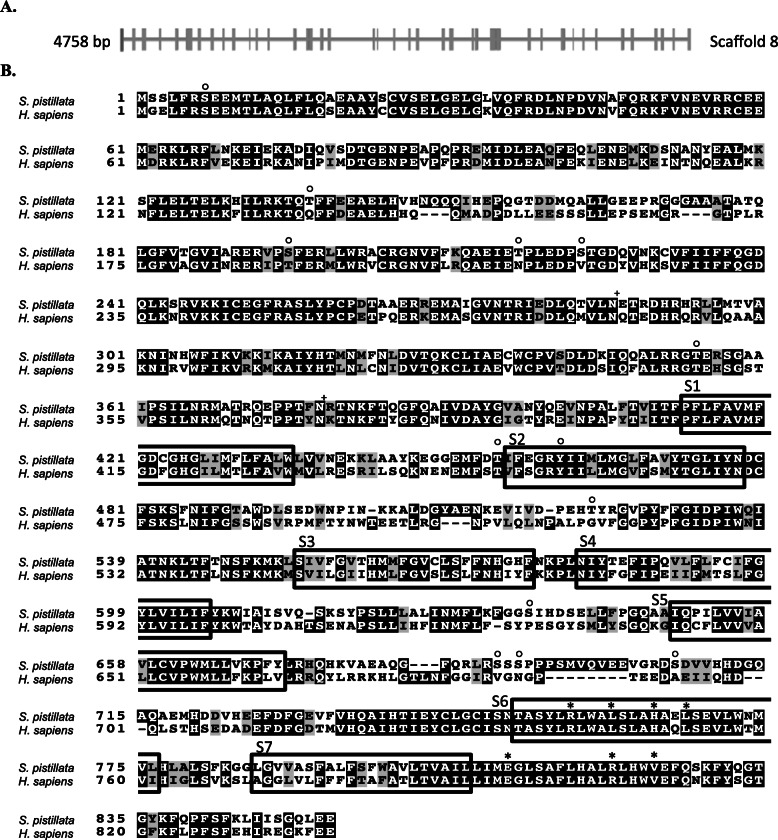
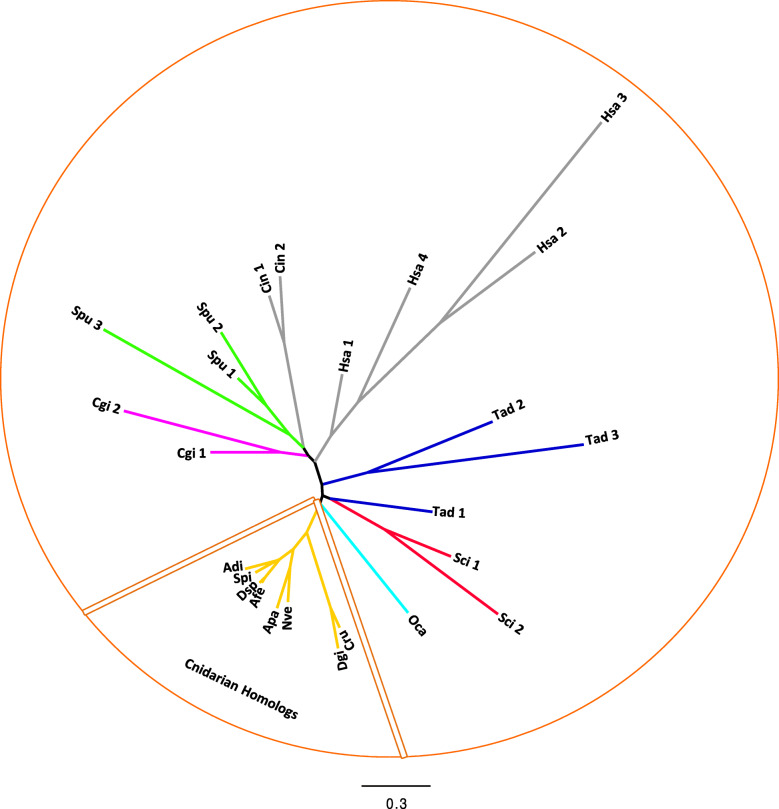
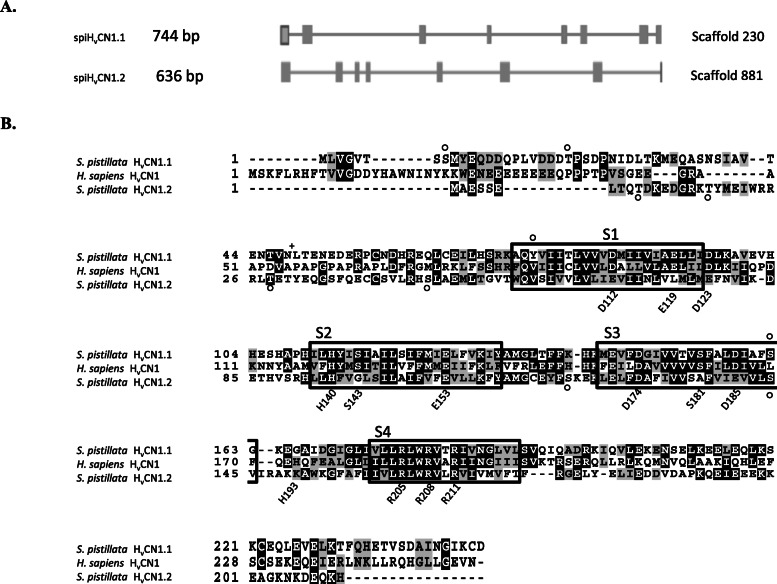
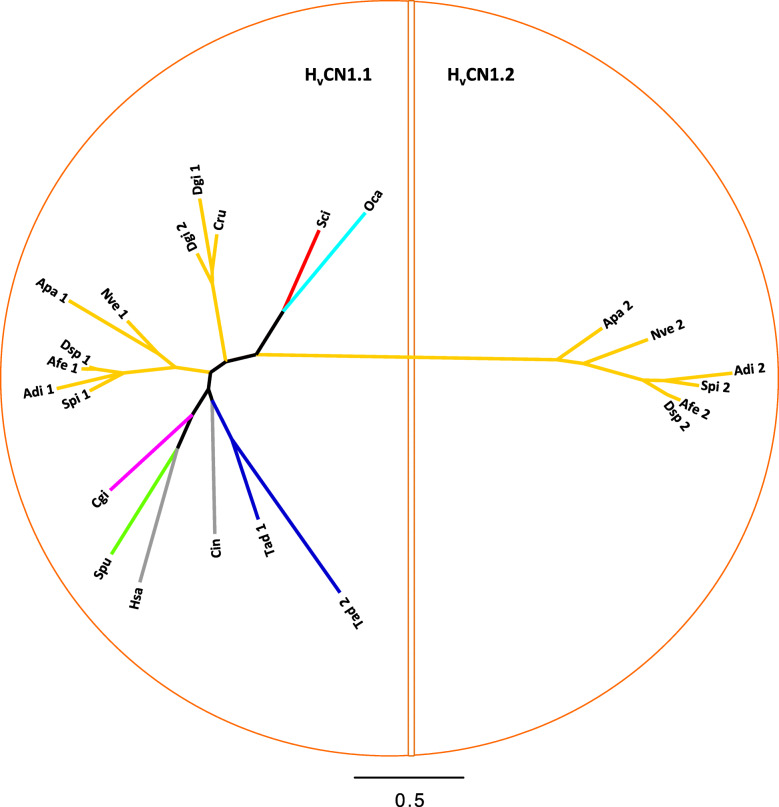
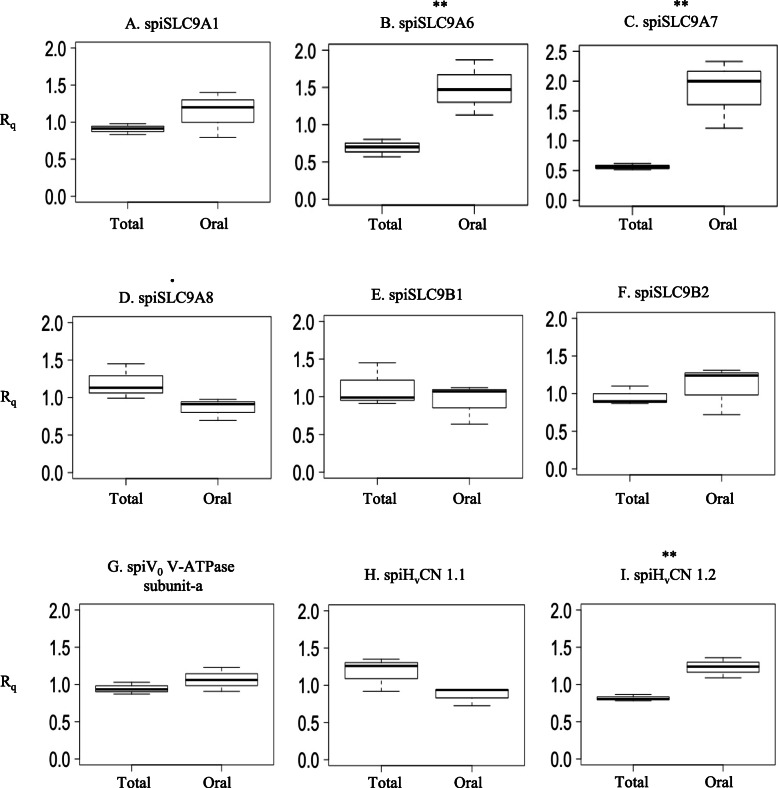
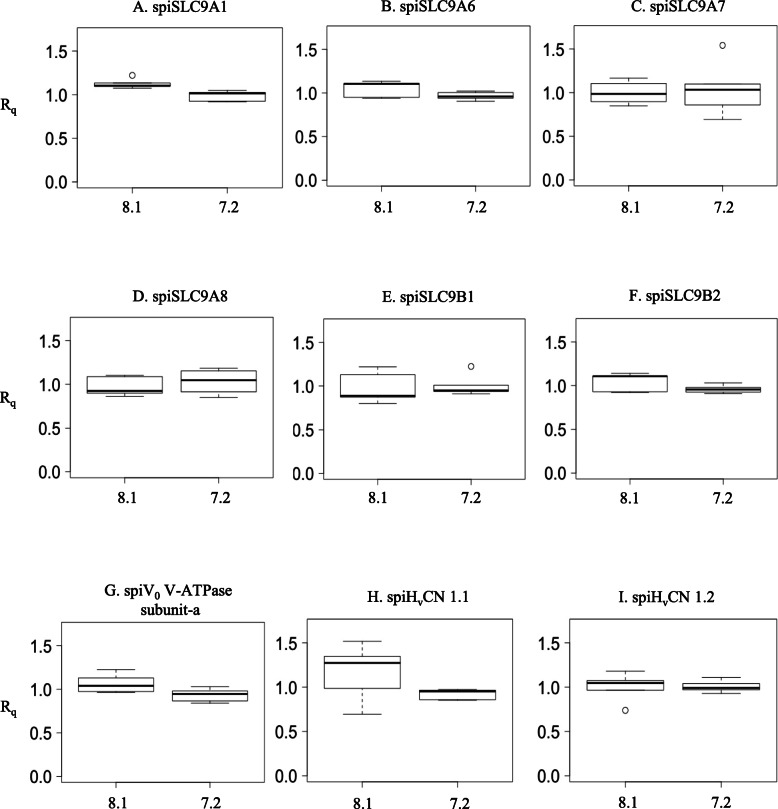
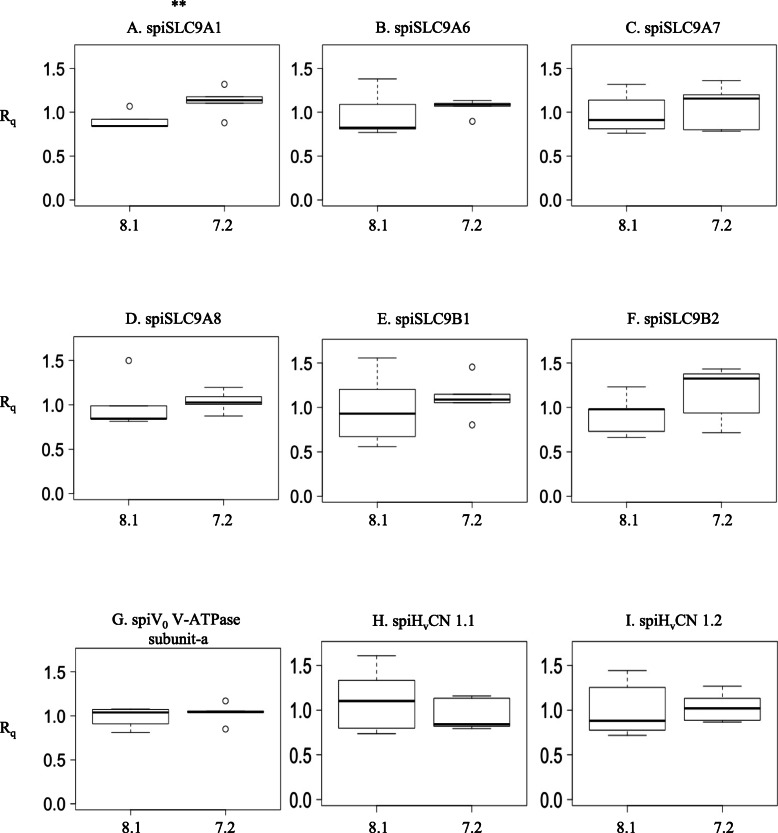
We identified members of the Na/H exchanger (SLC9), vacuolar-type electrogenic H-ATP hydrolase (V-ATPase) and voltage-gated proton channel (HCN) families in the genome and transcriptome of S. pistillata. In addition, we identified a novel member of the HCN gene family in the cnidarian subclass Hexacorallia that has not been previously described in any species. We also identified key residues that contribute to H transporter substrate specificity, protein function and regulation. Last, we demonstrated that some of these proteins have different tissue expression patterns, and most are unaffected by exposure to seawater acidification.
In this study, we provide the first characterization of H transporters that might contribute to the homeostatic acid-base balance in coral cells. This work will enrich the knowledge of the basic aspects of coral biology and has important implications for our understanding of how corals regulate their intracellular environment.
造礁珊瑚经常经历细胞内外 H 浓度 ([H]) 的变化,这是由于生理和环境过程。为了维持珊瑚细胞的酸碱平衡,需要严格控制 [H],这是通过调节细胞内 pH(pH)来实现的。对于与光合甲藻(Symbiodinaceae 科)共生的造礁珊瑚来说,这是一项特别具有挑战性的任务,因为这些共生藻会显著影响珊瑚细胞的 pH。尽管它们很重要,但在珊瑚中,参与酸碱平衡的稳态 pH 调节蛋白的研究甚少。在这里,我们在珊瑚 Stylophora pistillata 中报告了三个主要 H 转运家族的基因组结构、结构域拓扑和系统发育的全面特征,这些家族已知在动物细胞的细胞内 pH 调节中发挥作用;我们研究了它们的组织特异性表达模式,并评估了海水酸化对它们表达水平的影响。
我们在 S. pistillata 的基因组和转录组中鉴定了 Na/H 交换体(SLC9)、液泡型电致 H-ATP 水解酶(V-ATPase)和电压门控质子通道(HCN)家族的成员。此外,我们在六放珊瑚亚纲的刺胞动物子类中鉴定了 HCN 基因家族的一个新成员,该成员以前在任何物种中都没有描述过。我们还鉴定了一些对 H 转运蛋白底物特异性、蛋白功能和调节有贡献的关键残基。最后,我们证明了这些蛋白质中的一些在不同的组织中有不同的表达模式,而且大多数不受暴露于海水酸化的影响。
在这项研究中,我们首次对可能有助于珊瑚细胞酸碱平衡的 H 转运蛋白进行了描述。这项工作丰富了珊瑚生物学基础方面的知识,对我们理解珊瑚如何调节其细胞内环境具有重要意义。