Department of Plant Molecular Biology, University of Lausanne, Lausanne, Switzerland.
Laboratory of Cell and Molecular Biology, Institute of Biology, University of Neuchâtel, Neuchâtel, Switzerland.
Nat Plants. 2021 Mar;7(3):353-364. doi: 10.1038/s41477-021-00862-9. Epub 2021 Mar 8.
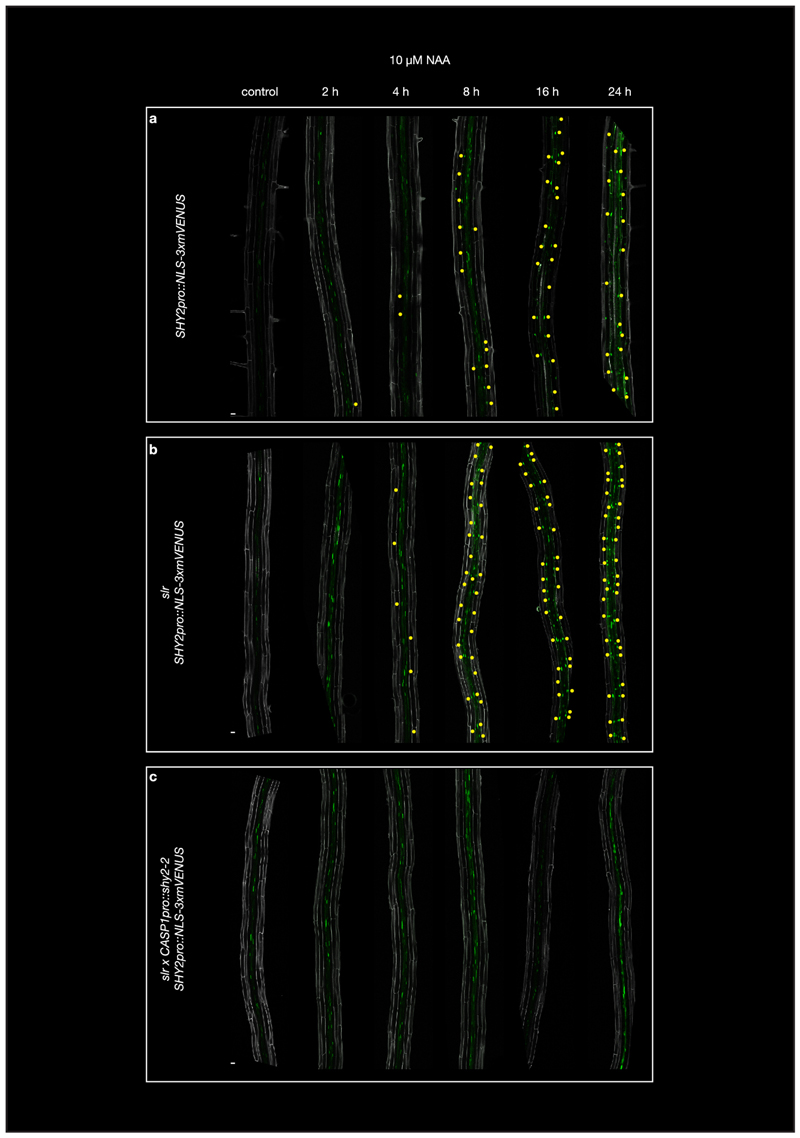
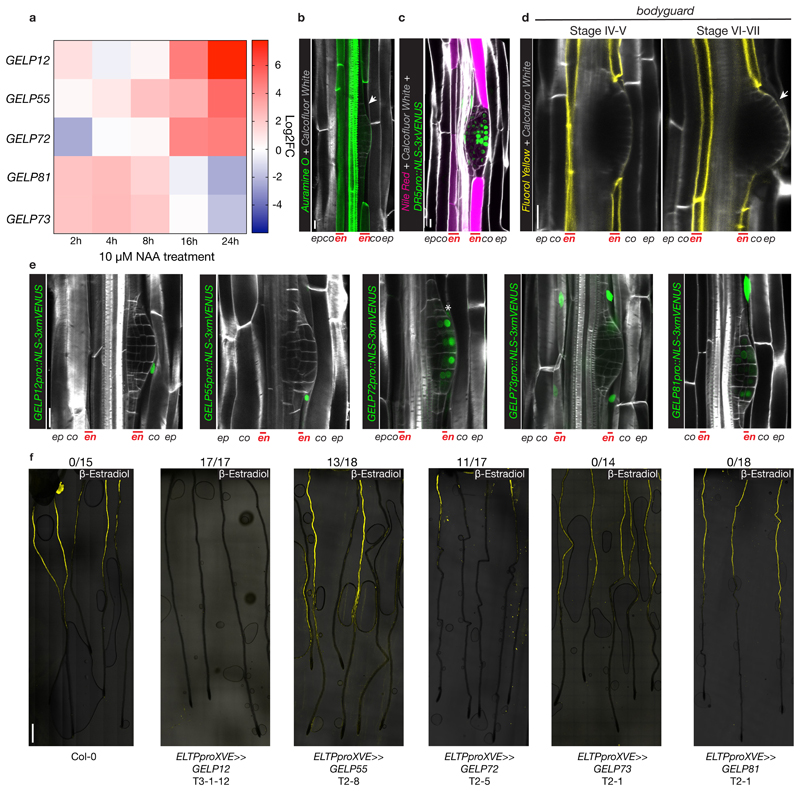
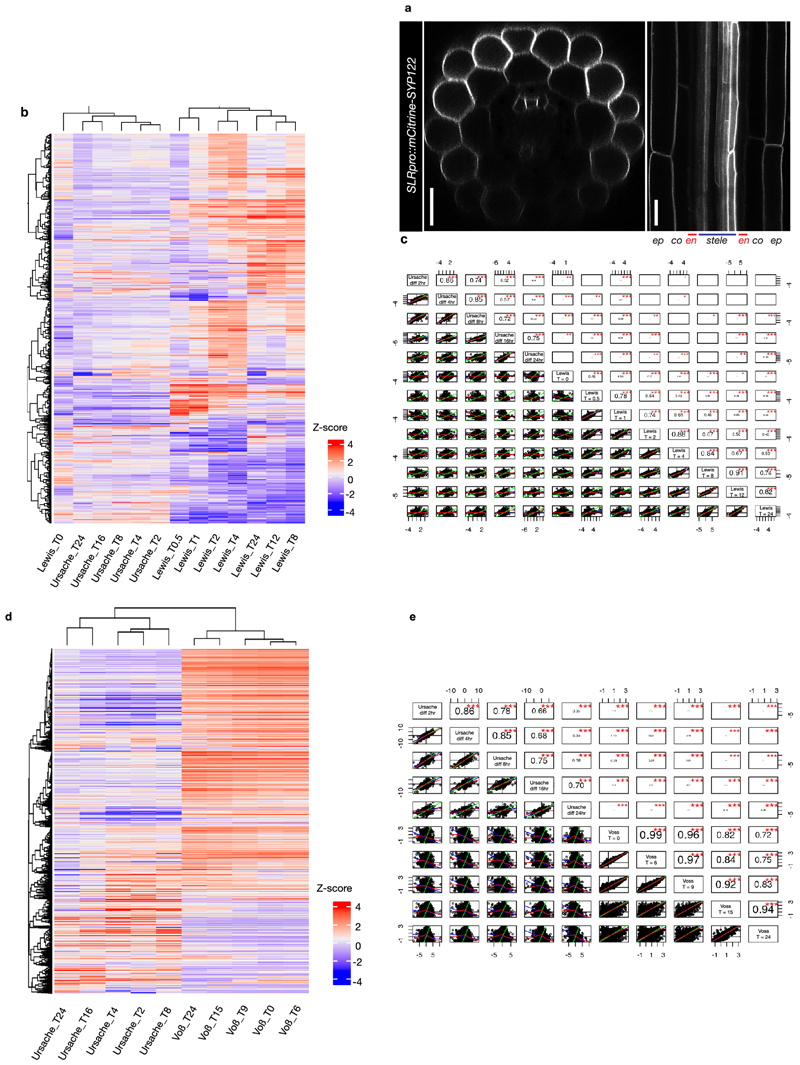
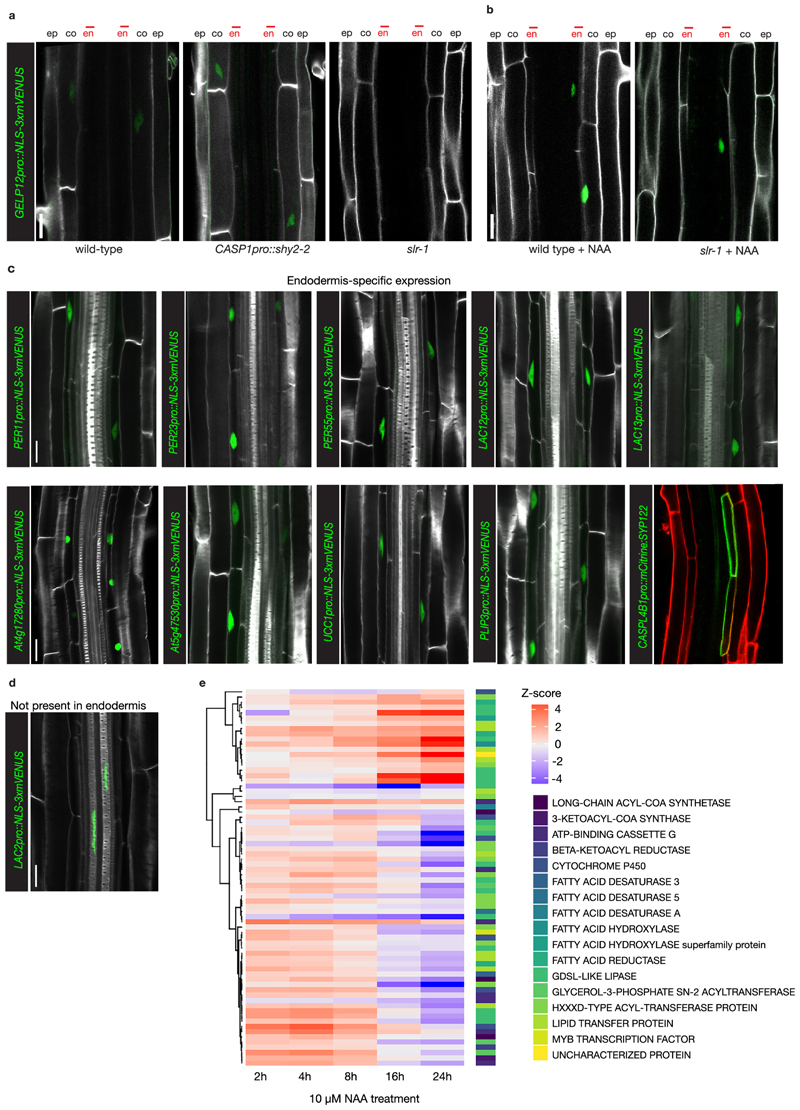
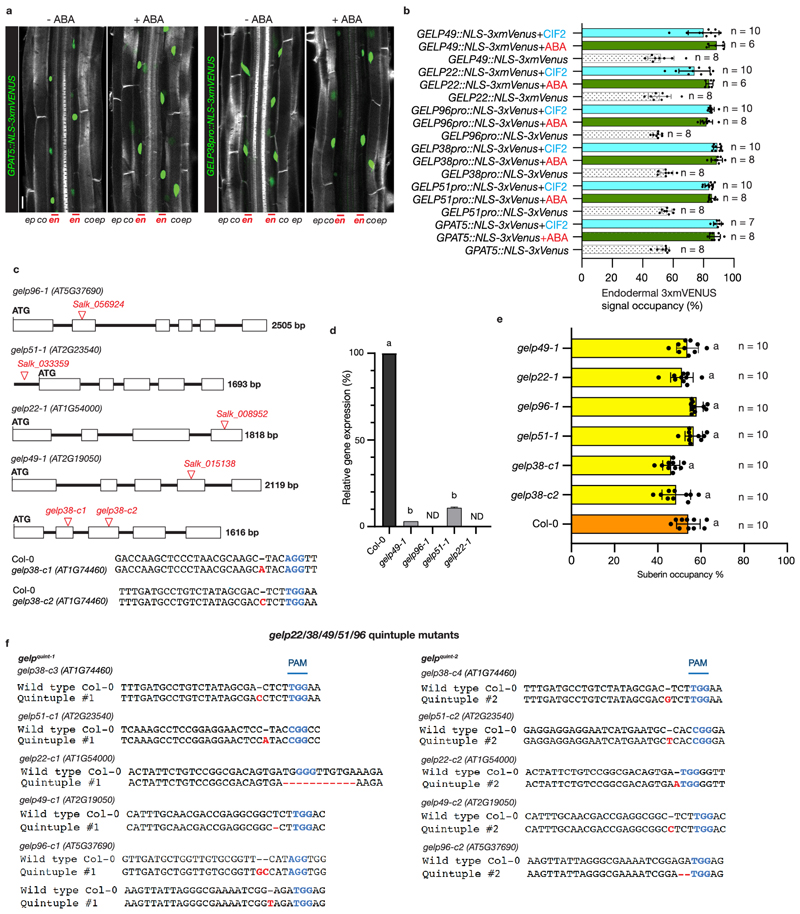
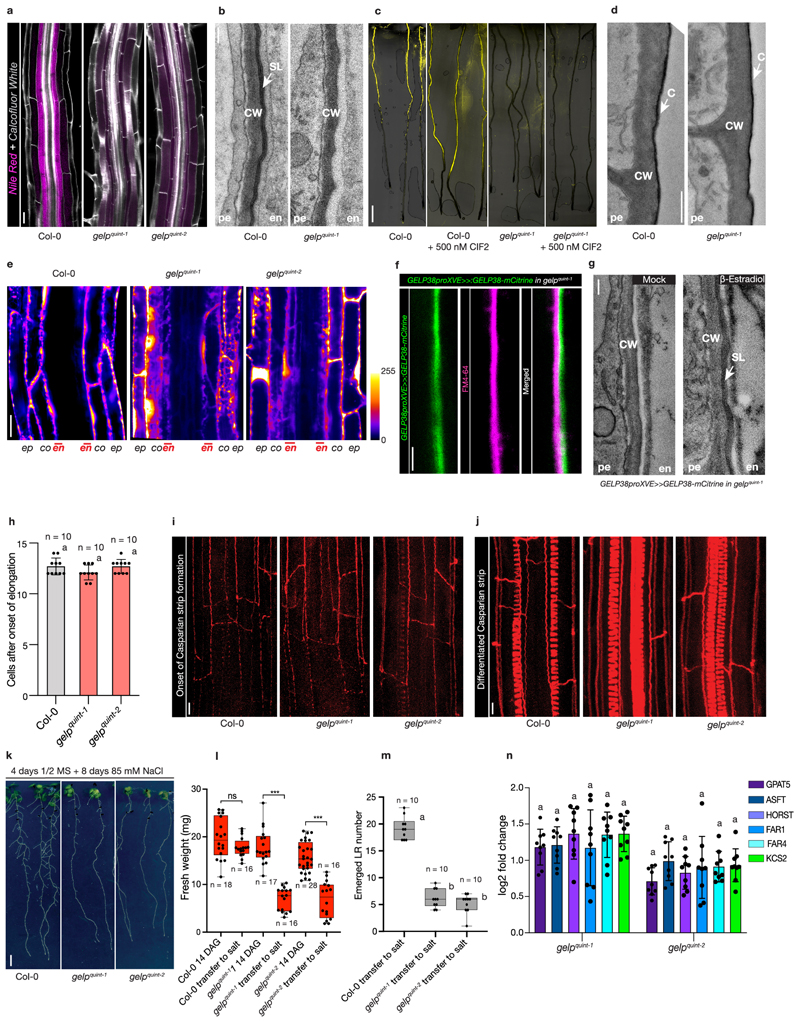
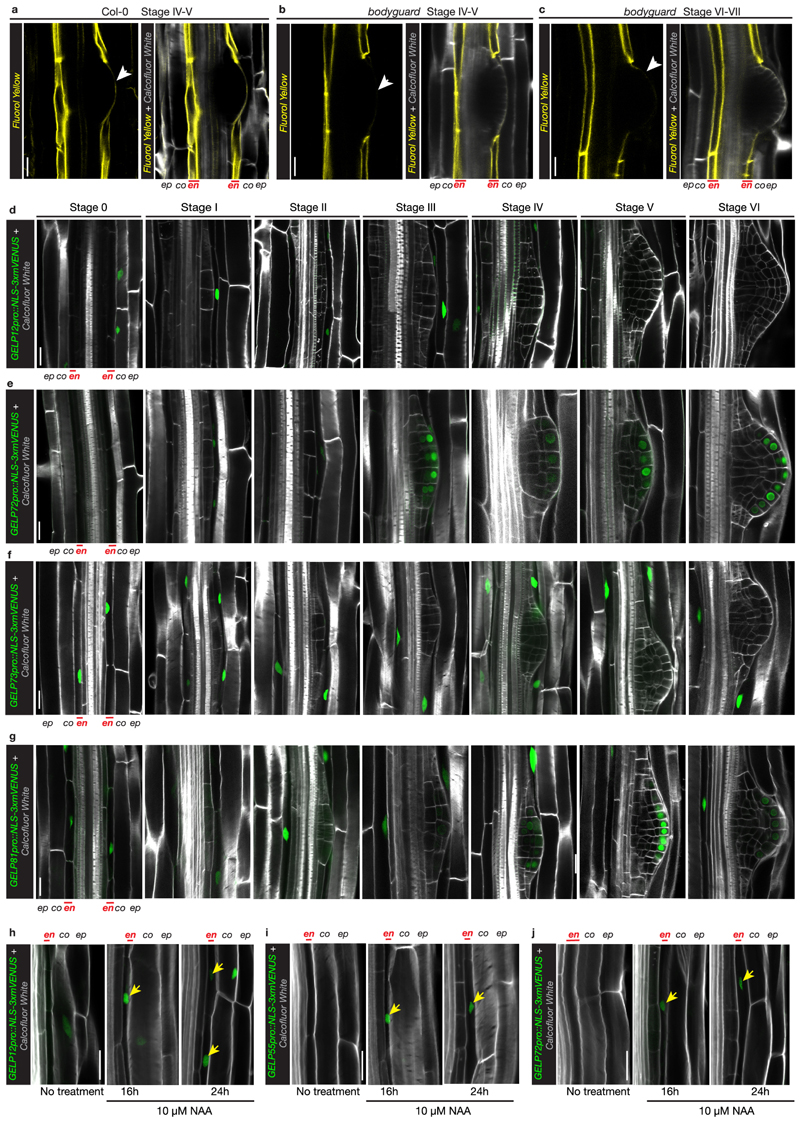
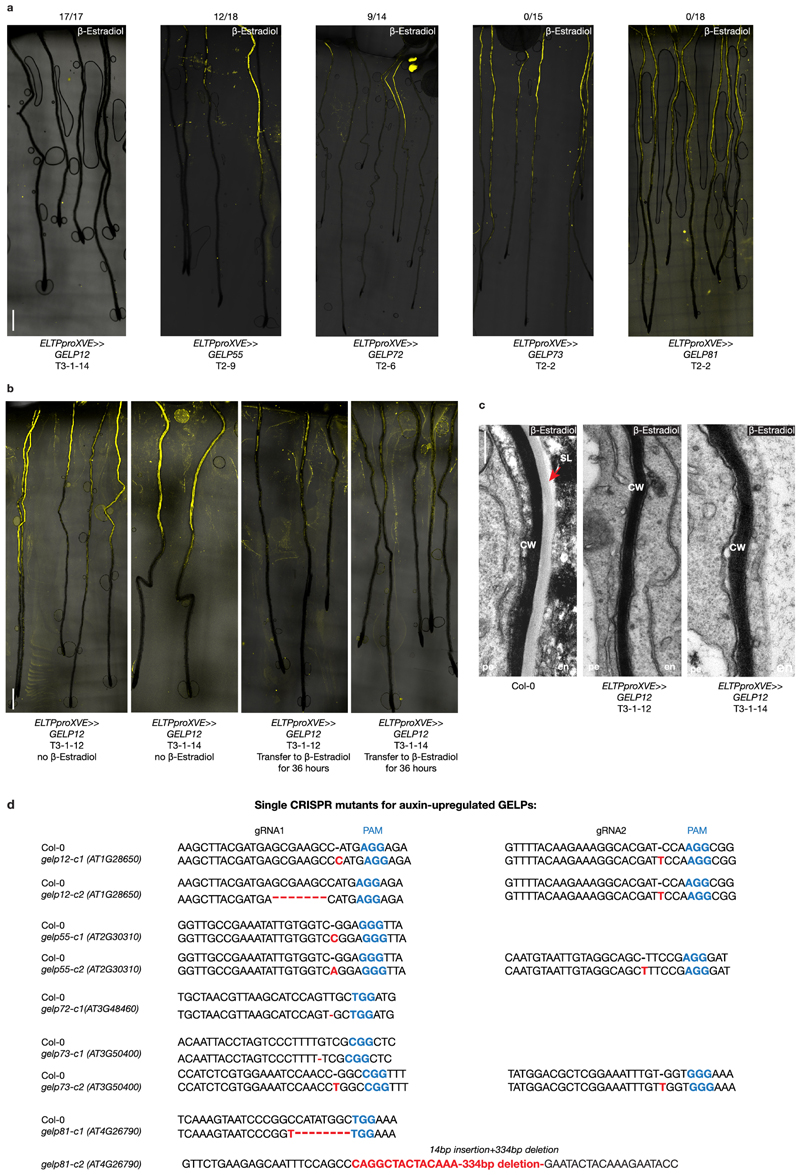
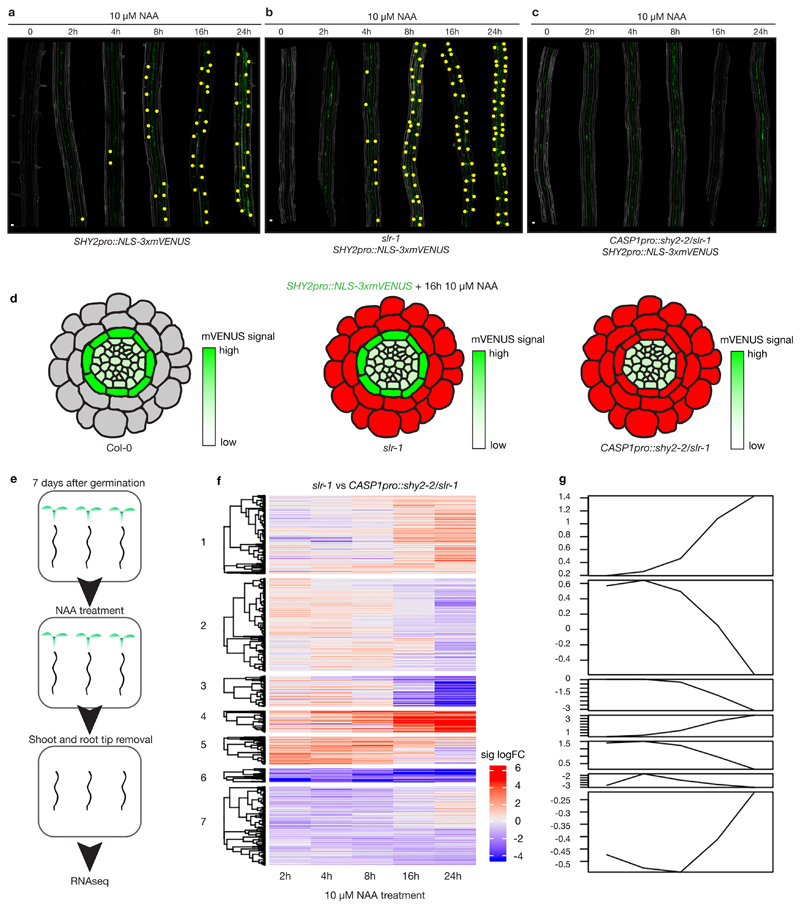
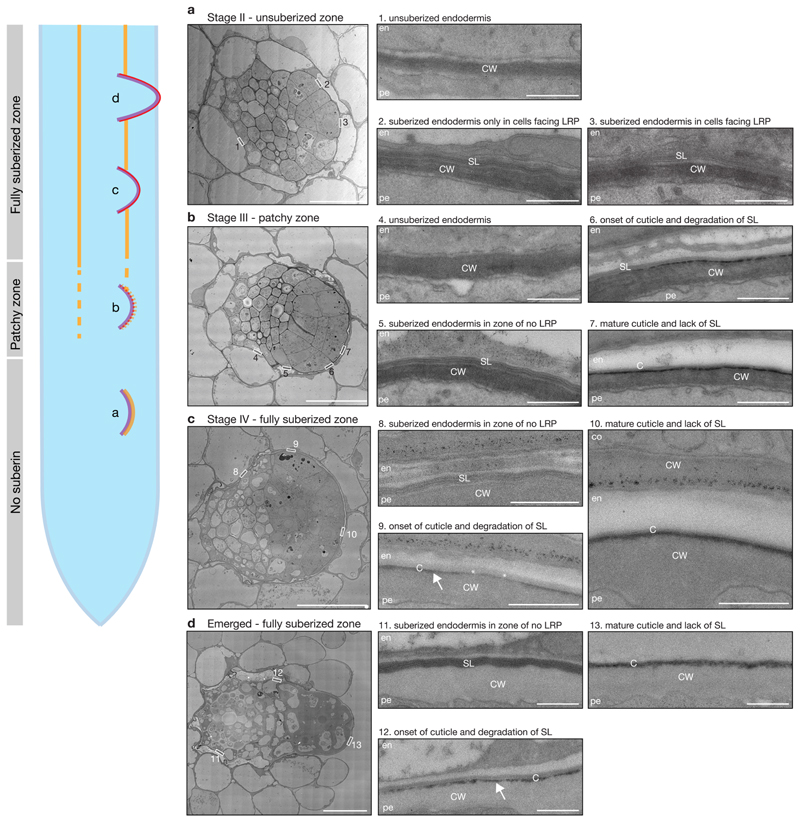
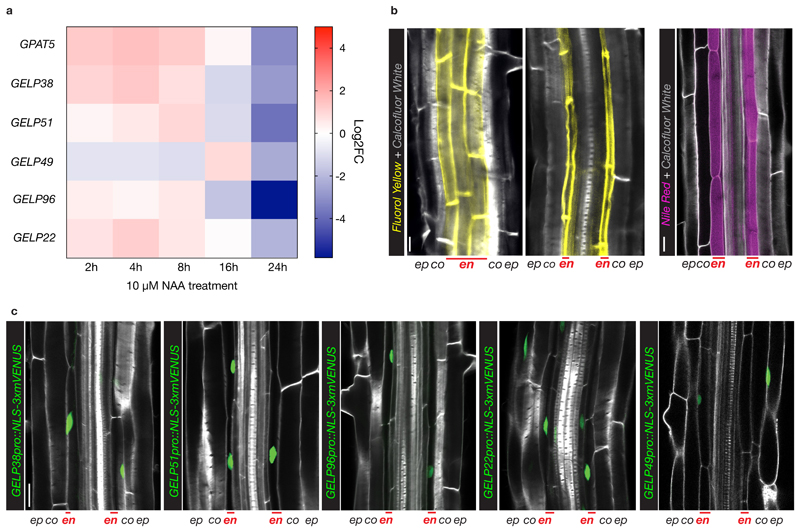
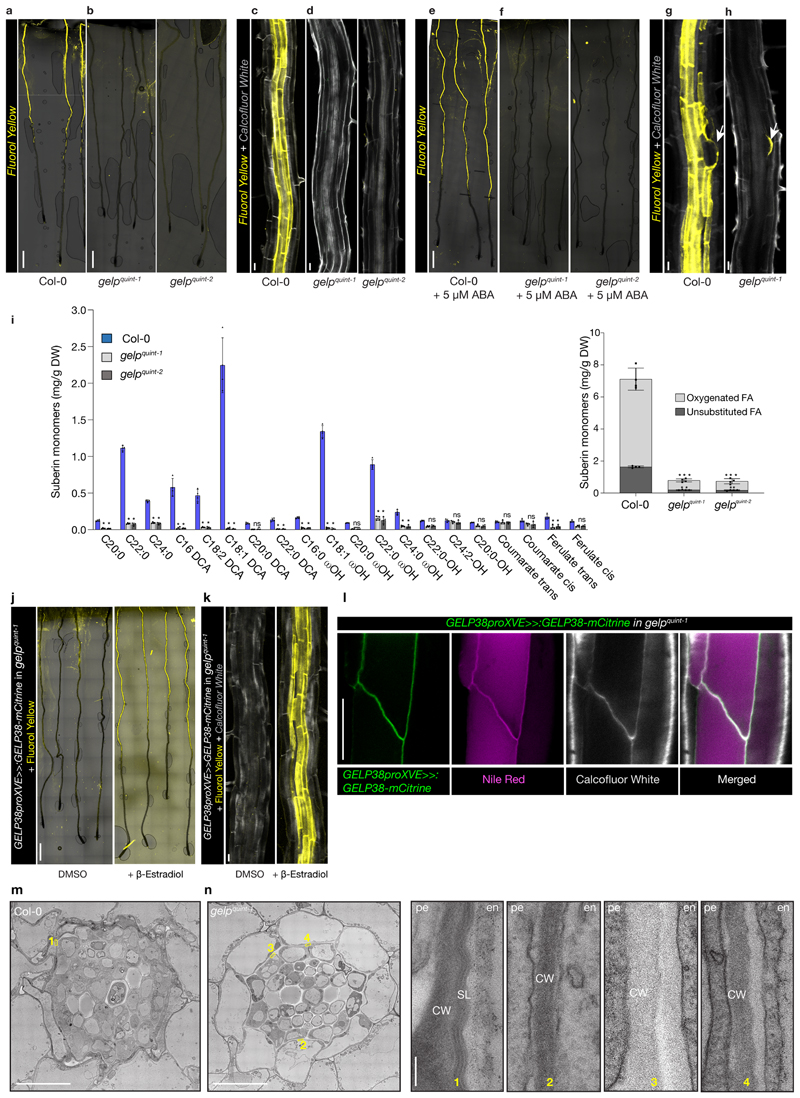
Plant roots acquire nutrients and water while managing interactions with the soil microbiota. The root endodermis provides an extracellular diffusion barrier through a network of lignified cell walls called Casparian strips, supported by subsequent formation of suberin lamellae. Whereas lignification is thought to be irreversible, suberin lamellae display plasticity, which is crucial for root adaptative responses. Although suberin is a major plant polymer, fundamental aspects of its biosynthesis and turnover have remained obscure. Plants shape their root system via lateral root formation, an auxin-induced process requiring local breaking and re-sealing of endodermal lignin and suberin barriers. Here, we show that differentiated endodermal cells have a specific, auxin-mediated transcriptional response dominated by cell wall remodelling genes. We identified two sets of auxin-regulated GDSL lipases. One is required for suberin synthesis, while the other can drive suberin degradation. These enzymes have key roles in suberization, driving root suberin plasticity.
植物的根在与土壤微生物相互作用的同时获取养分和水分。根内皮层通过木质化细胞壁的网络提供细胞外扩散屏障,称为凯氏带,随后形成的栓质层片提供支持。虽然木质化被认为是不可逆的,但栓质层片具有可塑性,这对于根的适应性反应至关重要。尽管栓质是植物的主要聚合物,但它的生物合成和周转的基本方面仍然不清楚。植物通过侧根形成来塑造根系,这是一个由生长素诱导的过程,需要内皮层木质素和栓质屏障的局部断裂和重新密封。在这里,我们表明,分化的内皮层细胞具有特定的、由生长素介导的转录反应,主要由细胞壁重塑基因主导。我们鉴定了两组生长素调节的 GDSL 脂肪酶。一种是合成栓质所必需的,而另一种可以驱动栓质降解。这些酶在栓质形成中起着关键作用,驱动根栓质的可塑性。