Department of Biology, Stanford University, Stanford, CA, USA.
Department of Chemistry and Biomolecular Sciences, University of Ottawa, Ottawa, ON, Canada.
Nat Chem Biol. 2021 Jun;17(6):665-674. doi: 10.1038/s41589-021-00751-4. Epub 2021 Mar 8.
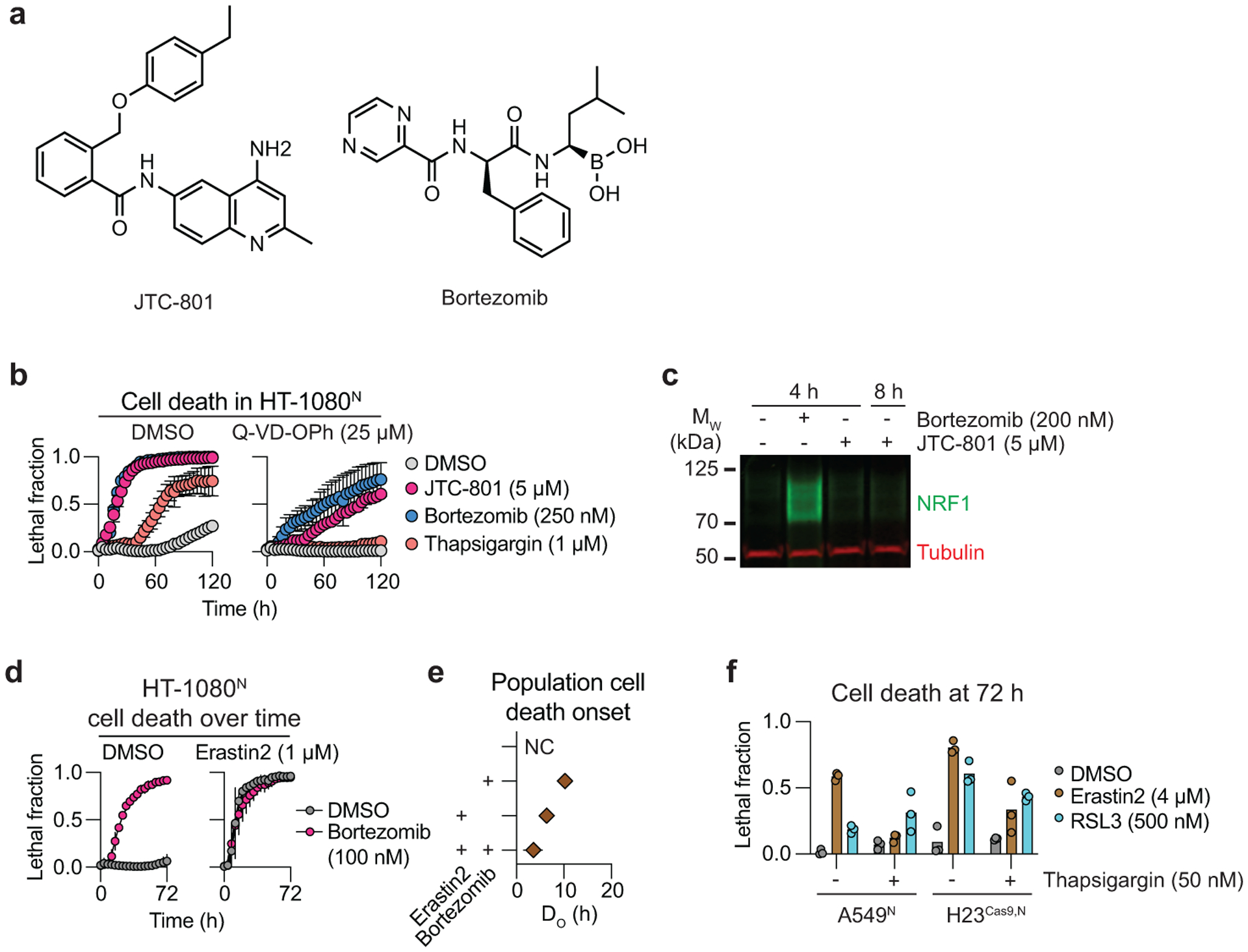
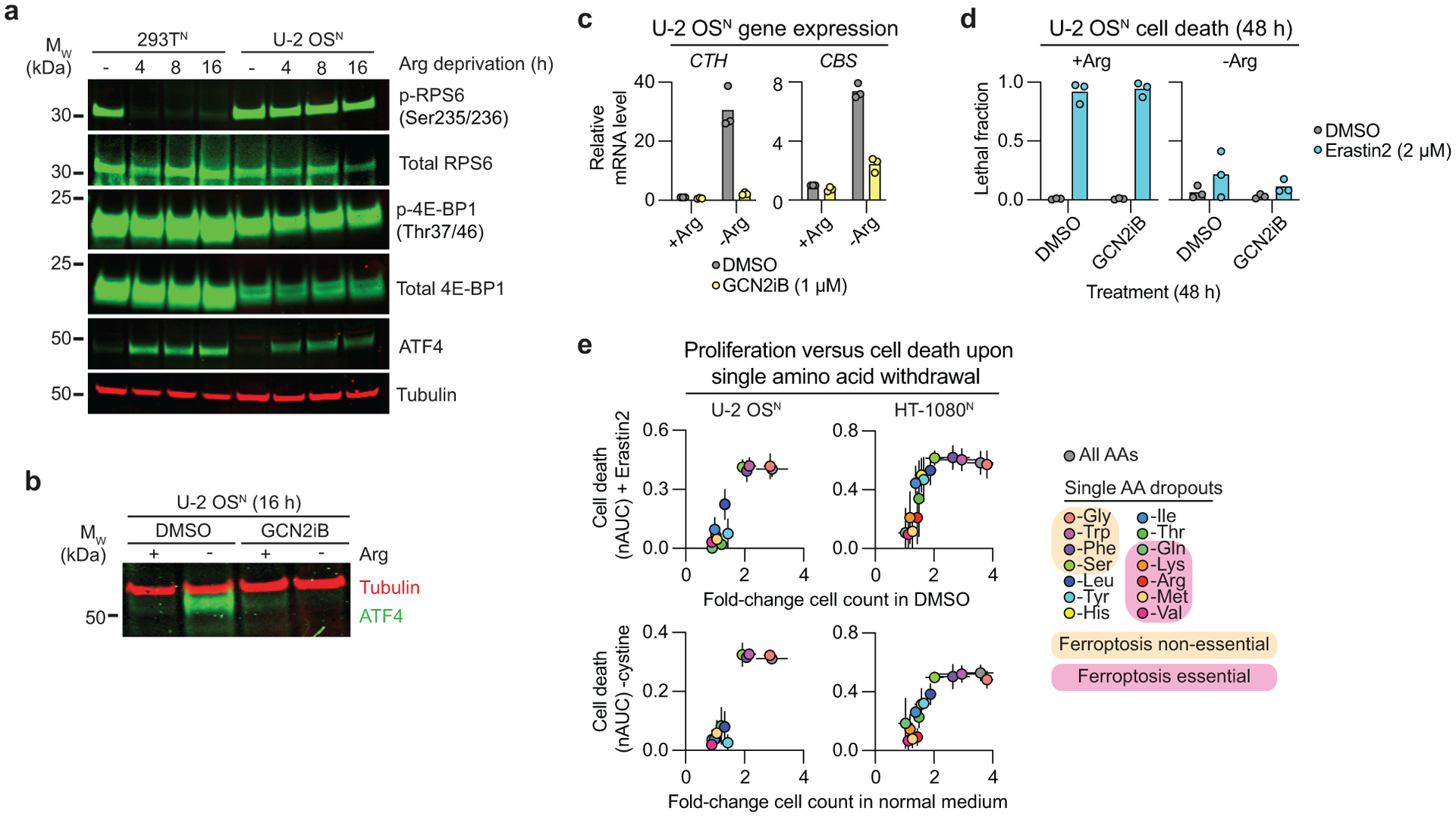
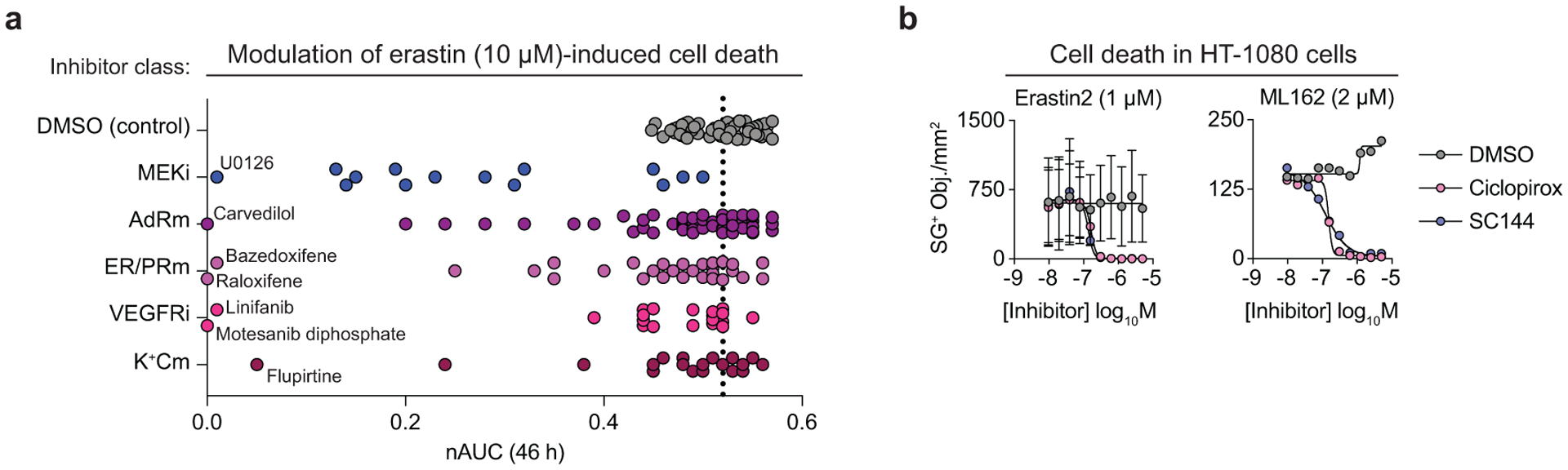
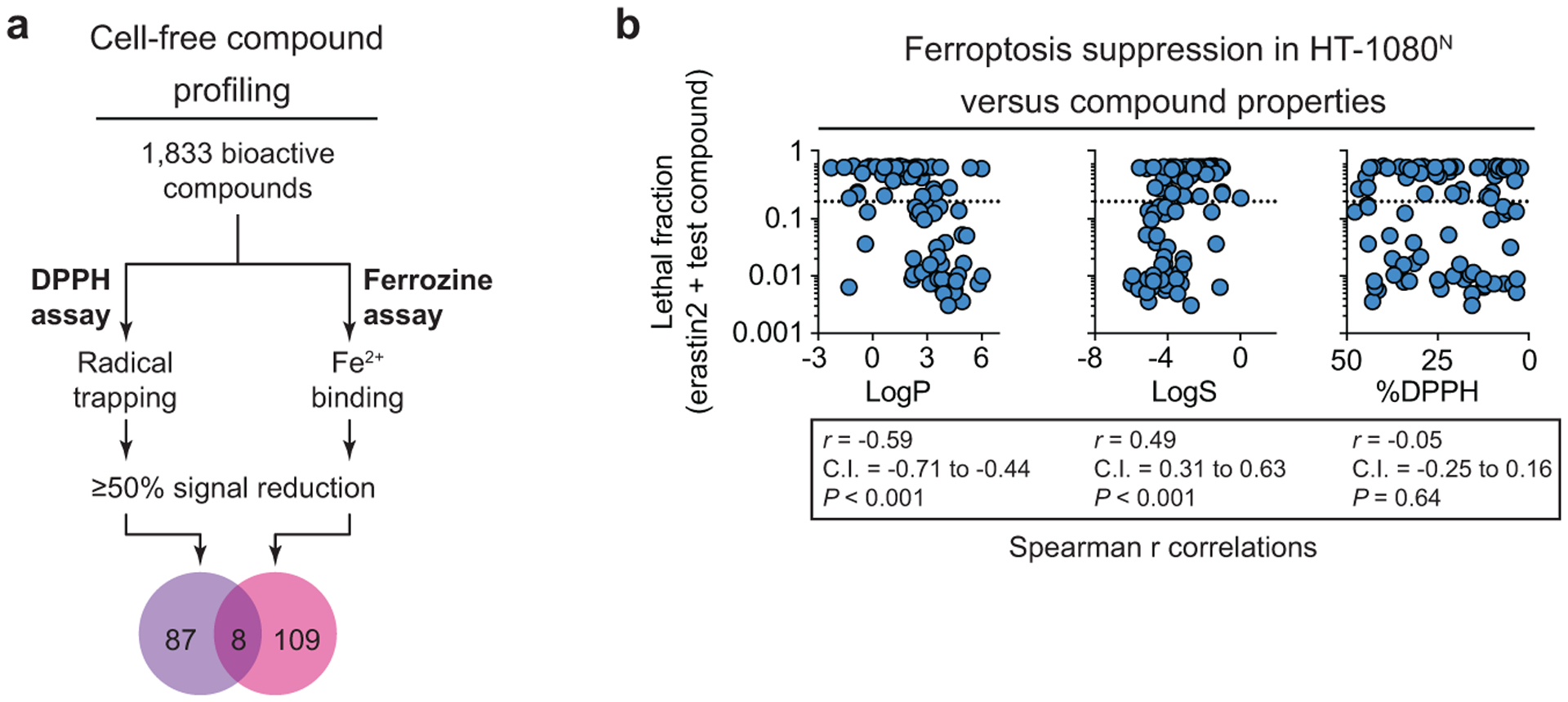
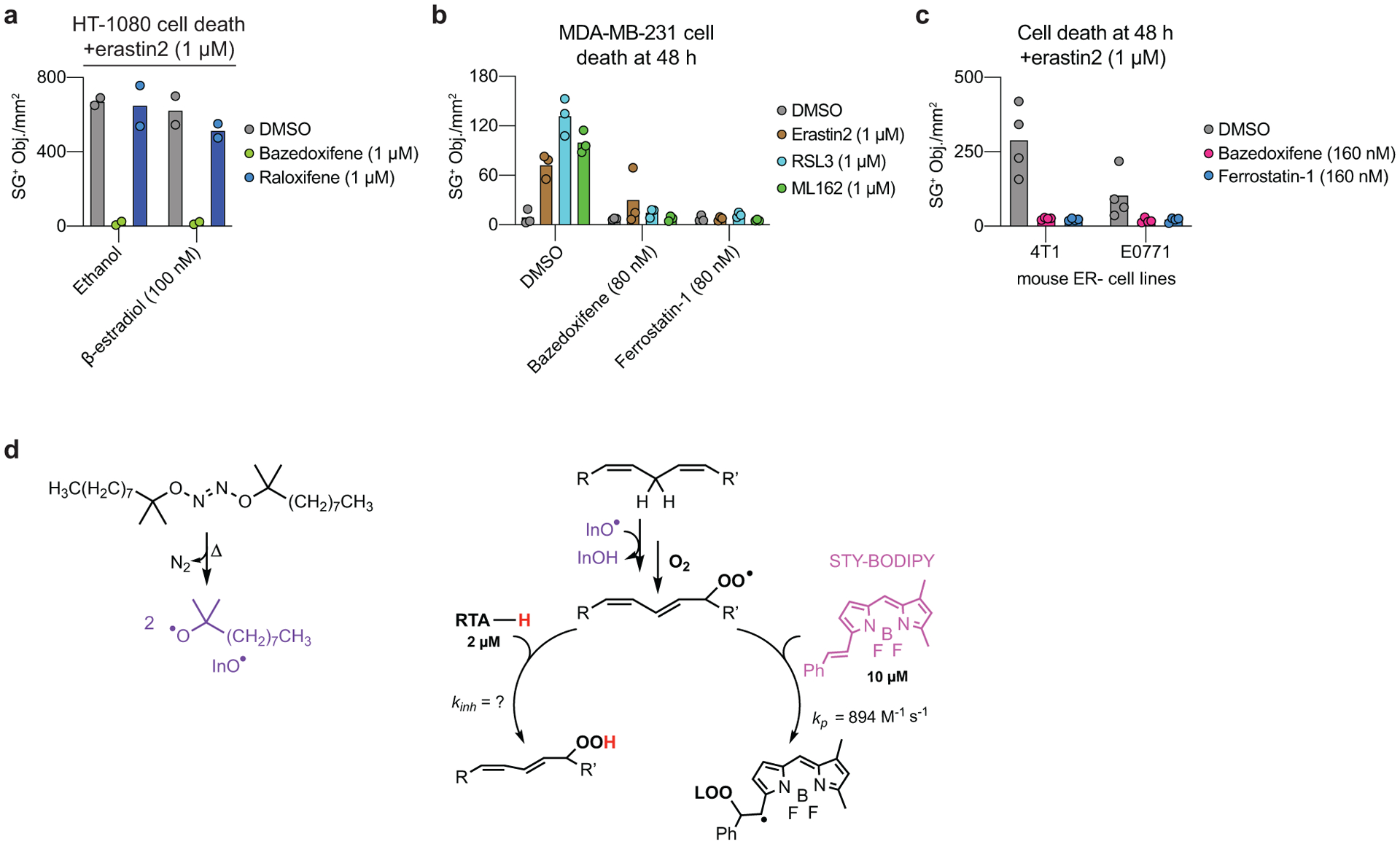
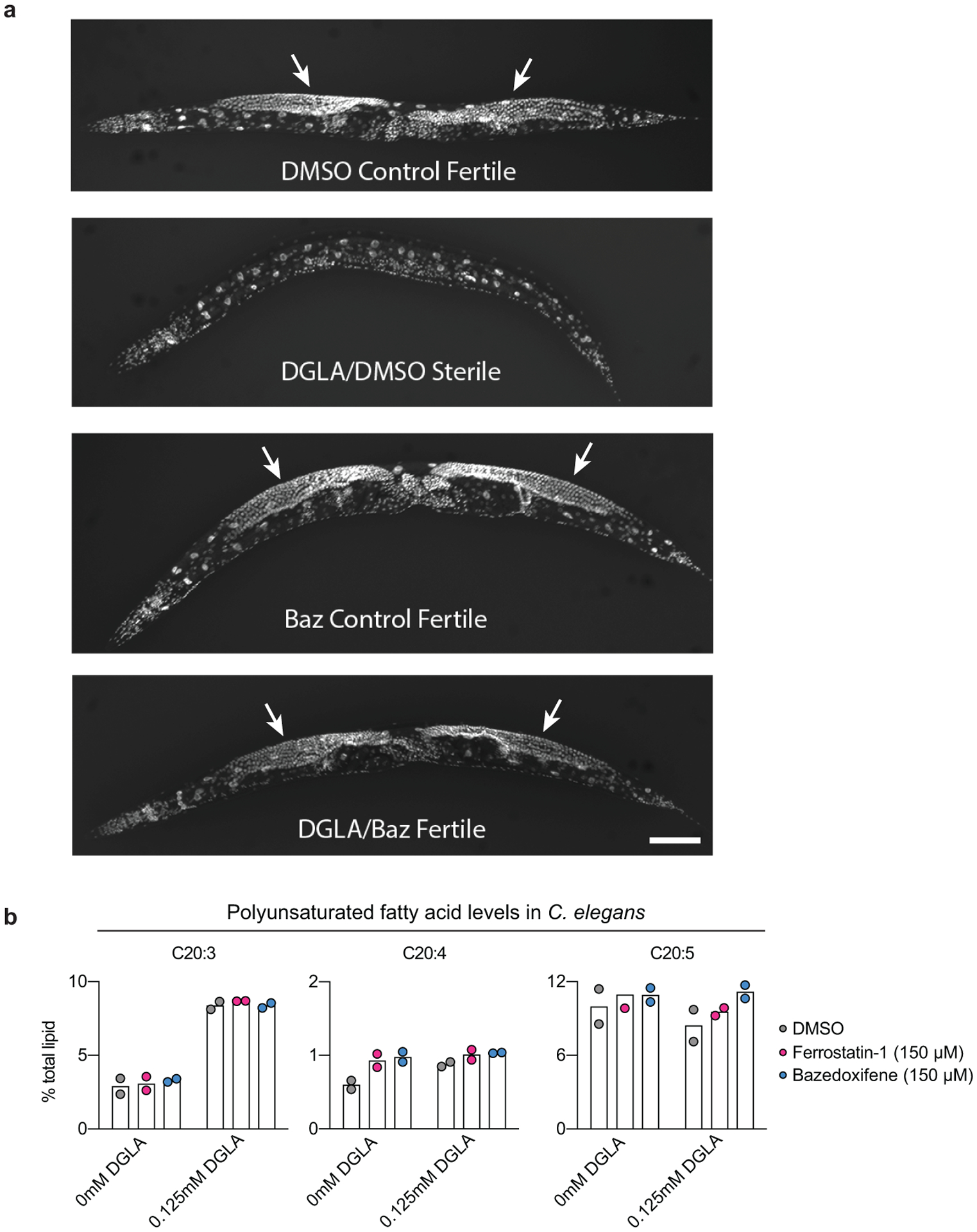
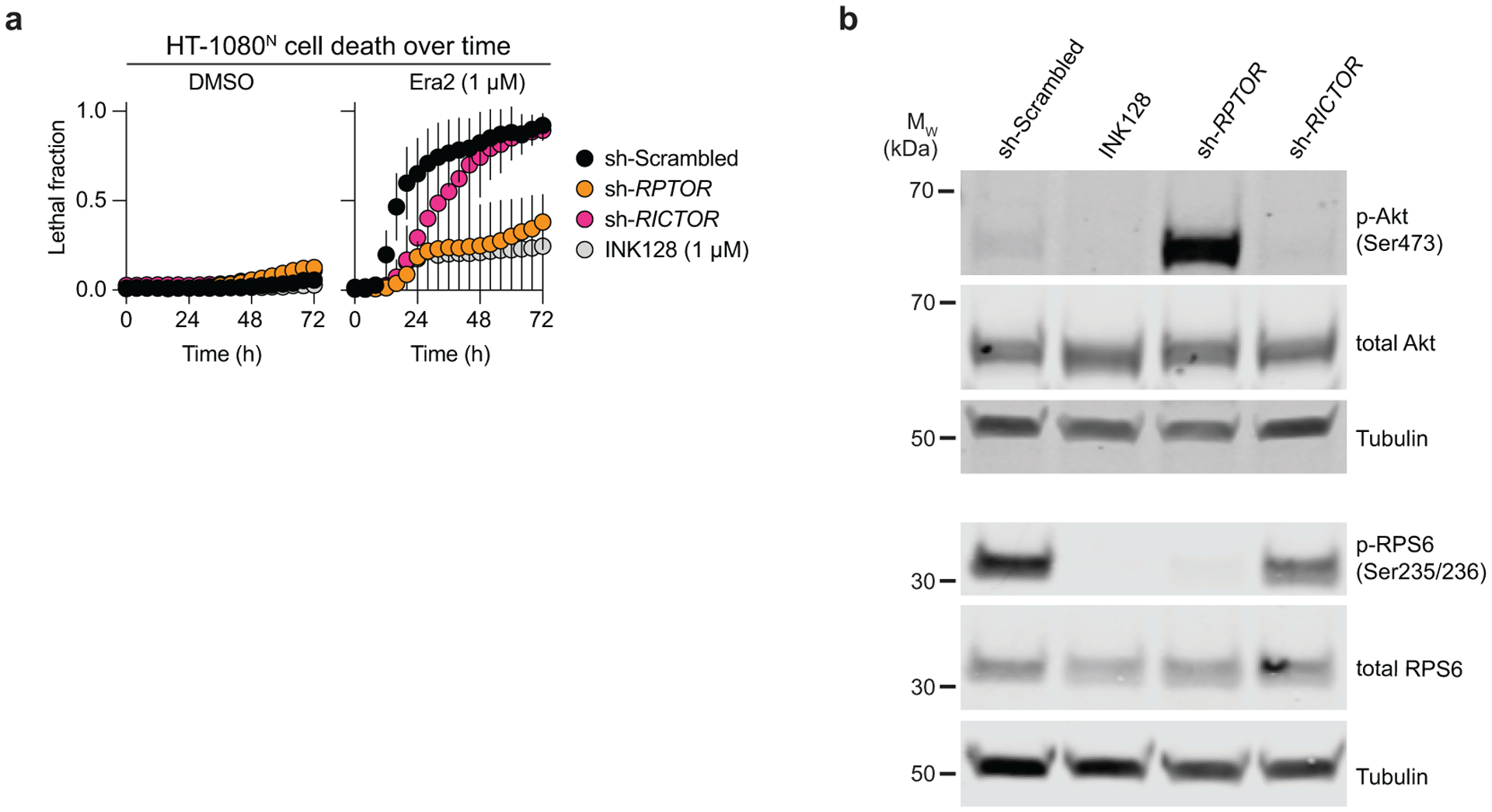
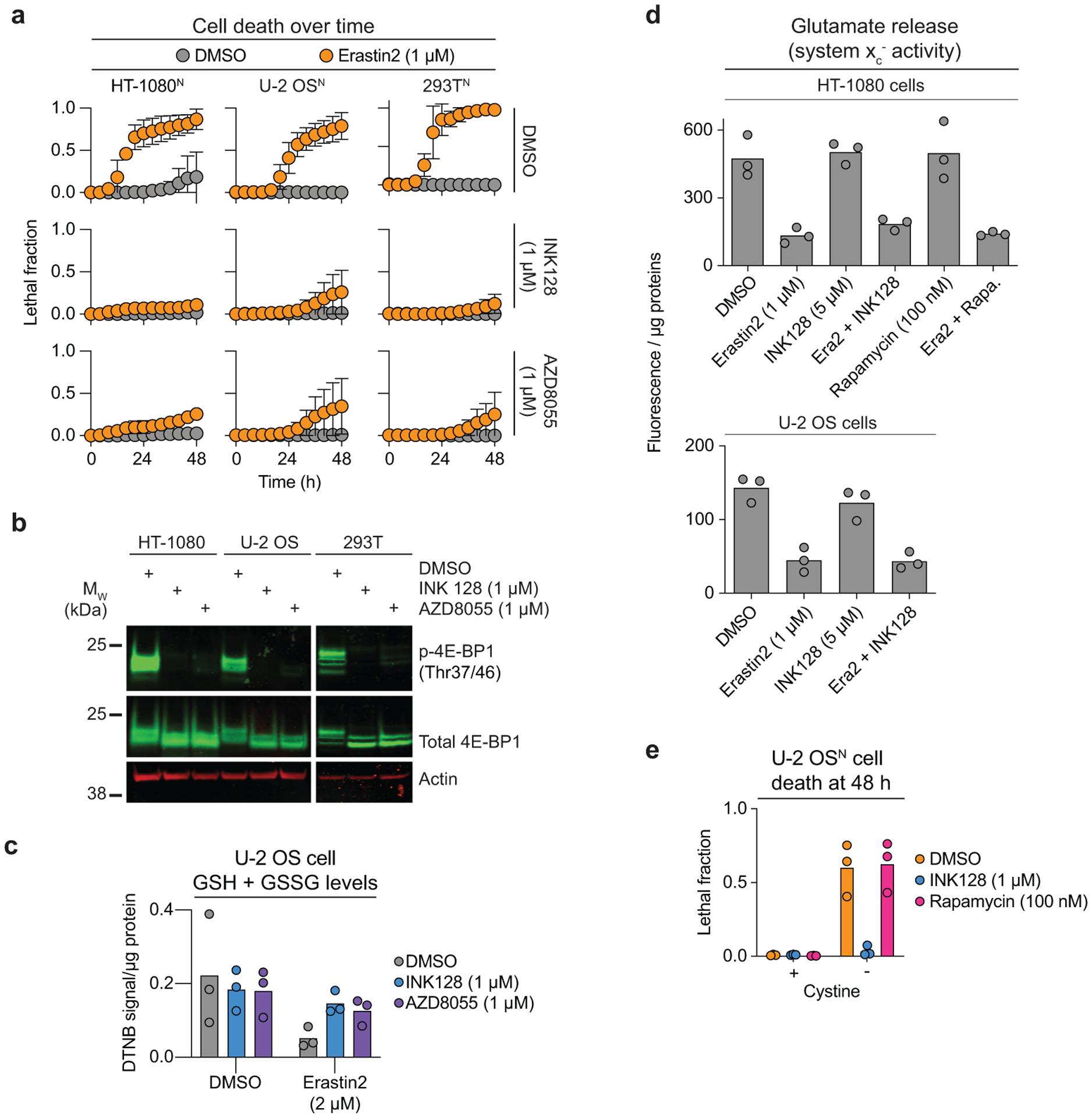
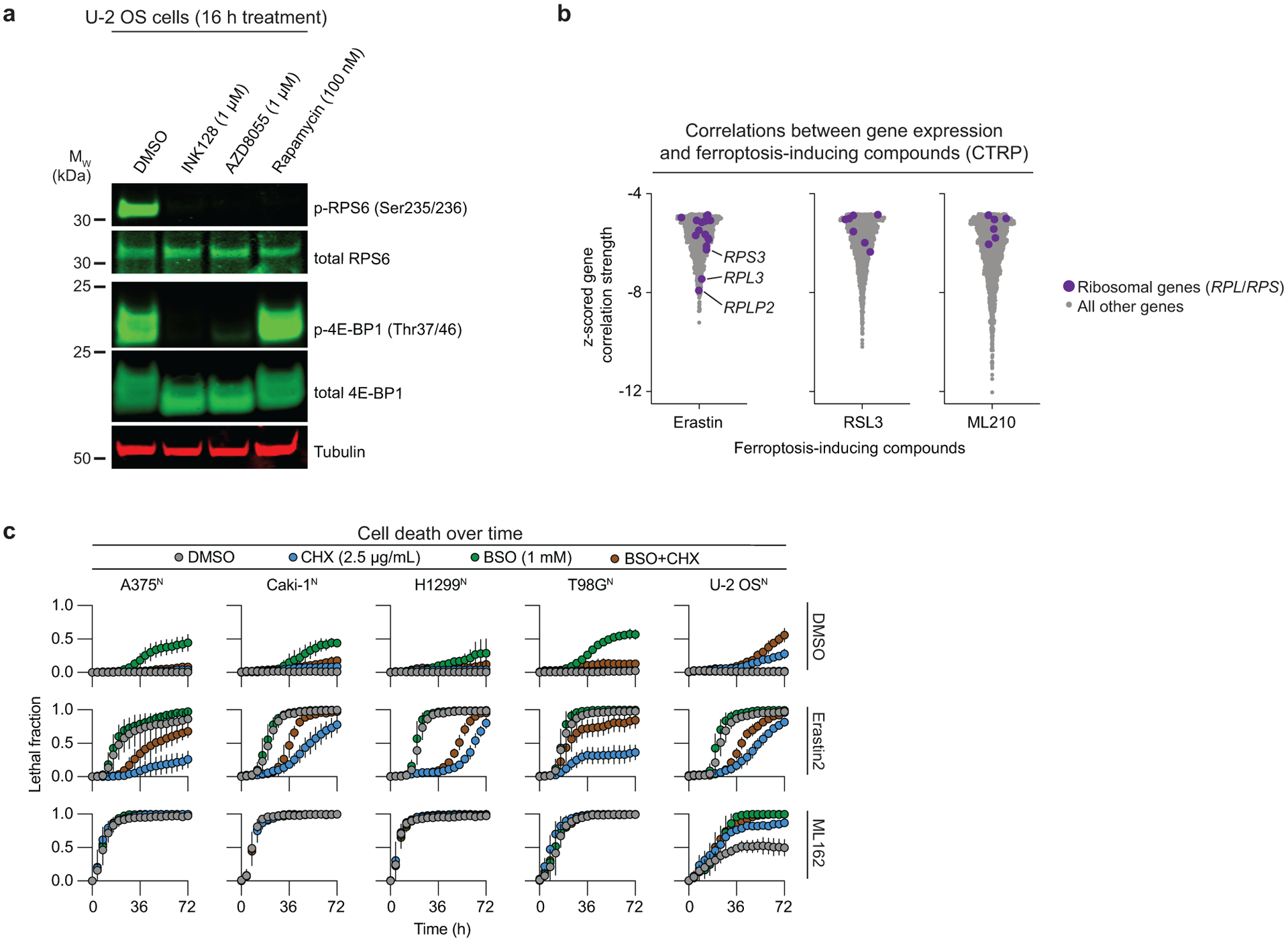
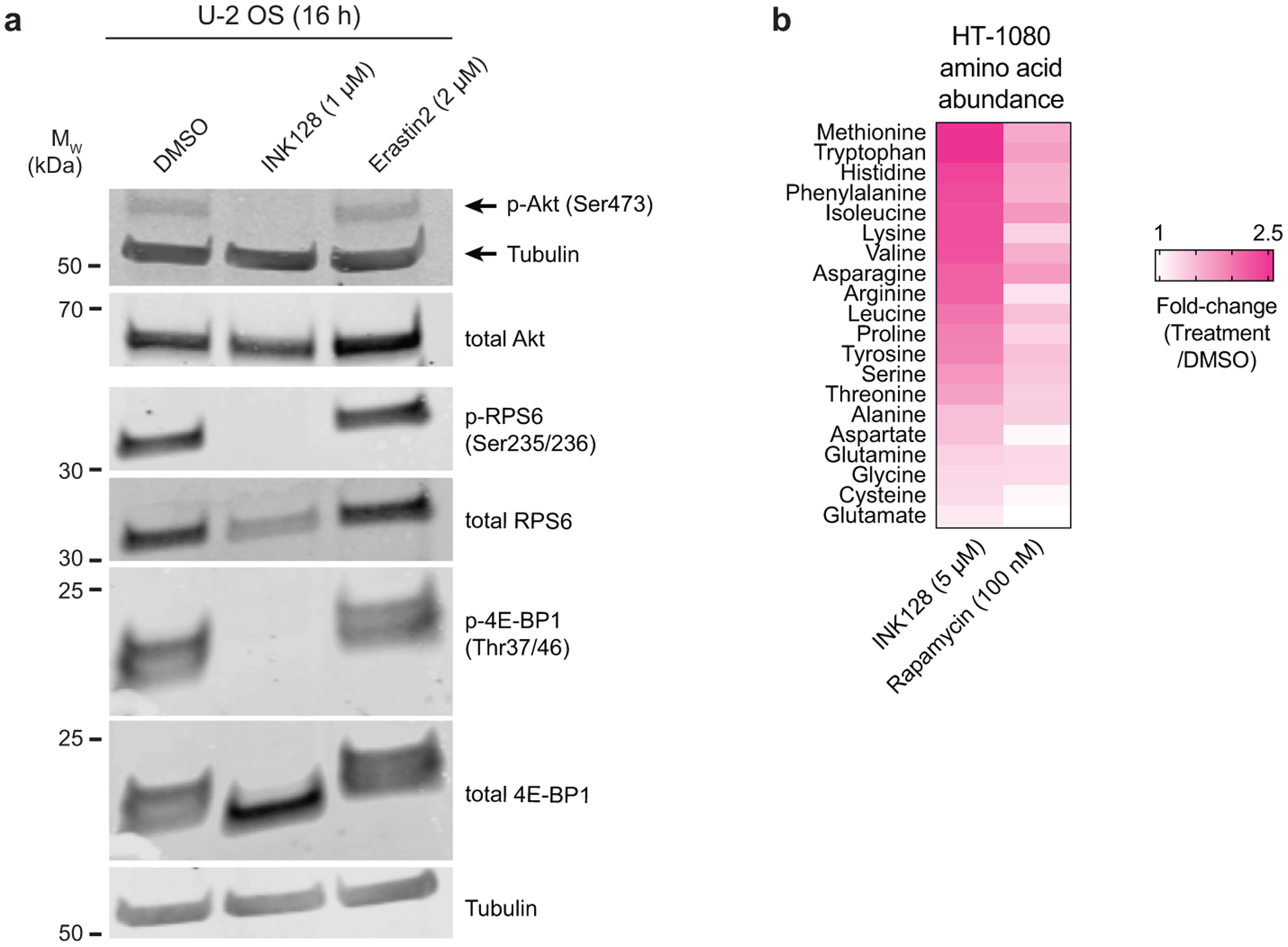
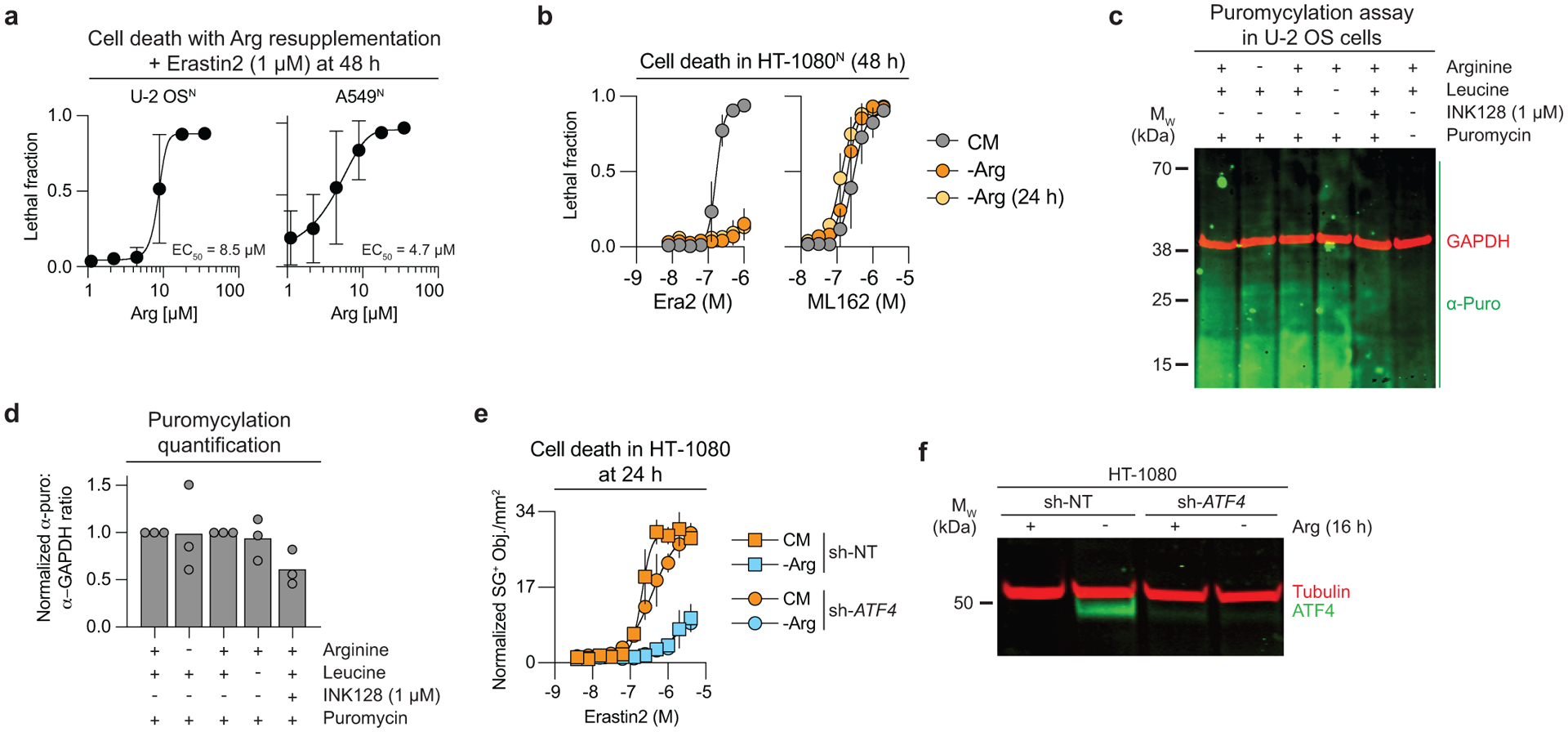
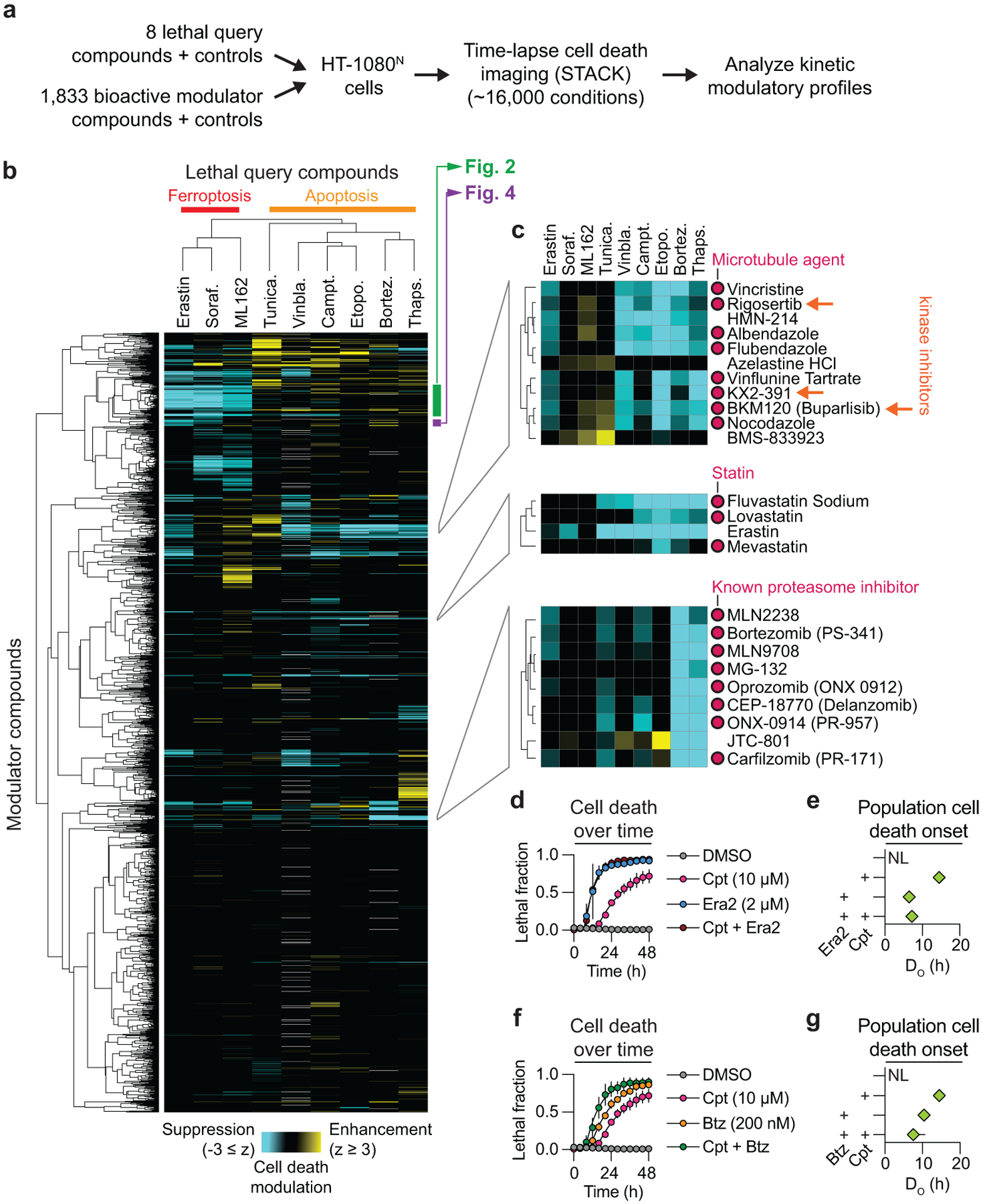
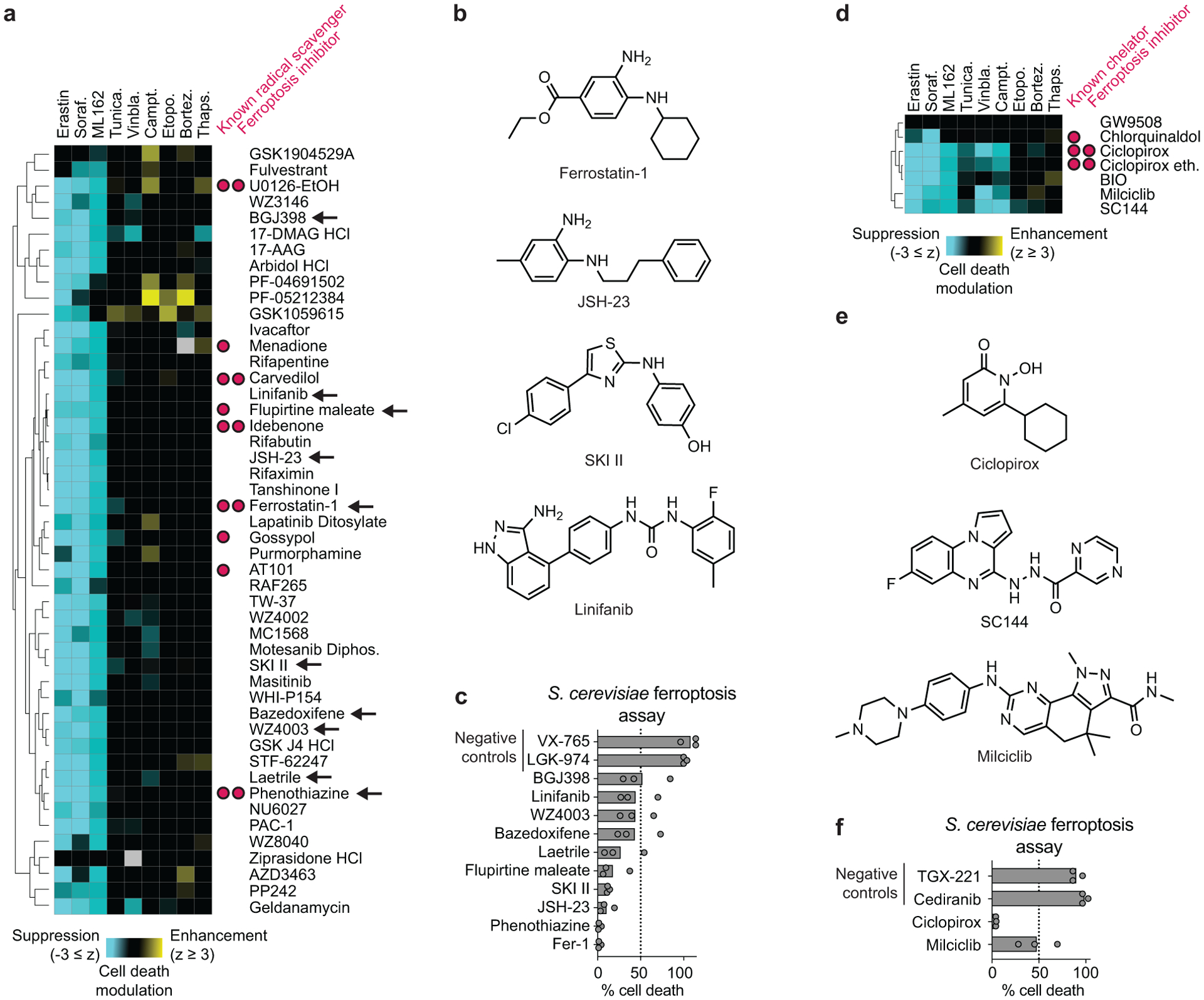
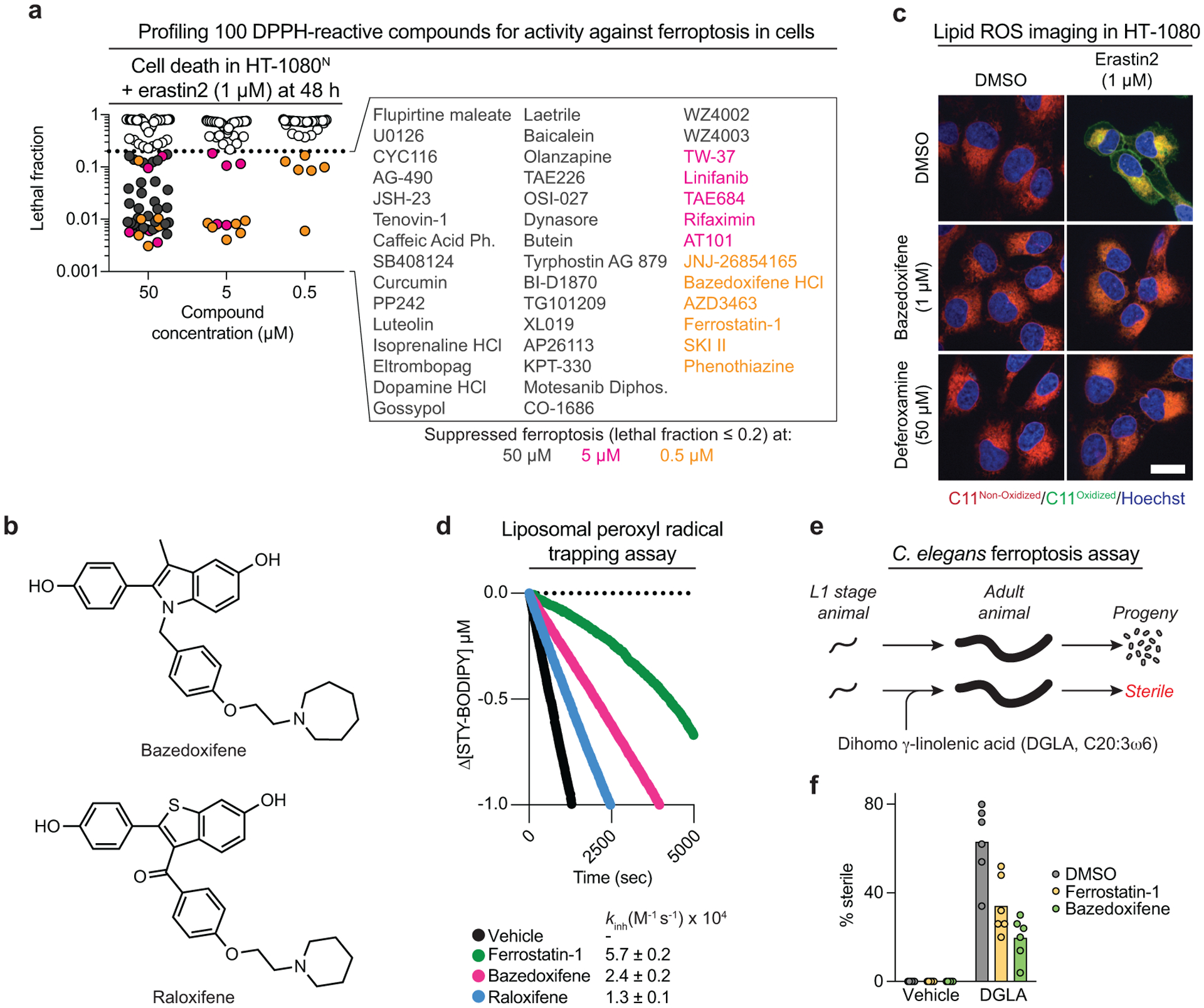
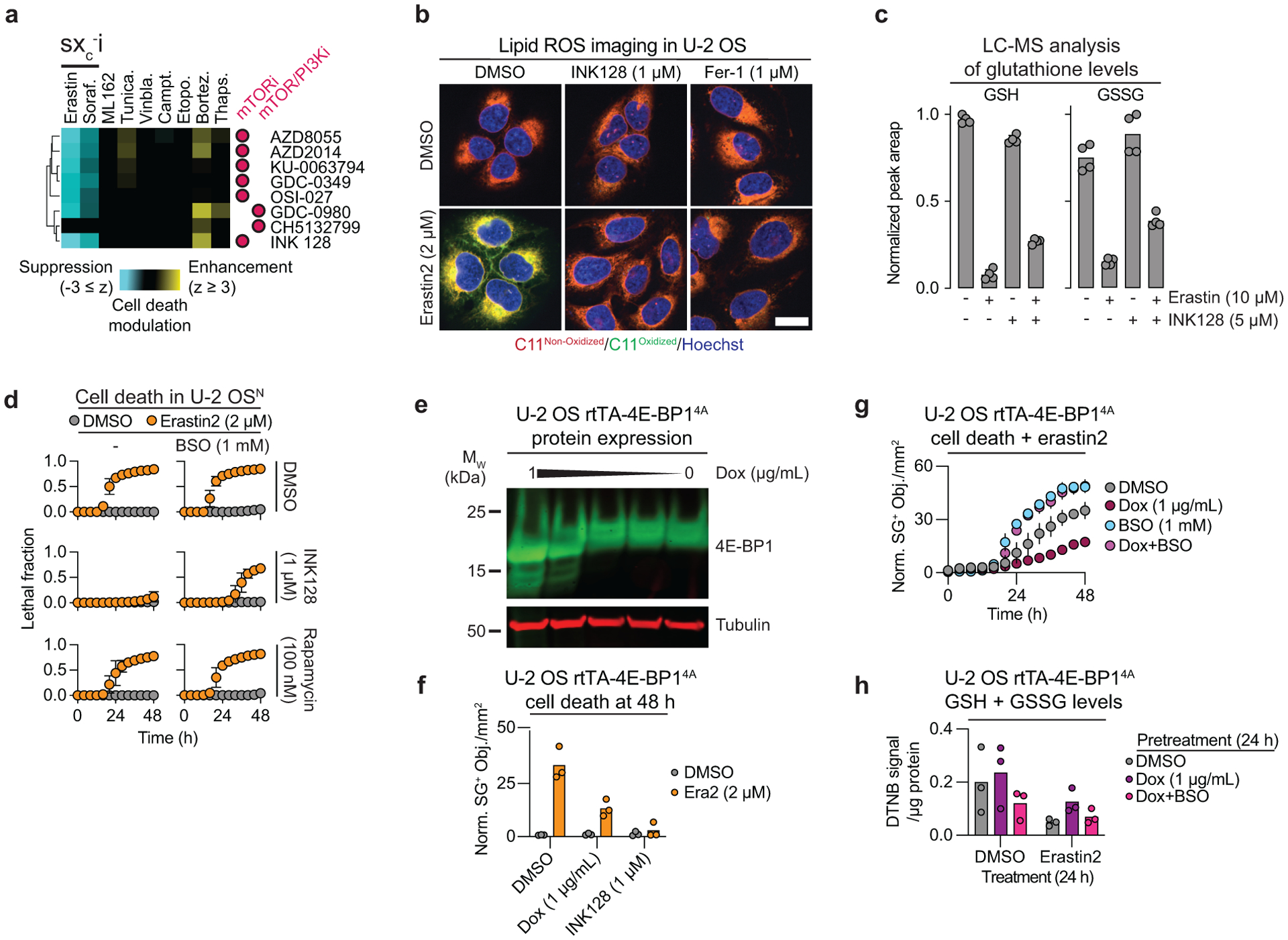
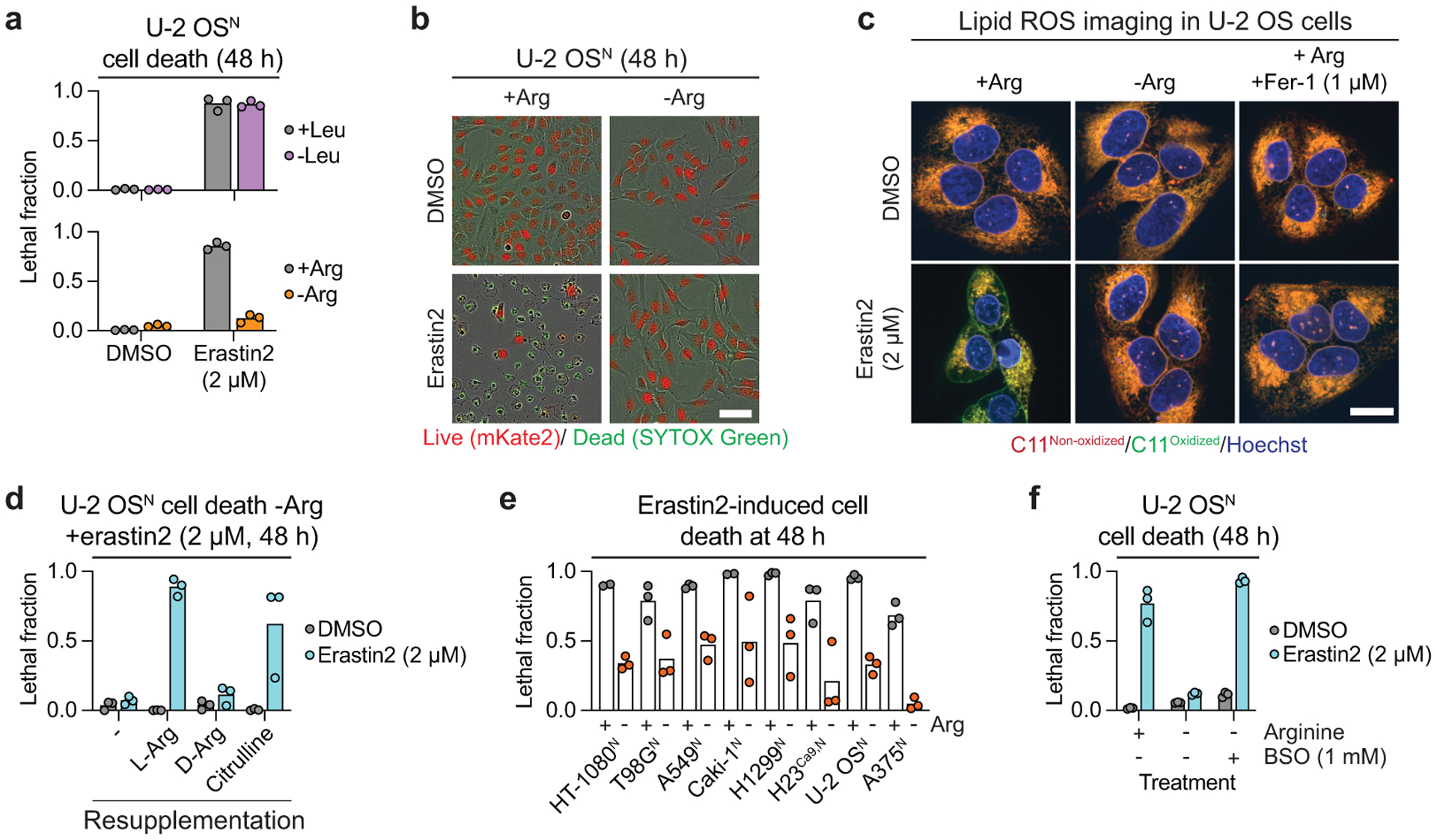
Cell death can be executed by regulated apoptotic and nonapoptotic pathways, including the iron-dependent process of ferroptosis. Small molecules are essential tools for studying the regulation of cell death. Using time-lapse imaging and a library of 1,833 bioactive compounds, we assembled a large compendium of kinetic cell death modulatory profiles for inducers of apoptosis and ferroptosis. From this dataset we identify dozens of ferroptosis suppressors, including numerous compounds that appear to act via cryptic off-target antioxidant or iron chelating activities. We show that the FDA-approved drug bazedoxifene acts as a potent radical trapping antioxidant inhibitor of ferroptosis both in vitro and in vivo. ATP-competitive mechanistic target of rapamycin (mTOR) inhibitors, by contrast, are on-target ferroptosis inhibitors. Further investigation revealed both mTOR-dependent and mTOR-independent mechanisms that link amino acid metabolism to ferroptosis sensitivity. These results highlight kinetic modulatory profiling as a useful tool to investigate cell death regulation.
细胞死亡可以通过调控的凋亡和非凋亡途径执行,包括铁依赖性的铁死亡过程。小分子是研究细胞死亡调控的重要工具。我们使用延时成像和 1833 种生物活性化合物库,为凋亡和铁死亡诱导剂组装了一个大型的细胞死亡调节动力学化合物库。从这个数据集,我们确定了数十种铁死亡抑制剂,包括许多似乎通过隐匿的非靶点抗氧化或铁螯合活性起作用的化合物。我们表明,FDA 批准的药物巴多昔芬(bazedoxifene)在体外和体内均作为一种有效的自由基捕获抗氧化剂抑制剂发挥作用,抑制铁死亡。相比之下,ATP 竞争性雷帕霉素(mTOR)抑制剂是铁死亡的靶点抑制剂。进一步的研究揭示了将氨基酸代谢与铁死亡敏感性联系起来的 mTOR 依赖和非依赖机制。这些结果强调了动力学调节分析作为研究细胞死亡调控的有用工具。