Department of Neurology, Weill Institute for Neurosciences, University of California, San Francisco, San Francisco, United States.
Department of Physiology, National University of Singapore, Singapore, Singapore.
Elife. 2021 Mar 10;10:e64456. doi: 10.7554/eLife.64456.
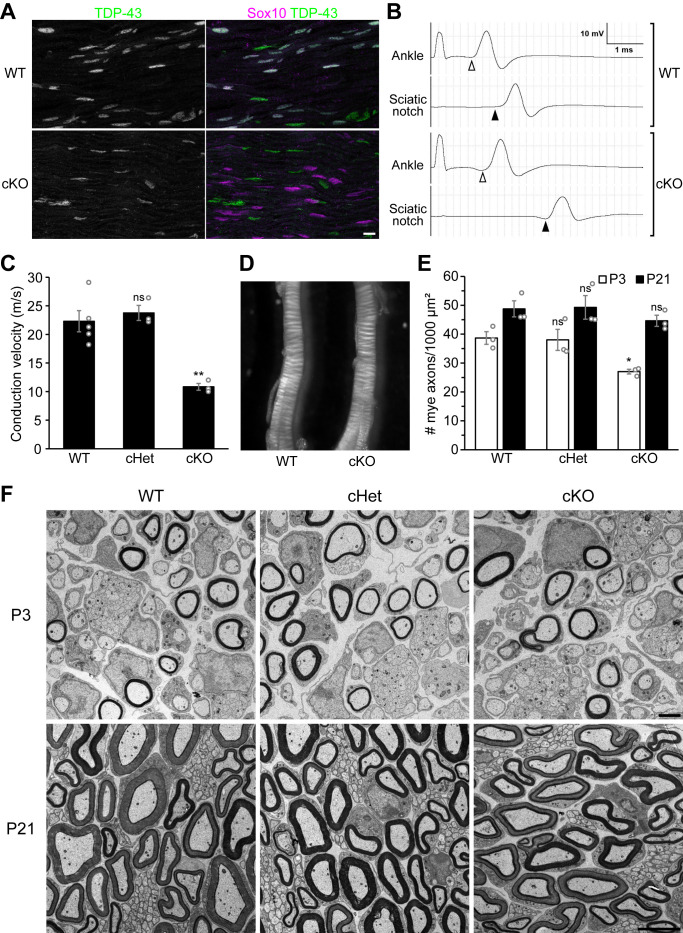
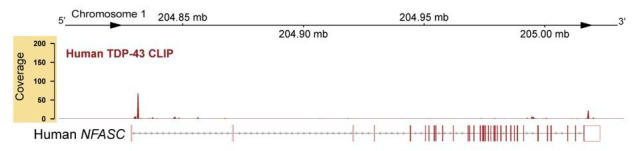
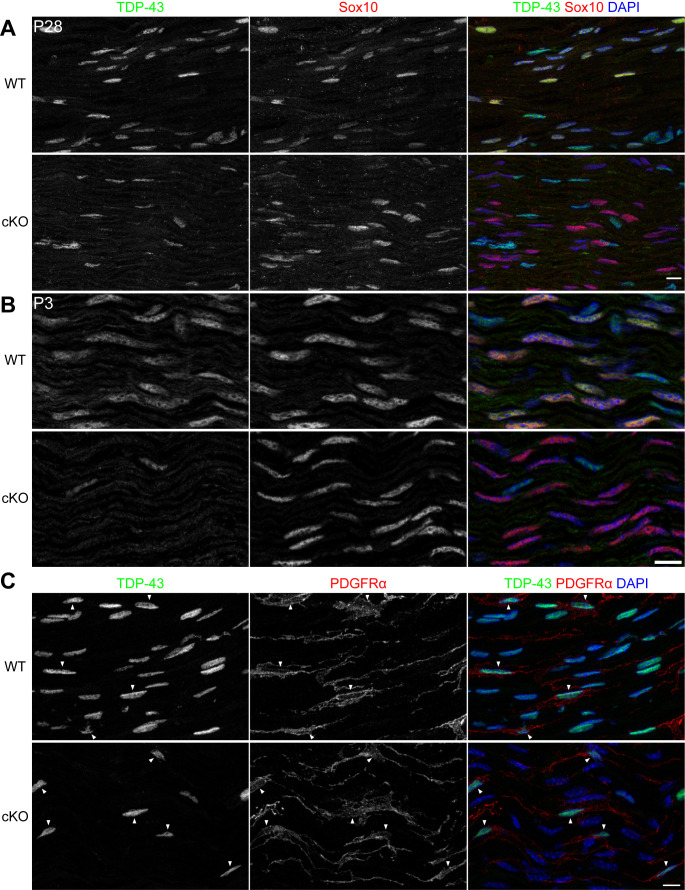
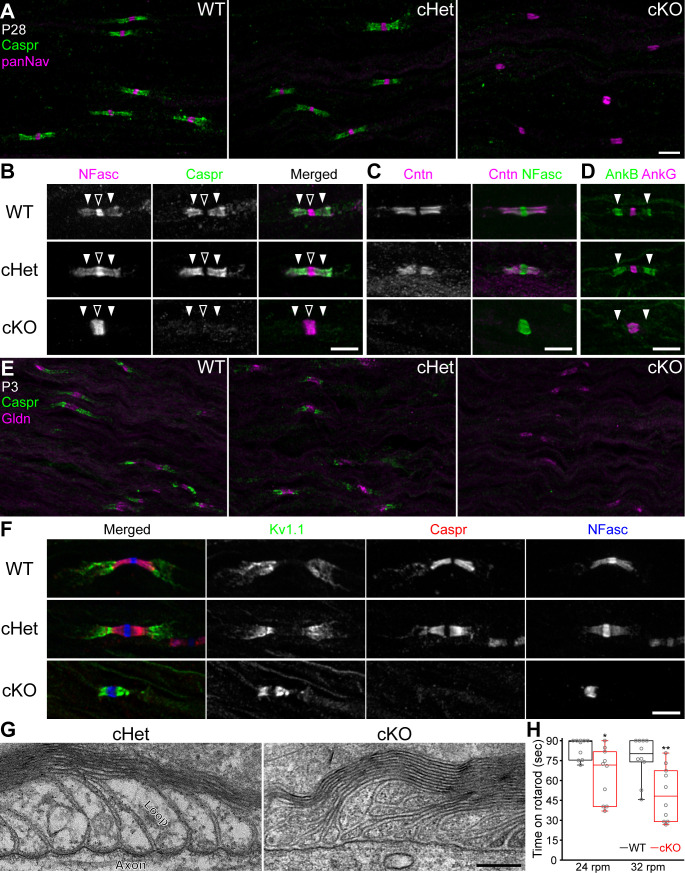
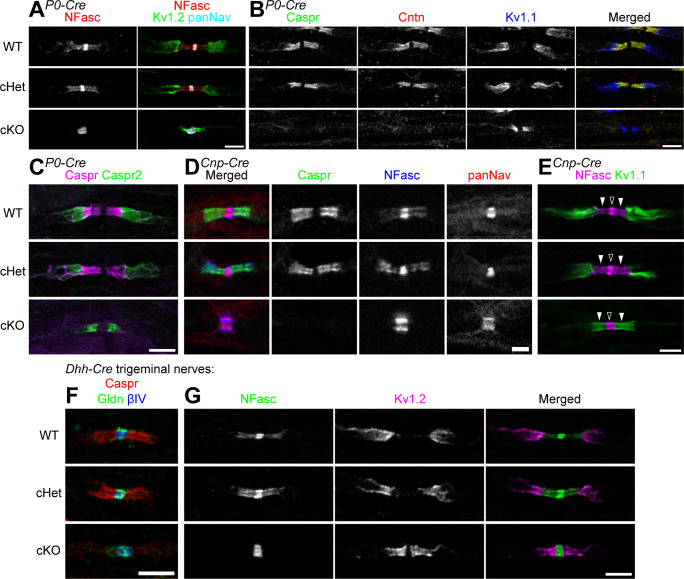
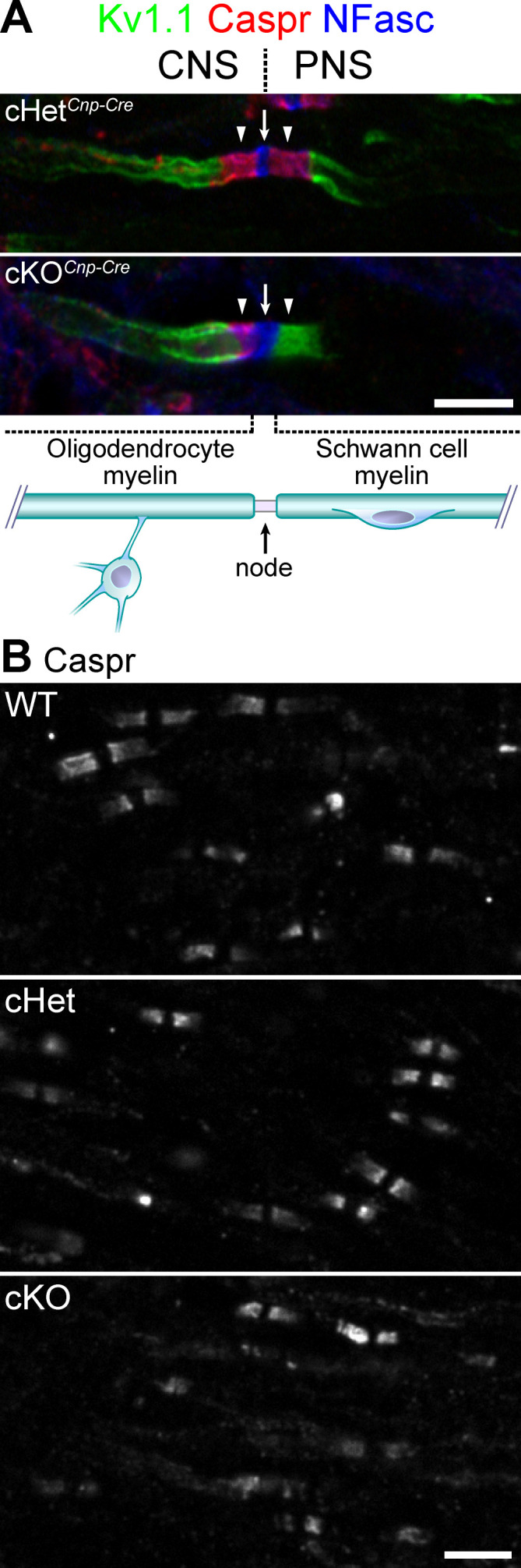
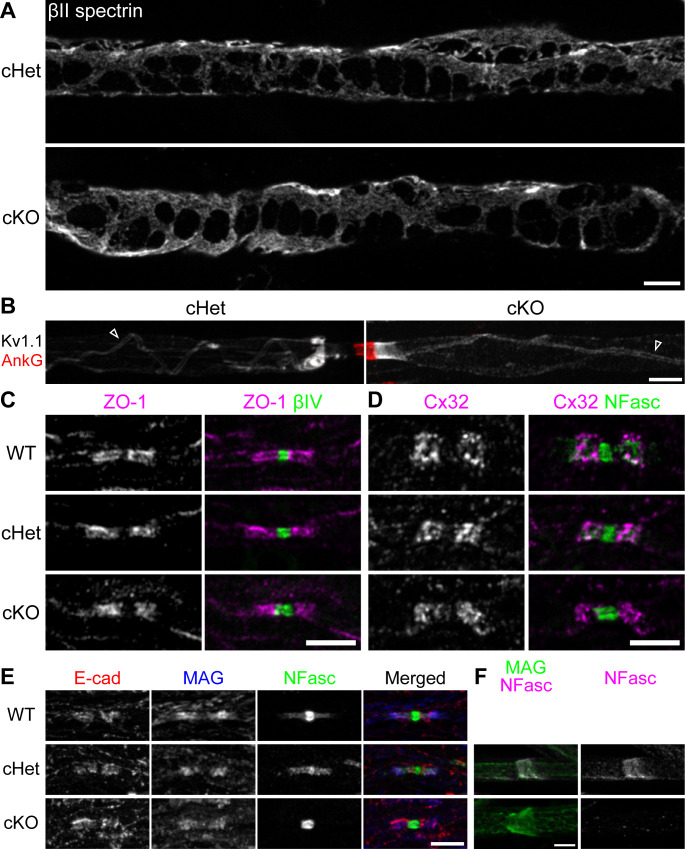
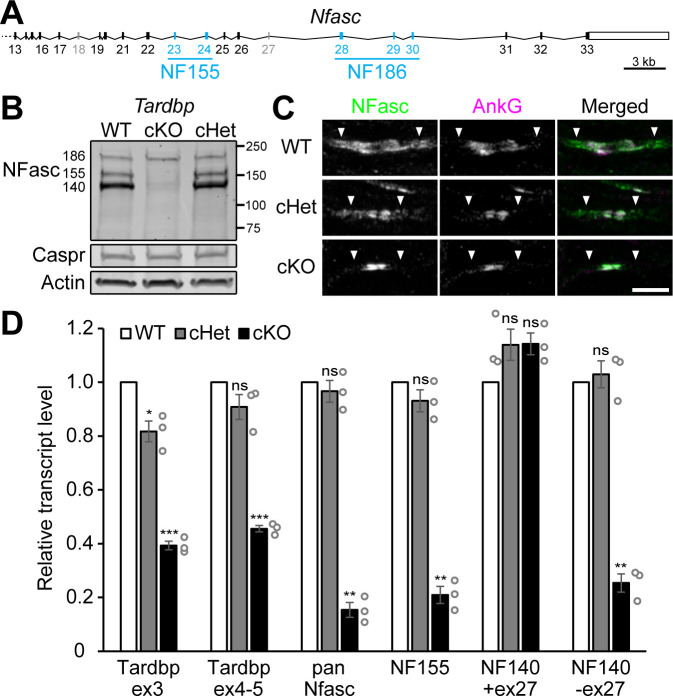
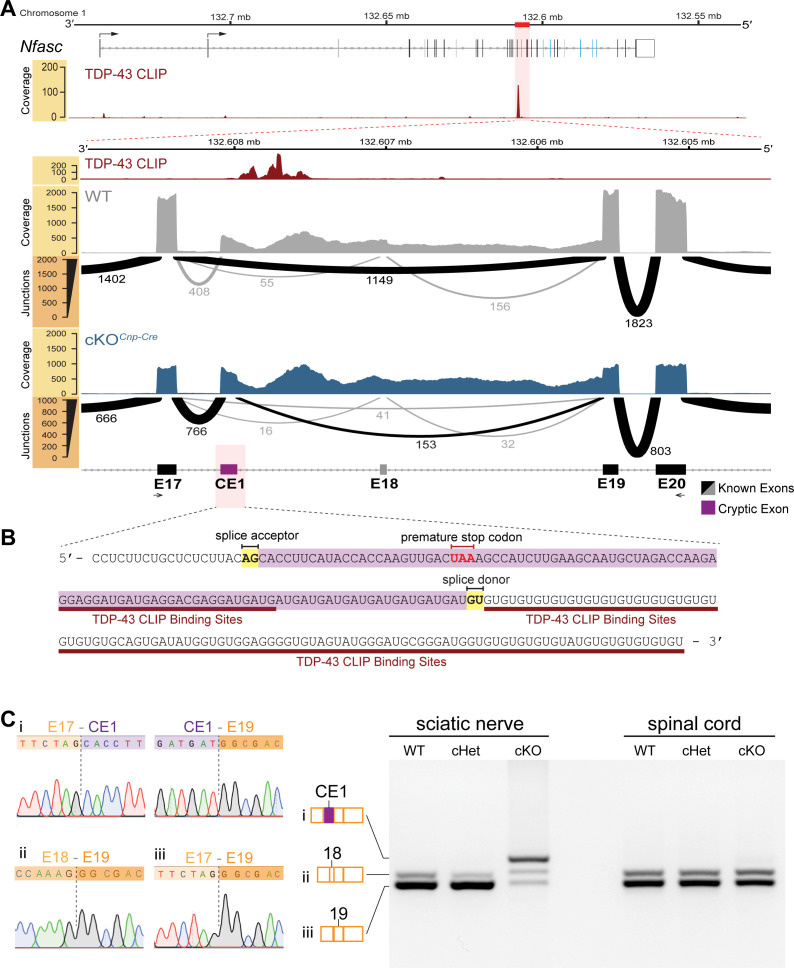
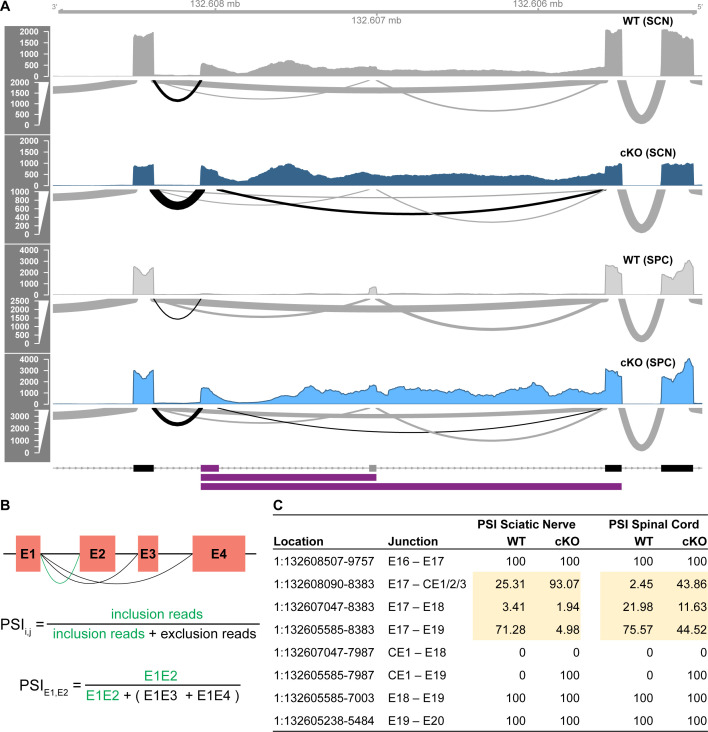
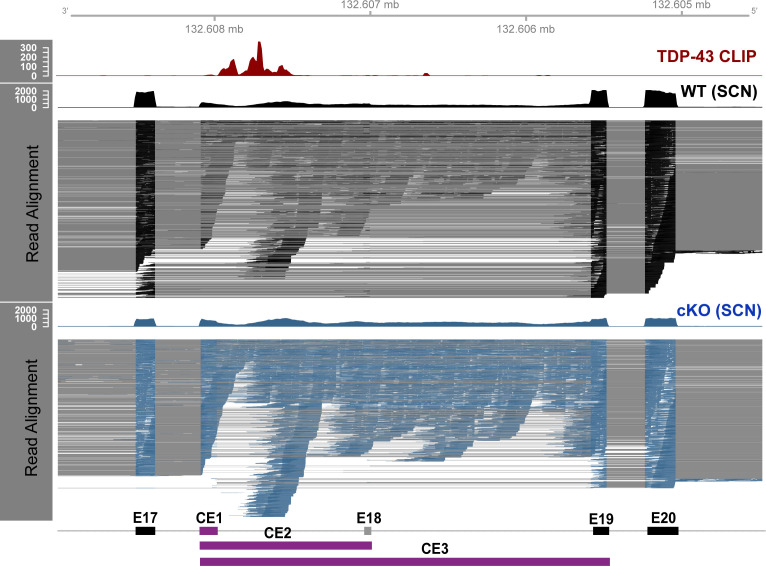
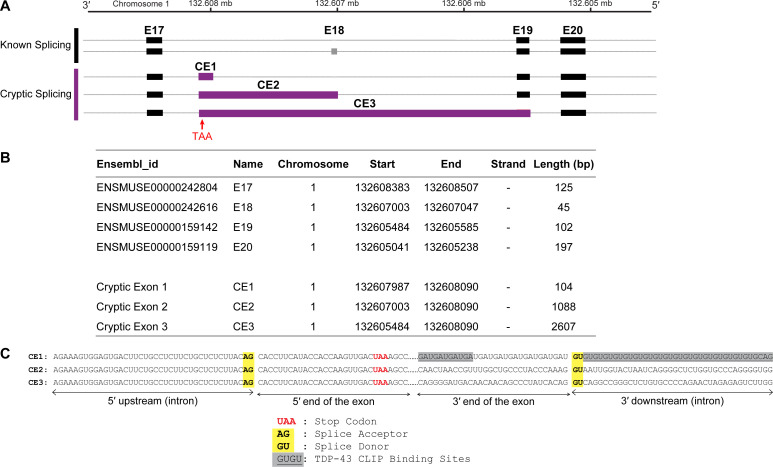
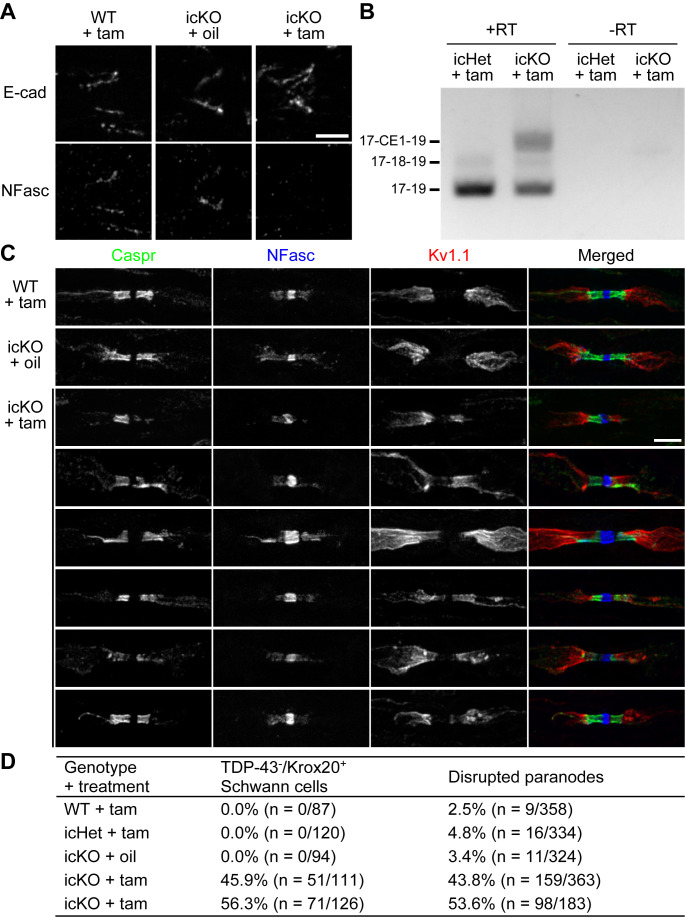
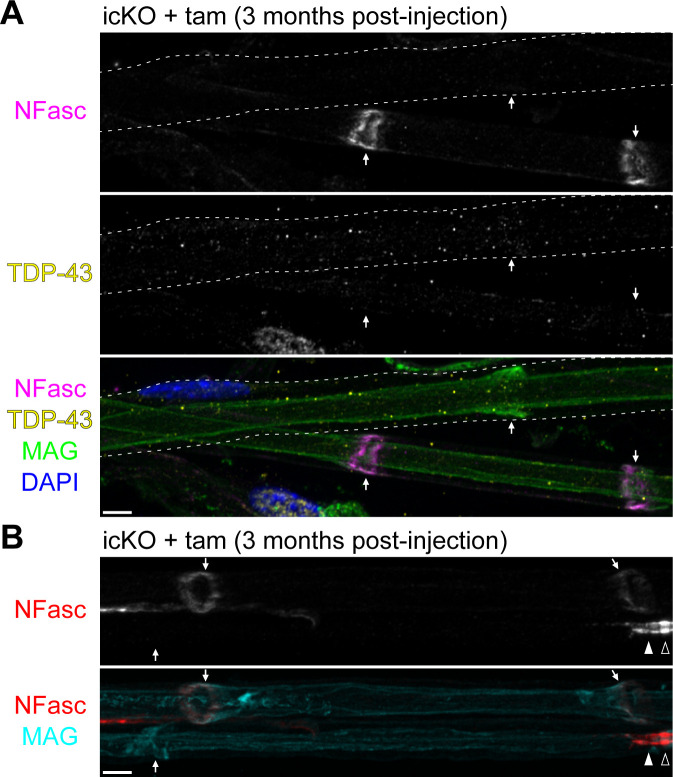
TDP-43 is extensively studied in neurons in physiological and pathological contexts. However, emerging evidence indicates that glial cells are also reliant on TDP-43 function. We demonstrate that deletion of TDP-43 in Schwann cells results in a dramatic delay in peripheral nerve conduction causing significant motor deficits in mice, which is directly attributed to the absence of paranodal axoglial junctions. By contrast, paranodes in the central nervous system are unaltered in oligodendrocytes lacking TDP-43. Mechanistically, TDP-43 binds directly to mRNA, encoding the cell adhesion molecule essential for paranode assembly and maintenance. Loss of TDP-43 triggers the retention of a previously unidentified cryptic exon, which targets mRNA for nonsense-mediated decay. Thus, TDP-43 is required for neurofascin expression, proper assembly and maintenance of paranodes, and rapid saltatory conduction. Our findings provide a framework and mechanism for how Schwann cell-autonomous dysfunction in nerve conduction is directly caused by TDP-43 loss-of-function.
TDP-43 在生理和病理环境中的神经元中被广泛研究。然而,新出现的证据表明神经胶质细胞也依赖于 TDP-43 的功能。我们证明 Schwann 细胞中 TDP-43 的缺失导致周围神经传导明显延迟,导致小鼠出现显著的运动缺陷,这直接归因于无郎飞结轴突-胶质连接的缺失。相比之下,少突胶质细胞中 TDP-43 的缺失并不改变中枢神经系统中的郎飞结。从机制上讲,TDP-43 直接结合编码对郎飞结组装和维持至关重要的细胞黏附分子的 mRNA。TDP-43 的缺失会触发以前未被识别的隐藏外显子的保留,该外显子将 mRNA 靶向无意义介导的降解。因此,TDP-43 是神经束蛋白表达、郎飞结正确组装和维持以及快速跳跃传导所必需的。我们的研究结果为 Schwann 细胞自主性神经传导功能障碍是如何直接由 TDP-43 功能丧失引起的提供了一个框架和机制。