Division of Critical Care Medicine, Department of Pediatrics, Washington University in St. Louis School of Medicine, St. Louis, USA.
Departamento de Bioquímica Y Genética, Facultad de Ciencias, Universidad de Navarra, Pamplona, Spain.
Acta Neuropathol Commun. 2021 Mar 10;9(1):40. doi: 10.1186/s40478-021-01137-2.
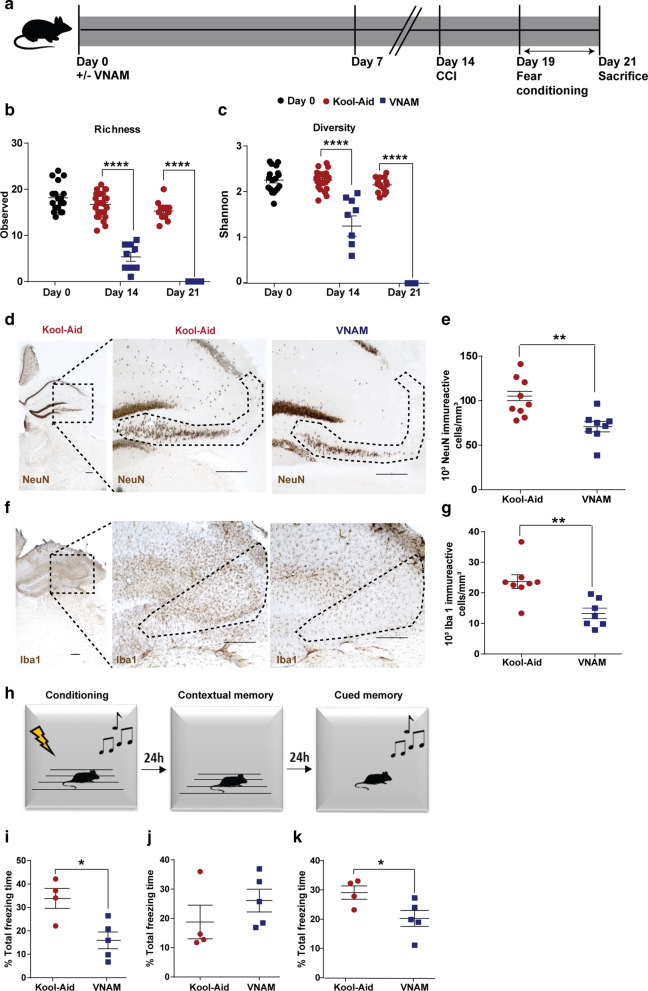
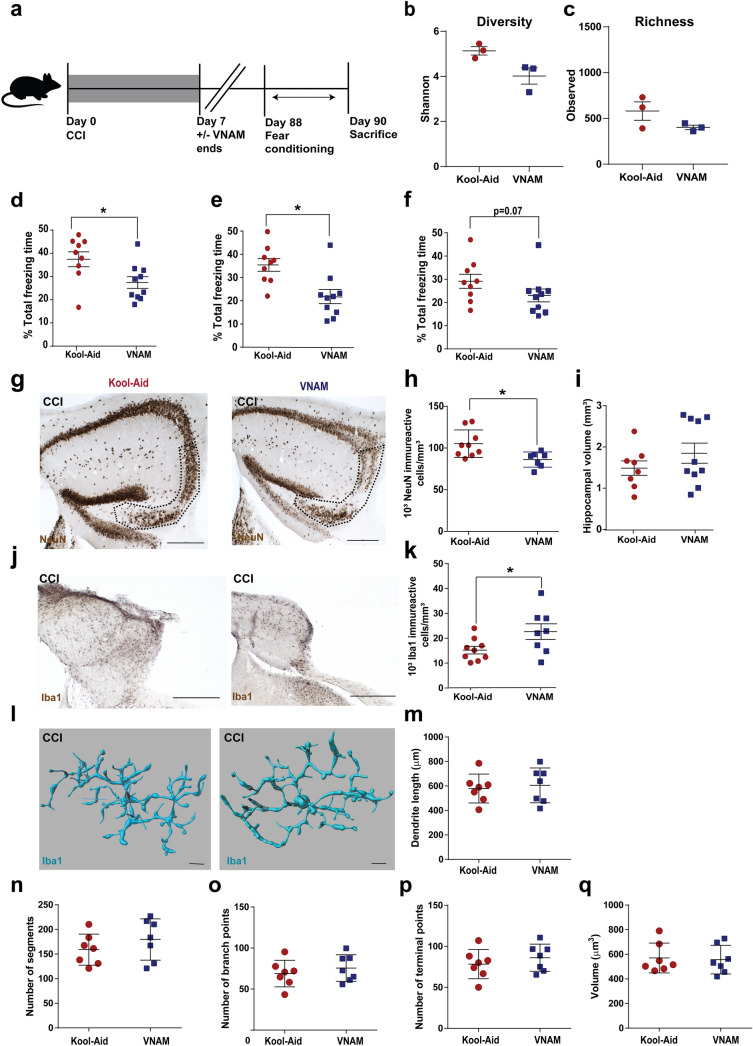
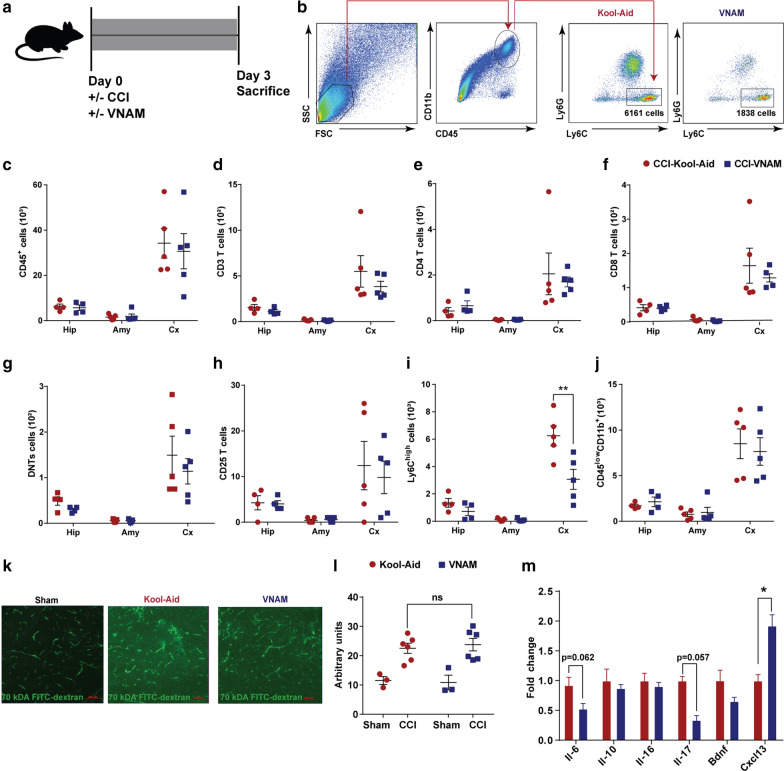
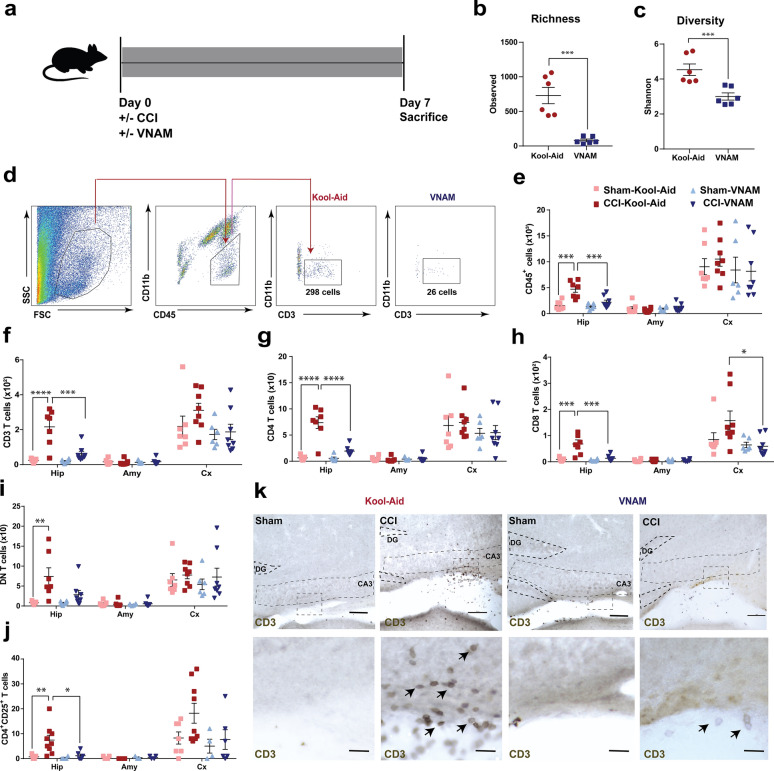
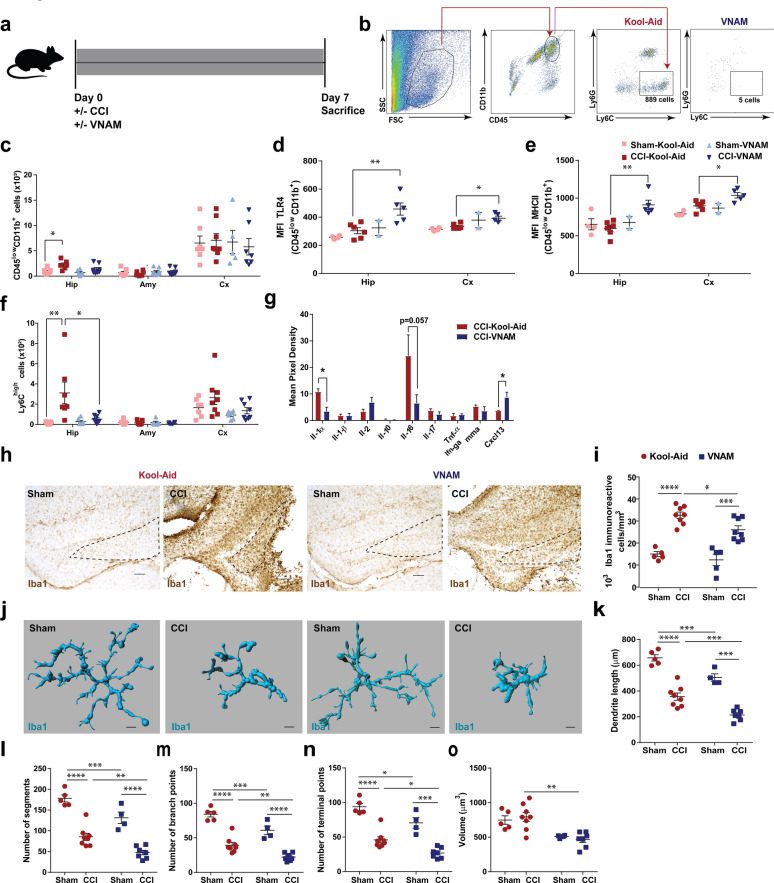
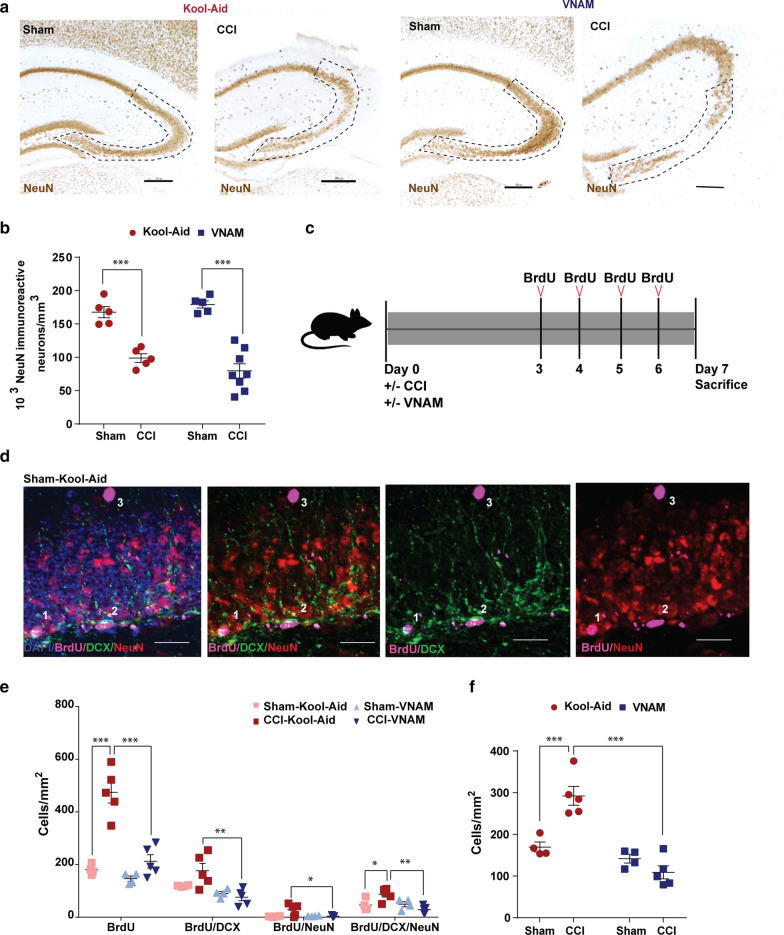
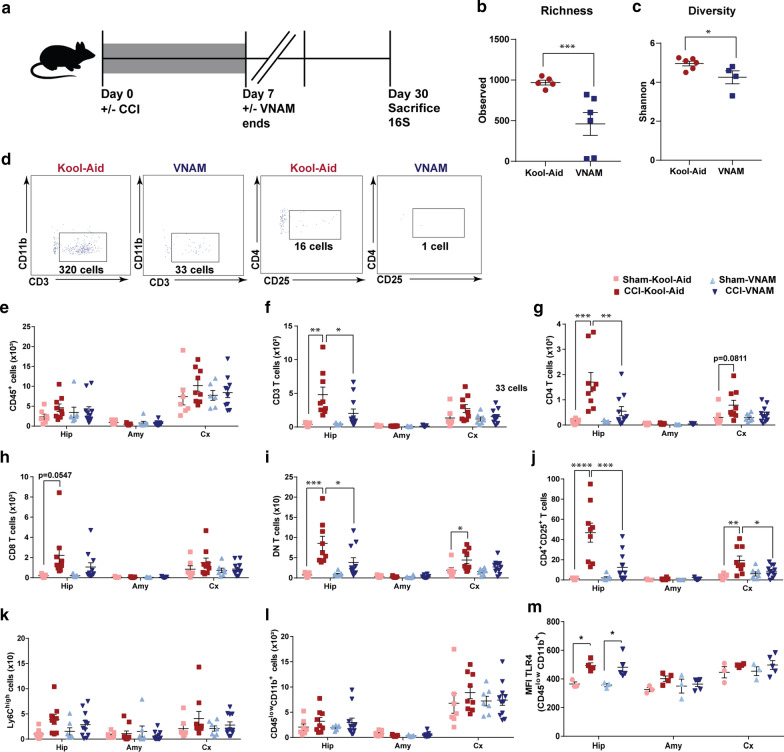
The influence of the gut microbiota on traumatic brain injury (TBI) is presently unknown. This knowledge gap is of paramount clinical significance as TBI patients are highly susceptible to alterations in the gut microbiota by antibiotic exposure. Antibiotic-induced gut microbial dysbiosis established prior to TBI significantly worsened neuronal loss and reduced microglia activation in the injured hippocampus with concomitant changes in fear memory response. Importantly, antibiotic exposure for 1 week after TBI reduced cortical infiltration of Ly6C monocytes, increased microglial pro-inflammatory markers, and decreased T lymphocyte infiltration, which persisted through 1 month post-injury. Moreover, microbial dysbiosis was associated with reduced neurogenesis in the dentate gyrus 1 week after TBI. By 3 months after injury (11 weeks after discontinuation of the antibiotics), we observed increased microglial proliferation, increased hippocampal neuronal loss, and modulation of fear memory response. These data demonstrate that antibiotic-induced gut microbial dysbiosis after TBI impacts neuroinflammation, neurogenesis, and fear memory and implicate gut microbial modulation as a potential therapeutic intervention for TBI.
肠道微生物群对创伤性脑损伤(TBI)的影响目前尚不清楚。这一知识空白具有至关重要的临床意义,因为 TBI 患者极易因抗生素暴露而导致肠道微生物群发生改变。TBI 前抗生素引起的肠道微生物失调显著加重了损伤海马区的神经元丢失和小胶质细胞激活,并伴有恐惧记忆反应的改变。重要的是,TBI 后 1 周内的抗生素暴露会减少皮质 Ly6C 单核细胞浸润,增加小胶质细胞促炎标志物,减少 T 淋巴细胞浸润,这种情况持续到损伤后 1 个月。此外,微生物失调与 TBI 后 1 周齿状回神经发生减少有关。在损伤后 3 个月(停用抗生素后 11 周),我们观察到小胶质细胞增殖增加、海马神经元丢失增加以及恐惧记忆反应的调节。这些数据表明,TBI 后抗生素引起的肠道微生物失调会影响神经炎症、神经发生和恐惧记忆,并暗示肠道微生物调节可能是 TBI 的一种潜在治疗干预措施。