Izumi Yuta, Kanayama Masashi, Shen Zhongchuzi, Kai Masayuki, Kawamura Shunsuke, Akiyama Megumi, Yamamoto Masahide, Nagao Toshikage, Okada Keigo, Kawamata Norihiko, Toyota Shigeo, Ohteki Toshiaki
Department of Biodefense Research, Medical Research Institute, Tokyo Medical and Dental University (TMDU), Tokyo, Japan.
Oncology Research Laboratories, Oncology R&D Unit, R&D Division, Kyowa Kirin Co., Ltd., Tokyo, Japan.
Front Immunol. 2021 Feb 22;12:618081. doi: 10.3389/fimmu.2021.618081. eCollection 2021.
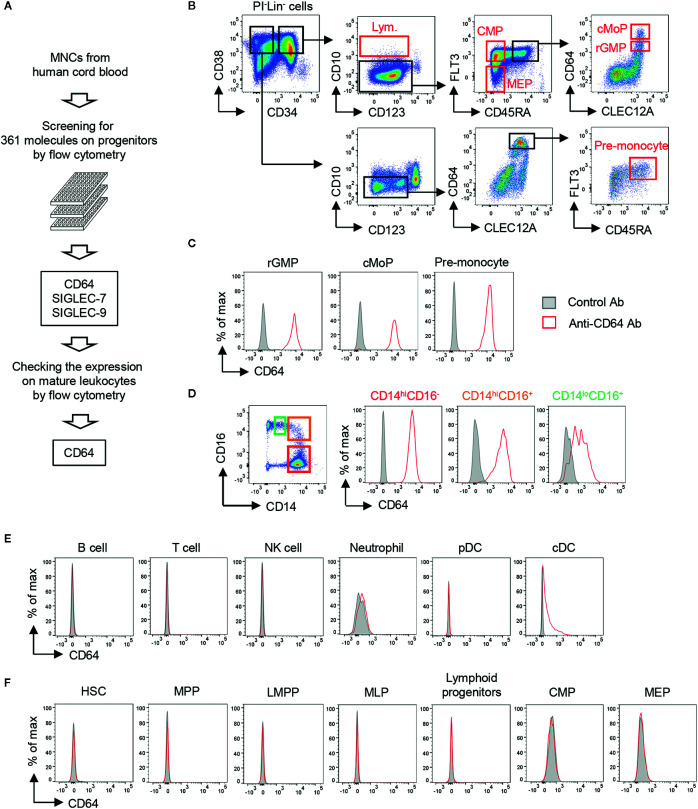
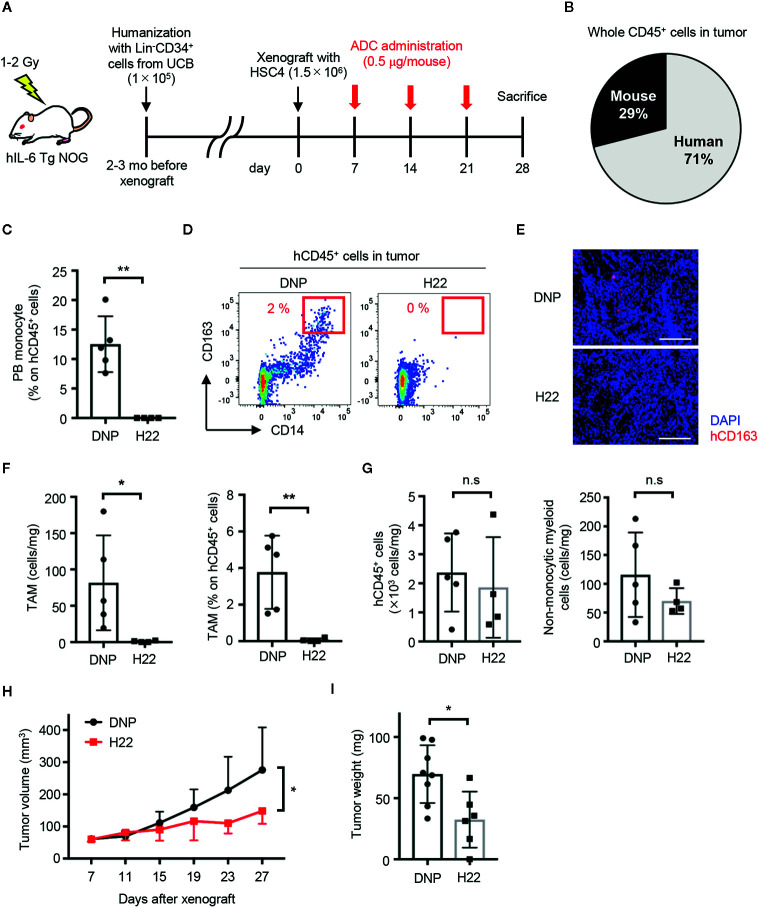
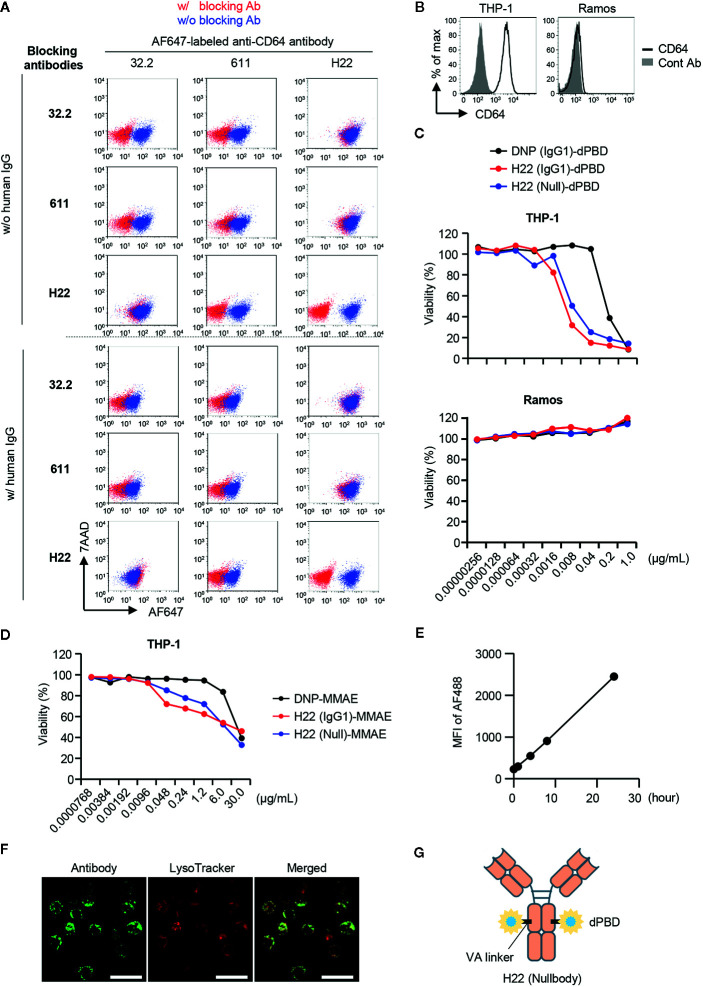
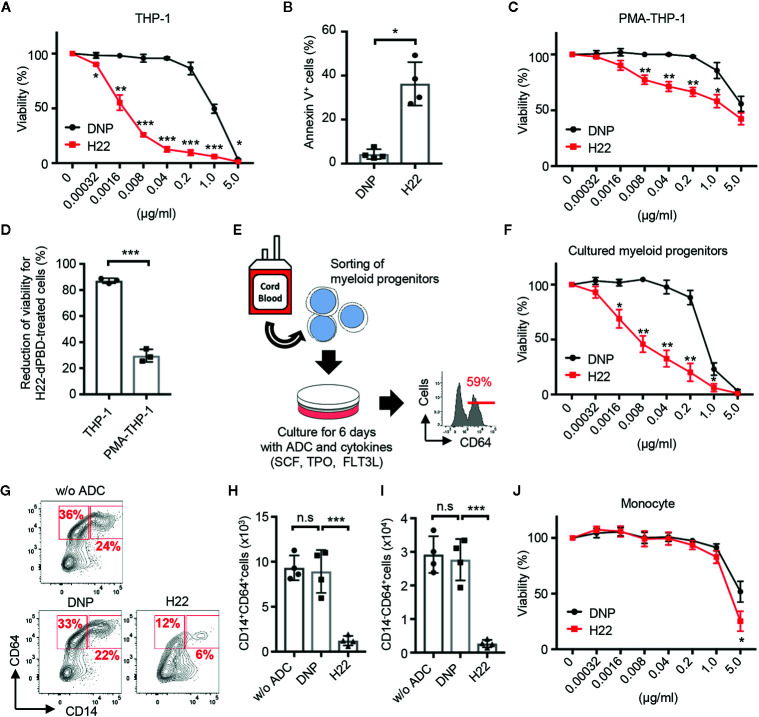
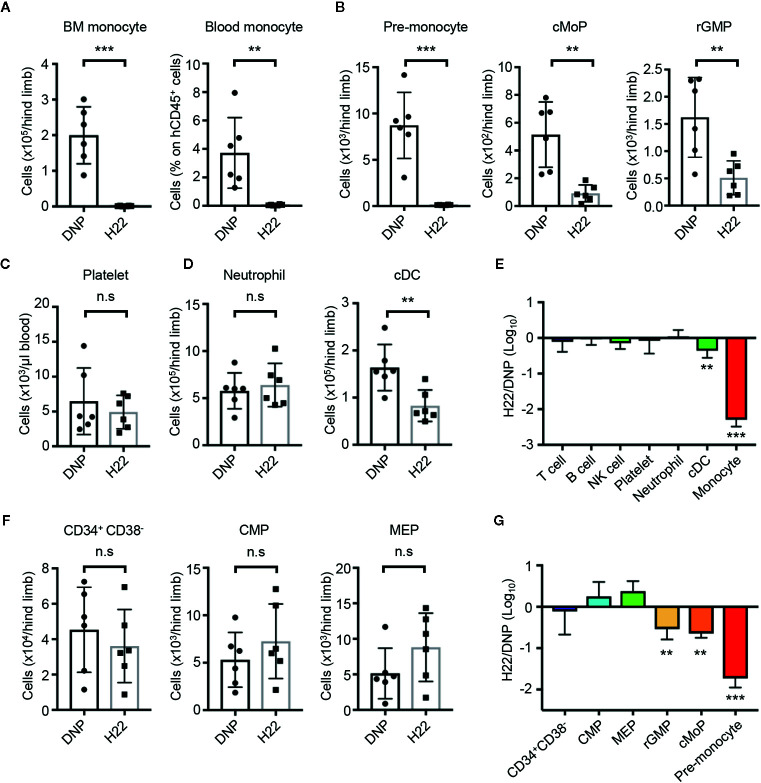
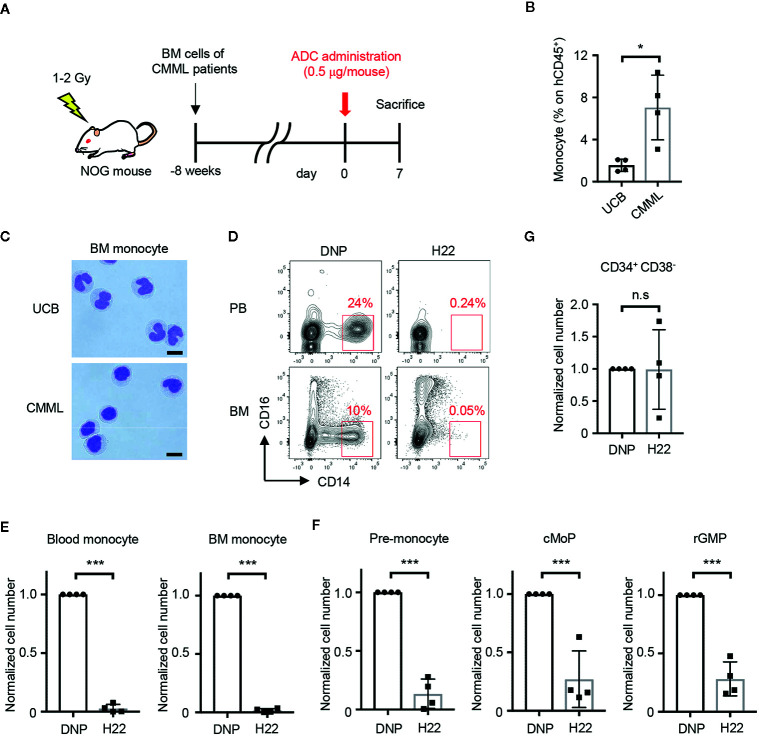
As hematopoietic progenitors supply a large number of blood cells, therapeutic strategies targeting hematopoietic progenitors are potentially beneficial to eliminate unwanted blood cells, such as leukemic cells and immune cells causing diseases. However, due to their pluripotency, targeting those cells may impair the production of multiple cell lineages, leading to serious side effects such as anemia and increased susceptibility to infection. To minimize those side effects, it is important to identify monopotent progenitors that give rise to a particular cell lineage. Monocytes and monocyte-derived macrophages play important roles in the development of inflammatory diseases and tumors. Recently, we identified human monocyte-restricted progenitors, namely, common monocyte progenitors and pre-monocytes, both of which express high levels of CD64, a well-known monocyte marker. Here, we introduce a dimeric pyrrolobenzodiazepine (dPBD)-conjugated anti-CD64 antibody (anti-CD64-dPBD) that selectively induces the apoptosis of proliferating human monocyte-restricted progenitors but not non-proliferating mature monocytes. Treatment with anti-CD64-dPBD did not affect other types of hematopoietic cells including hematopoietic stem and progenitor cells, neutrophils, lymphocytes and platelets, suggesting that its off-target effects are negligible. In line with these findings, treatment with anti-CD64-dPBD directly killed proliferating monocytic leukemia cells and prevented monocytic leukemia cell generation from bone marrow progenitors of chronic myelomonocytic leukemia patients in a patient-derived xenograft model. Furthermore, by depleting the source of monocytes, treatment with anti-CD64-dPBD ultimately eliminated tumor-associated macrophages and significantly reduced tumor size in humanized mice bearing solid tumors. Given the selective action of anti-CD64-dPBD on proliferating monocyte progenitors and monocytic leukemia cells, it should be a promising tool to target cancers and other monocyte-related inflammatory disorders with minimal side effects on other cell lineages.
由于造血祖细胞可产生大量血细胞,因此靶向造血祖细胞的治疗策略可能有助于清除不需要的血细胞,如白血病细胞和引发疾病的免疫细胞。然而,由于它们具有多能性,靶向这些细胞可能会损害多种细胞谱系的生成,导致严重的副作用,如贫血和感染易感性增加。为了将这些副作用降至最低,识别产生特定细胞谱系的单能祖细胞非常重要。单核细胞和单核细胞衍生的巨噬细胞在炎症性疾病和肿瘤的发展中起重要作用。最近,我们鉴定出了人类单核细胞限制性祖细胞,即常见单核细胞祖细胞和前单核细胞,它们都高表达CD64,这是一种著名的单核细胞标志物。在此,我们介绍一种二聚吡咯并苯二氮卓(dPBD)偶联的抗CD64抗体(抗CD64-dPBD),它能选择性地诱导增殖的人类单核细胞限制性祖细胞凋亡,但不会诱导非增殖的成熟单核细胞凋亡。用抗CD64-dPBD处理不会影响其他类型的造血细胞,包括造血干细胞和祖细胞、中性粒细胞、淋巴细胞和血小板,这表明其脱靶效应可忽略不计。与这些发现一致,在患者来源的异种移植模型中,用抗CD64-dPBD处理可直接杀死增殖的单核细胞白血病细胞,并阻止慢性粒单核细胞白血病患者骨髓祖细胞产生单核细胞白血病细胞。此外,通过消耗单核细胞来源,用抗CD64-dPBD处理最终消除了荷实体瘤的人源化小鼠中的肿瘤相关巨噬细胞,并显著减小了肿瘤大小。鉴于抗CD64-dPBD对增殖的单核细胞祖细胞和单核细胞白血病细胞具有选择性作用,它应该是一种有前景的工具,可用于靶向癌症和其他与单核细胞相关的炎症性疾病,同时对其他细胞谱系的副作用最小。