Lee David E, Brown Jacob L, Rosa-Caldwell Megan E, Perry Richard A, Brown Lemuel A, Haynie Wesley S, Washington Tyrone A, Wiggs Michael P, Rajaram Narasimhan, Greene Nicholas P
Cachexia Research Laboratory, Department of Health, Human Performance and Recreation, University of Arkansas, Fayetteville, Arkansas, USA.
Laboratory for Functional Optical Imaging and Spectroscopy, Department of Biomedical Engineering, University of Arkansas, Fayetteville, Arkansas, USA.
JCSM Rapid Commun. 2021 Jan-Jun;4(1):3-15. doi: 10.1002/rco2.18. Epub 2020 Aug 7.
Cachexia presents in 80% of advanced cancer patients; however, cardiac atrophy in cachectic patients receives little attention. This cardiomyopathy contributes to increased occurrence of adverse cardiac events compared to age-matched population norms. Research on cardiac atrophy has focused on remodeling; however, alterations in metabolic properties may be a primary contributor.
Determine how cancer-induced cardiac atrophy alters mitochondrial turnover, mitochondrial mRNA translation machinery and oxidative characteristics.
Lewis lung carcinoma (LLC) tumors were implanted in C57BL6/J mice and grown for 28days to induce cardiac atrophy. Endogenous metabolic species, and markers of mitochondrial function were assessed. H9c2 cardiomyocytes were cultured in LLC-conditioned media with(out) the antioxidant MitoTempo. Cells were analyzed for ROS, oxidative capacity, and hypoxic resistance.
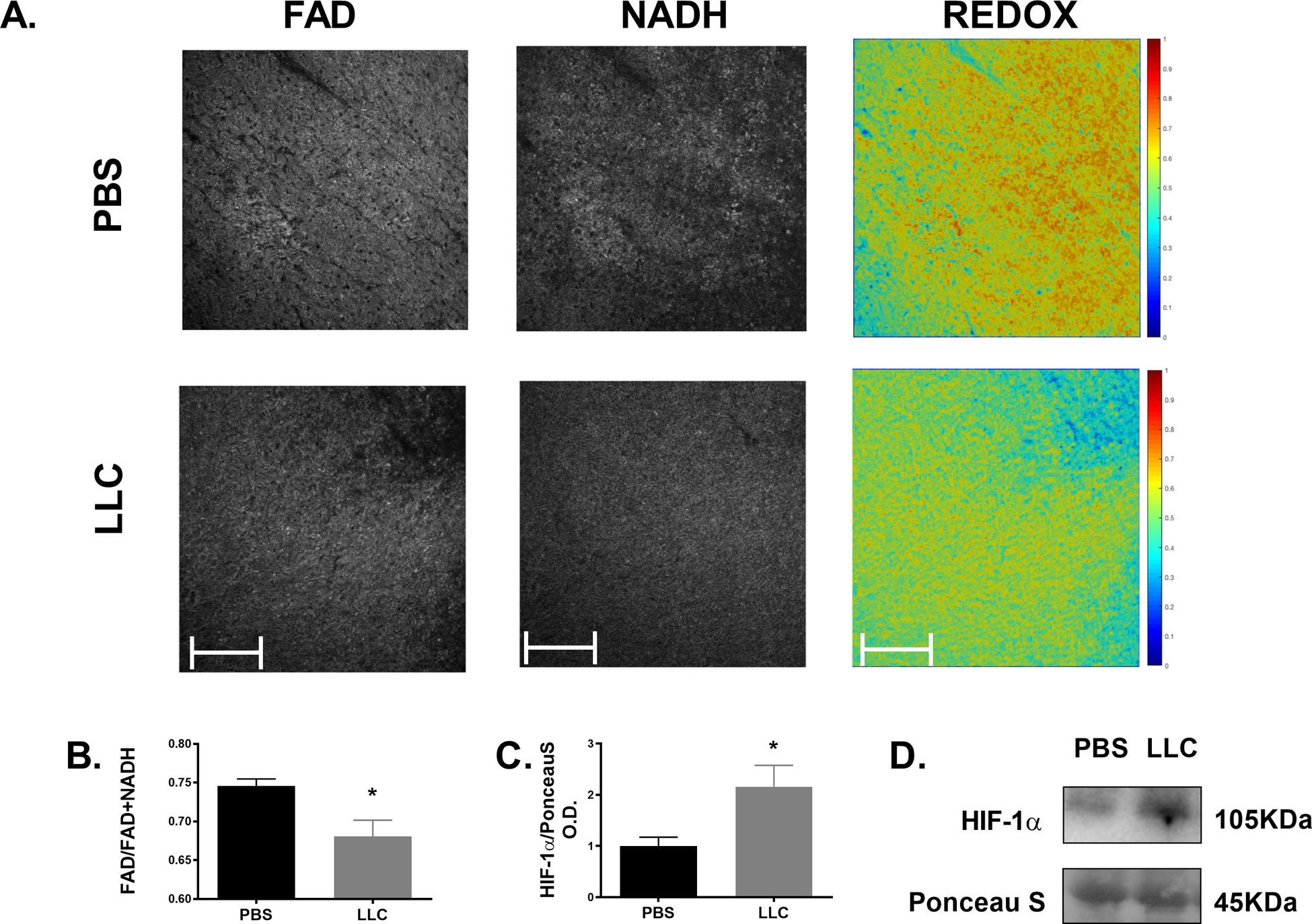
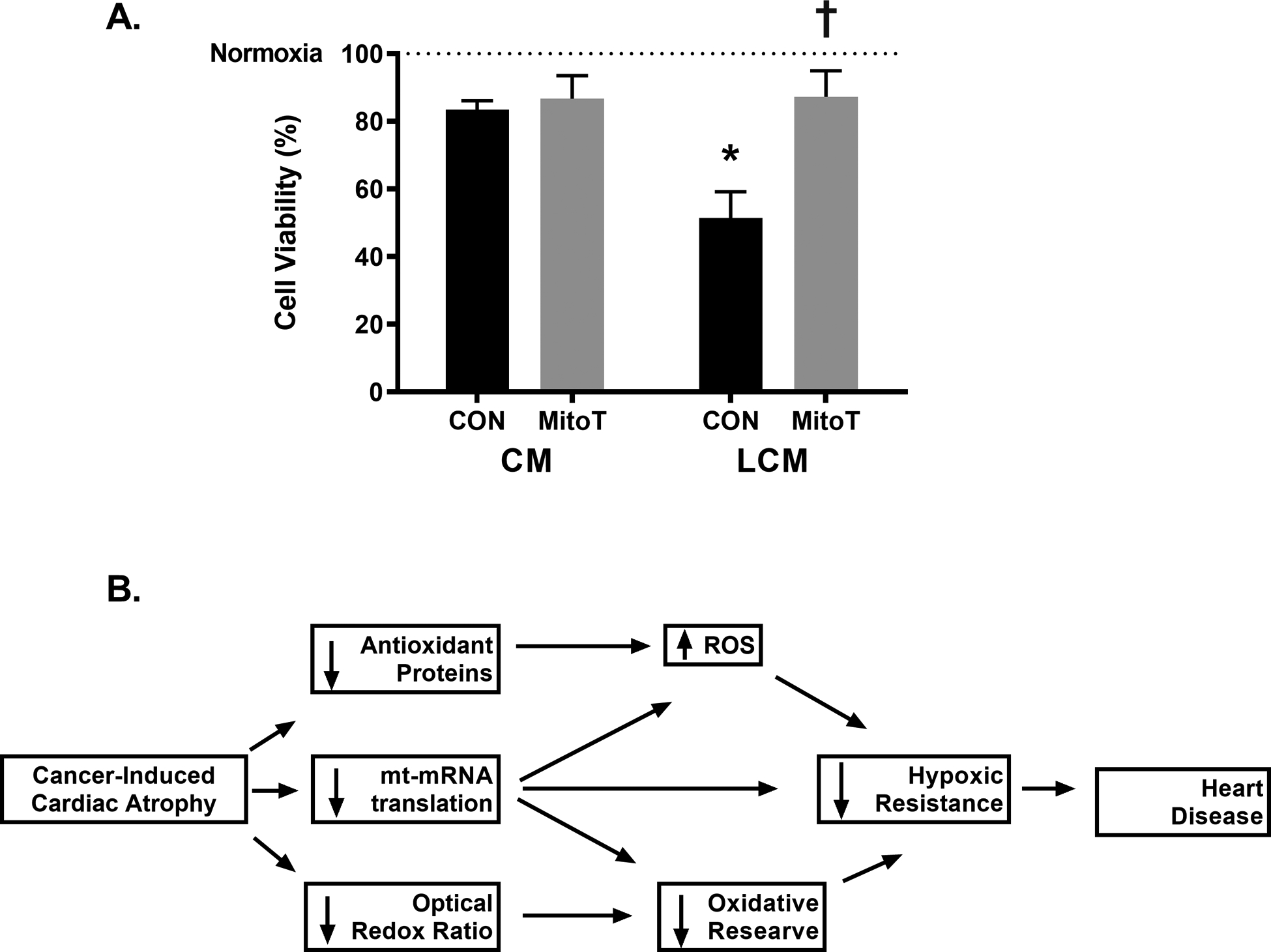
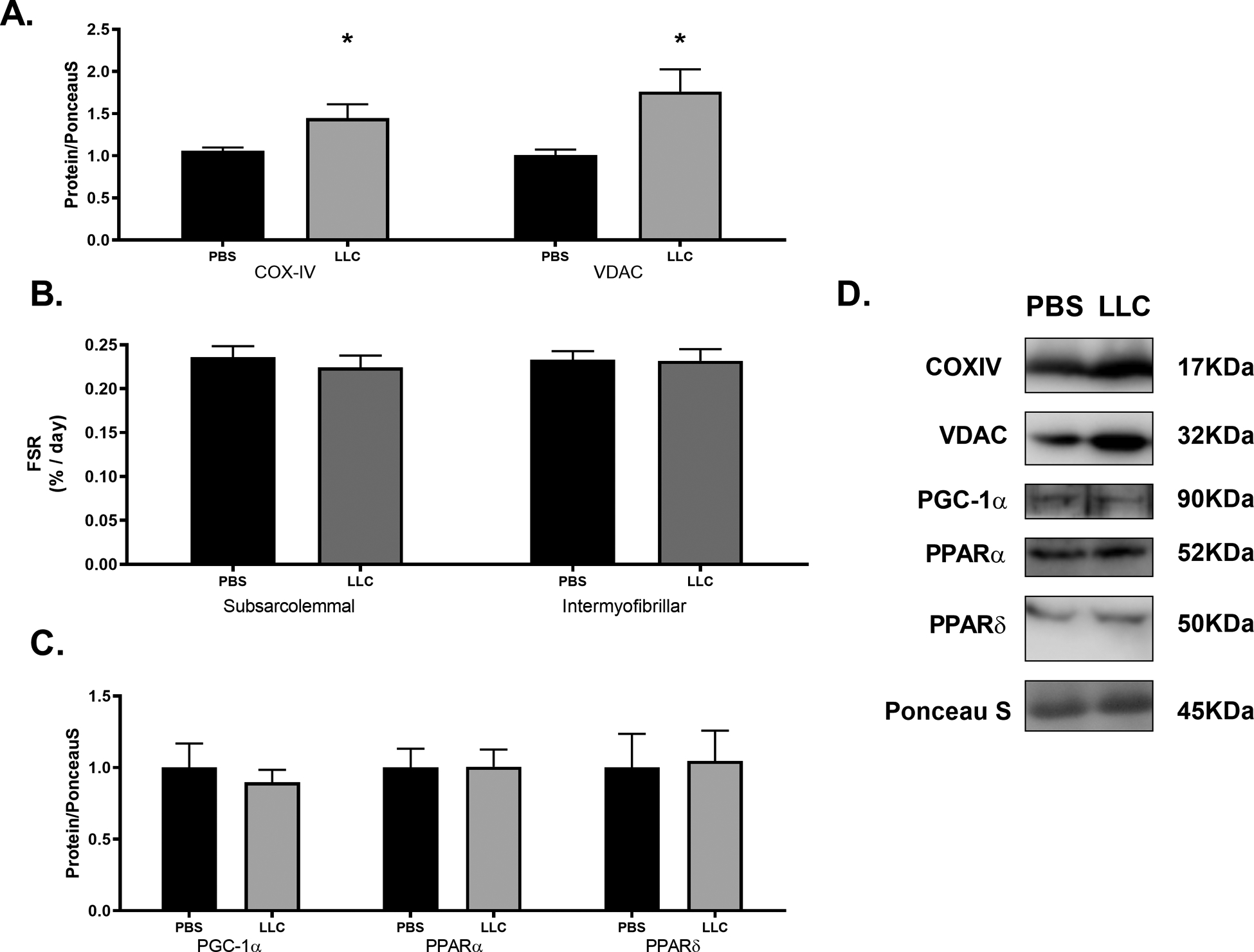
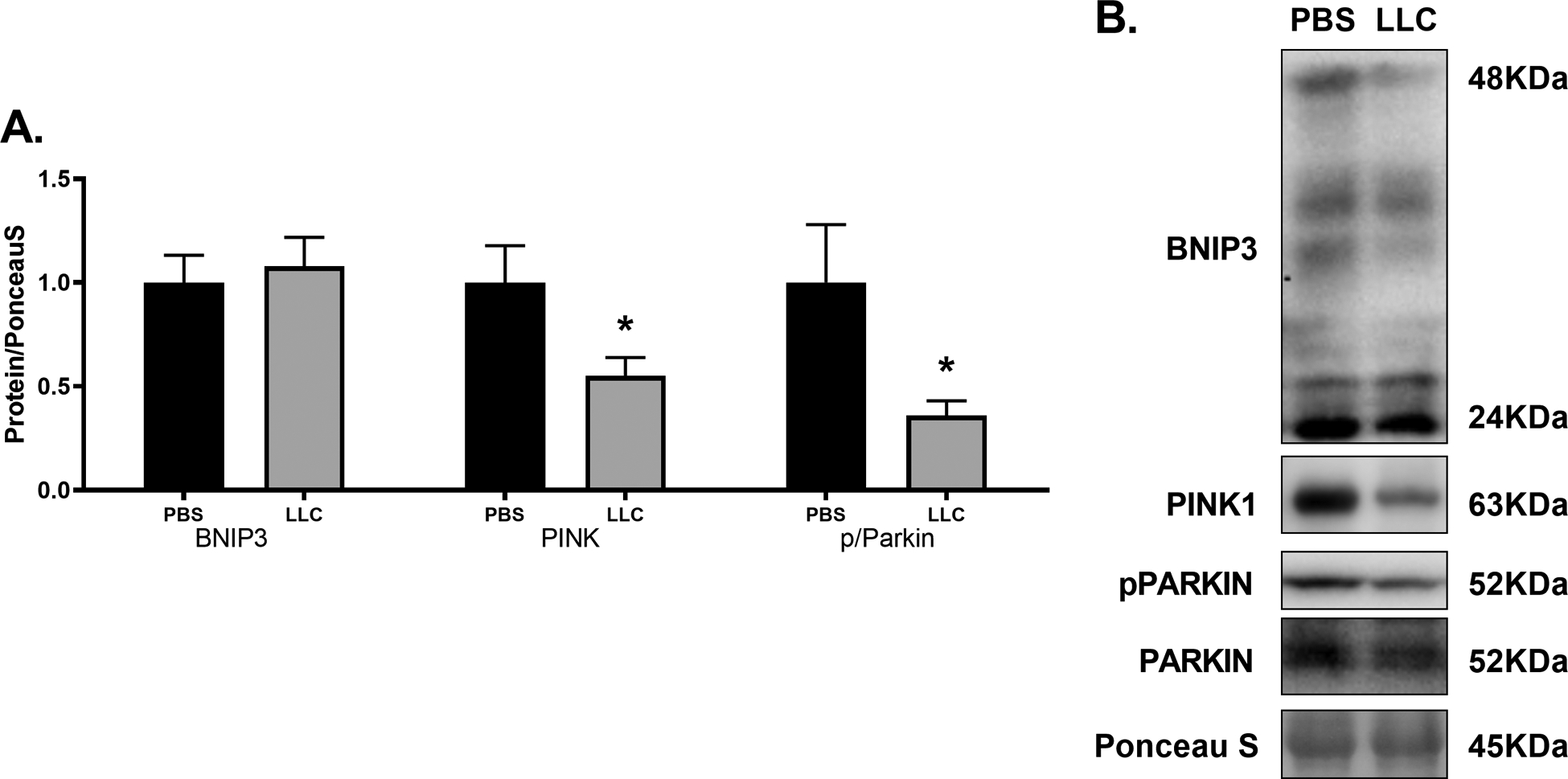
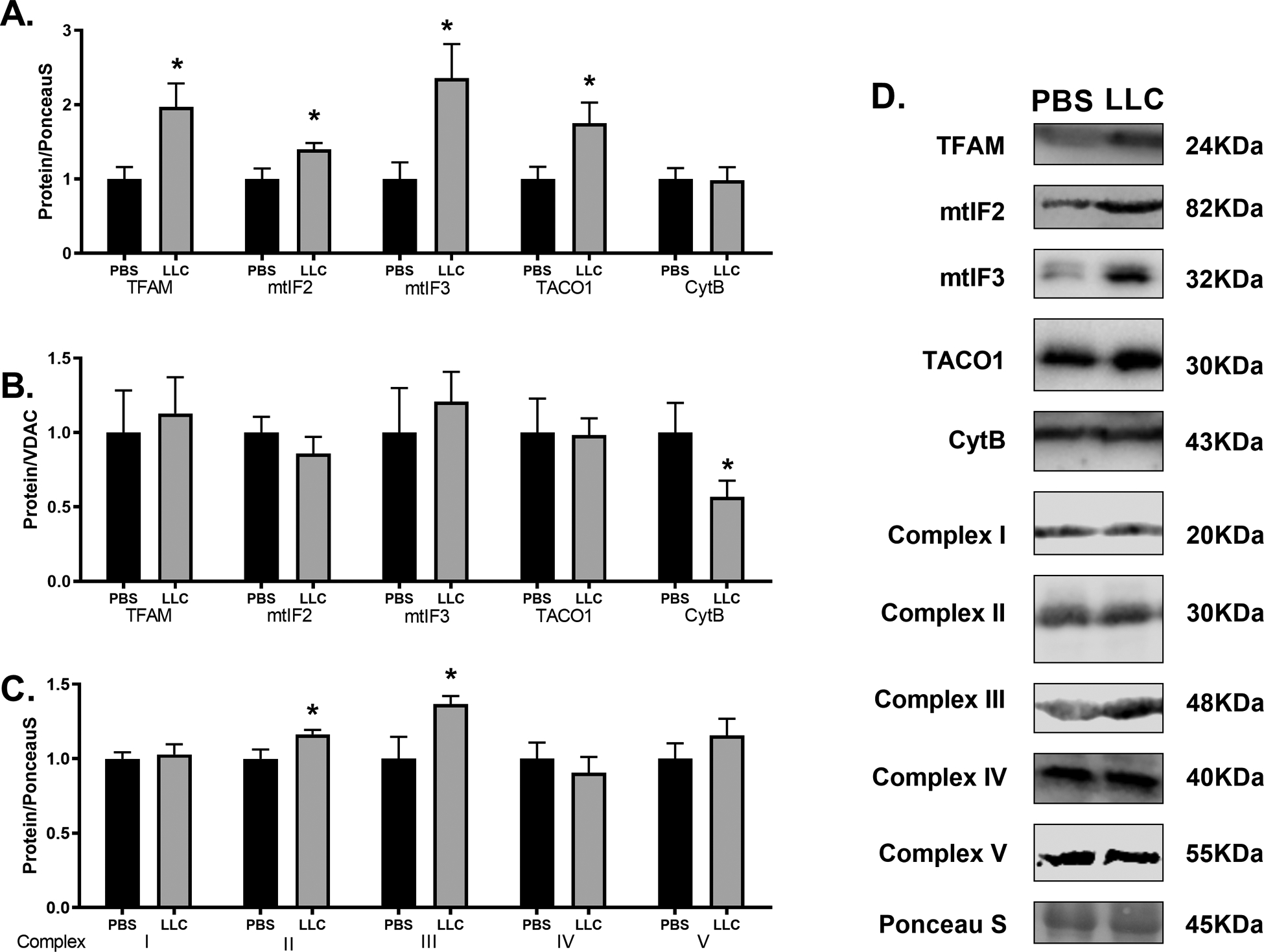
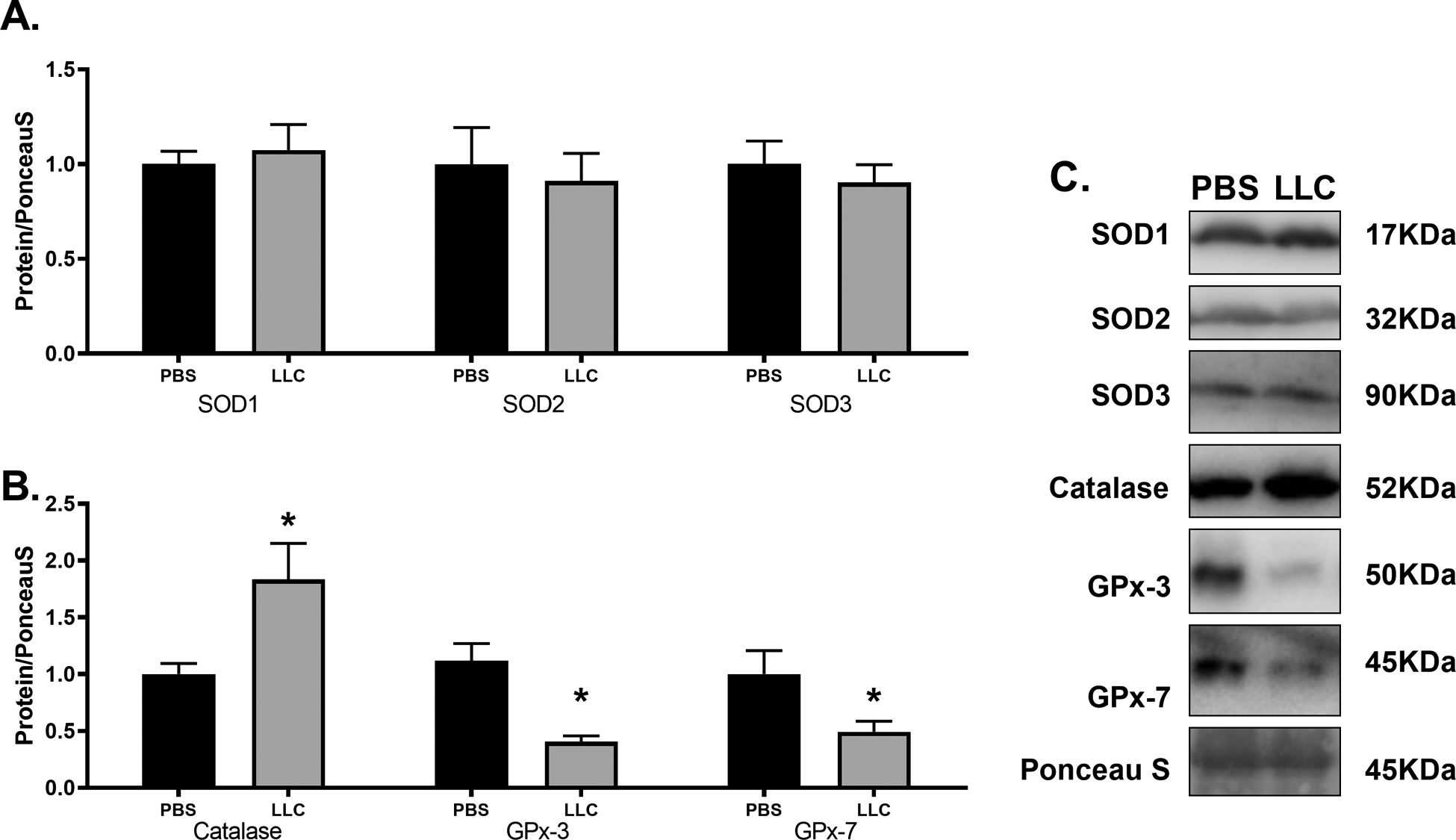
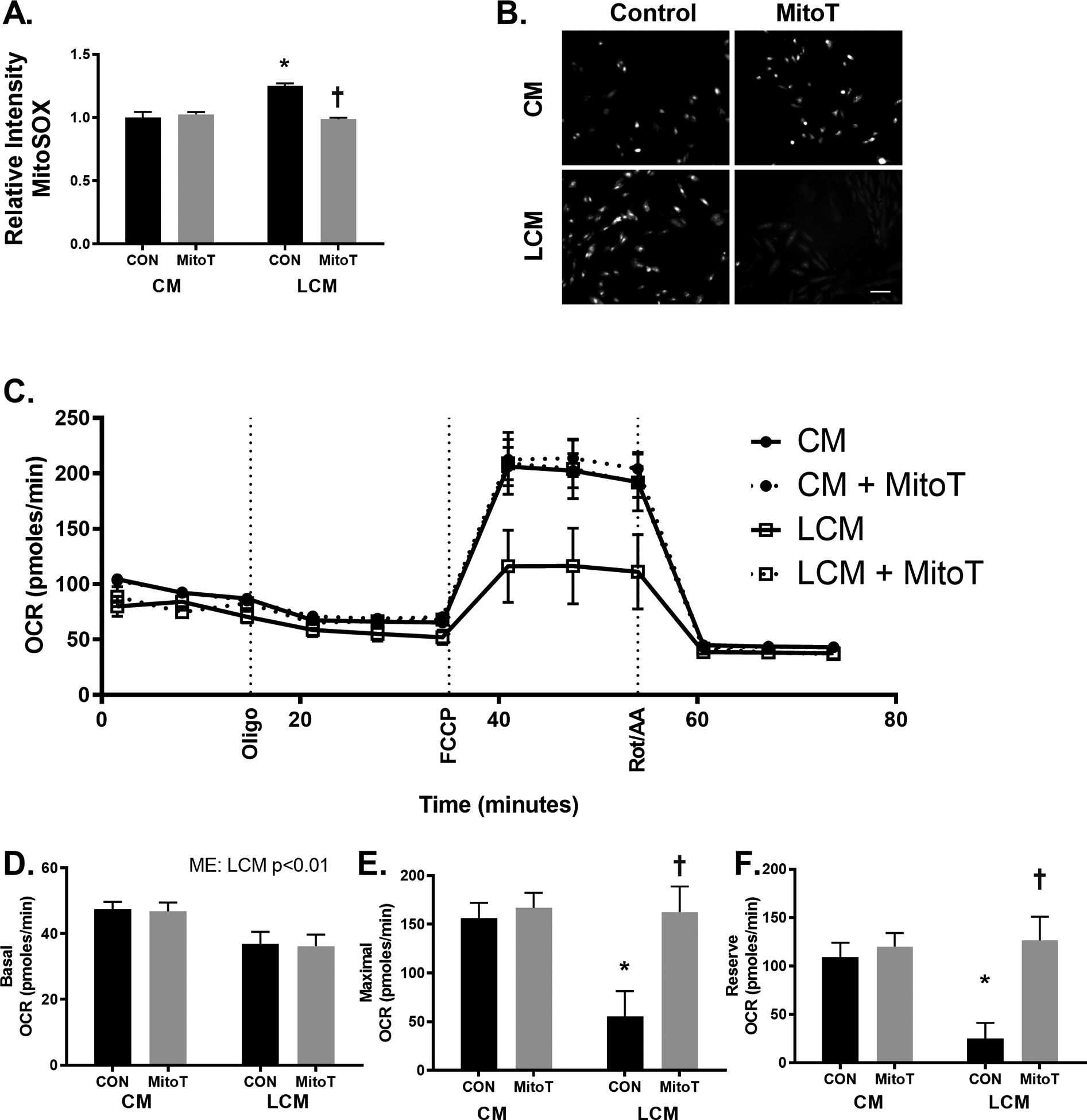
LLC heart weights were 10% lower than controls. LLC hearts demonstrated ~15% lower optical redox ratio (FAD/FAD+NADH) compared to PBS controls. When compared to PBS, LLC hearts showed ~50% greater COX-IV and VDAC, attributed to ~50% lower mitophagy markers. mt-mRNA translation machinery was elevated similarly to markers of mitochondrial content. mitochondrial DNA-encoded Cytb was ~30% lower in LLC hearts. ROS scavengers GPx-3 and GPx-7 were ~50% lower in LLC hearts. Treatment of cardiomyocytes with LLC-conditioned media resulted in higher ROS (25%), lower oxygen consumption rates (10% at basal, 75% at maximal), and greater susceptibility to hypoxia (25%) -- which was reversed by MitoTempo.
These results substantiate metabolic cardiotoxic effects attributable to tumor-associated factors and provide insight into interactions between mitochondrial mRNA translation, ROS mitigation, oxidative capacity and hypoxia resistance.
80%的晚期癌症患者会出现恶病质;然而,恶病质患者的心脏萎缩很少受到关注。与年龄匹配的人群标准相比,这种心肌病会导致不良心脏事件的发生率增加。对心脏萎缩的研究主要集中在重塑方面;然而,代谢特性的改变可能是主要原因。
确定癌症诱导的心脏萎缩如何改变线粒体周转、线粒体mRNA翻译机制和氧化特性。
将Lewis肺癌(LLC)肿瘤植入C57BL6/J小鼠体内,生长28天以诱导心脏萎缩。评估内源性代谢物质和线粒体功能标志物。将H9c2心肌细胞在含(或不含)抗氧化剂MitoTempo的LLC条件培养基中培养。分析细胞的活性氧(ROS)、氧化能力和缺氧抗性。
LLC组心脏重量比对照组低约10%。与PBS对照组相比,LLC组心脏的光学氧化还原比(FAD/FAD+NADH)低约15%。与PBS相比,LLC组心脏的COX-IV和VDAC增加约50%,这归因于线粒体自噬标志物降低约50%。线粒体mRNA翻译机制的升高与线粒体含量标志物相似。LLC组心脏中线粒体DNA编码的细胞色素b(Cytb)低约30%。LLC组心脏中的ROS清除剂GPx-3和GPx-7低约50%。用LLC条件培养基处理心肌细胞会导致更高的ROS(25%)、更低的耗氧率(基础状态下低10%,最大状态下低75%)以及对缺氧的更大易感性(约25%)——而MitoTempo可逆转这种情况。
这些结果证实了肿瘤相关因素导致的代谢性心脏毒性作用,并为线粒体mRNA翻译、ROS缓解、氧化能力和缺氧抗性之间的相互作用提供了见解。