Department of Biostatistics, University of North Carolina, Chapel Hill, North Carolina, USA.
Vaccine and Infectious Disease Division, Fred Hutch, Seattle, Washington, USA.
Clin Infect Dis. 2021 Nov 16;73(10):1927-1939. doi: 10.1093/cid/ciab226.
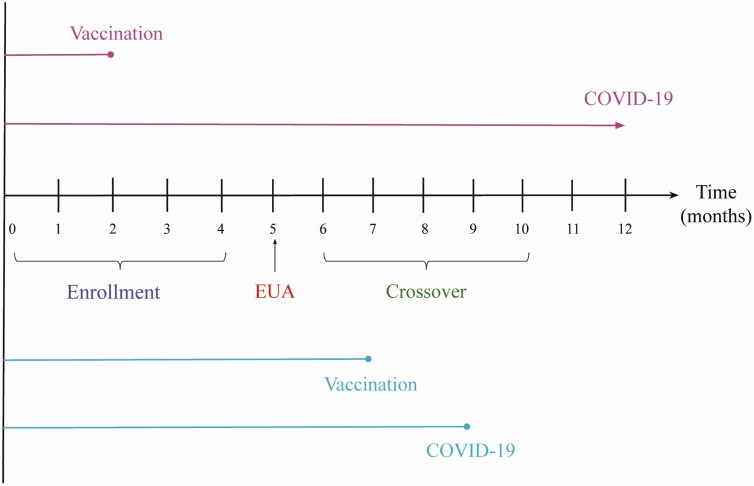
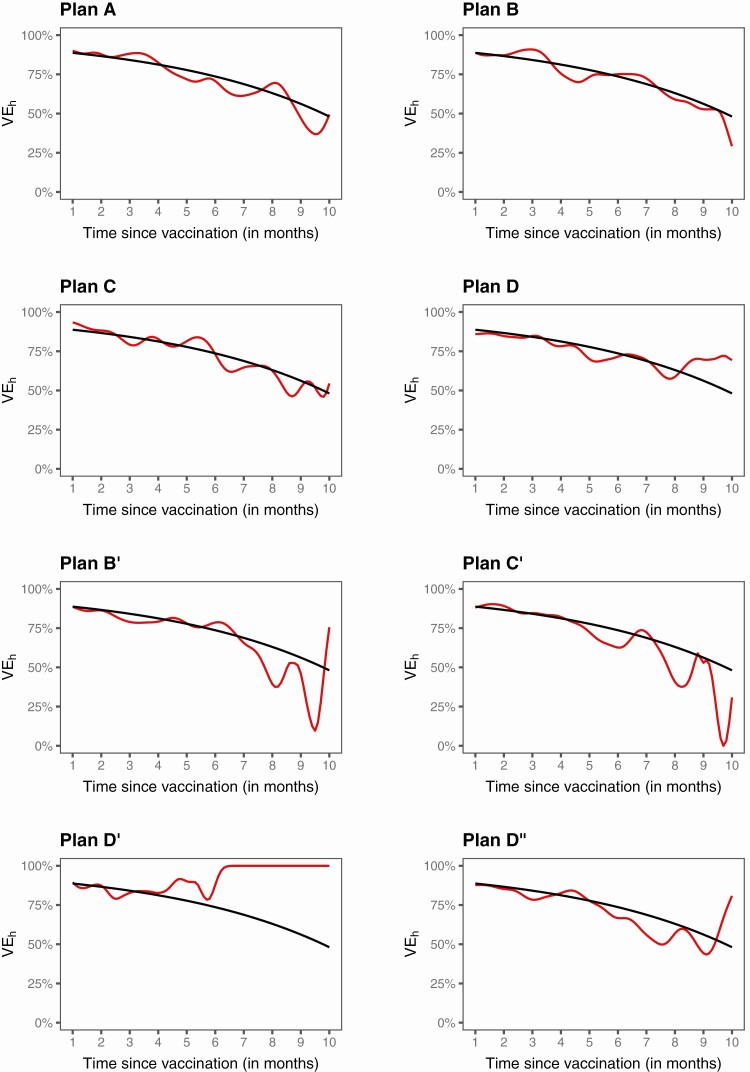
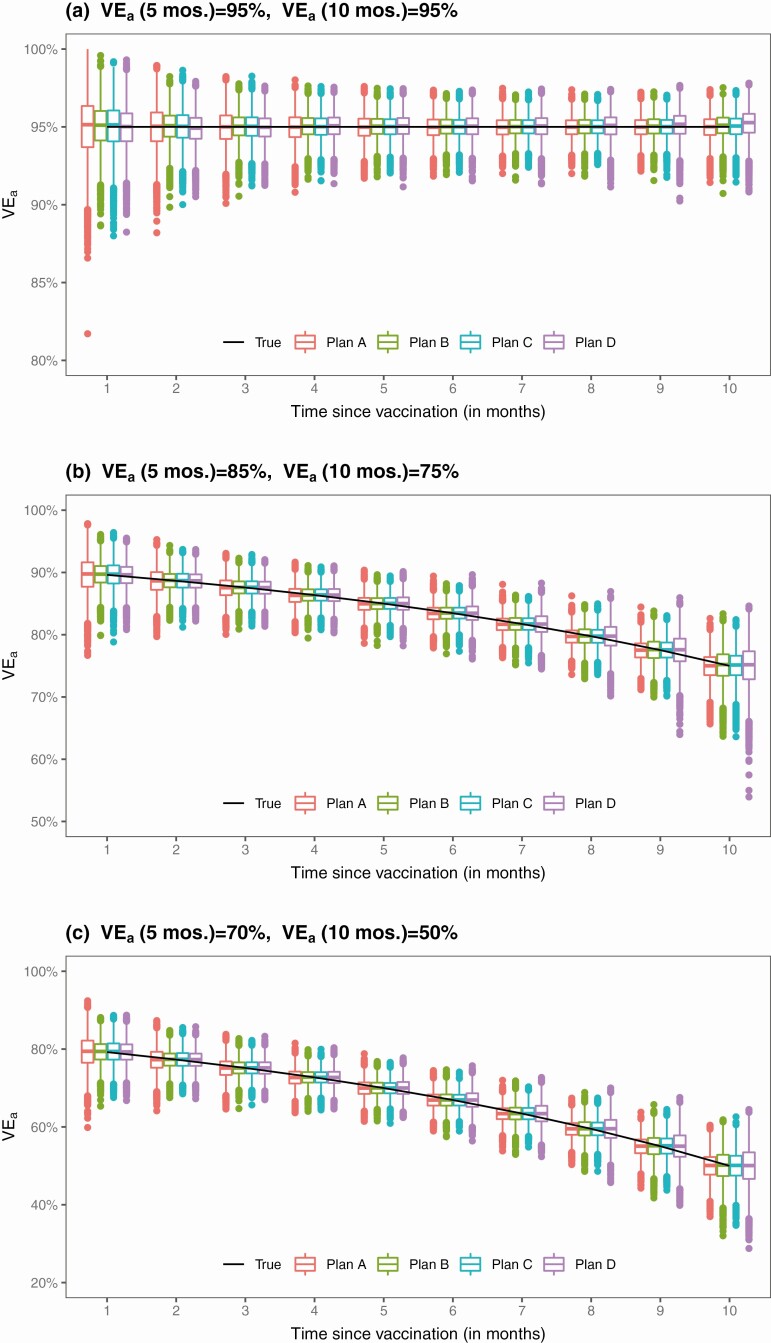
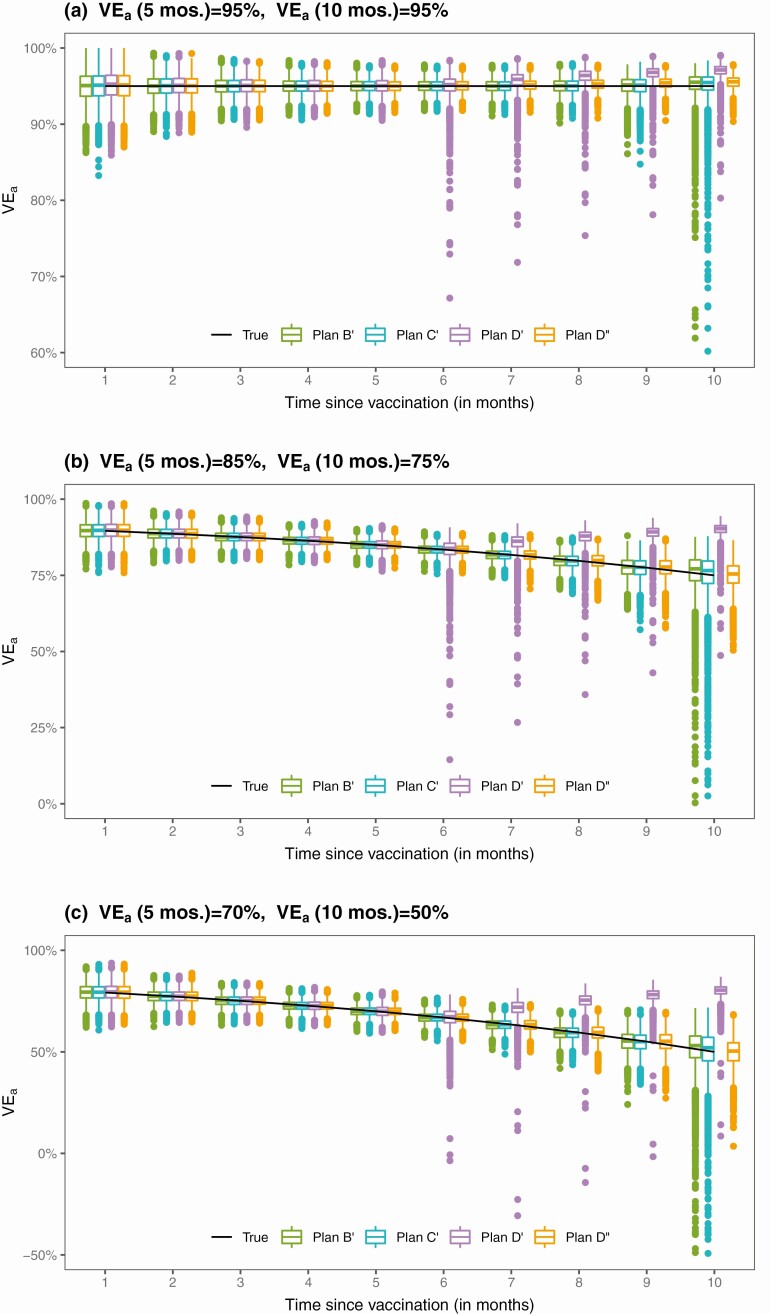
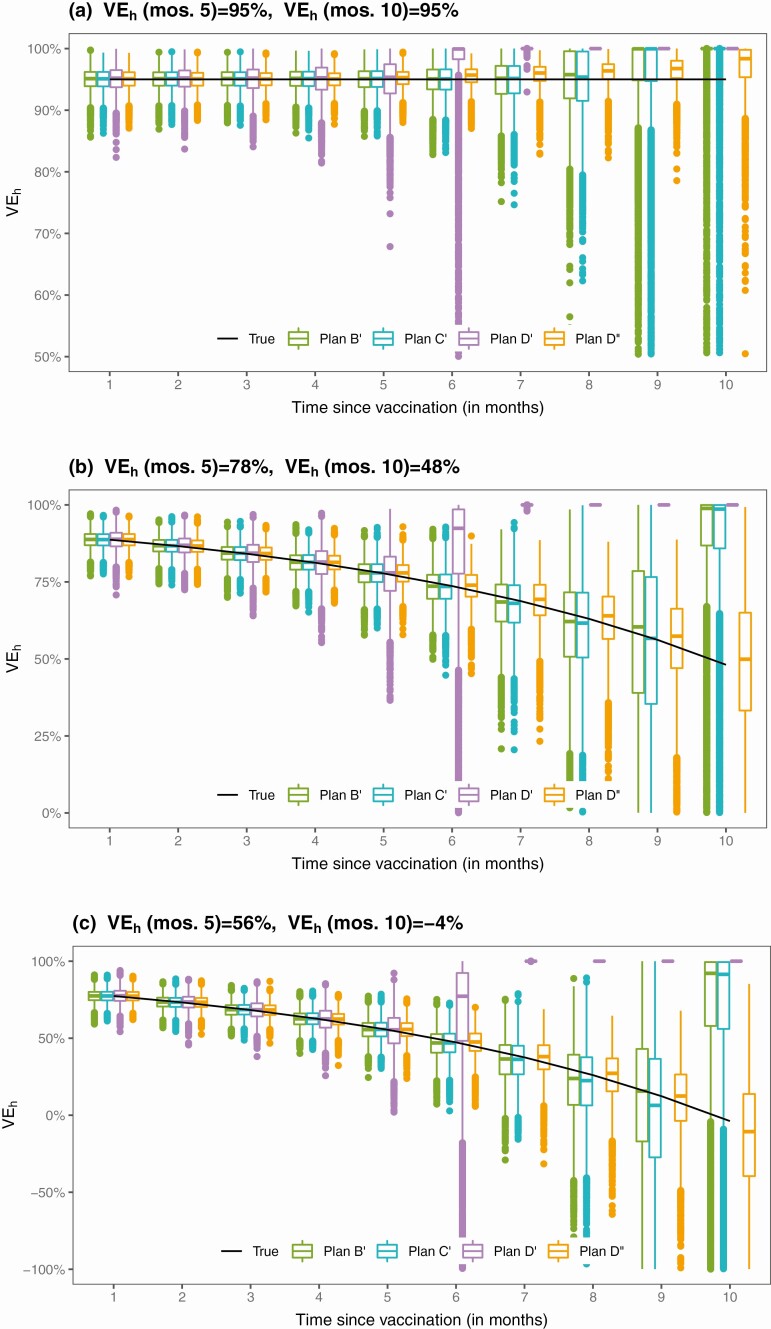
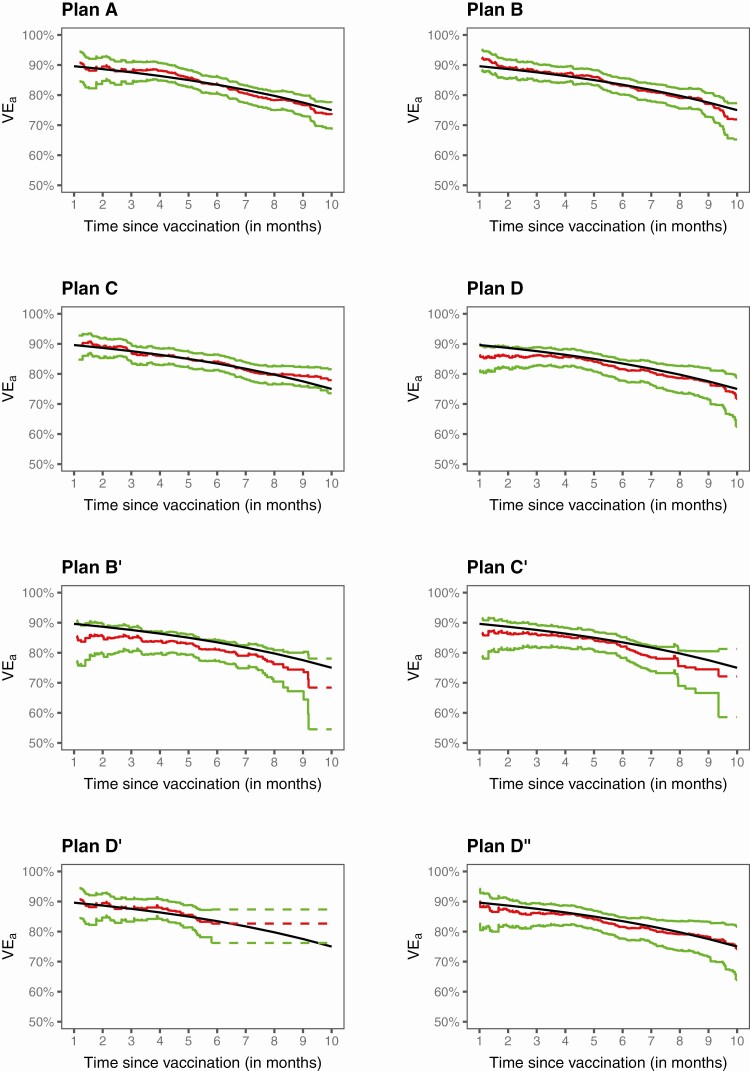
Large-scale deployment of safe and durably effective vaccines can curtail the coronavirus disease-2019 (COVID-19) pandemic. However, the high vaccine efficacy (VE) reported by ongoing phase 3 placebo-controlled clinical trials is based on a median follow-up time of only about 2 months, and thus does not pertain to long-term efficacy. To evaluate the duration of protection while allowing trial participants timely access to efficacious vaccine, investigators can sequentially cross participants over from the placebo arm to the vaccine arm. Here, we show how to estimate potentially time-varying placebo-controlled VE in this type of staggered vaccination of participants. In addition, we compare the performance of blinded and unblinded crossover designs in estimating long-term VE.
大规模部署安全且持久有效的疫苗可以遏制 2019 年冠状病毒病(COVID-19)大流行。然而,正在进行的 3 期安慰剂对照临床试验报告的高疫苗有效性(VE)是基于大约只有 2 个月的中位随访时间,因此不适用于长期疗效。为了评估保护持续时间,同时允许试验参与者及时获得有效的疫苗,研究人员可以按顺序将参与者从安慰剂组交叉到疫苗组。在这里,我们展示了如何在这种交错接种参与者的情况下估计潜在的随时间变化的安慰剂对照 VE。此外,我们比较了盲法和非盲法交叉设计在估计长期 VE 方面的性能。