Clinical Research Center, The First Affiliated Hospital of Xi'an Jiaotong University, Xi'an, Shaanxi, China.
Department of Clinical Research, The First Affiliated Hospital of Jinan University, 613 Whampoa Avenue, Tianhe District, Guangzhou, China.
BMC Med Genomics. 2021 Mar 11;14(1):78. doi: 10.1186/s12920-021-00930-1.
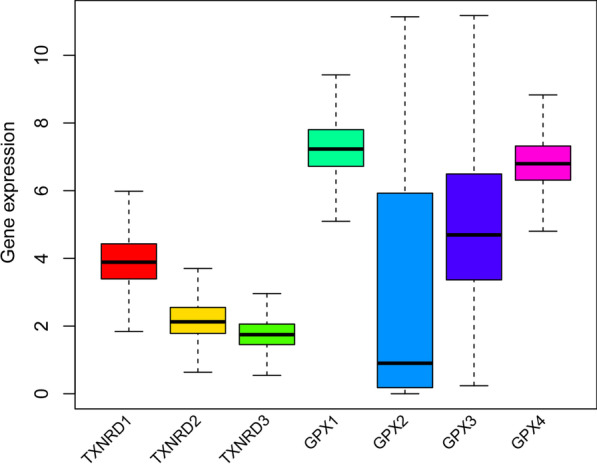
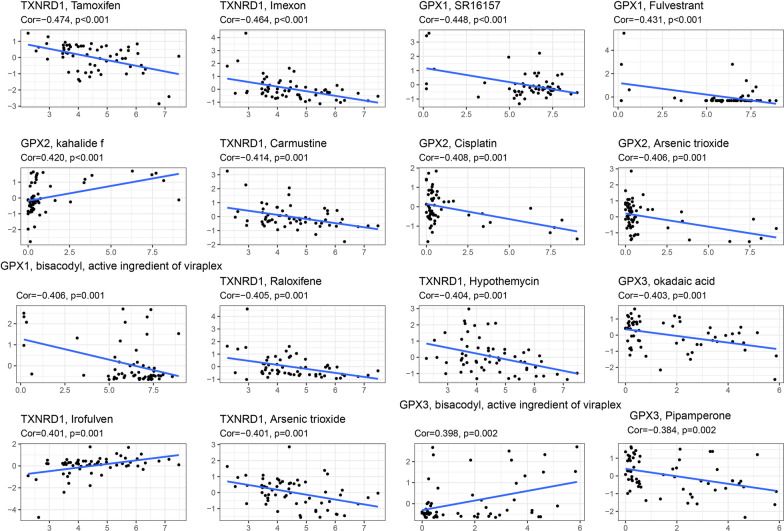
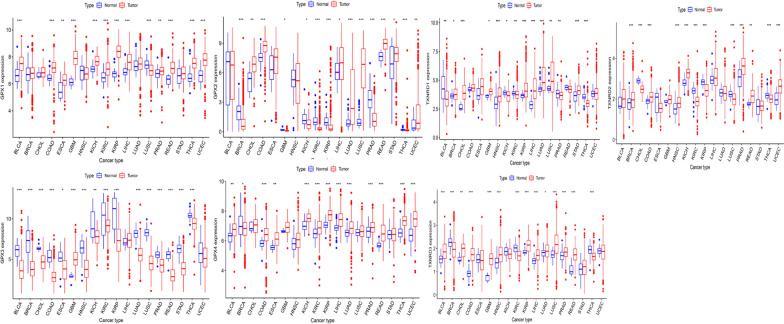
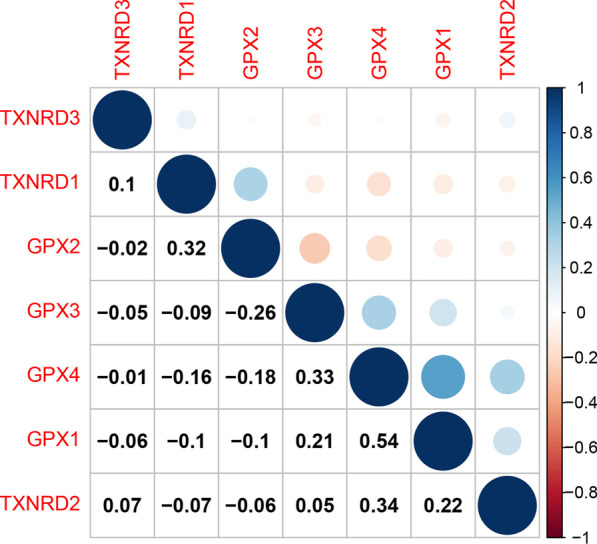
The most important health benefit of selenium (Se) is in the prevention and control of cancer. Glutathione peroxidases (GPXs) and thioredoxin reductases (TXNRDs) are selenoenzymes that are thought to play a role in oxidative stress. The differential expression of genes of the TXNRD and GPX families is closely related to carcinogenesis and the occurrence of cancer. This study comprehensively analyzed the expression profiles of seven genes in the TXNRD and GPX families, in terms of their correlations with patient survival and immune-cell subtypes, tumor microenvironment, and drug sensitivity.
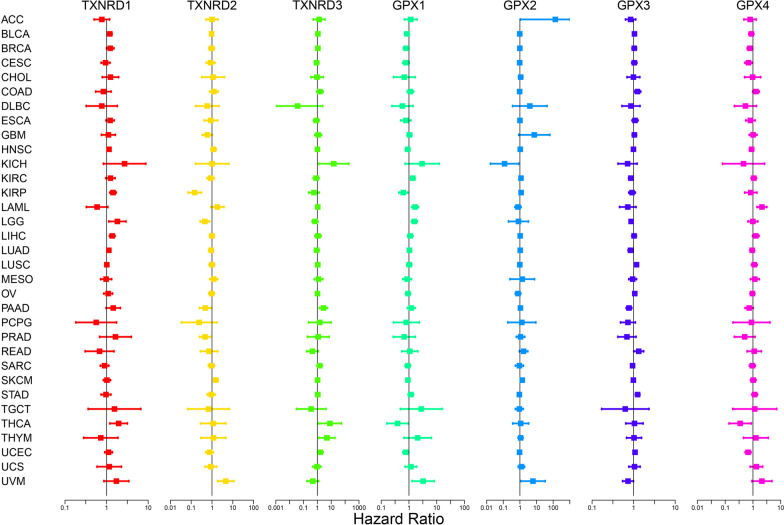
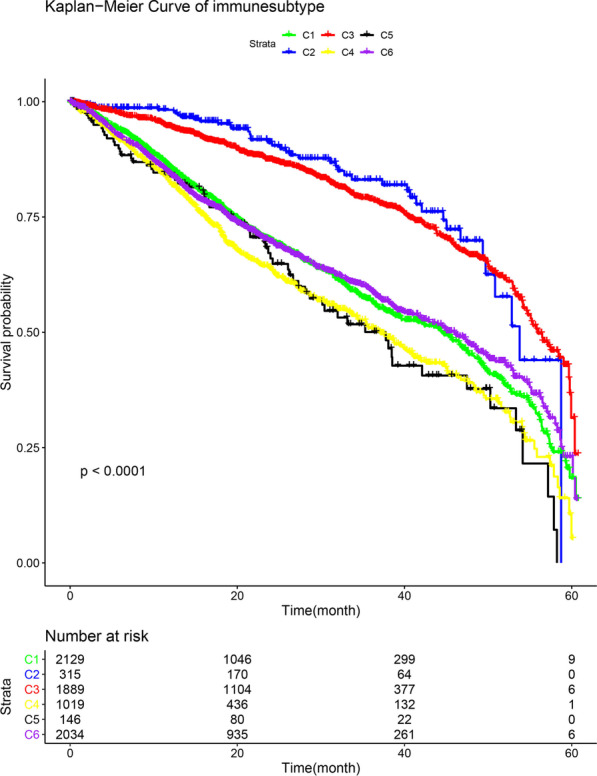
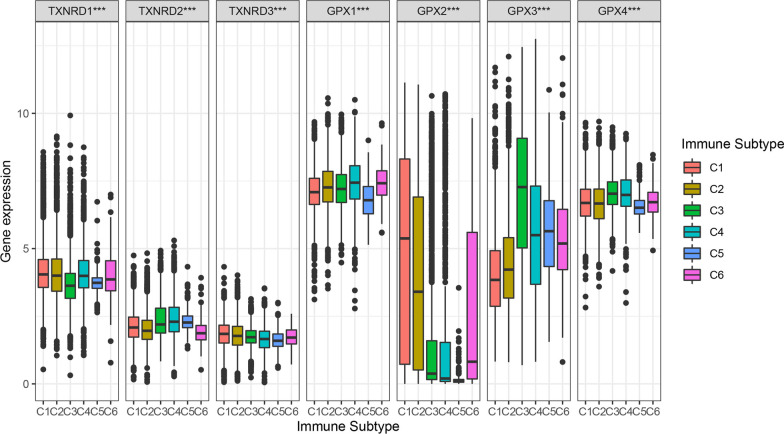
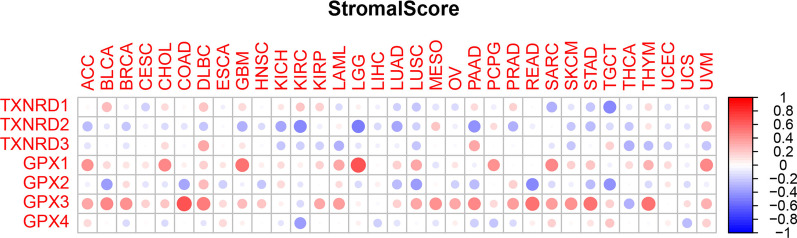
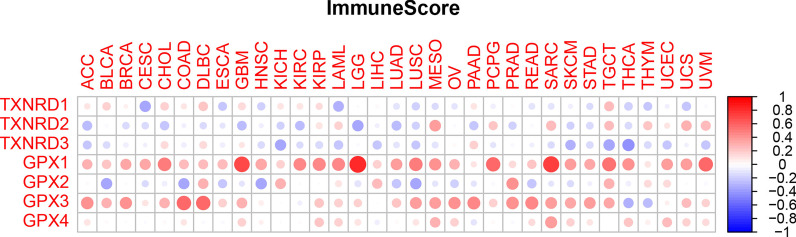
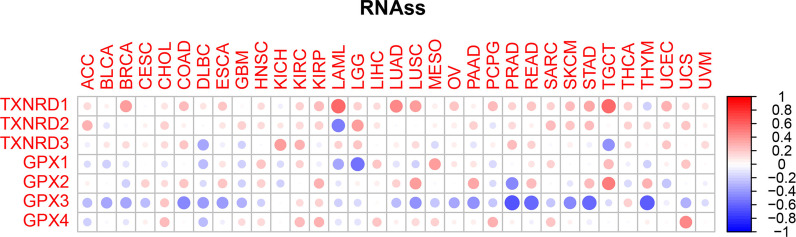
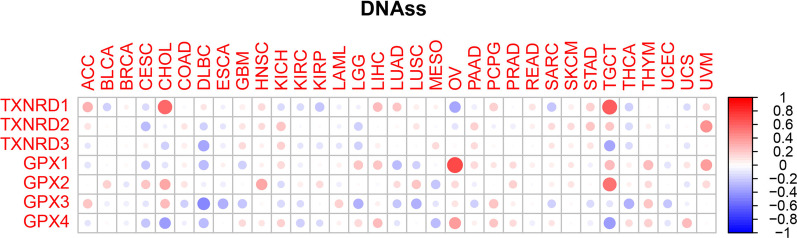
The expression profiles of genes in the TXNRD and GPX families differ between different types of cancer, and also between and within individual cancer cases. The expression levels of the seven analyzed genes are related to the overall survival of patients. The TXNRD1 and TXNRD3 genes are mainly related to poor prognoses, while other genes are related to good or poor prognoses depending on the type of cancer. All of the genes were found to be correlated to varying degrees with immune-cell subtypes, level of mechanistic cell infiltration, and tumor cell stemness. The TXNRD1, GPX1, and GPX2 genes may exert dual effects in tumor mutagenesis and development, while the TXNRD1, GPX1, GPX2, and GPX3 genes were found to be related to drug sensitivity or the formation of drug resistance.
The results will greatly help in identifying the association between genes and tumorigenesis, especially in the immune response, tumor microenvironment, and drug resistance, and very important when attempting to identify new therapeutic targets.
硒(Se)最重要的健康益处在于预防和控制癌症。谷胱甘肽过氧化物酶(GPXs)和硫氧还蛋白还原酶(TXNRDs)是被认为在氧化应激中发挥作用的硒酶。TXNRD 和 GPX 家族基因的差异表达与致癌作用和癌症发生密切相关。本研究综合分析了 TXNRD 和 GPX 家族七个基因的表达谱,从与患者生存和免疫细胞亚型、肿瘤微环境和药物敏感性的相关性方面进行了分析。
TXNRD 和 GPX 家族基因的表达谱在不同类型的癌症之间以及在单个癌症病例之间存在差异。分析的七个基因的表达水平与患者的总生存率有关。TXNRD1 和 TXNRD3 基因主要与预后不良相关,而其他基因则取决于癌症类型与预后良好或不良相关。所有基因都与免疫细胞亚型、机制细胞浸润程度和肿瘤细胞干性程度有不同程度的相关性。TXNRD1、GPX1 和 GPX2 基因可能在肿瘤突变和发展中发挥双重作用,而 TXNRD1、GPX1、GPX2 和 GPX3 基因与药物敏感性或耐药性的形成有关。
这些结果将极大地有助于确定基因与肿瘤发生之间的关联,特别是在免疫反应、肿瘤微环境和耐药性方面,对于试图确定新的治疗靶点非常重要。