Li Qiang, Wang Zihao, Xing Hao, Wang Yu, Guo Yi
The First Affiliated Hospital of Bengbu Medical College, Anhui, China.
Department of Neurosurgery, Peking Union Medical College Hospital, Chinese Academy of Medical Sciences and Peking Union Medical College, Beijing, China.
Mol Ther Nucleic Acids. 2021 Jan 26;23:1334-1344. doi: 10.1016/j.omtn.2021.01.022. eCollection 2021 Mar 5.
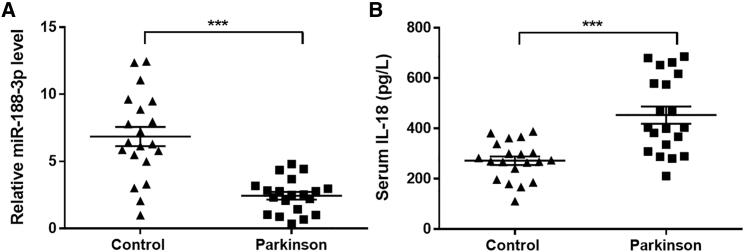
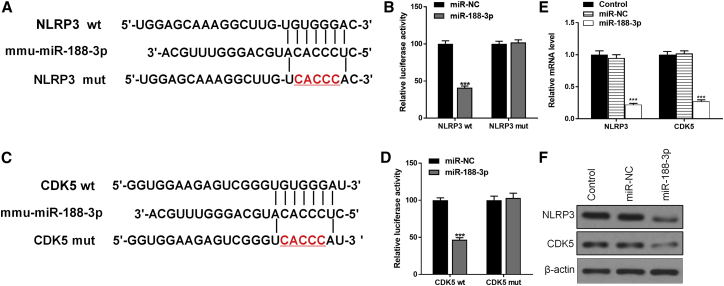
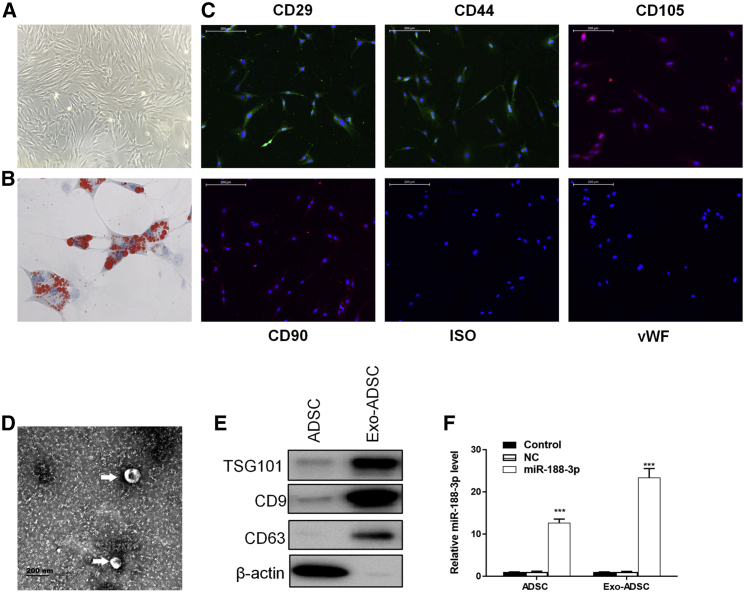
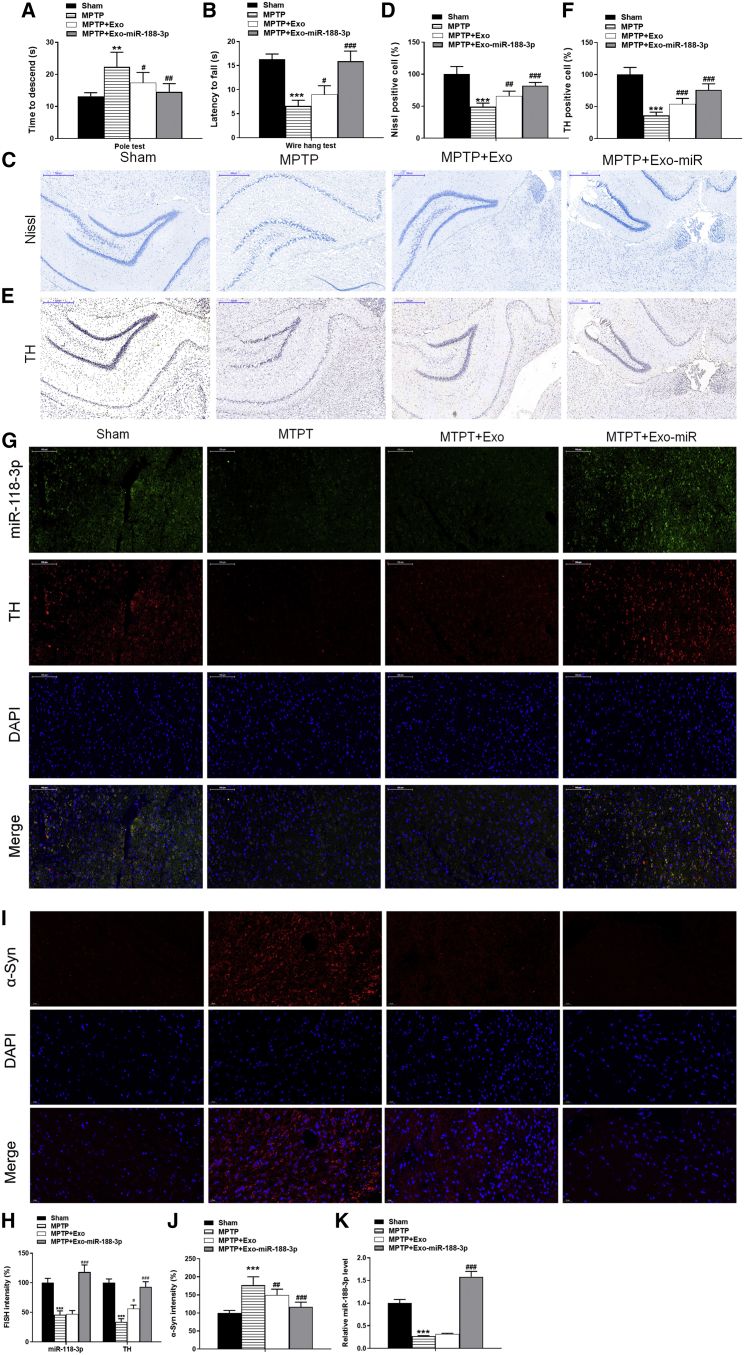
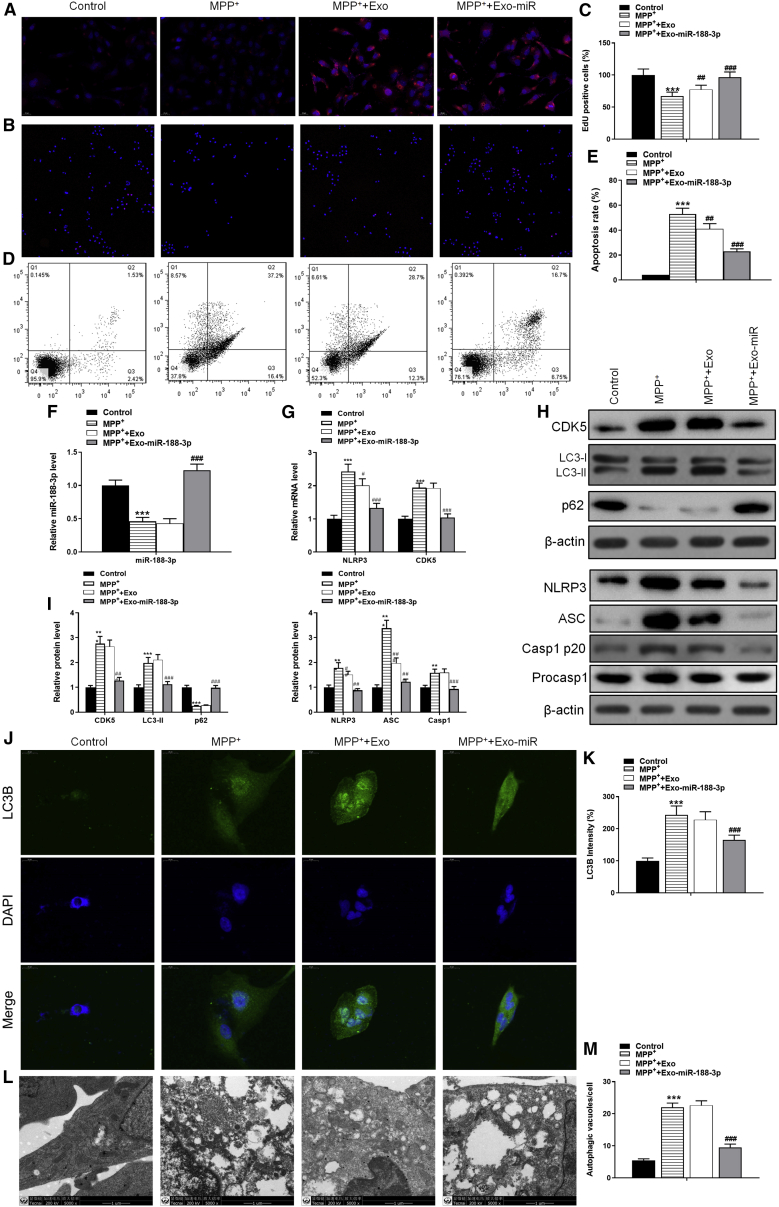
Parkinson's disease (PD) is the second-most common neurodegenerative disease after Alzheimer's disease. The most important pathological feature of PD is the irreversible damage of dopamine neurons, which is related to autophagy and neuroinflammation in the substantia nigra. Previous studies found that the activation of NAcht Leucine-rich repeat Protein 3 (NLRP3) inflammasome/pyroptosis and cell division protein kinase 5 (CDK5)-mediated autophagy played an important role in PD. Bioinformatics analyses further predicted that microRNA (miR)-188-3p potentially targets NLRP3 and CDK5. Adipose-derived stem cell (ADSC)-derived exosomes were found to be excellent vectors for genetic therapy. We assessed the levels of injury, autophagy, and inflammasomes in 1-methyl-4-phenyl-1,2,4,5-tetrahydropyridine (MPTP)-induced PD mice models and neurotoxin 1-methyl-4-phenylpyridinium (MPP+)-induced cell models after treating them with miR-188-3p-enriched exosomes. miR-188-3p-enriched exosome treatment suppressed autophagy and pyroptosis, whereas increased proliferation via targeting CDK5 and NLRP3 in mice and MN9D cells. It was revealed that mir-188-3p could be a new therapeutic target for curing PD patients.
帕金森病(PD)是仅次于阿尔茨海默病的第二常见神经退行性疾病。PD最重要的病理特征是多巴胺能神经元的不可逆损伤,这与黑质中的自噬和神经炎症有关。先前的研究发现,NLR家族含亮氨酸重复序列蛋白3(NLRP3)炎性小体/细胞焦亡的激活以及细胞分裂蛋白激酶5(CDK5)介导的自噬在PD中起重要作用。生物信息学分析进一步预测,微小RNA(miR)-188-3p可能靶向NLRP3和CDK5。脂肪来源干细胞(ADSC)衍生的外泌体被发现是基因治疗的优良载体。在用富含miR-188-3p的外泌体处理1-甲基-4-苯基-1,2,4,5-四氢吡啶(MPTP)诱导的PD小鼠模型和神经毒素1-甲基-4-苯基吡啶鎓(MPP+)诱导的细胞模型后,我们评估了损伤、自噬和炎性小体的水平。富含miR-188-3p的外泌体治疗抑制了自噬和细胞焦亡,而通过靶向小鼠和MN9D细胞中的CDK5和NLRP3增加了细胞增殖。结果表明,miR-188-3p可能是治疗PD患者的一个新的治疗靶点。