Tian Linlin, Chen Tong, Lu Jiaju, Yan Jianguo, Zhang Yuting, Qin Peifang, Ding Sentai, Zhou Yali
Department of Microbiology, Faculty of Basic Medical Sciences, Guilin Medical University, Guilin, China.
Department of Urology, Shandong Provincial Hospital Affiliated to Shandong First Medical University, Jinan, China.
Front Cell Dev Biol. 2021 Feb 26;9:631982. doi: 10.3389/fcell.2021.631982. eCollection 2021.
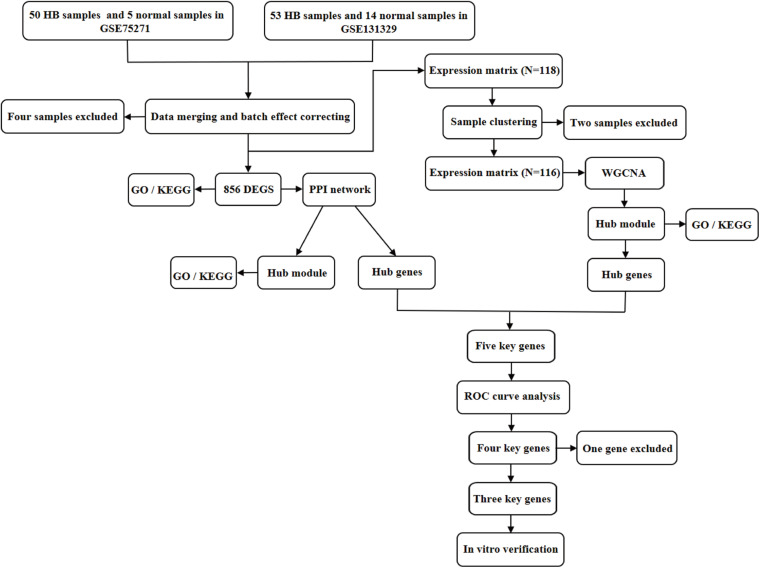
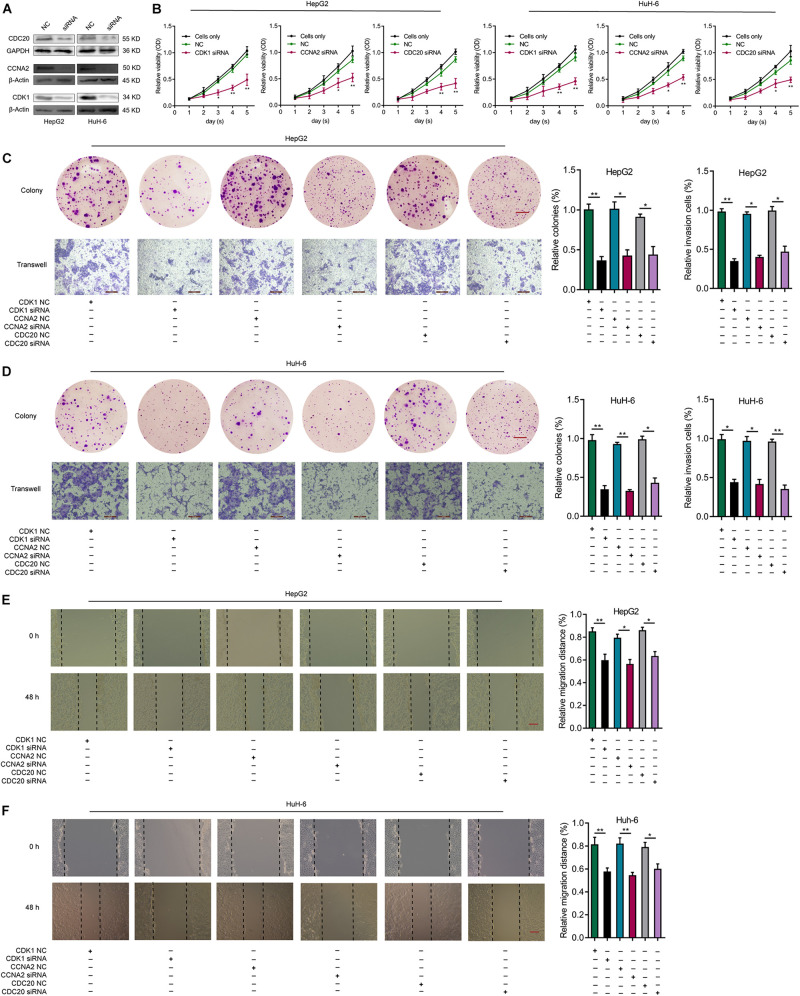
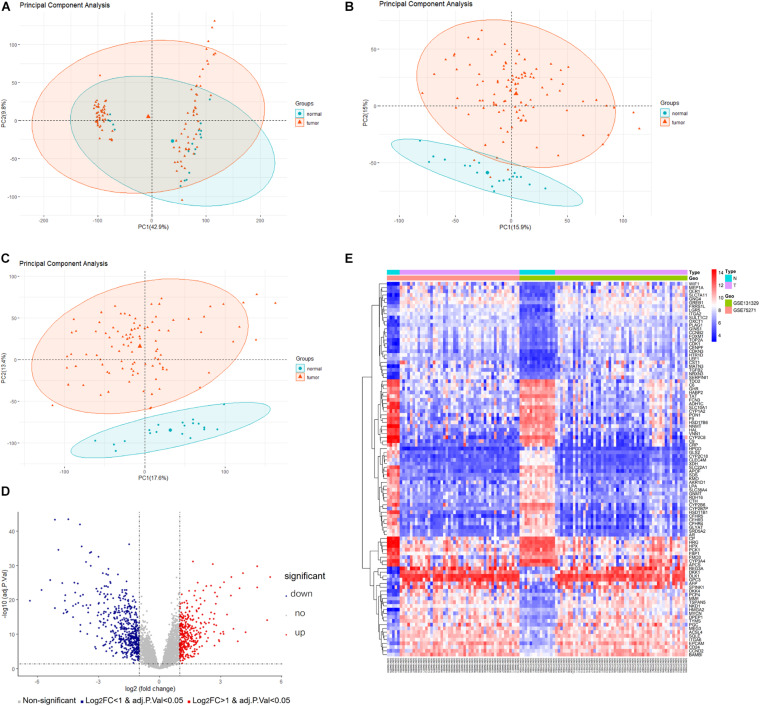
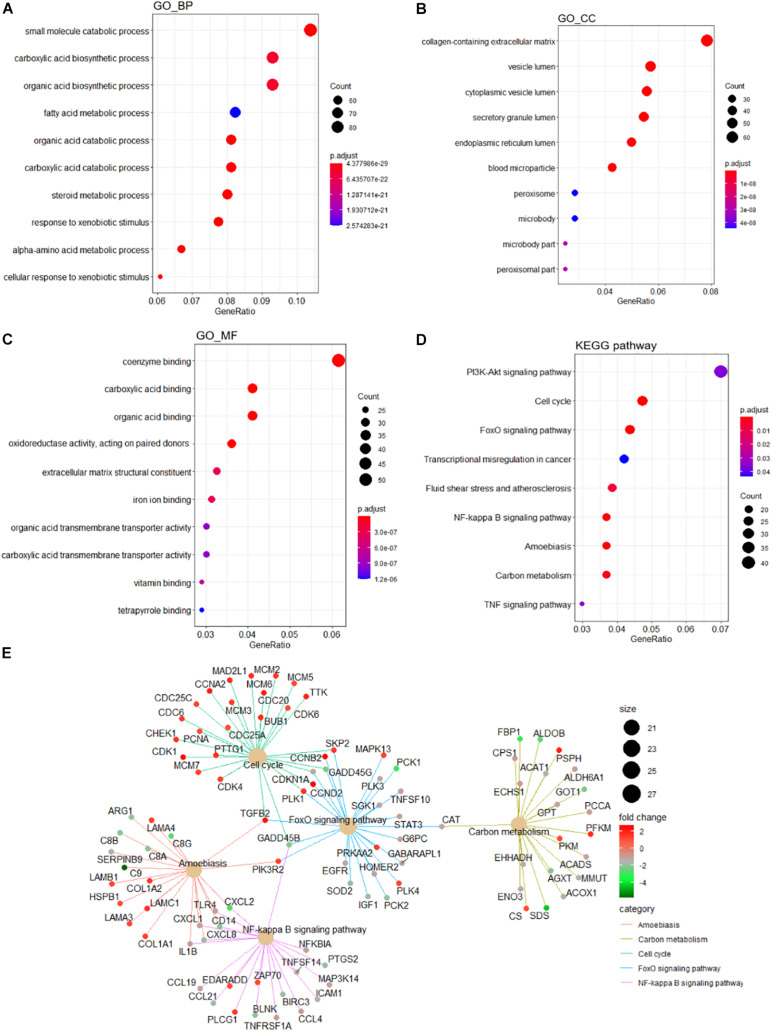
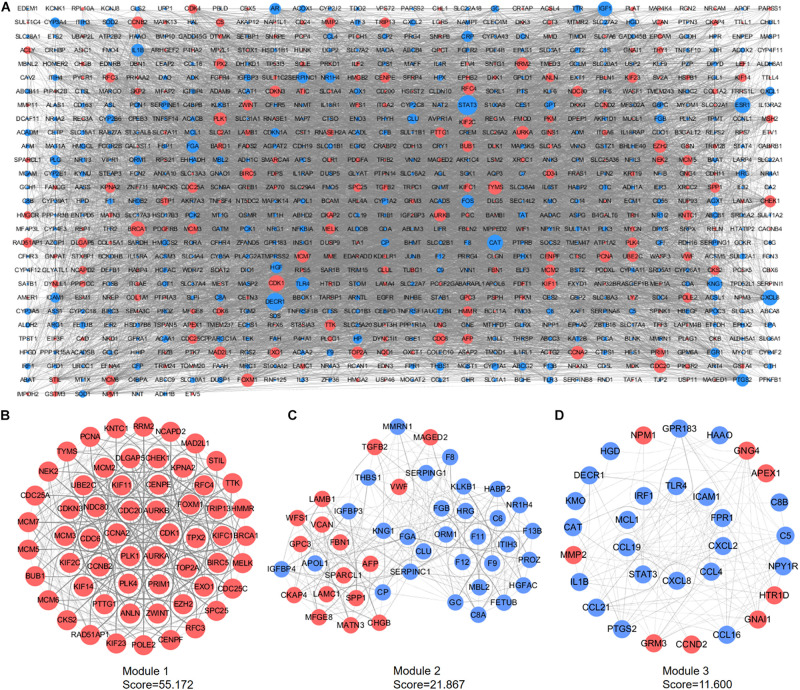
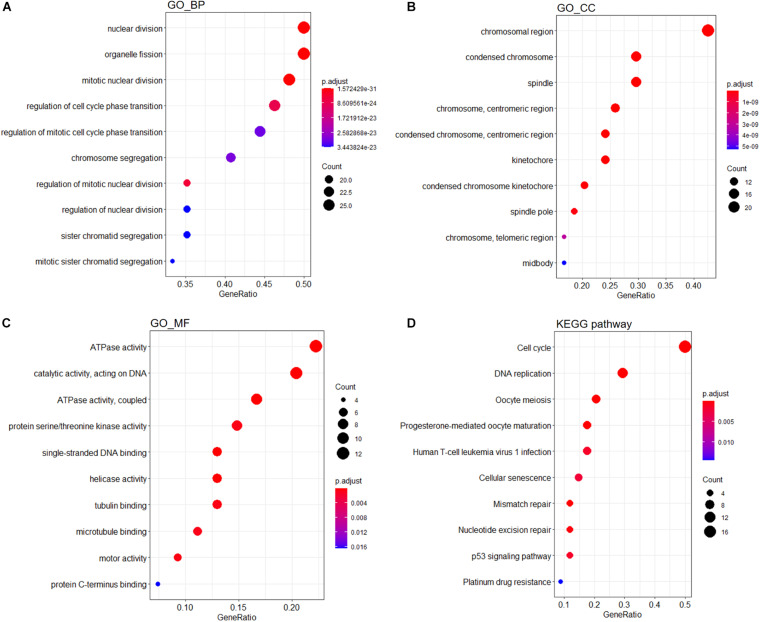
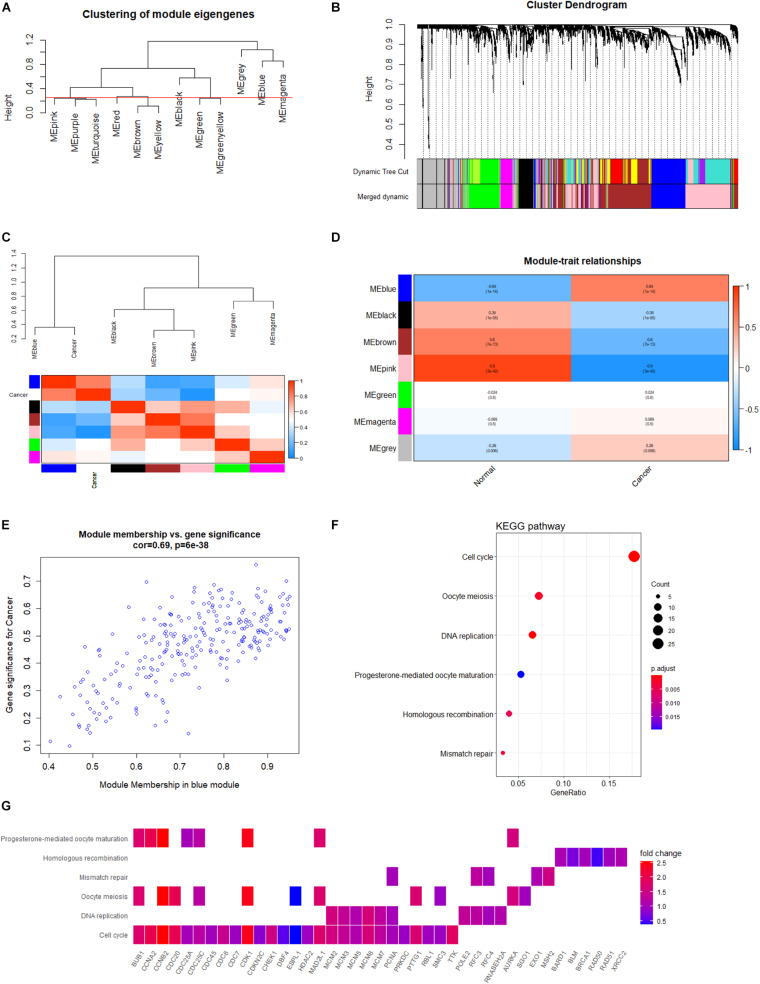
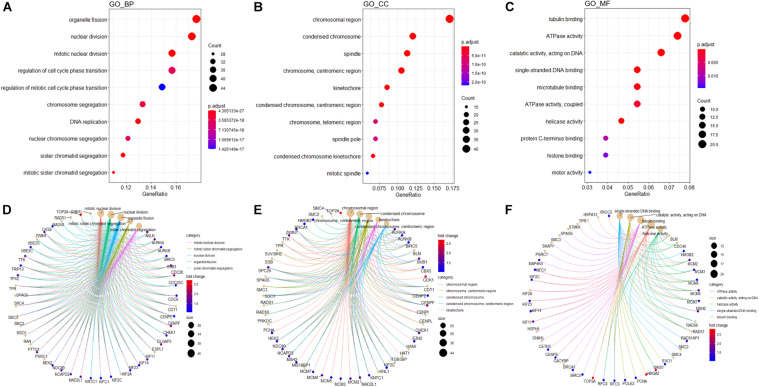
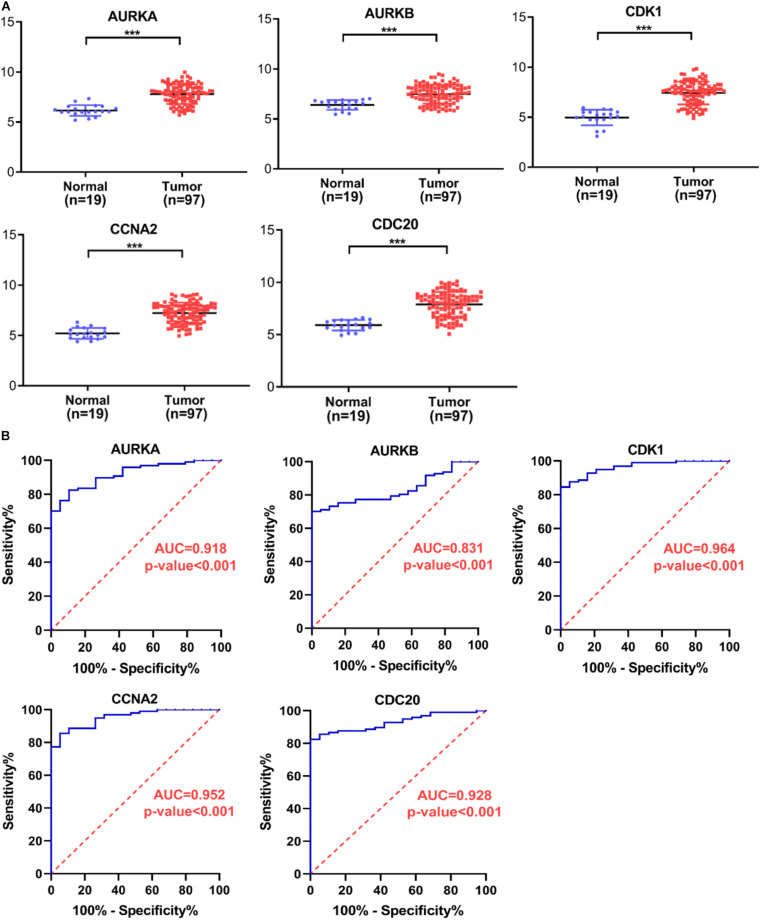
Hepatoblastoma (HB) is the most common liver tumor in the pediatric population, with typically poor outcomes for advanced-stage or chemotherapy-refractory HB patients. The objective of this study was to identify genes involved in HB pathogenesis via microarray analysis and subsequent experimental validation. We identified 856 differentially expressed genes (DEGs) between HB and normal liver tissue based on two publicly available microarray datasets (GSE131329 and GSE75271) after data merging and batch effect correction. Protein-protein interaction (PPI) analysis and weighted gene co-expression network analysis (WGCNA) were conducted to explore HB-related critical modules and hub genes. Subsequently, Gene Ontology (GO) analysis was used to reveal critical biological functions in the initiation and progression of HB. Kyoto Encyclopedia of Genes and Genomes (KEGG) analysis showed that genes involved in cell cycle phase transition and the PI3K/AKT signaling were associated with HB. The intersection of hub genes identified by both PPI and WGCNA analyses revealed five potential candidate genes. Based on receiver operating characteristic (ROC) curve analysis and reports in the literature, we selected CCNA2, CDK1, and CDC20 as key genes of interest to validate experimentally. CCNA2, CDK1, or CDC20 small interfering RNA (siRNA) knockdown inhibited aggressive biological properties of both HepG2 and HuH-6 cell lines . In conclusion, we identified CCNA2, CDK1, and CDC20 as new potential therapeutic biomarkers for HB, providing novel insights into important and viable targets in future HB treatment.
肝母细胞瘤(HB)是儿童群体中最常见的肝脏肿瘤,晚期或化疗难治性HB患者的预后通常较差。本研究的目的是通过微阵列分析及后续实验验证来鉴定参与HB发病机制的基因。在数据合并和批次效应校正后,我们基于两个公开可用的微阵列数据集(GSE131329和GSE75271)鉴定出HB与正常肝组织之间的856个差异表达基因(DEG)。进行了蛋白质-蛋白质相互作用(PPI)分析和加权基因共表达网络分析(WGCNA)以探索与HB相关的关键模块和枢纽基因。随后,使用基因本体论(GO)分析来揭示HB发生和发展过程中的关键生物学功能。京都基因与基因组百科全书(KEGG)分析表明,参与细胞周期阶段转变和PI3K/AKT信号传导的基因与HB相关。通过PPI和WGCNA分析鉴定出的枢纽基因的交集揭示了五个潜在的候选基因。基于受试者工作特征(ROC)曲线分析和文献报道,我们选择CCNA2、CDK1和CDC20作为感兴趣的关键基因进行实验验证。CCNA2、CDK1或CDC20的小干扰RNA(siRNA)敲低抑制了HepG2和HuH-6细胞系的侵袭性生物学特性。总之,我们鉴定出CCNA2、CDK1和CDC20是HB新的潜在治疗生物标志物,为未来HB治疗中的重要且可行的靶点提供了新见解。