Korotetskiy Ilya S, Shilov Sergey V, Kuznetsova Tatyana V, Ilin Aleksandr I, Joubert Monique, Taukobong Setshaba, Reva Oleg N
Scientific Center for Anti-Infectious Drugs, Almaty, Kazakhstan
Scientific Center for Anti-Infectious Drugs, Almaty, Kazakhstan.
mSystems. 2021 Mar 16;6(2):e01293-20. doi: 10.1128/mSystems.01293-20.
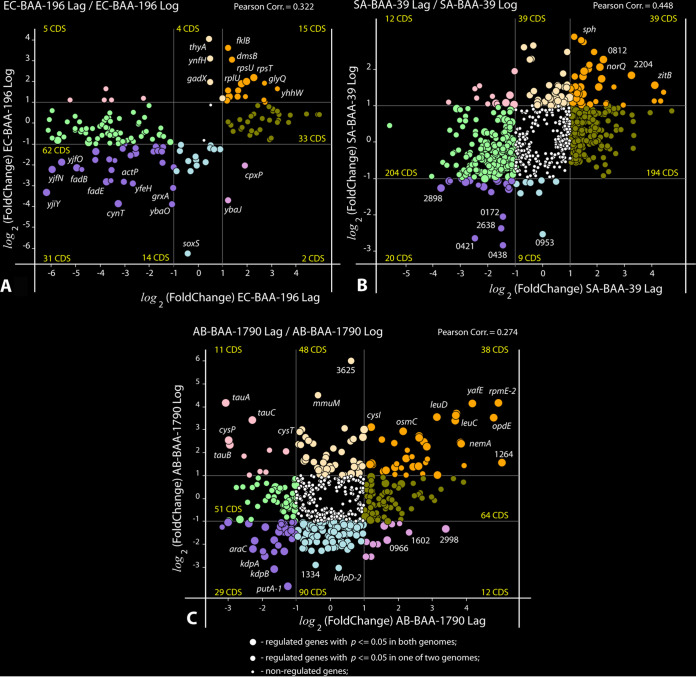
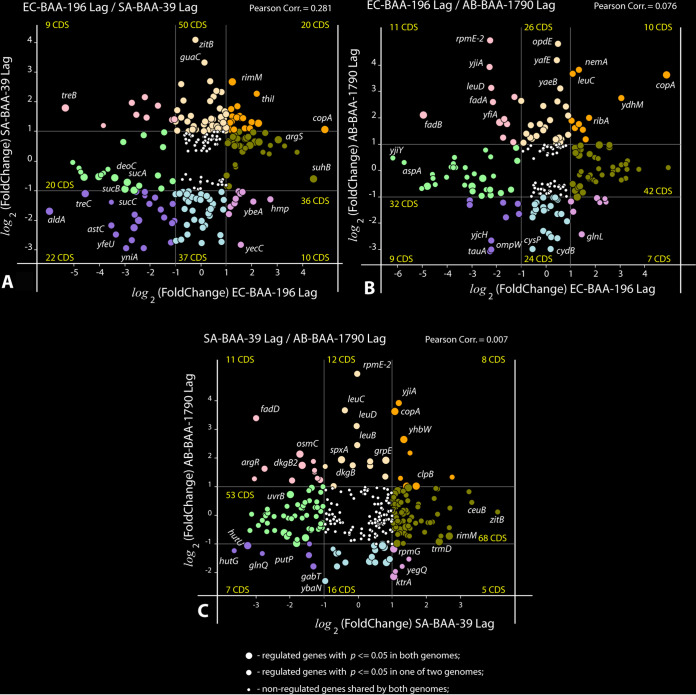
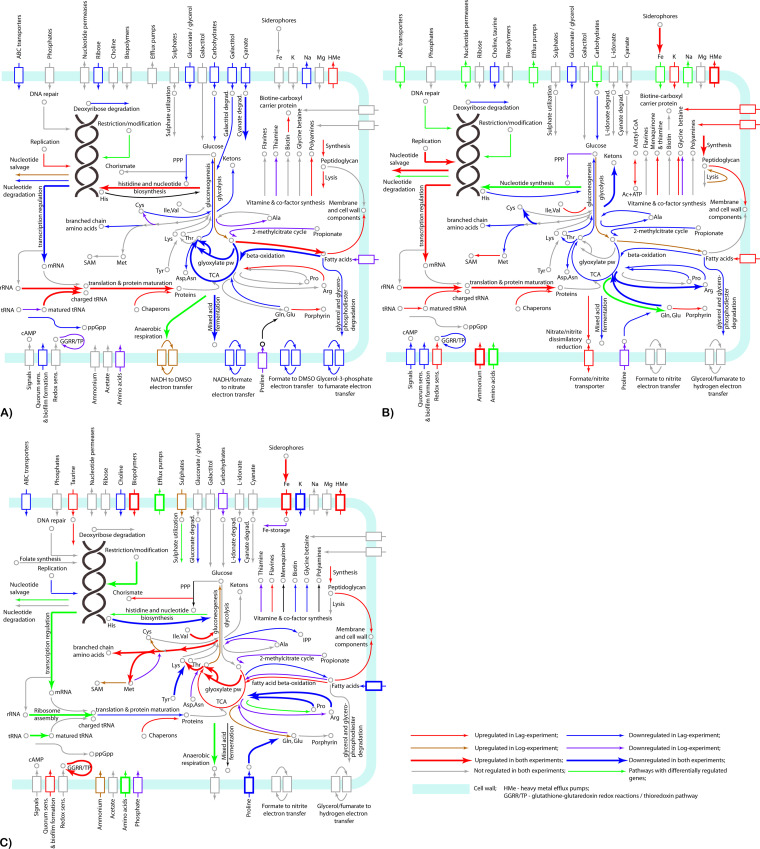
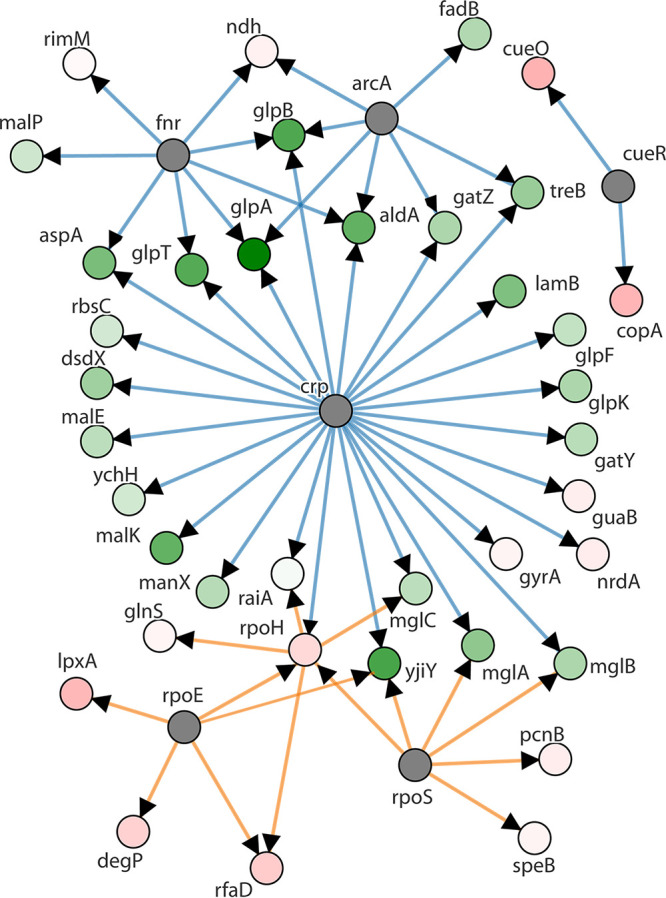
Iodine is one of the oldest antimicrobial agents. Until now, there have been no reports on acquiring resistance to iodine. Recent studies showed promising results on application of iodine-containing nano-micelles, FS-1, against antibiotic-resistant pathogens as a supplement to antibiotic therapy. The mechanisms of the action, however, remain unclear. The aim of this study was to perform a holistic analysis and comparison of gene regulation in three phylogenetically distant multidrug-resistant reference strains representing pathogens associated with nosocomial infections from the ATCC culture collection: BAA-196, BAA-39, and BAA-1790. These cultures were treated by a 5-min exposure to sublethal concentrations of the iodine-containing drug FS-1 applied in the late lagging phase and the middle of the logarithmic growth phase. Complete genome sequences of these strains were obtained in the previous studies. Gene regulation was studied by total RNA extraction and Ion Torrent sequencing followed by mapping the RNA reads against the reference genome sequences and statistical processing of read counts using the DESeq2 algorithm. It was found that the treatment of bacteria with FS-1 profoundly affected the expression of many genes involved in the central metabolic pathways; however, alterations of the gene expression profiles were species specific and depended on the growth phase. Disruption of respiratory electron transfer membrane complexes, increased penetrability of bacterial cell walls, and osmotic and oxidative stresses leading to DNA damage were the major factors influencing the treated bacteria. Infections caused by antibiotic-resistant bacteria threaten public health worldwide. Combinatorial therapy in which antibiotics are administered together with supplementary drugs improving susceptibility of pathogens to the regular antibiotics is considered a promising way to overcome this problem. An induction of antibiotic resistance reversion by the iodine-containing nano-micelle drug FS-1 has been reported recently. This drug is currently under clinical trials in Kazakhstan against multidrug-resistant tuberculosis. The effects of released iodine on metabolic and regulatory processes in bacterial cells remain unexplored. The current work provides an insight into gene regulation in the antibiotic-resistant nosocomial reference strains treated with iodine-containing nanoparticles. This study sheds light on unexplored bioactivities of iodine and the mechanisms of its antibacterial effect when applied in sublethal concentrations. This knowledge will aid in the future design of new drugs against antibiotic-resistant infections.
碘是最古老的抗菌剂之一。迄今为止,尚无关于获得对碘耐药性的报道。最近的研究表明,含碘纳米胶束FS-1作为抗生素治疗的补充剂,在对抗耐抗生素病原体方面取得了有前景的结果。然而,其作用机制仍不清楚。本研究的目的是对来自美国典型培养物保藏中心(ATCC)培养物保藏库的三株系统发育距离较远的多重耐药参考菌株(BAA-196、BAA-39和BAA-1790)中的基因调控进行全面分析和比较,这些菌株代表了与医院感染相关的病原体。在迟滞期末期和对数生长期中期,用亚致死浓度的含碘药物FS-1对这些培养物进行5分钟的处理。这些菌株的全基因组序列在之前的研究中已获得。通过总RNA提取和离子激流测序研究基因调控,随后将RNA读数与参考基因组序列进行比对,并使用DESeq2算法对读数计数进行统计处理。结果发现,用FS-1处理细菌会深刻影响许多参与中心代谢途径的基因的表达;然而,基因表达谱的改变具有物种特异性,并取决于生长阶段。呼吸电子传递膜复合物的破坏、细菌细胞壁通透性的增加以及导致DNA损伤的渗透压和氧化应激是影响被处理细菌的主要因素。耐抗生素细菌引起的感染威胁着全球公众健康。将抗生素与提高病原体对常规抗生素敏感性的补充药物联合使用的联合疗法被认为是克服这一问题的一种有前景的方法。最近有报道称含碘纳米胶束药物FS-1可诱导抗生素耐药性逆转。该药物目前正在哈萨克斯坦进行针对多重耐药结核病的临床试验。释放的碘对细菌细胞代谢和调控过程的影响仍未得到探索。当前的工作为用含碘纳米颗粒处理的耐抗生素医院参考菌株中的基因调控提供了见解。本研究揭示了碘未被探索的生物活性及其在亚致死浓度下的抗菌作用机制。这些知识将有助于未来设计针对耐抗生素感染的新药。