Kabir Ahmad Humayan, Akther Mst Salma, Skalicky Milan, Das Urmi, Gohari Gholamreza, Brestic Marian, Hossain Md Monzur
Department of Botany, University of Rajshahi, Rajshahi, 6205, Bangladesh.
Department of Botany and Plant Physiology, Faculty of Agrobiology, Food and Natural Resources, Czech University of Life Sciences Prague, Kamycka 129, 165 00, Prague, Czech Republic.
Sci Rep. 2021 Mar 16;11(1):6040. doi: 10.1038/s41598-021-85649-w.
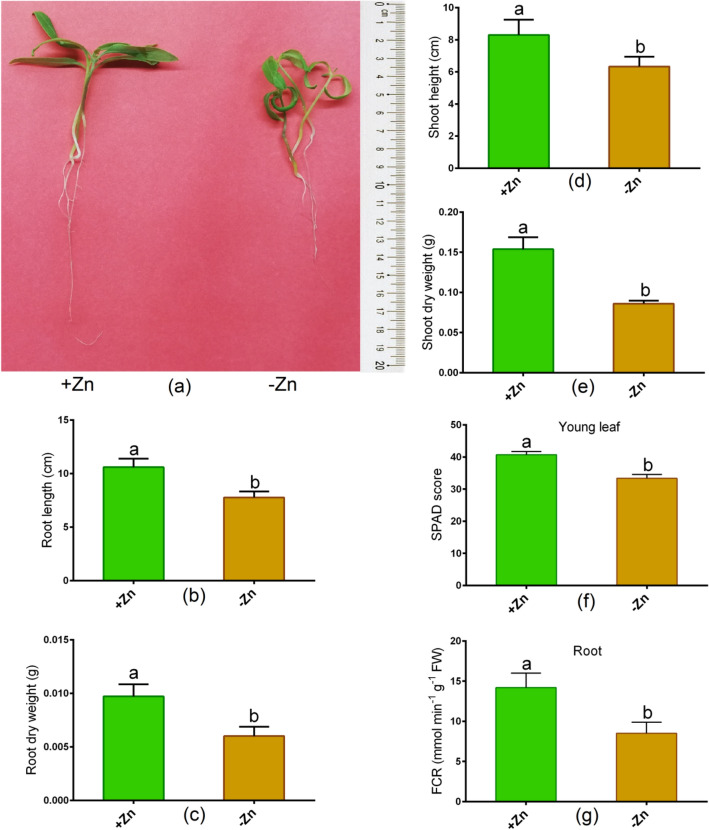
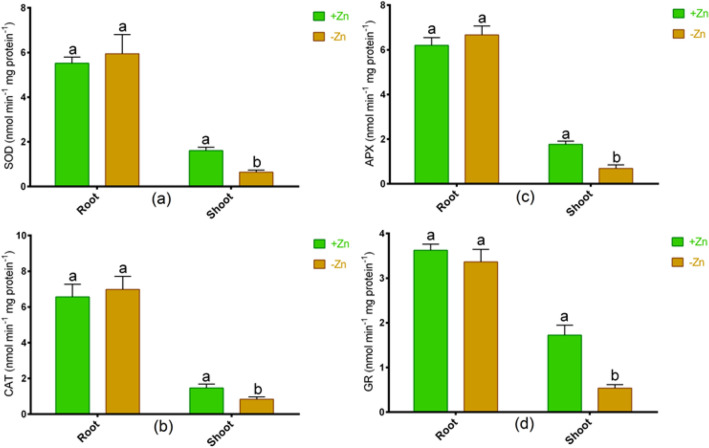
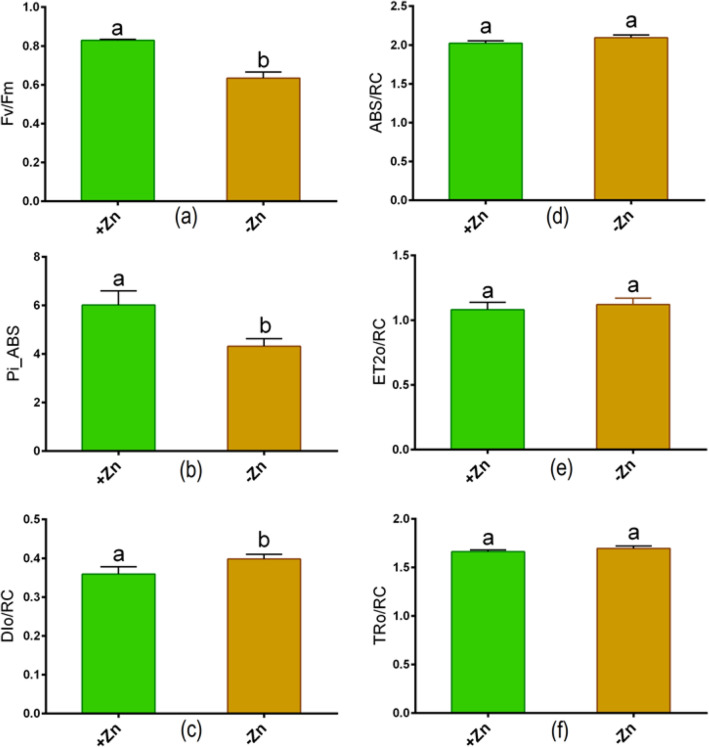
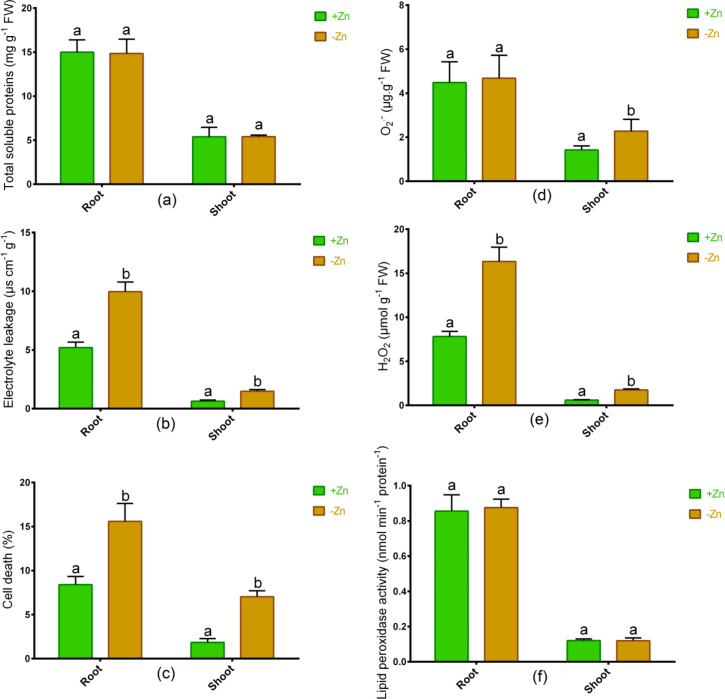
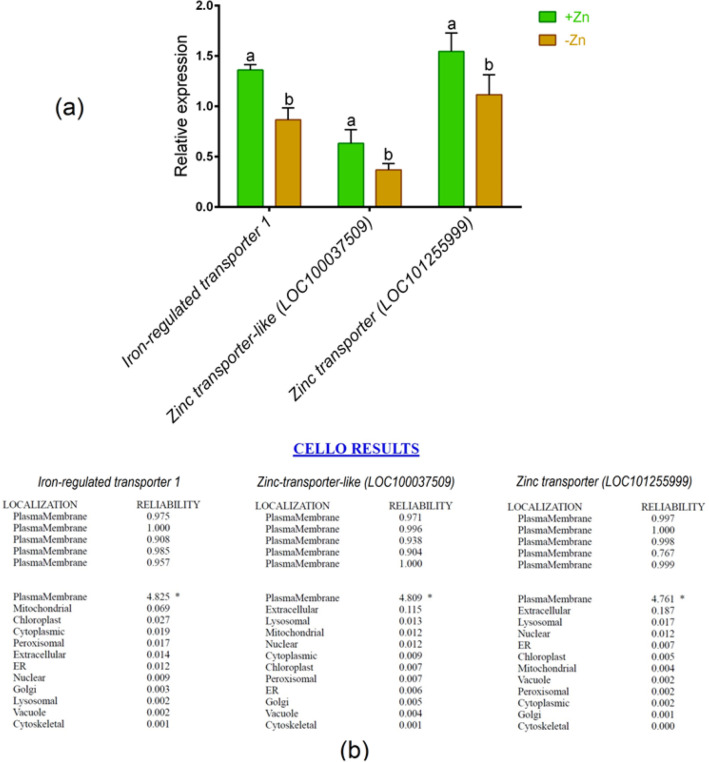
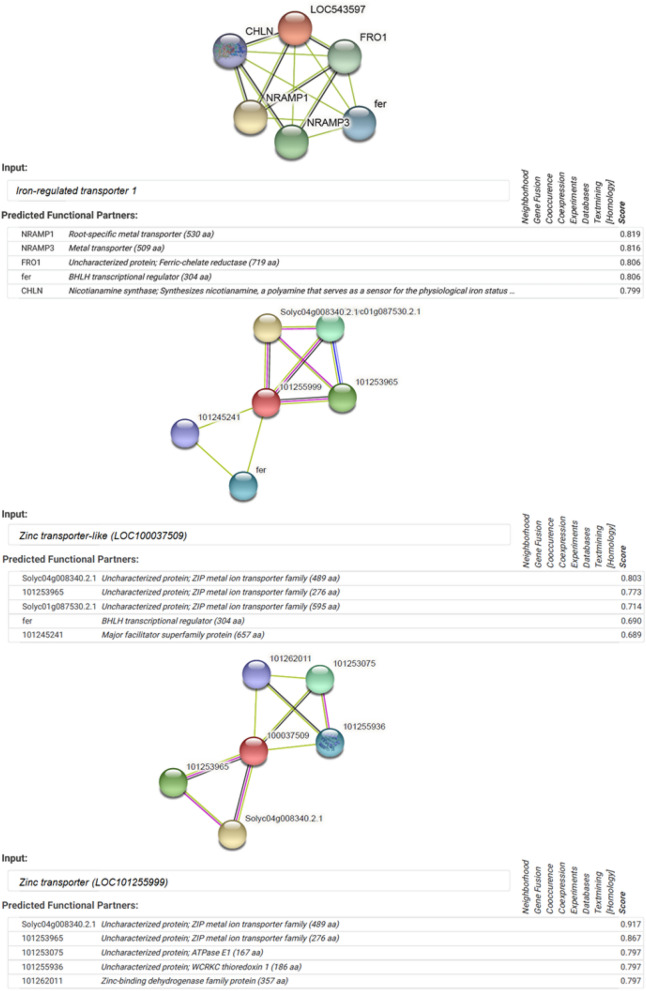
Zinc (Zn) deficiency hinders growth and development in tomato. This study unveils the responses of how Zn starvation affects physiological and molecular processes in tomato. Zn deficiency negatively affected the biomass, cellular integrity, and chlorophyll synthesis in tomato. Also, Zn deficiency decreased the maximum yield of PSII, photosynthesis performance index and dissipation energy per active reaction center, although the antenna size, trapping energy efficiency and electron transport flux were stable in Zn-starved leaves. Further, Zn shortage caused a substantial reduction in Zn and Fe concentrations in both roots and shoots along with decreased root Fe-reductase activity accompanied by the downregulation of Fe-regulated transporter 1, Zn transporter-like (LOC100037509), and Zn transporter (LOC101255999) genes predicted to be localized in the root plasma membrane. The interactome partners of these Zn transporters are predominantly associated with root-specific metal transporter, ferric-chelate reductase, BHLH transcriptional regulator, and Zn metal ion transporters, suggesting that Zn homeostasis may be tightly linked to the Fe status along with BHLH transcription factor in Zn-deficient tomato. We also noticed elevated O and HO due to Zn deficiency which was consistent with the inefficient antioxidant properties. These findings will be useful in the downstream approach to improve vegetable crops sensitive to Zn-deficiency.
锌(Zn)缺乏会阻碍番茄的生长发育。本研究揭示了锌饥饿对番茄生理和分子过程影响的响应。锌缺乏对番茄的生物量、细胞完整性和叶绿素合成产生负面影响。此外,锌缺乏降低了PSII的最大产量、光合作用性能指数和每个活性反应中心的耗散能量,尽管在缺锌叶片中天线大小、捕获能量效率和电子传输通量保持稳定。此外,锌短缺导致根和地上部的锌和铁浓度大幅降低,同时根铁还原酶活性下降,伴随着预测定位于根质膜的铁调节转运蛋白1、锌转运蛋白样(LOC100037509)和锌转运蛋白(LOC101255999)基因的下调。这些锌转运蛋白的相互作用组伙伴主要与根特异性金属转运蛋白、铁螯合还原酶、BHLH转录调节因子和锌金属离子转运蛋白相关,表明在缺锌番茄中,锌稳态可能与铁状态以及BHLH转录因子紧密相关。我们还注意到由于锌缺乏导致O和HO升高,这与低效的抗氧化特性一致。这些发现将有助于在下游方法中改善对锌缺乏敏感的蔬菜作物。