Kolesnichenko Svetlana I, Lavrinenko Alyona V, Akhmaltdinova Lyudmila L
Shared Resource Laboratory, Medical University of Karaganda, Karaganda 100008, Kazakhstan.
Int J Microbiol. 2021 Mar 1;2021:6657134. doi: 10.1155/2021/6657134. eCollection 2021.
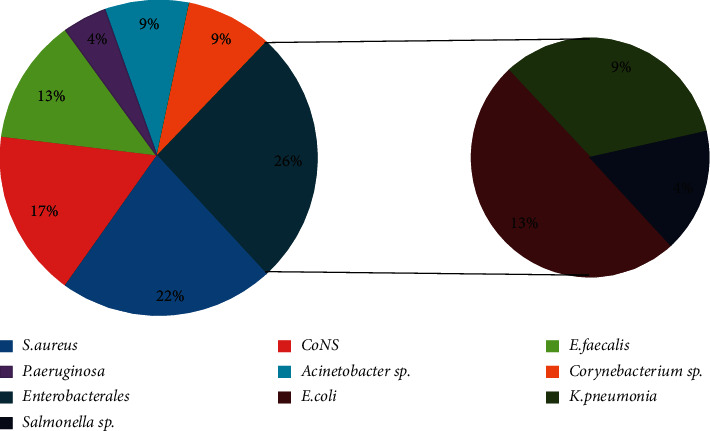
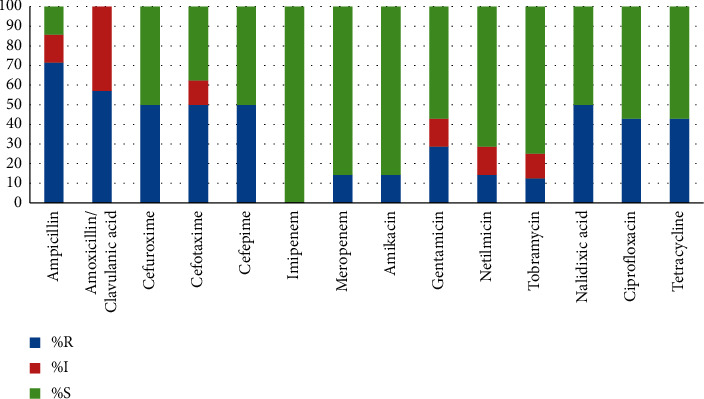
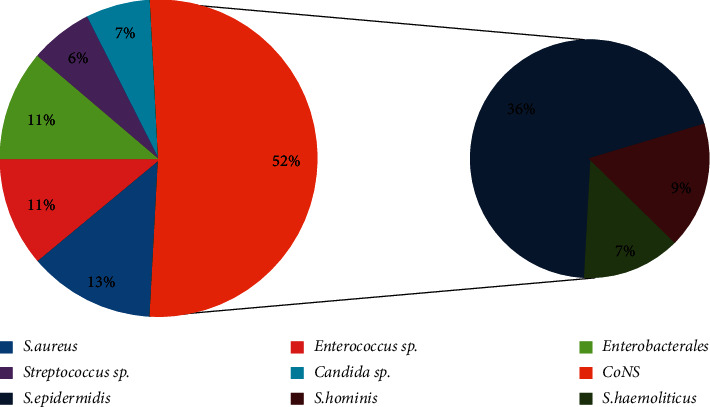
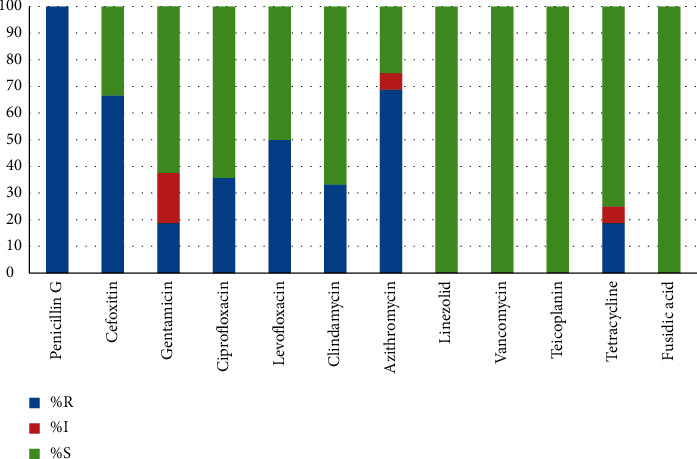
Every year in the world, sepsis occurs in 31.5 million people, and the number of deaths reaches 5.3 million per year. There are not enough studies that describe etiological structure of sepsis pathogens in different groups of population of the Republic of Kazakhstan. In this study, we have investigated difference of local sepsis etiology and antibiotic susceptibility among children and adults. A total 200 blood samples were examined using the standard and express method of identification of bloodstream pathogens. The determination of antimicrobial sensitivity was carried out by the disc-diffusion method according to CLSI guidelines. Overall, 23/90 (25.5%) positive blood cultures were isolated from adult patients and 43/110 (39%) from pediatric patients. It was found that children are statistically more often affected with bacterial bloodstream infection than adults ( < 0.05). The Gram-positive bacteria are the leading cause of sepsis in both groups: (35.5%) in pediatric patients and (21.7%) in adults. However, statistical significance was detected in pediatric patients ( < 0.05). The number of resistant strains of (MRSE) in the group of children was 66.7%, while in adults, all was resistant to azithromycin and cefoxitin (MRSE). strains from adult patients and children had a similar picture of antibiotic patterns. The proportion of MRSA in pediatric patients was 16, 6%, and in adult patients, 20%. Enterobacterales (39%) were the second cause of sepsis in adult patients. 62.5% of Enterobacterales strains isolated from adults were phenotypically identified as ESBL, while in pediatric patients, 25% of ESBL producers were isolated. We have noted the resistance to antibiotics that are prescribed according to protocols of treatment of the Republic of Kazakhstan in the strains isolated from the patient's blood.
全球每年有3150万人发生脓毒症,每年死亡人数达530万。关于哈萨克斯坦共和国不同人群中脓毒症病原体的病因结构,相关研究并不充分。在本研究中,我们调查了儿童和成人局部脓毒症病因及抗生素敏感性的差异。使用标准和快速方法对200份血样进行血流病原体鉴定。根据CLSI指南,采用纸片扩散法测定抗菌敏感性。总体而言,从成年患者中分离出23/90(25.5%)份阳性血培养物,从儿科患者中分离出43/110(39%)份。结果发现,儿童发生细菌性血流感染的几率在统计学上高于成人(<0.05)。革兰氏阳性菌是两组脓毒症的主要病因:儿科患者中占(35.5%),成人中占(21.7%)。然而,儿科患者中差异具有统计学意义(<0.05)。儿童组中耐甲氧西林表皮葡萄球菌(MRSE)的耐药菌株数量为66.7%,而在成人中,所有表皮葡萄球菌对阿奇霉素和头孢西丁均耐药(MRSE)。来自成年患者和儿童的菌株抗生素模式相似。儿科患者中耐甲氧西林金黄色葡萄球菌(MRSA)的比例为16.6%,成年患者中为20%。肠杆菌科细菌(39%)是成年患者脓毒症的第二大病因。从成人中分离出的肠杆菌科菌株有62.5%在表型上被鉴定为超广谱β-内酰胺酶(ESBL)产生菌,而在儿科患者中,分离出25%的ESBL产生菌。我们注意到从患者血液中分离出的菌株对哈萨克斯坦共和国治疗方案中规定使用的抗生素存在耐药性。