Xia Yiwen, Lv Jialun, Jiang Tianlu, Li Bowen, Li Ying, He Zhongyuan, Xuan Zhe, Sun Guangli, Wang Sen, Li Zheng, Wang Weizhi, Wang Linjun, Xu Zekuan
Department of General Surgery, The First Affiliated Hospital of Nanjing Medical University, No.300, Guangzhou Road, Nanjing, Jiangsu Province, China.
Jiangsu Key Lab of Cancer Biomarkers, Prevention and Treatment, Collaborative Innovation Center for Cancer Personalized Medicine, Nanjing Medical University, Nanjing, 210029, Jiangsu Province, China.
J Exp Clin Cancer Res. 2021 Mar 17;40(1):103. doi: 10.1186/s13046-021-01896-9.
Circular RNAs (circRNAs) have emerged as a new subclass of regulatory RNAs that play critical roles in various cancers. Cancer stem cells (CSCs), a small subset of cancer cells, are believed to possess the capacities to initiate tumorigenesis and promote progression. Although accumulating evidence has suggested that cells with CSC-like properties are crucial for the malignancy of gastric cancer (GC), it remains unclear whether circRNAs are related to the acquisition of CSC-like properties in GC.
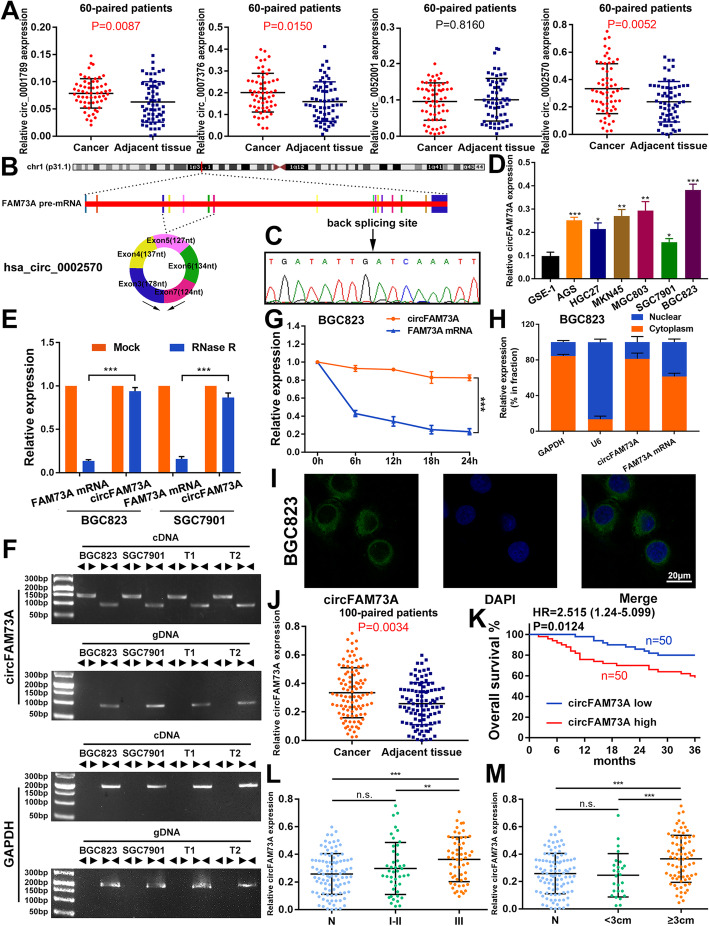
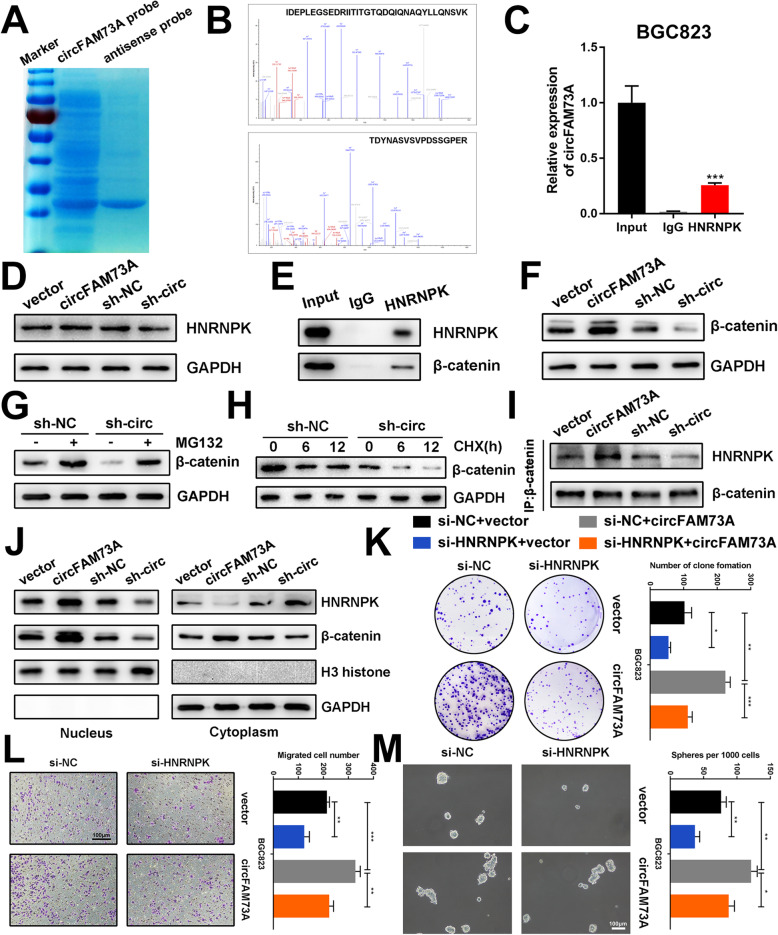
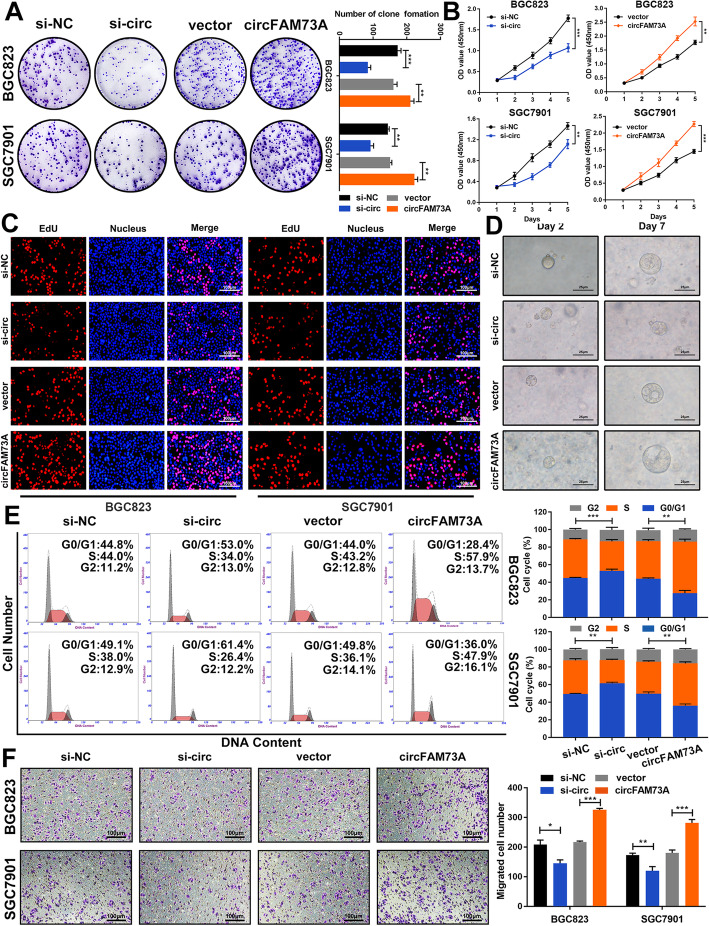
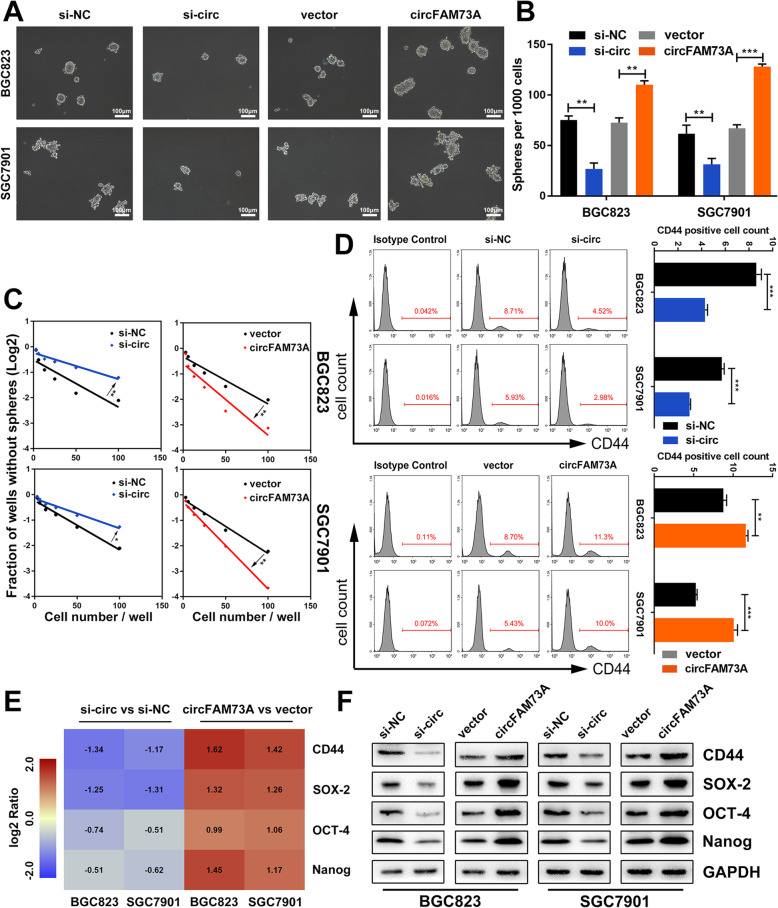
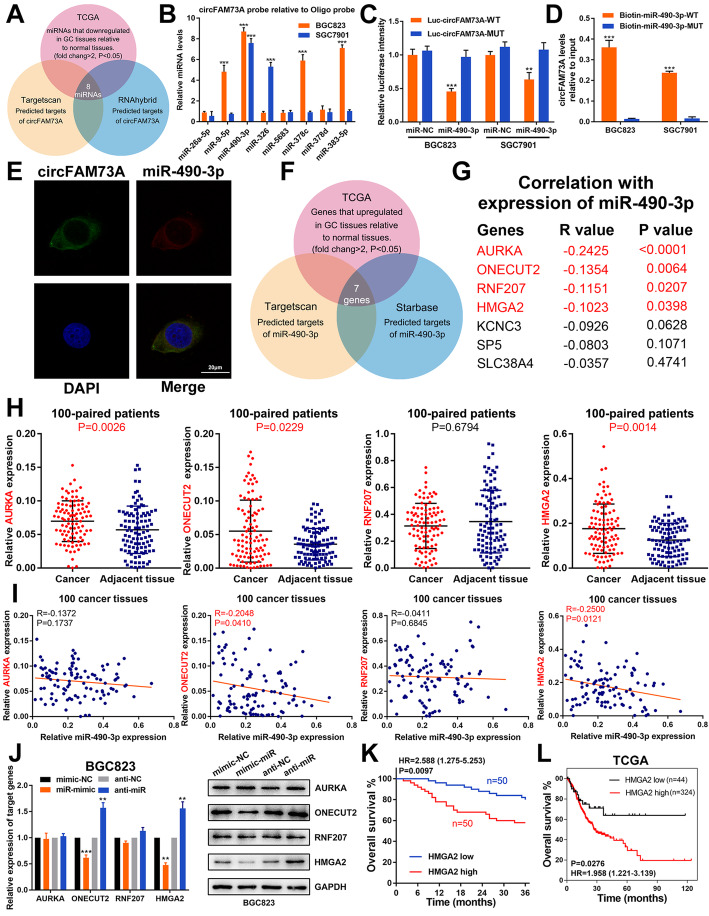
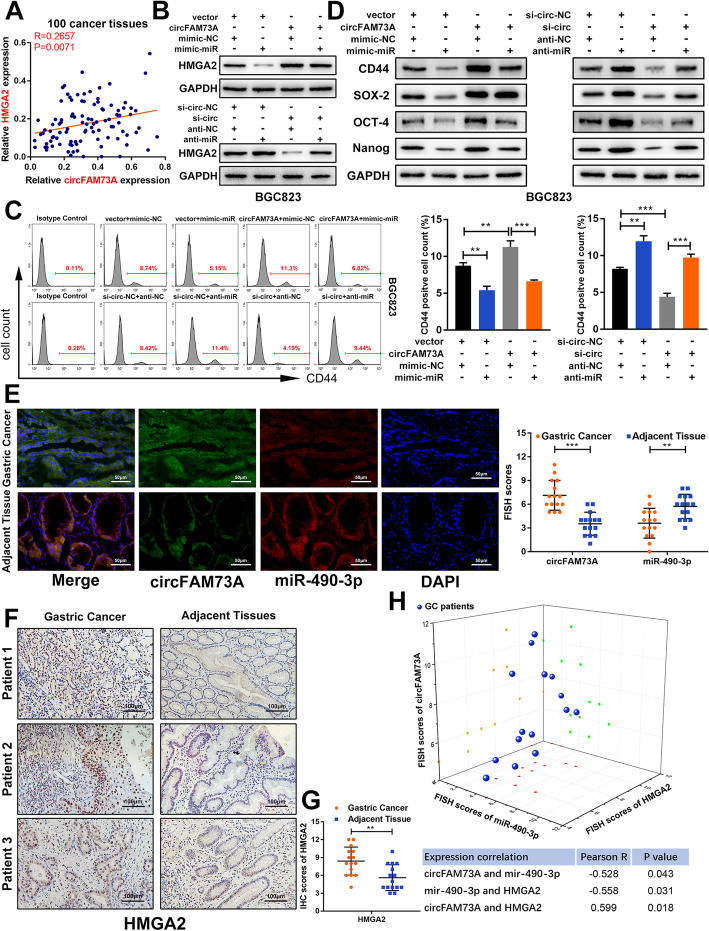
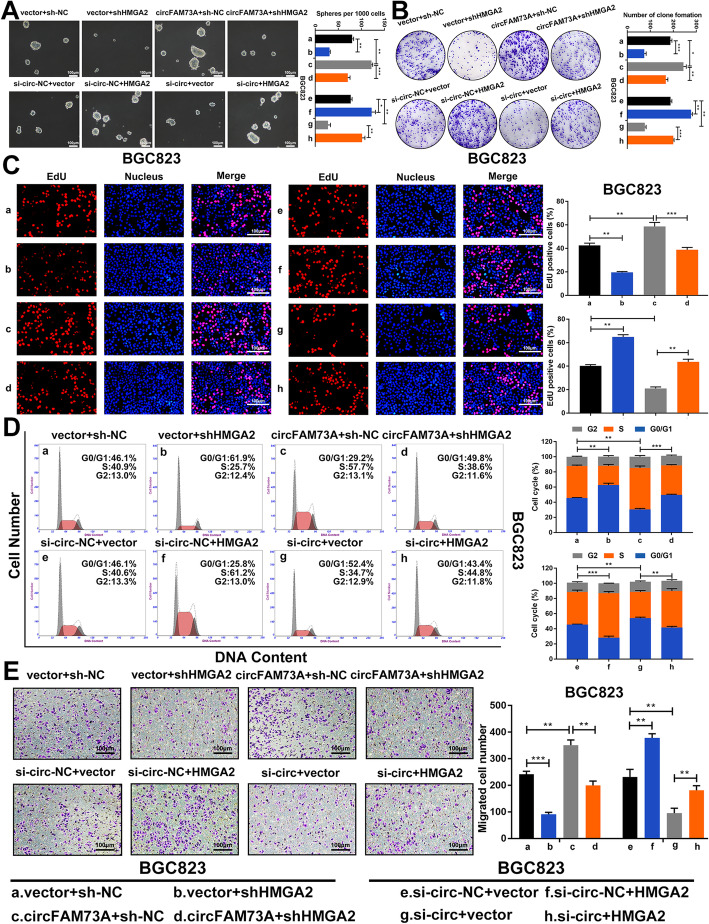
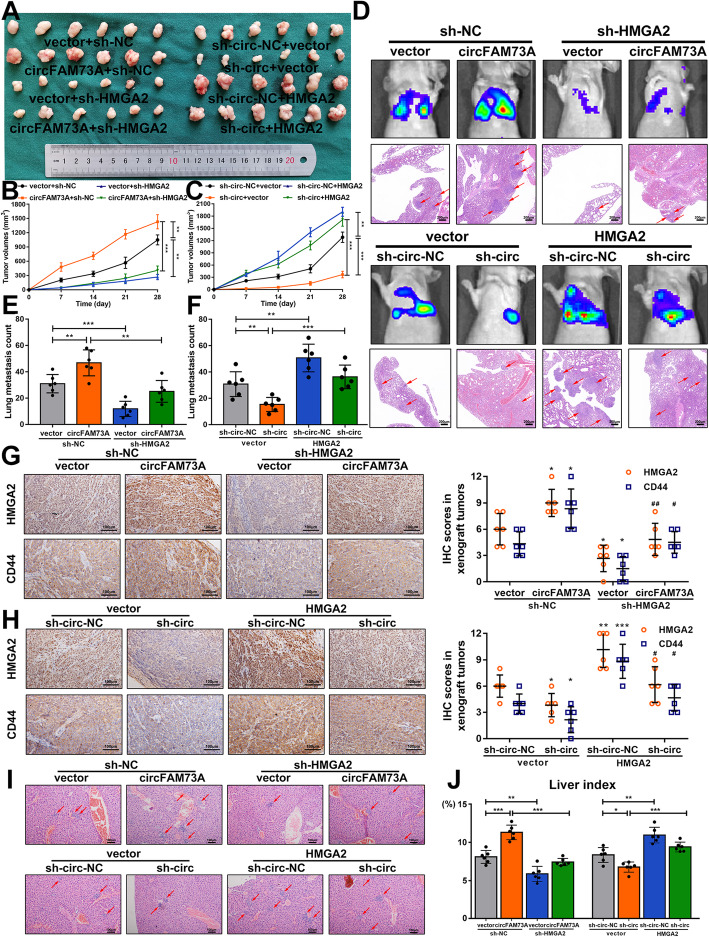
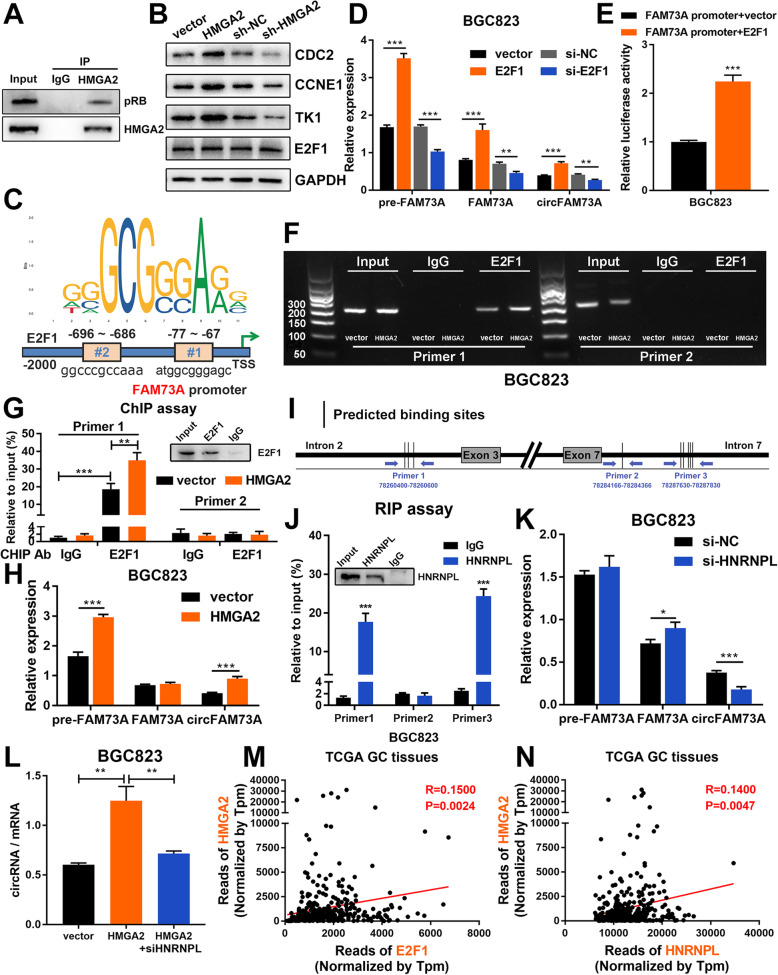
CircFAM73A expression was analyzed by GEO datasets and verified in GC samples. The roles of circFAM73A in GC cell proliferation, migration, cisplatin resistance, and CSC-like properties were determined by a series of functional experiments both in vitro and in vivo. RNA pulldown was used to explore the miRNAs and proteins binding to circFAM73A. Bioinformatic analysis and experimental verification confirmed the downstream targets of circFAM73A. The regulation of circFAM73A by HMGA2 was verified by ChIP and RIP assays.
Elevated circFAM73A expression was confirmed in GC tissues, and higher circFAM73A predicted poor prognosis in GC patients. The upregulation of circFAM73A enhanced CSC-like properties in GC, thus facilitating cell proliferation, migration, and cisplatin resistance. Mechanistically, circFAM73A promoted GC malignancy by regulating miR-490-3p/HMGA2 in a positive feedback loop and recruiting HNRNPK to facilitate β-catenin stabilization. Moreover, HMGA2 further enhanced E2F1 and HNRNPL activity, which in turn promoted circFAM73A expression.
Our work demonstrates the crucial role of circFAM73A in the CSC-like properties of GC and uncovers a positive feedback loop in circFAM73A regulation that leads to the progression of gastric cancer, which may provide new insights into circRNA-based diagnostic and therapeutic strategies.
环状RNA(circRNAs)已成为一类新的调控RNA亚类,在多种癌症中发挥关键作用。癌症干细胞(CSCs)是一小部分癌细胞,被认为具有启动肿瘤发生和促进肿瘤进展的能力。尽管越来越多的证据表明具有CSC样特性的细胞对胃癌(GC)的恶性程度至关重要,但尚不清楚circRNAs是否与GC中CSC样特性的获得有关。
通过GEO数据集分析circFAM73A的表达,并在GC样本中进行验证。通过一系列体外和体内功能实验确定circFAM73A在GC细胞增殖、迁移、顺铂耐药性和CSC样特性中的作用。RNA下拉实验用于探索与circFAM73A结合的miRNA和蛋白质。生物信息学分析和实验验证确定了circFAM73A的下游靶点。通过染色质免疫沉淀(ChIP)和RNA免疫沉淀(RIP)实验验证HMGA2对circFAM73A的调控。
在GC组织中证实circFAM73A表达升高,且circFAM73A水平较高预示GC患者预后不良。circFAM73A的上调增强了GC中的CSC样特性,从而促进细胞增殖、迁移和顺铂耐药性。机制上,circFAM73A通过在正反馈回路中调节miR-490-3p/HMGA2并招募异质性核糖核蛋白K(HNRNPK)来促进β-连环蛋白的稳定,从而促进GC的恶性程度。此外,HMGA2进一步增强E2F1和异质性核糖核蛋白L(HNRNPL)的活性,进而促进circFAM73A的表达。
我们的研究证明了circFAM73A在GC的CSC样特性中的关键作用,并揭示了circFAM73A调控中的正反馈回路,该回路导致胃癌进展,这可能为基于circRNA的诊断和治疗策略提供新的见解。