Laboratório de Biologia Molecular de Bactérias, Instituto de Microbiologia Paulo de Góes, Universidade Federal do Rio de Janeiro, Rio de Janeiro, Rio de Janeiro, Brazil.
Faculté de Médecine Lyon Est, Université de Lyon, Domaine de la Buire, Lyon, France.
Virulence. 2021 Dec;12(1):951-967. doi: 10.1080/21505594.2021.1899616.
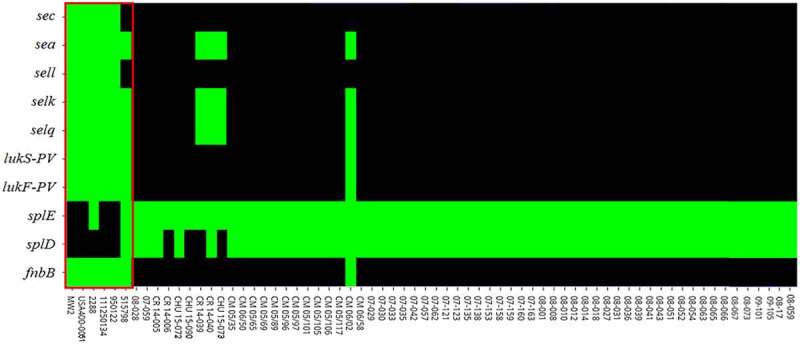
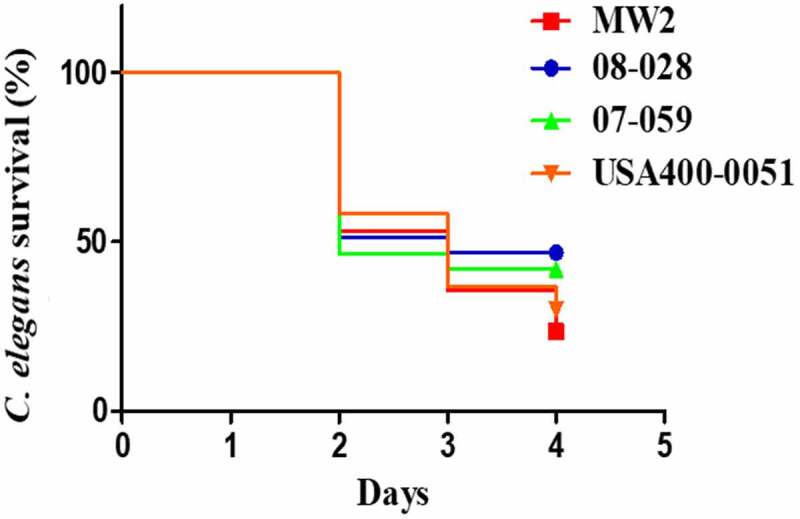
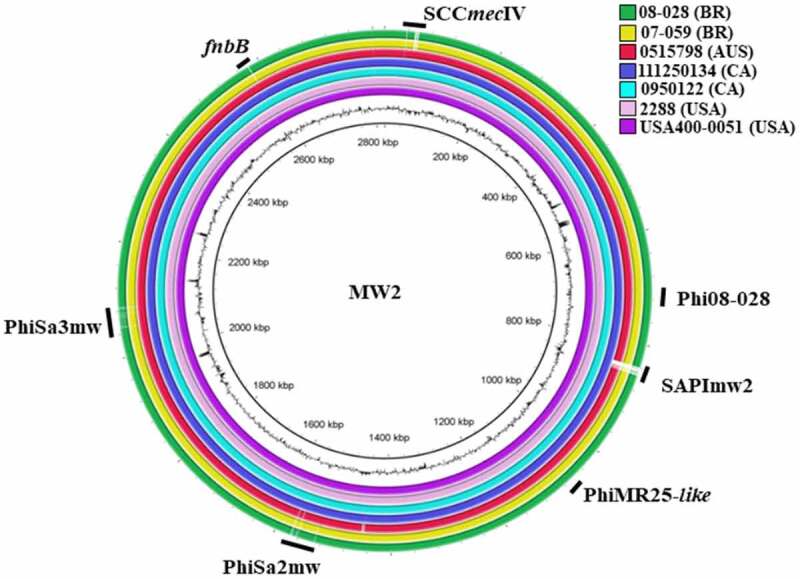
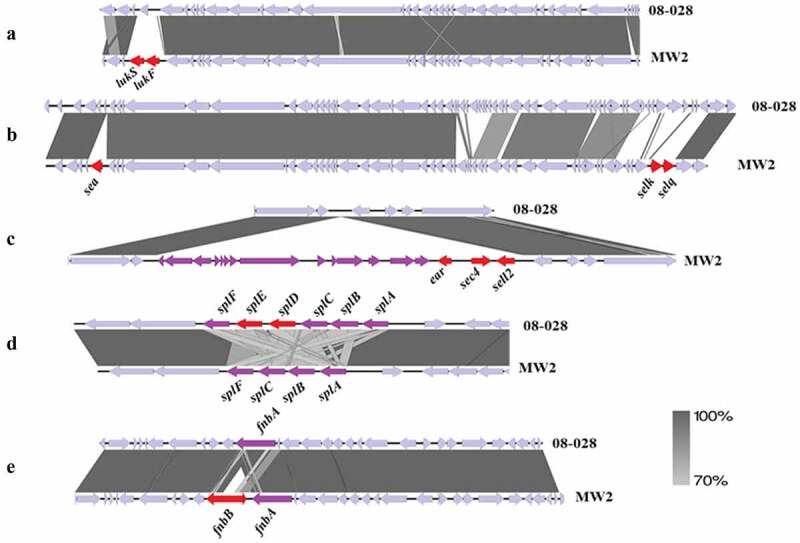
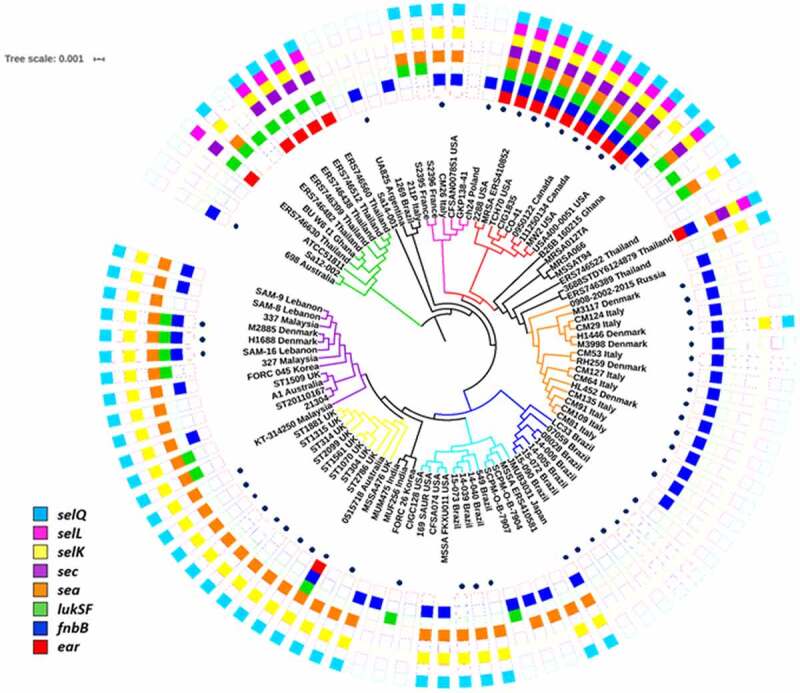
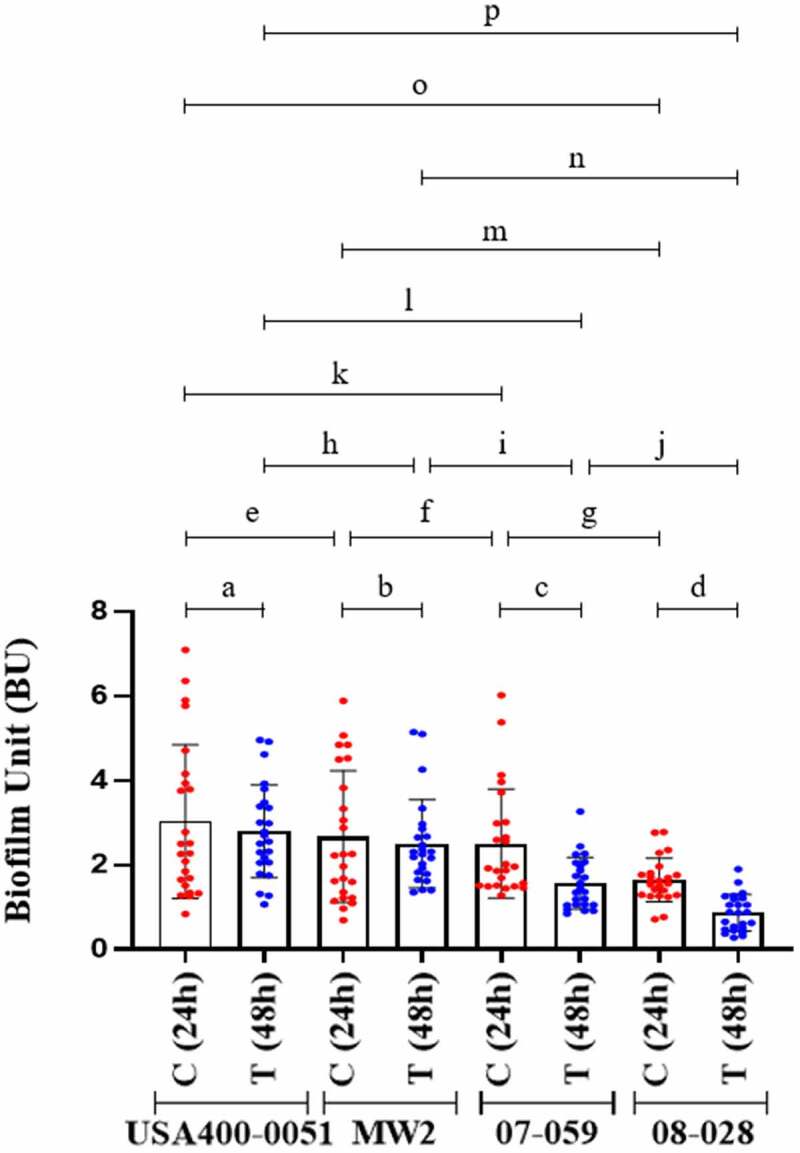
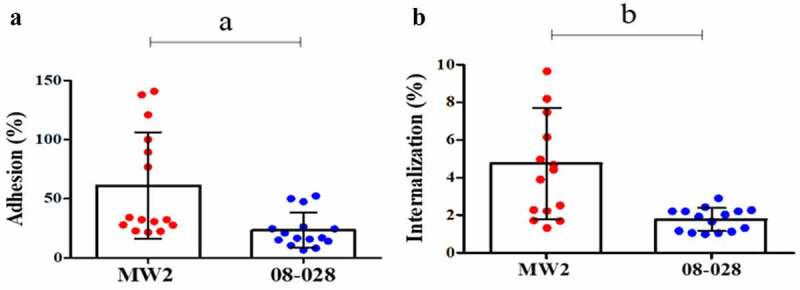
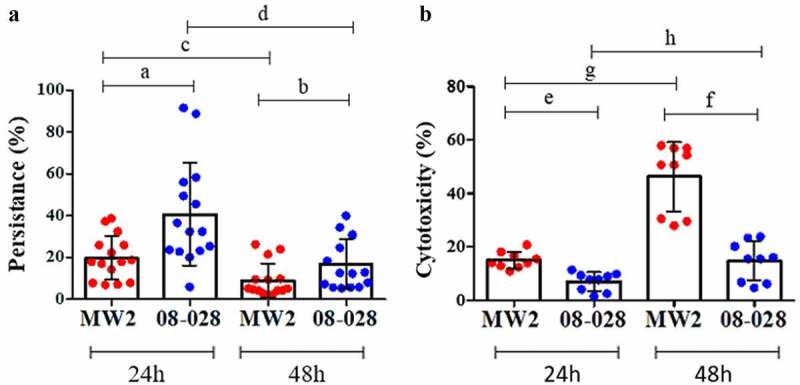
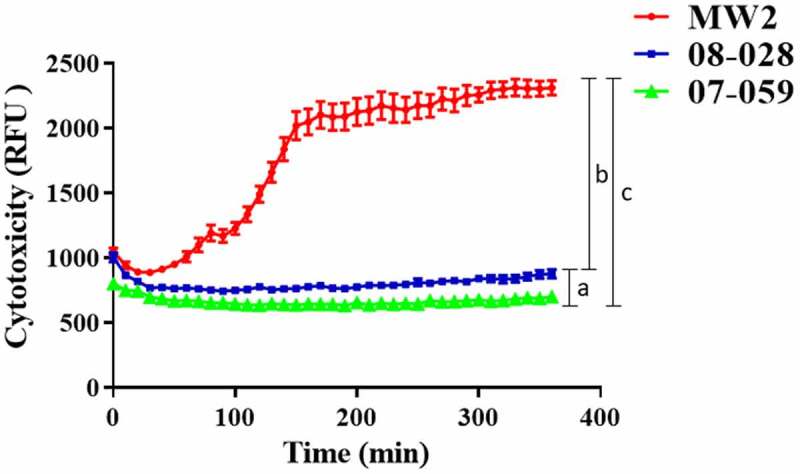
Methicillin-resistant (MRSA) of the ST1-SCCIV lineage has been associated with community-acquired (CA) infections in North America and Australia. In Brazil, multi-drug resistant ST1-SCCIV MRSA has emerged in hospital-associated (HA) diseases in Rio de Janeiro. To understand these epidemiological differences, genomic and phylogenetic analyses were performed. In addition, virulence assays were done for representative CA - and HA-MRSA strains. Despite the conservation of the virulence repertoire, some genes were missing in Brazilian ST1-SCCIV including , and several superantigen-encoded genes. Additionally, CA-MRSA lost the while HA-MRSA strains conserved the complete operon. Most of these variable genes were located in mobile genetic elements (MGE). However, conservation and maintenance of MGEs were often observed despite the absence of their associated virulence markers. A Bayesian phylogenetic tree revealed the occurrence of more than one entrance of ST1 strains in Rio de Janeiro. The tree shape and chronology allowed us to infer that the hospital-associated ST1-SCCIV from Brazil and the community-acquired USA400 from North America are not closely related and that they might have originated from different MSSA strains that independently acquired SCCIV cassettes. As expected, representatives of ST1 strains from Brazil showed lower cytotoxicity and a greater ability to survive inside human host cells. We suggest that Brazilian ST1-SCCIV strains have adapted to the hospital setting by reducing virulence and gaining the ability to persist and survive inside host cells. Possibly, these evolutionary strategies may balance the biologic cost of retaining multiple antibiotic resistance genes.
耐甲氧西林金黄色葡萄球菌(MRSA)的 ST1-SCCIV 谱系与北美的社区获得性(CA)感染和澳大利亚有关。在巴西,耐多药 ST1-SCCIV 耐甲氧西林金黄色葡萄球菌已在里约热内卢的医院相关(HA)疾病中出现。为了了解这些流行病学差异,进行了基因组和系统发育分析。此外,还对代表 CA 和 HA-MRSA 菌株的毒力进行了测定。尽管毒力谱保持不变,但巴西 ST1-SCCIV 中存在一些缺失基因,包括 ,和几个超抗原编码基因。此外,CA-MRSA 失去了 ,而 HA-MRSA 菌株则保留了完整的操纵子。这些可变基因中的大多数位于移动遗传元件(MGE)中。然而,尽管缺乏相关的毒力标记,但经常观察到 MGE 的保守和维持。贝叶斯系统发育树揭示了 ST1 株在里约热内卢的多次进入。树的形状和年代允许我们推断巴西的医院相关 ST1-SCCIV 和北美的社区获得性 USA400 没有密切相关,它们可能来自不同的 MSSA 菌株,这些菌株独立获得了 SCCIV 盒。正如预期的那样,来自巴西的 ST1 株代表显示出较低的细胞毒性和更大的能力在人类宿主细胞内存活。我们建议,巴西 ST1-SCCIV 菌株通过降低毒力并获得在宿主细胞内持续存在和存活的能力,已经适应了医院环境。可能,这些进化策略可能平衡了保留多种抗生素耐药基因的生物学成本。