National Clinical Research Center for Cancer, Tianjin's Clinical Research Center for Cancer, Tianjin Medical University Cancer Institute and Hospital, Hexi District, Tianjin, P. R. China.
National Supercomputer Center in Tianjin, TEDA - Tianjin Economic-Technological Development Area, Tianjin, P. R. China.
PLoS One. 2021 Mar 18;16(3):e0248634. doi: 10.1371/journal.pone.0248634. eCollection 2021.
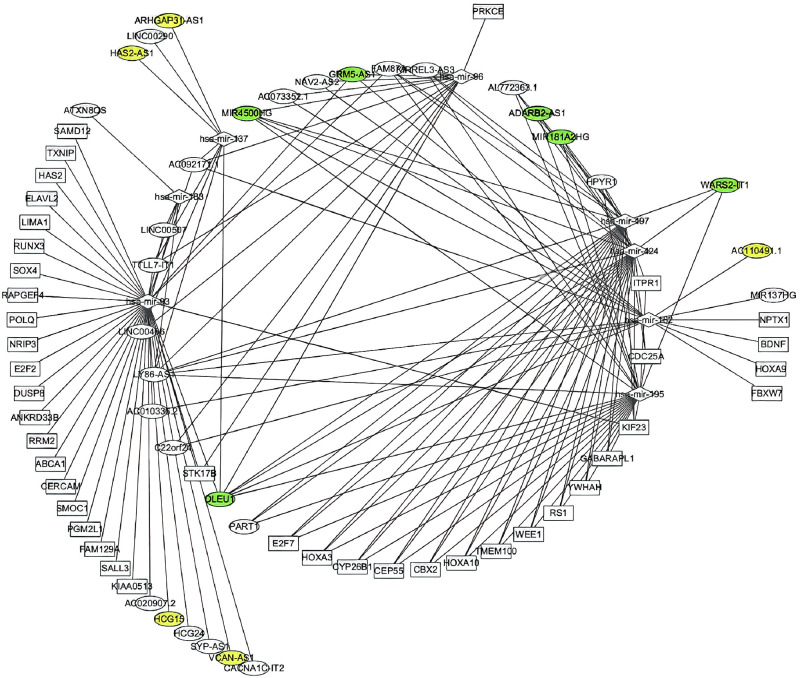
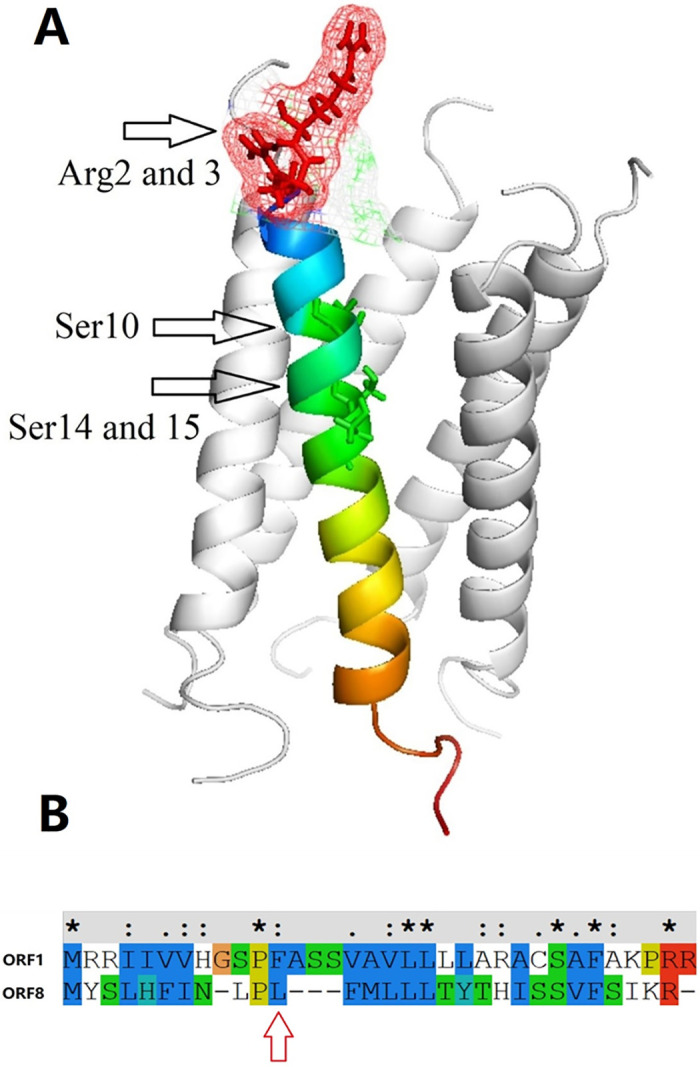
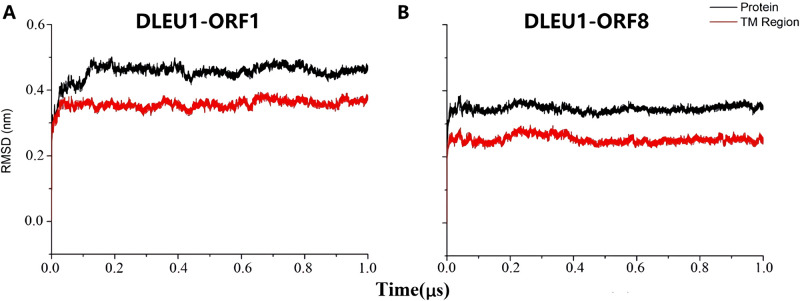
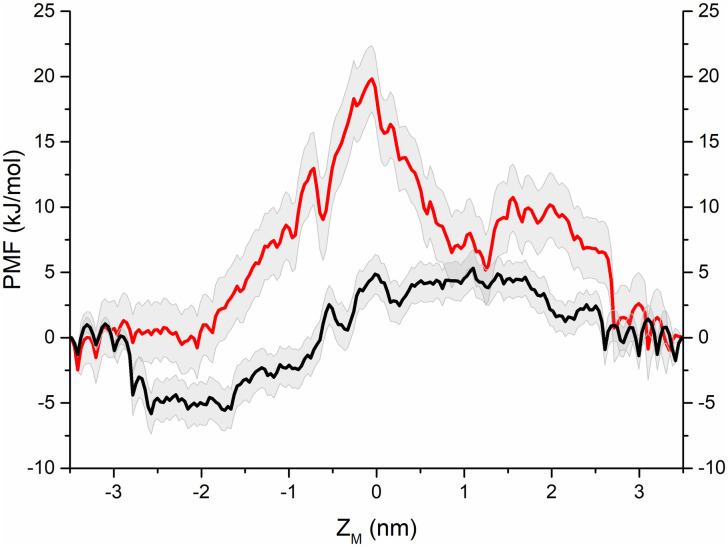
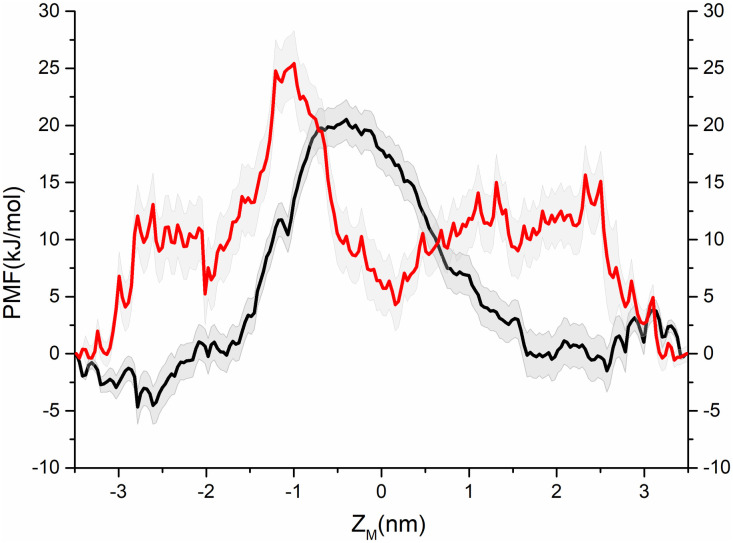
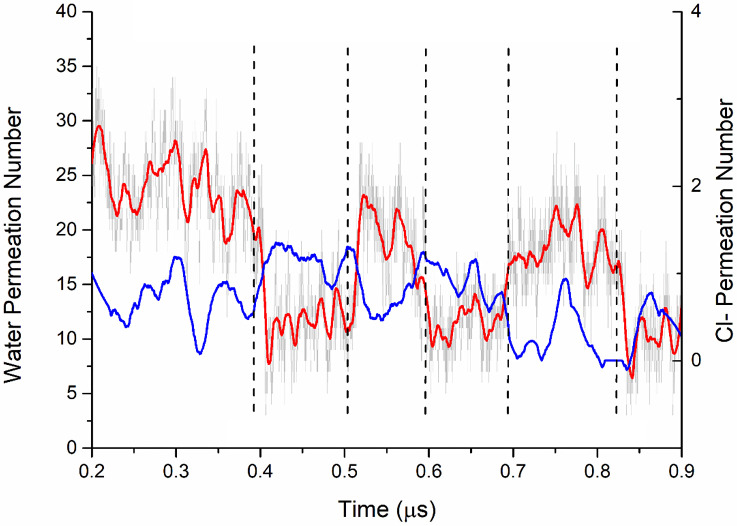
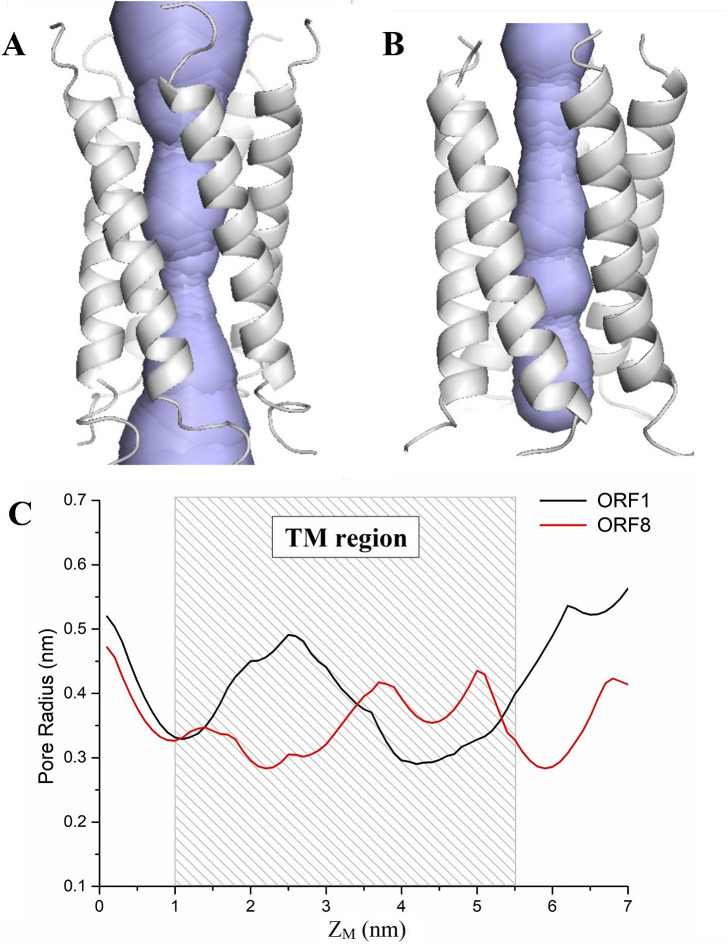
Glioma is a lethal malignant brain cancer, and many reports have shown that abnormalities in the behavior of water and ion channels play an important role in regulating tumor proliferation, migration, apoptosis, and differentiation. Recently, new studies have suggested that some long noncoding RNAs containing small open reading frames can encode small peptides and form oligomers for water or ion regulation. However, because the peptides are difficult to identify, their functional mechanisms are far from being clearly understood. In this study, we used bioinformatics methods to identify and evaluate lncRNAs, which may encode small transmembrane peptides in gliomas. Combining ab initio homology modeling, molecular dynamics simulations, and free energy calculations, we constructed a predictive model and predicted the oligomer channel activity of peptides by identifying the lncRNA ORFs. We found that one key hub lncRNA, namely, DLEU1, which contains two smORFs (ORF1 and ORF8), encodes small peptides that form pentameric channels. The mechanics of water and ion (Na+ and Cl-) transport through this pentameric channel were simulated. The potential mean force of the H2O molecules along the two ORF-encoded peptide channels indicated that the energy barrier was different between ORF1 and ORF8. The ORF1-encoded peptide pentamer acted as a self-assembled water channel but not as an ion channel, and the ORF8 permeated neither ions nor water. This work provides new methods and theoretical support for further elucidation of the function of lncRNA-encoded small peptides and their role in cancer. Additionally, this study provides a theoretical basis for drug development.
脑胶质瘤是一种致命的恶性脑癌,许多研究表明,水通道和离子通道的行为异常在调节肿瘤增殖、迁移、凋亡和分化方面起着重要作用。最近的新研究表明,一些含有小开放阅读框的长非编码 RNA 可以编码小肽,并形成寡聚体以调节水或离子。然而,由于肽难以识别,其功能机制还远未被清楚地理解。在这项研究中,我们使用生物信息学方法来鉴定和评估可能在脑胶质瘤中编码小跨膜肽的 lncRNA。通过从头同源建模、分子动力学模拟和自由能计算相结合,我们构建了一个预测模型,并通过鉴定 lncRNA ORFs 来预测肽的寡聚体通道活性。我们发现,一个关键的枢纽 lncRNA,即 DLEU1,它包含两个 smORFs(ORF1 和 ORF8),编码形成五聚体通道的小肽。模拟了通过这个五聚体通道的水和离子(Na+和 Cl-)传输的力学。沿着两个 ORF 编码的肽通道的 H2O 分子的平均势表明,ORF1 和 ORF8 之间的能量屏障不同。ORF1 编码的五聚体肽作为自组装水通道,但不是离子通道,而 ORF8 既不能渗透离子也不能渗透水。这项工作为进一步阐明 lncRNA 编码的小肽的功能及其在癌症中的作用提供了新的方法和理论支持。此外,这项研究为药物开发提供了理论依据。