Institute of Human Genetics, Universitätsklinikum Erlangen, Friedrich-Alexander-Universität Erlangen-Nürnberg (FAU), Schwabachanlage 10, 91054, Erlangen, Germany.
Medical Genetics, Department of Pediatrics, University of Massachusetts Medical School - Baystate, Springfield, MA, USA.
Orphanet J Rare Dis. 2021 Mar 18;16(1):136. doi: 10.1186/s13023-021-01744-1.
An identical homozygous missense variant in EIF3F, identified through a large-scale genome-wide sequencing approach, was reported as causative in nine individuals with a neurodevelopmental disorder, characterized by variable intellectual disability, epilepsy, behavioral problems and sensorineural hearing-loss. To refine the phenotypic and molecular spectrum of EIF3F-related neurodevelopmental disorder, we examined independent patients.
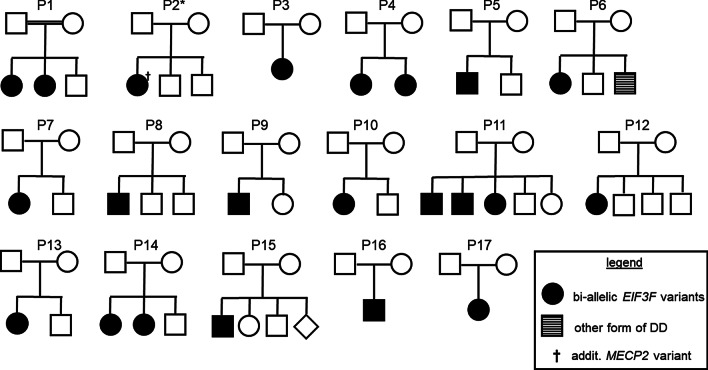
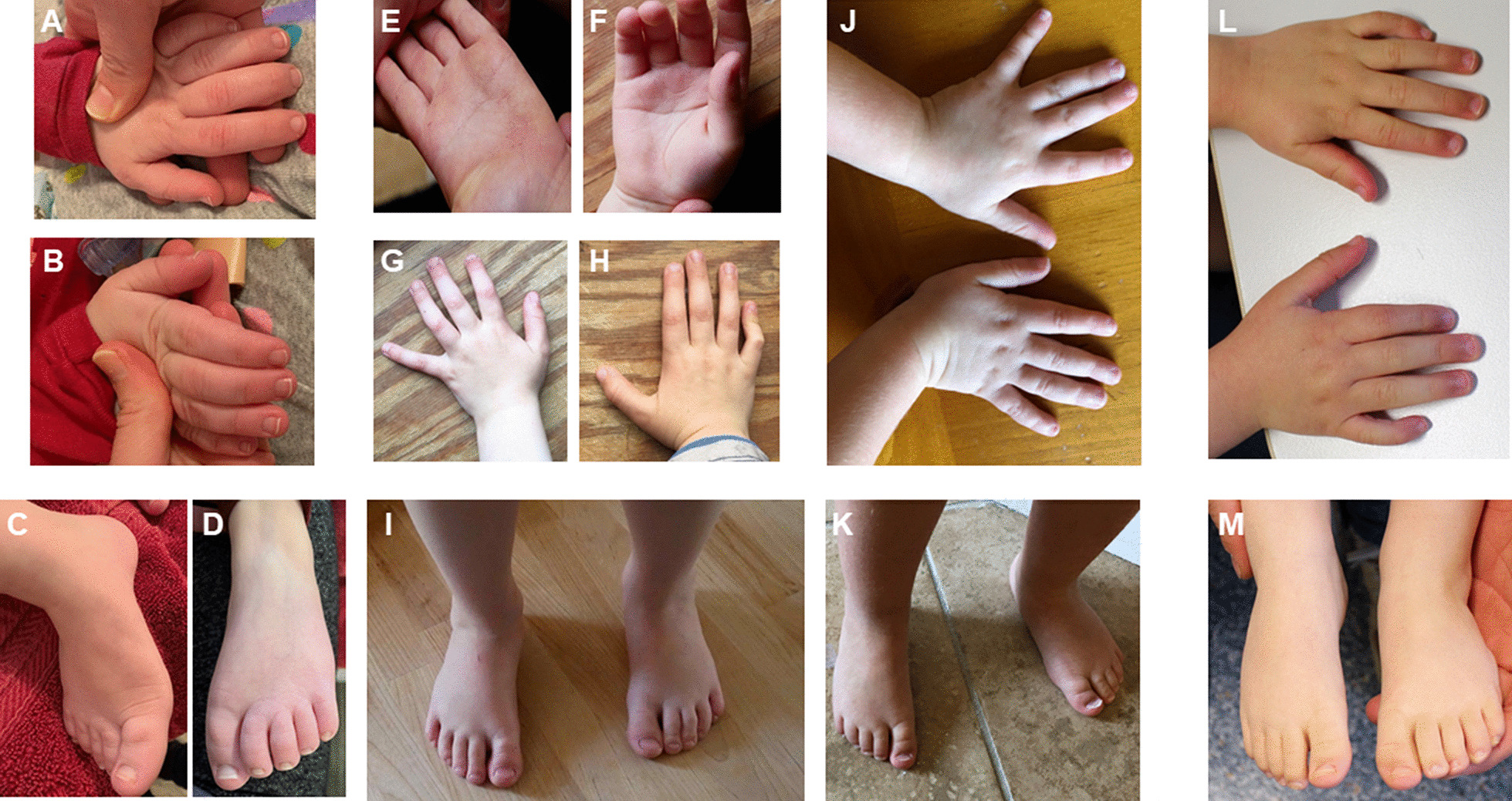
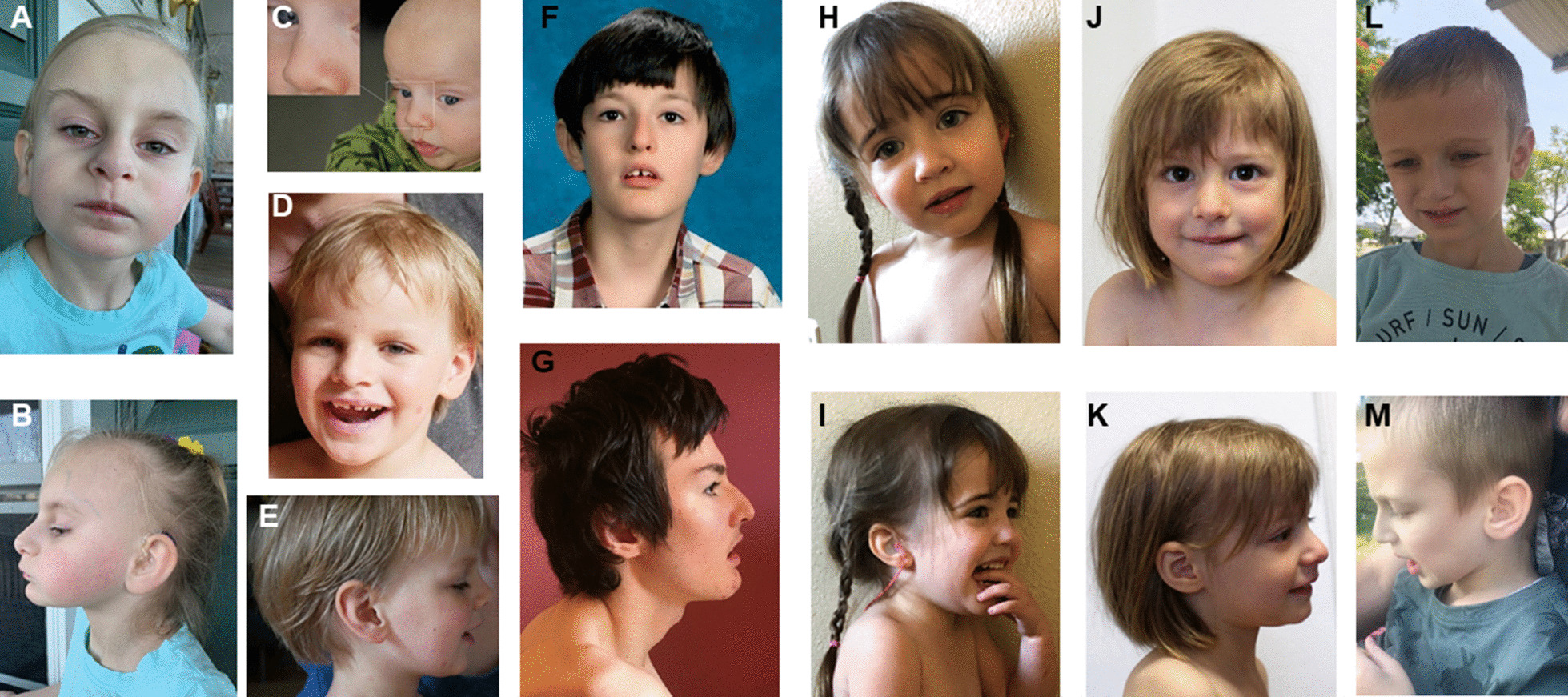
21 patients were homozygous and one compound heterozygous for c.694T>G/p.(Phe232Val) in EIF3F. Haplotype analyses in 15 families suggested that c.694T>G/p.(Phe232Val) was a founder variant. All affected individuals had developmental delays including delayed speech development. About half of the affected individuals had behavioral problems, altered muscular tone, hearing loss, and short stature. Moreover, this study suggests that microcephaly, reduced sensitivity to pain, cleft lip/palate, gastrointestinal symptoms and ophthalmological symptoms are part of the phenotypic spectrum. Minor dysmorphic features were observed, although neither the individuals' facial nor general appearance were obviously distinctive. Symptoms in the compound heterozygous individual with an additional truncating variant were at the severe end of the spectrum in regard to motor milestones, speech delay, organic problems and pre- and postnatal growth of body and head, suggesting some genotype-phenotype correlation.
Our study refines the phenotypic and expands the molecular spectrum of EIF3F-related syndromic neurodevelopmental disorder.
通过大规模全基因组测序方法发现,EIF3F 中的一个相同纯合错义变异被报道为 9 名神经发育障碍患者的致病原因,这些患者的特征是智力障碍、癫痫、行为问题和感觉神经性听力损失等表现存在差异。为了细化 EIF3F 相关神经发育障碍的表型和分子谱,我们对独立的患者进行了检查。
21 名患者为 EIF3F 中的 c.694T>G/p.(Phe232Val)纯合子,1 名患者为复合杂合子。15 个家系的单体型分析表明 c.694T>G/p.(Phe232Val)是一个起始变异。所有受影响的个体都有发育迟缓,包括语言发育迟缓。大约一半的受影响个体有行为问题、肌肉张力改变、听力损失和身材矮小。此外,本研究表明,小头畸形、对疼痛的敏感性降低、唇裂/腭裂、胃肠道症状和眼科症状都是表型谱的一部分。虽然个体的面部或整体外观没有明显的特征,但观察到了一些轻微的畸形特征。具有额外截断变异的复合杂合子个体的症状在运动里程碑、言语延迟、有机问题以及身体和头部的产前和产后生长方面处于谱的严重端,提示存在一些基因型-表型相关性。
我们的研究细化了 EIF3F 相关综合征性神经发育障碍的表型,并扩展了其分子谱。