Wellcome Trust Sanger Institute, Wellcome Trust Genome Campus, Hinxton, UK.
Great Ormond Street Hospital for Children, National Health Service (NHS) Foundation Trust, Great Ormond Street Hospital, Great Ormond Street, London WC1N 3JH, UK.
Science. 2018 Dec 7;362(6419):1161-1164. doi: 10.1126/science.aar6731. Epub 2018 Nov 8.
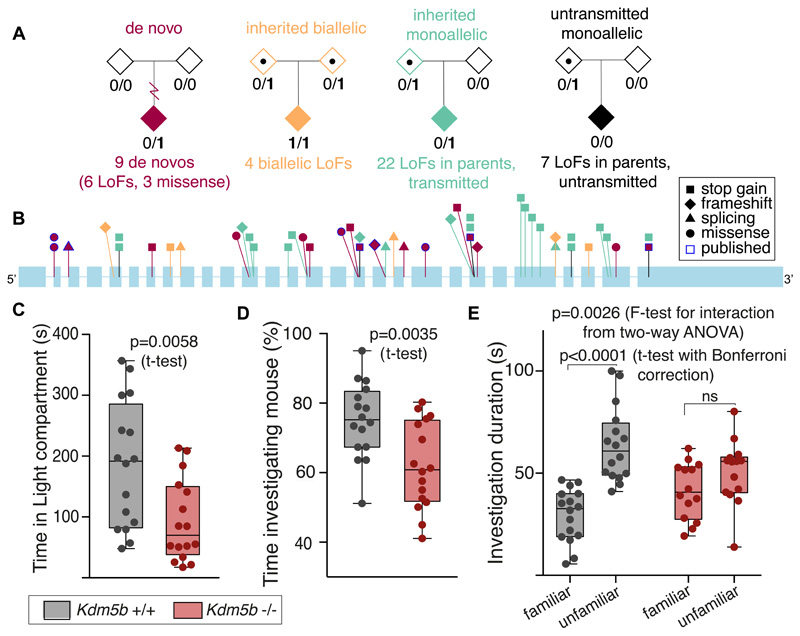
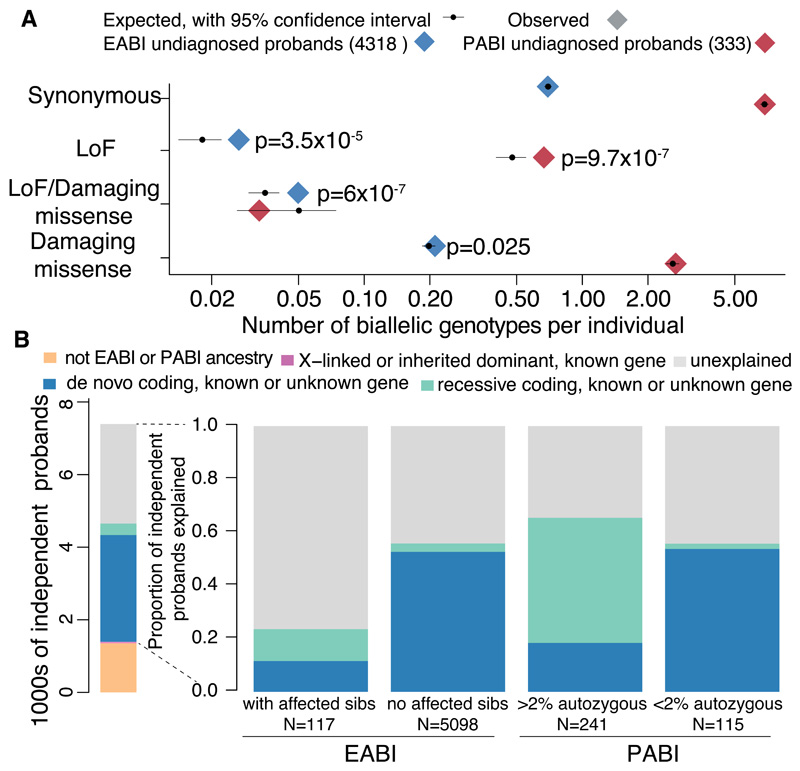
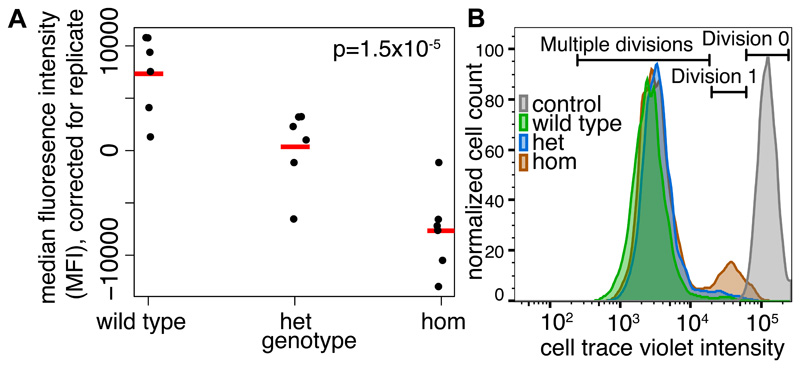
We estimated the genome-wide contribution of recessive coding variation in 6040 families from the Deciphering Developmental Disorders study. The proportion of cases attributable to recessive coding variants was 3.6% in patients of European ancestry, compared with 50% explained by de novo coding mutations. It was higher (31%) in patients with Pakistani ancestry, owing to elevated autozygosity. Half of this recessive burden is attributable to known genes. We identified two genes not previously associated with recessive developmental disorders, and , and functionally validated them with mouse and cellular models. Our results suggest that recessive coding variants account for a small fraction of currently undiagnosed nonconsanguineous individuals, and that the role of noncoding variants, incomplete penetrance, and polygenic mechanisms need further exploration.
我们在来自 Deciphering Developmental Disorders 研究的 6040 个家庭中估计了隐性编码变异的全基因组贡献。在欧洲血统的患者中,可归因于隐性编码变异的病例比例为 3.6%,而新生编码突变解释了 50%。在具有巴基斯坦血统的患者中,由于纯合子率升高,这一比例更高(31%)。隐性负担的一半归因于已知基因。我们确定了两个以前与隐性发育障碍无关的基因, 和 ,并用小鼠和细胞模型对其进行了功能验证。我们的研究结果表明,隐性编码变异仅占目前未确诊的非近亲个体的一小部分,而非编码变异、不完全外显率和多基因机制的作用需要进一步探索。