Department of Veterinary Medicine and Surgery, College of Veterinary Medicine, University of Missouri, Columbia, MO, 65211, USA.
Department of Veterinary Pathobiology, College of Veterinary Medicine, University of Missouri, Columbia, MO, 65211, USA.
Sci Rep. 2021 Mar 18;11(1):6314. doi: 10.1038/s41598-021-85484-z.
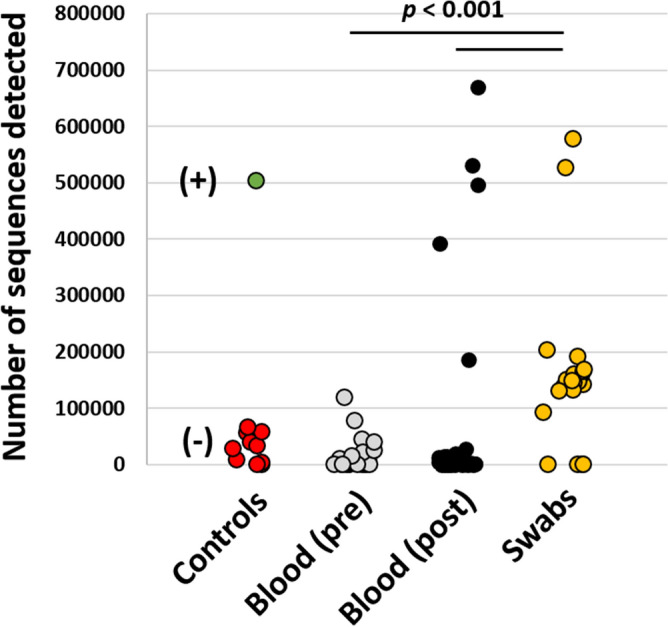
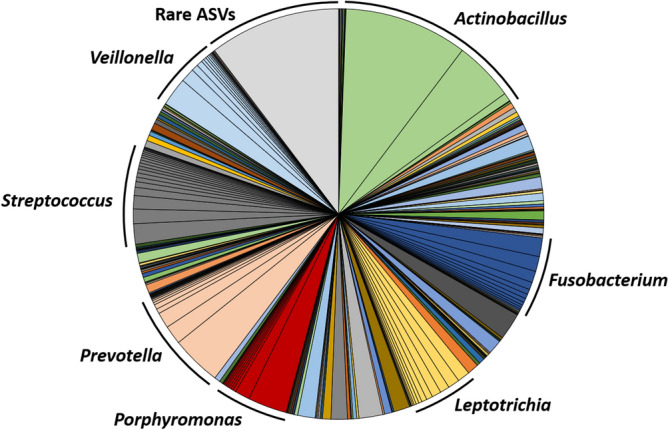
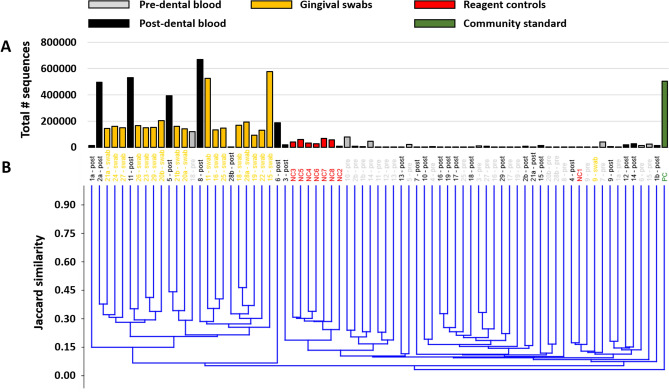
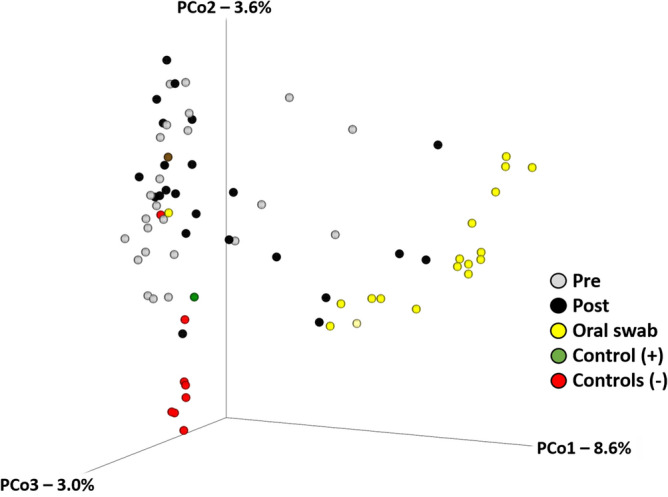
Bacteremia resulting from dental surgery is increasingly recognized as a health risk, especially in older and immunocompromised patients. Dentistry-associated bacteremia can lead to remote infections, as exemplified by valvular endocarditis. Emerging evidence points to a novel role played by oral cavity commensals in the pathogenesis of diabetes, respiratory disease, cardiovascular disease, and adverse pregnancy outcomes. Whether dental extraction, a commonly undertaken procedure in old horses, causes bacteremia has not been reported extensively. In a prospective clinical study using next generation sequencing (based on bacterial 16S rRNA), the circulating blood microbiome was characterized before and at 1 h following extraction of incisor, canine or cheek teeth from 29 adult horses with dental disease. 16S rRNA gene sequencing results from the blood microbiome were compared with those from gingival swab samples obtained prior to extraction at the location of the diseased tooth. Bacteremia associated with translocated gingival commensals was demonstrated in horses undergoing exodontia and was, in some cases, still evident one hour post-operatively.
牙科学相关的菌血症会导致远处感染,例如心内膜炎。越来越多的人认识到,牙科手术引起的菌血症是一种健康风险,尤其是在老年和免疫功能低下的患者中。口腔共生菌在糖尿病、呼吸疾病、心血管疾病和不良妊娠结局的发病机制中扮演着新的角色,这一点有新的证据支持。拔牙是老年马匹中常见的手术,但拔牙是否会引起菌血症尚未得到广泛报道。在一项使用下一代测序(基于细菌 16S rRNA)的前瞻性临床研究中,对 29 例患有牙科疾病的成年马在拔除切牙、犬齿或颊齿前 1 小时内的循环血液微生物组进行了特征描述。将从拔牙部位牙龈拭子样本中获得的提取前的血液微生物组 16S rRNA 基因测序结果与拔牙前的血液微生物组 16S rRNA 基因测序结果进行了比较。在接受拔牙手术的马匹中发现了与移位的牙龈共生菌相关的菌血症,在某些情况下,术后 1 小时仍有菌血症。