Duraj-Thatte Anna M, Manjula-Basavanna Avinash, Courchesne Noémie-Manuelle Dorval, Cannici Giorgia I, Sánchez-Ferrer Antoni, Frank Benjamin P, Van't Hag Leonie, Cotts Sarah K, Fairbrother D Howard, Mezzenga Raffaele, Joshi Neel S
John A. Paulson School of Engineering and Applied Sciences, Harvard University, Cambridge, MA, USA.
Wyss Institute for Biologically Inspired Engineering, Harvard University, Boston, MA, USA.
Nat Chem Biol. 2021 Jun;17(6):732-738. doi: 10.1038/s41589-021-00773-y. Epub 2021 Mar 18.
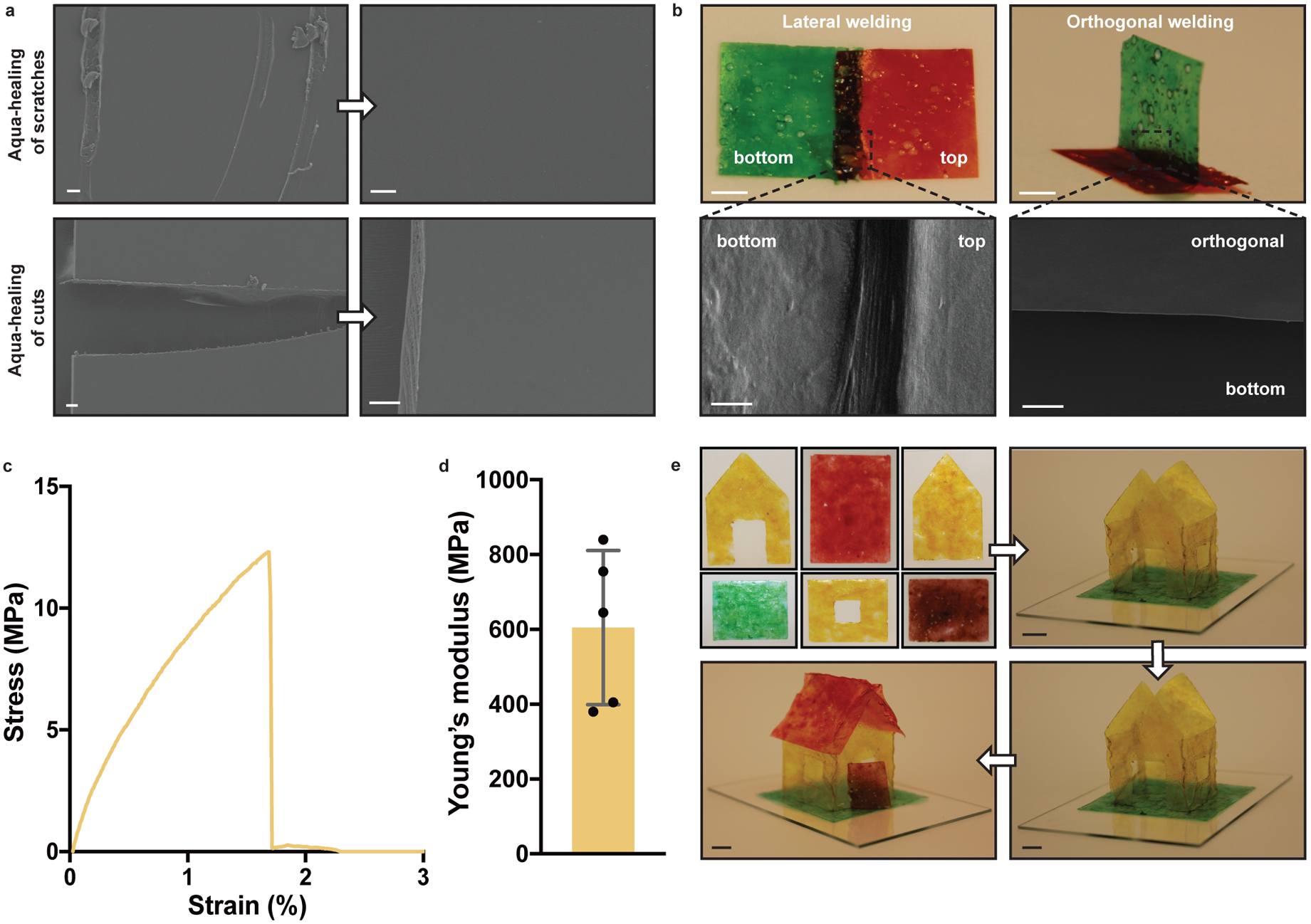
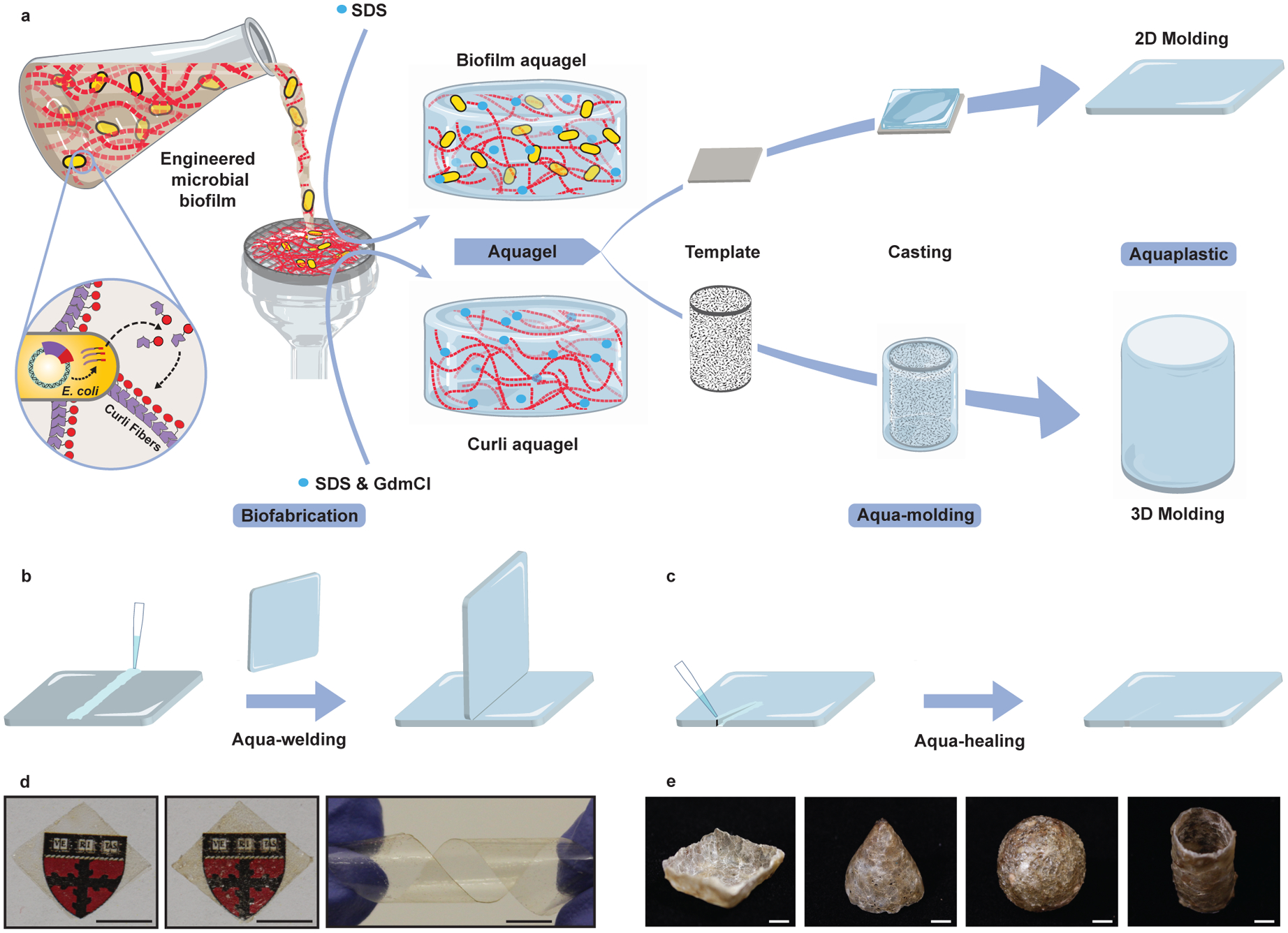
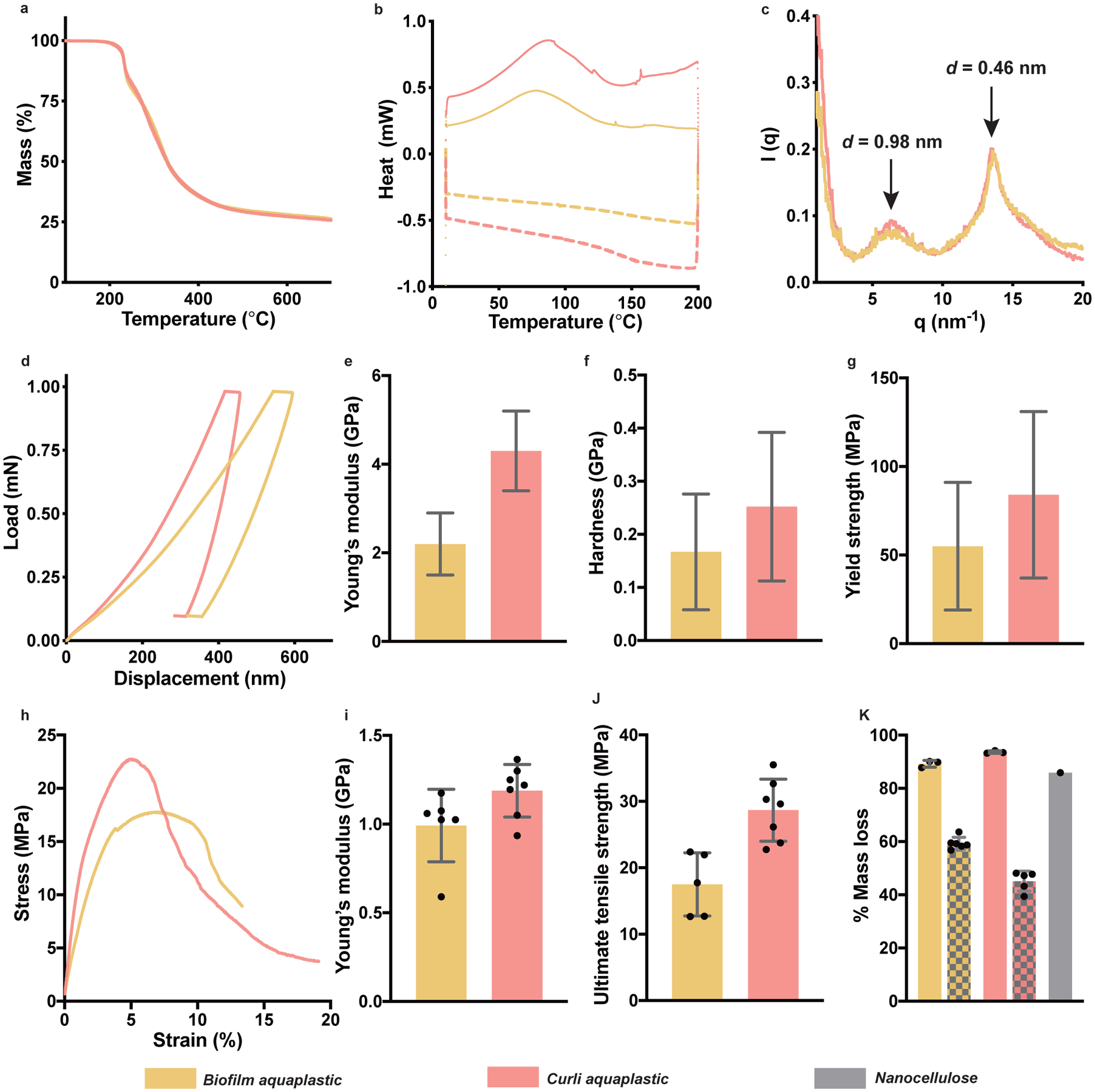
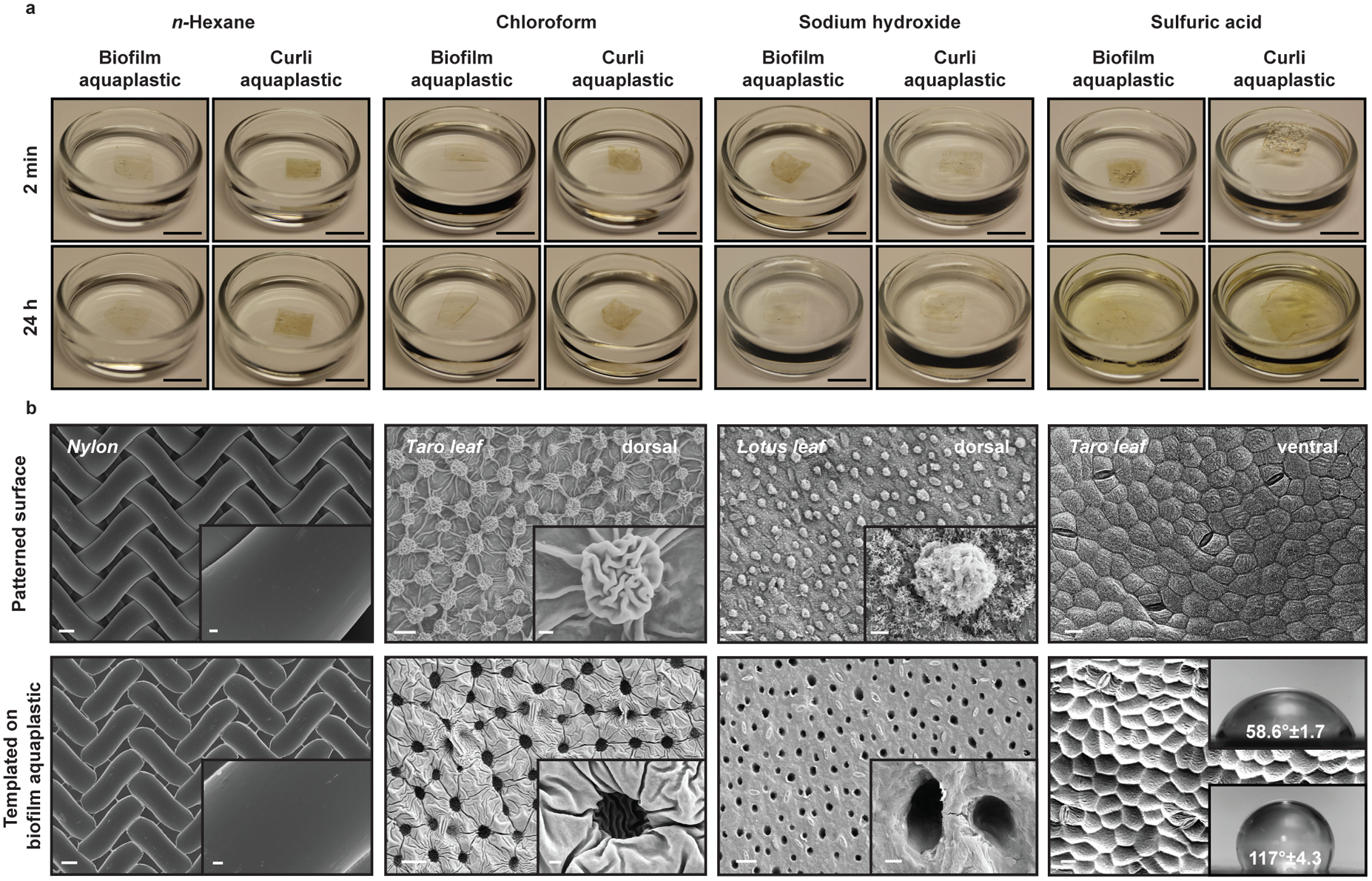
Petrochemical-based plastics have not only contaminated all parts of the globe, but are also causing potentially irreversible damage to our ecosystem because of their non-biodegradability. As bioplastics are limited in number, there is an urgent need to design and develop more biodegradable alternatives to mitigate the plastic menace. In this regard, we report aquaplastic, a new class of microbial biofilm-based biodegradable bioplastic that is water-processable, robust, templatable and coatable. Here, Escherichia coli was genetically engineered to produce protein-based hydrogels, which are cast and dried under ambient conditions to produce aquaplastic, which can withstand strong acid/base and organic solvents. In addition, aquaplastic can be healed and welded to form three-dimensional architectures using water. The combination of straightforward microbial fabrication, water processability and biodegradability makes aquaplastic a unique material worthy of further exploration for packaging and coating applications.
以石化为基础的塑料不仅污染了全球各地,还因其不可生物降解性对我们的生态系统造成了潜在的不可逆转的损害。由于生物塑料数量有限,迫切需要设计和开发更多可生物降解的替代品,以减轻塑料威胁。在这方面,我们报道了水塑性塑料,这是一种新型的基于微生物生物膜的可生物降解生物塑料,具有可水加工、坚固、可模板化和可涂层的特点。在这里,大肠杆菌经过基因工程改造,以生产基于蛋白质的水凝胶,该水凝胶在环境条件下浇铸和干燥以生产水塑性塑料,这种塑料能够承受强酸/强碱和有机溶剂。此外,水塑性塑料可以通过水进行修复和焊接,以形成三维结构。直接的微生物制造、水加工性和生物降解性的结合,使水塑性塑料成为一种独特的材料,值得在包装和涂层应用方面进一步探索。