Gcwensa Nolwazi Z, Russell Drèson L, Cowell Rita M, Volpicelli-Daley Laura A
Department of Neurobiology, Center for Neurodegeneration and Experimental Therapeutics, Civitan International Research Center, Birmingham, AL, United States.
Department of Neuroscience, Southern Research, Birmingham, AL, United States.
Front Cell Neurosci. 2021 Mar 2;15:626128. doi: 10.3389/fncel.2021.626128. eCollection 2021.
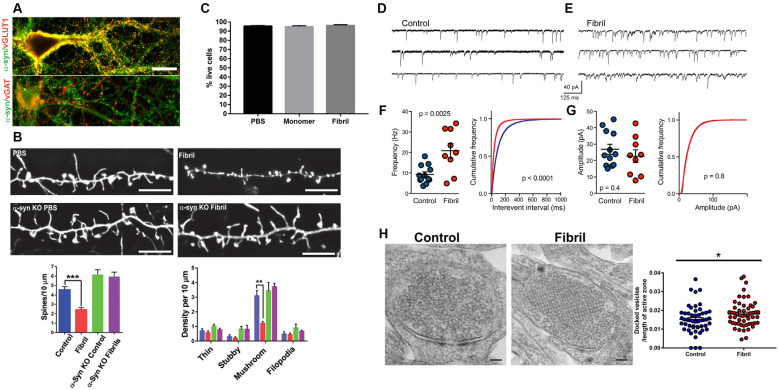
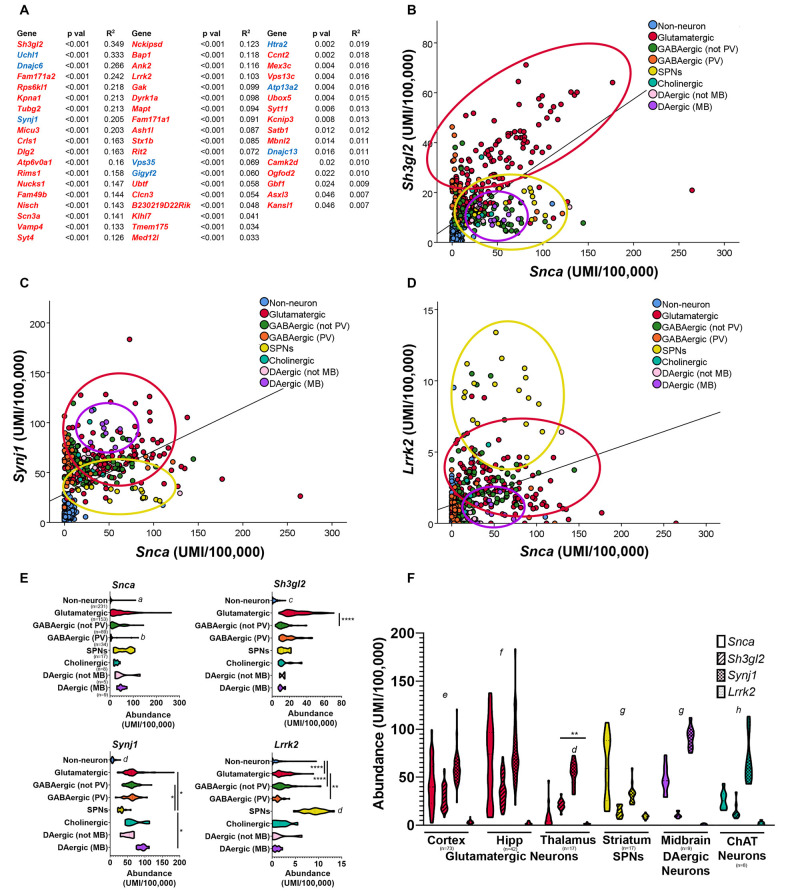
Parkinson's disease (PD) is a progressive neurodegenerative disease that impairs movement as well as causing multiple other symptoms such as autonomic dysfunction, rapid eye movement (REM) sleep behavior disorder, hyposmia, and cognitive changes. Loss of dopamine neurons in the substantia nigra pars compacta (SNc) and loss of dopamine terminals in the striatum contribute to characteristic motor features. Although therapies ease the symptoms of PD, there are no treatments to slow its progression. Accumulating evidence suggests that synaptic impairments and axonal degeneration precede neuronal cell body loss. Early synaptic changes may be a target to prevent disease onset and slow progression. Imaging of PD patients with radioligands, post-mortem pathologic studies in sporadic PD patients, and animal models of PD demonstrate abnormalities in presynaptic terminals as well as postsynaptic dendritic spines. Dopaminergic and excitatory synapses are substantially reduced in PD, and whether other neuronal subtypes show synaptic defects remains relatively unexplored. Genetic studies implicate several genes that play a role at the synapse, providing additional support for synaptic dysfunction in PD. In this review article we: (1) provide evidence for synaptic defects occurring in PD before neuron death; (2) describe the main genes implicated in PD that could contribute to synapse dysfunction; and (3) show correlations between the expression of mRNA and mouse homologs of PD GWAS genes demonstrating selective enrichment of and synaptic genes in dopaminergic, excitatory and cholinergic neurons. Altogether, these findings highlight the need for novel therapeutics targeting the synapse and suggest that future studies should explore the roles for PD-implicated genes across multiple neuron types and circuits.
帕金森病(PD)是一种进行性神经退行性疾病,它不仅会损害运动功能,还会引发多种其他症状,如自主神经功能障碍、快速眼动(REM)睡眠行为障碍、嗅觉减退和认知变化。黑质致密部(SNc)中多巴胺能神经元的丧失以及纹状体中多巴胺能终末的丧失导致了其特征性的运动特征。尽管现有疗法可缓解帕金森病的症状,但尚无能够减缓其进展的治疗方法。越来越多的证据表明,突触损伤和轴突退化先于神经元细胞体的丧失。早期的突触变化可能是预防疾病发生和减缓疾病进展的靶点。对帕金森病患者进行放射性配体成像、对散发性帕金森病患者进行尸检病理研究以及帕金森病动物模型均显示,突触前终末以及突触后树突棘存在异常。在帕金森病中,多巴胺能突触和兴奋性突触显著减少,而其他神经元亚型是否存在突触缺陷仍有待进一步探索。遗传学研究表明,有几个基因在突触处发挥作用,这为帕金森病中的突触功能障碍提供了额外支持。在这篇综述文章中,我们:(1)提供帕金森病在神经元死亡之前发生突触缺陷的证据;(2)描述与帕金森病相关的主要基因,这些基因可能导致突触功能障碍;(3)展示帕金森病全基因组关联研究(GWAS)基因的mRNA表达与小鼠同源基因之间的相关性,证明这些基因在多巴胺能神经元、兴奋性神经元和胆碱能神经元中选择性富集于突触基因。总之,这些发现凸显了针对突触的新型治疗方法的必要性,并表明未来的研究应探索与帕金森病相关的基因在多种神经元类型和神经回路中的作用。