Aman Zachary S, Peebles Liam A, Johnson Donovan W, Hanson Jared A, Provencher Matthew T
Sidney Kimmel Medical College at Thomas Jefferson University, Philadelphia, Pennsylvania, U.S.A.
Tulane University School of Medicine, New Orleans, Los Angeles, U.S.A.
Arthrosc Tech. 2021 Feb 15;10(3):e781-e787. doi: 10.1016/j.eats.2020.10.068. eCollection 2021 Mar.
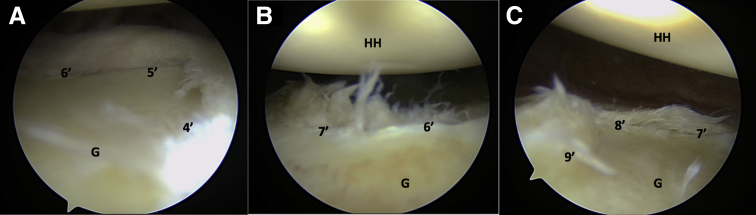
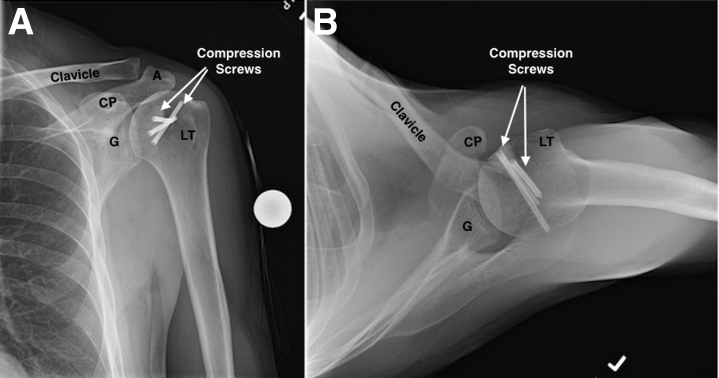
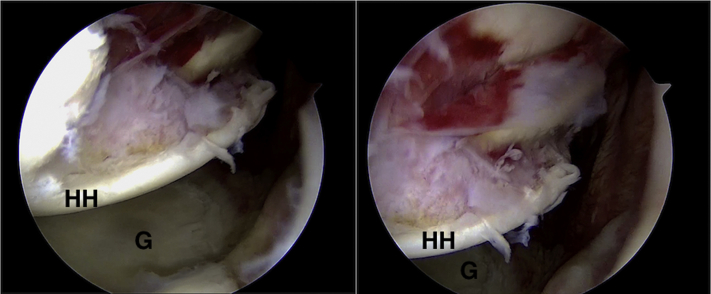
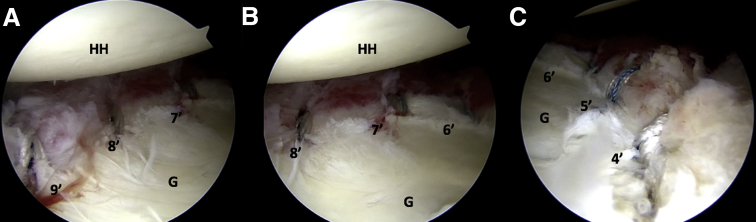
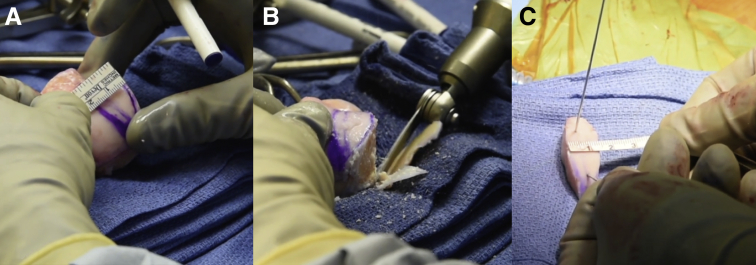
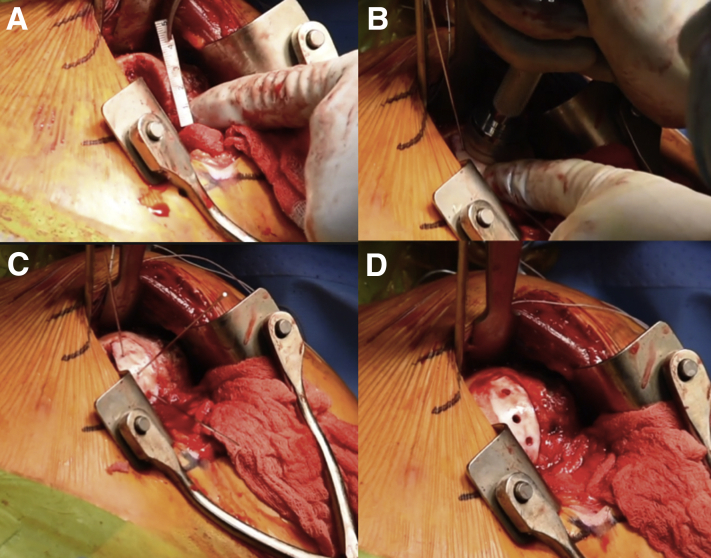
Traumatic posterior dislocations of the shoulder can result in bony defects, labral tears, and cartilage injuries of the glenohumeral joint. Although traditional Hill-Sachs lesions from anterior dislocations are more commonly identified, reverse Hill-Sachs lesions caused by posterior dislocation often leads to recurrent engagement of the humeral head with the glenoid and significantly greater damage to the humeral chondral surface. In severe traumatic cases, concomitant damage of the capsulolabral soft tissues, such as circumferential labral lesions, can lead to chronic shoulder instability and residual glenoid bone loss. These lesions further add to the complexity of managing patients with posterior dislocations of the shoulder because of the challenges of achieving adequate anatomic reduction and tensioning of the capsulolabral junction, while also using a combination of arthroscopic and open-labral repair techniques. In the setting of reverse Hill-Sachs lesions treatment, it is important to address the bony and cartilage defect. The purpose of this Technical Note is to describe our preferred technique for arthroscopic repair of circumferential lesions of the glenoid labrum causing multidirectional instability with concomitant reverse Hill-Sachs Lesion treatment with fresh talus osteochondral allograft.
创伤性肩关节后脱位可导致盂肱关节出现骨质缺损、盂唇撕裂和软骨损伤。尽管前脱位导致的传统希尔-萨克斯损伤更常被发现,但后脱位引起的反向希尔-萨克斯损伤常导致肱骨头与关节盂反复嵌顿,并对肱骨头软骨表面造成更严重的损伤。在严重创伤病例中,关节囊盂唇软组织的合并损伤,如环形盂唇损伤,可导致慢性肩关节不稳定和关节盂骨质残留丢失。由于要实现充分的解剖复位和关节囊盂唇交界处的张力恢复,同时还要结合关节镜和开放盂唇修复技术,这些损伤进一步增加了肩关节后脱位患者治疗的复杂性。在治疗反向希尔-萨克斯损伤时,处理骨质和软骨缺损很重要。本技术说明的目的是描述我们首选的关节镜修复方法,用于治疗因新鲜距骨骨软骨异体移植联合治疗反向希尔-萨克斯损伤而导致多向不稳定的关节盂唇环形损伤。