Kaya Ecem, Smith David A, Smith Claire, Morris Lauren, Bremova-Ertl Tatiana, Cortina-Borja Mario, Fineran Paul, Morten Karl J, Poulton Joanna, Boland Barry, Spencer John, Strupp Michael, Platt Frances M
Department of Pharmacology, University of Oxford, Oxford OX1 3QT, UK.
Department of Neurology, Inselspital, Bern University Hospital, University of Bern, 3010 Bern, Switzerland.
Brain Commun. 2020 Dec 20;3(1):fcaa148. doi: 10.1093/braincomms/fcaa148. eCollection 2021.
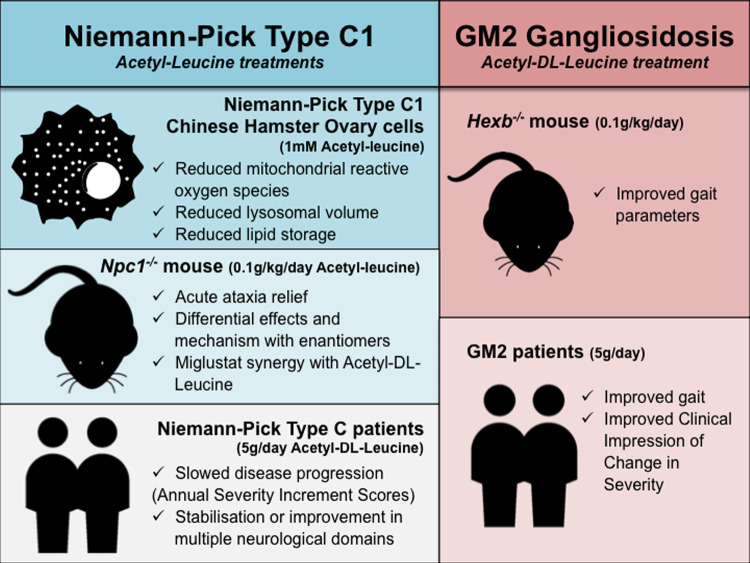
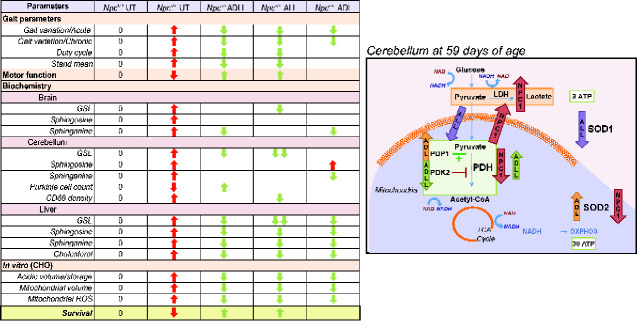
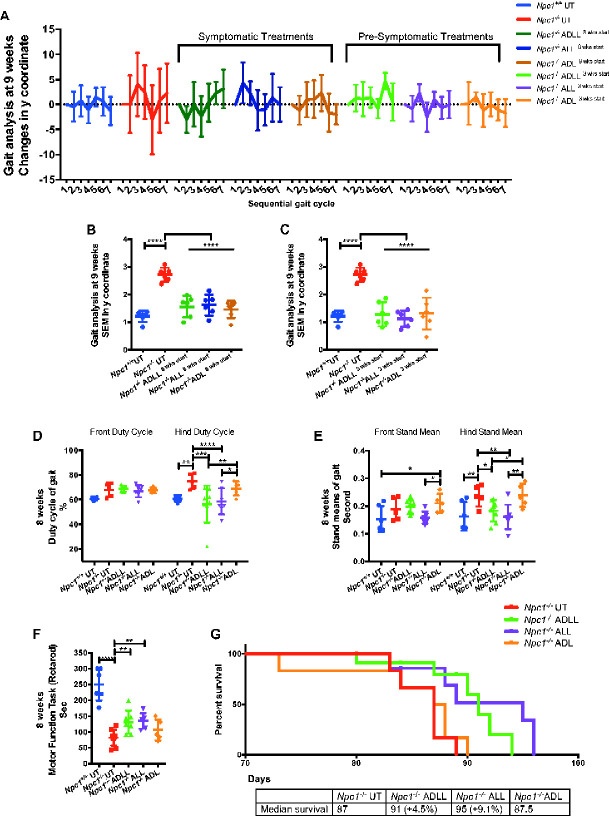
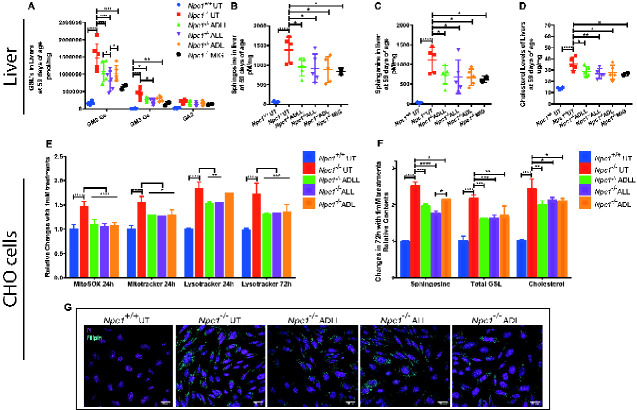
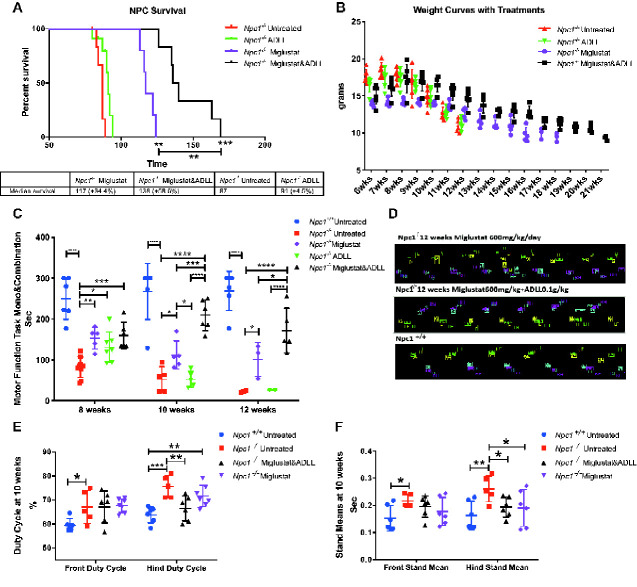
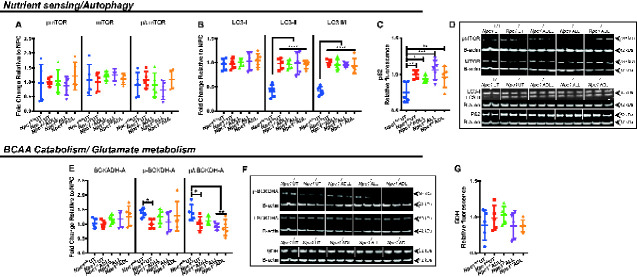
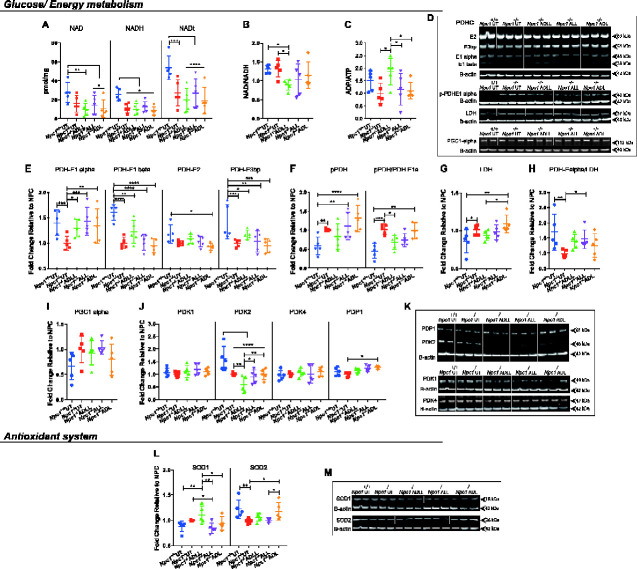
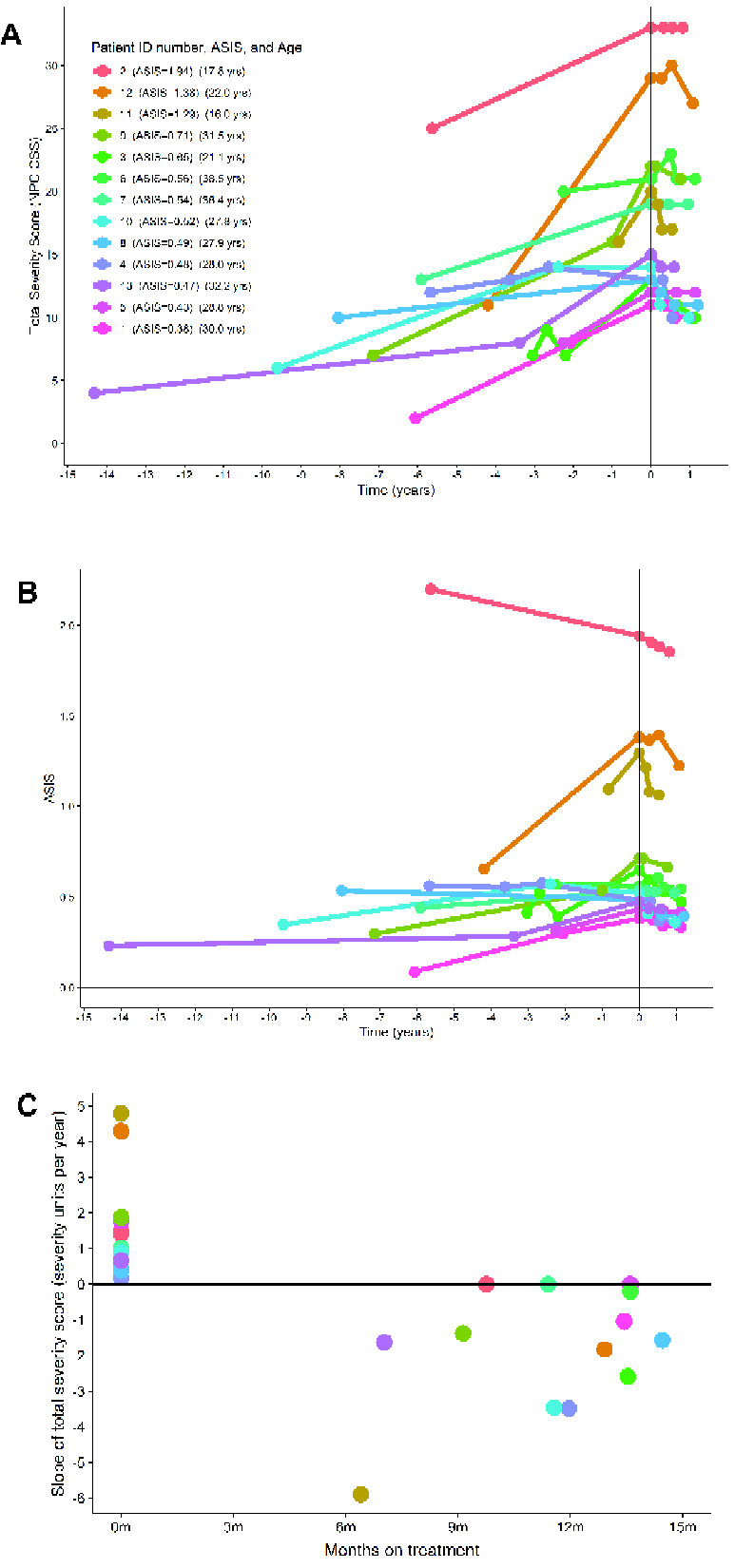
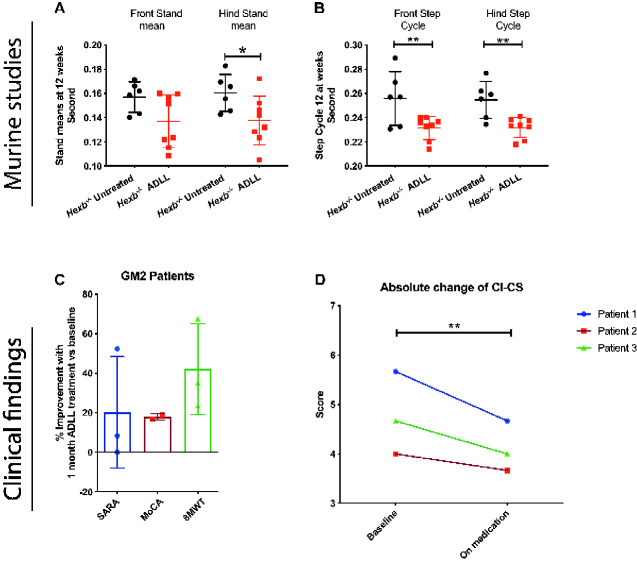
Acetyl-dl-leucine is a derivative of the branched chain amino acid leucine. In observational clinical studies, acetyl-dl-leucine improved symptoms of ataxia, in particular in patients with the lysosomal storage disorder, Niemann-Pick disease type C1. Here, we investigated acetyl-dl-leucine and its enantiomers acetyl-l-leucine and acetyl-d-leucine in symptomatic mice and observed improvement in ataxia with both individual enantiomers and acetyl-dl-leucine. When acetyl-dl-leucine and acetyl-l-leucine were administered pre-symptomatically to mice, both treatments delayed disease progression and extended life span, whereas acetyl-d-leucine did not. These data are consistent with acetyl-l-leucine being the neuroprotective enantiomer. Altered glucose and antioxidant metabolism were implicated as one of the potential mechanisms of action of the l-enantiomer in mice. When the standard of care drug miglustat and acetyl-dl-leucine were used in combination significant synergy resulted. In agreement with these pre-clinical data, when Niemann-Pick disease type C1 patients were evaluated after 12 months of acetyl-dl-leucine treatment, rates of disease progression were slowed, with stabilization or improvement in multiple neurological domains. A beneficial effect of acetyl-dl-leucine on gait was also observed in this study in a mouse model of GM2 gangliosidosis (Sandhoff disease) and in Tay-Sachs and Sandhoff disease patients in individual-cases of off-label-use. Taken together, we have identified an unanticipated neuroprotective effect of acetyl-l-leucine and underlying mechanisms of action in lysosomal storage diseases, supporting its further evaluation in clinical trials in lysosomal disorders.
乙酰 - dl - 亮氨酸是支链氨基酸亮氨酸的衍生物。在临床观察性研究中,乙酰 - dl - 亮氨酸改善了共济失调症状,特别是在患有溶酶体贮积病C1型尼曼 - 匹克病的患者中。在此,我们在出现症状的小鼠中研究了乙酰 - dl - 亮氨酸及其对映体乙酰 - l - 亮氨酸和乙酰 - d - 亮氨酸,观察到单个对映体和乙酰 - dl - 亮氨酸均能改善共济失调。当在症状出现前给小鼠施用乙酰 - dl - 亮氨酸和乙酰 - l - 亮氨酸时,两种治疗均延迟了疾病进展并延长了寿命,而乙酰 - d - 亮氨酸则没有。这些数据与乙酰 - l - 亮氨酸是具有神经保护作用的对映体一致。葡萄糖和抗氧化代谢的改变被认为是l - 对映体在小鼠中潜在的作用机制之一。当将标准护理药物米格鲁司他和乙酰 - dl - 亮氨酸联合使用时,产生了显著的协同作用。与这些临床前数据一致,当对C1型尼曼 - 匹克病患者进行12个月的乙酰 - dl - 亮氨酸治疗后进行评估时,疾病进展速度减慢,多个神经领域得到稳定或改善。在这项研究中,在GM2神经节苷脂贮积症(桑德霍夫病)的小鼠模型以及非标签使用的个别泰 - 萨克斯病和桑德霍夫病患者中,也观察到了乙酰 - dl - 亮氨酸对步态的有益作用。综上所述,我们已经确定了乙酰 - l - 亮氨酸在溶酶体贮积病中未预期的神经保护作用及其潜在的作用机制,支持其在溶酶体疾病临床试验中的进一步评估。