Thomas E. Starzl Transplantation Institute, University of Pittsburgh School of Medicine, Pittsburgh, PA 15261, USA.
Department of Surgery, University of Pittsburgh School of Medicine, Pittsburgh, PA 15261, USA.
Sci Immunol. 2021 Mar 19;6(57). doi: 10.1126/sciimmunol.abc8122.
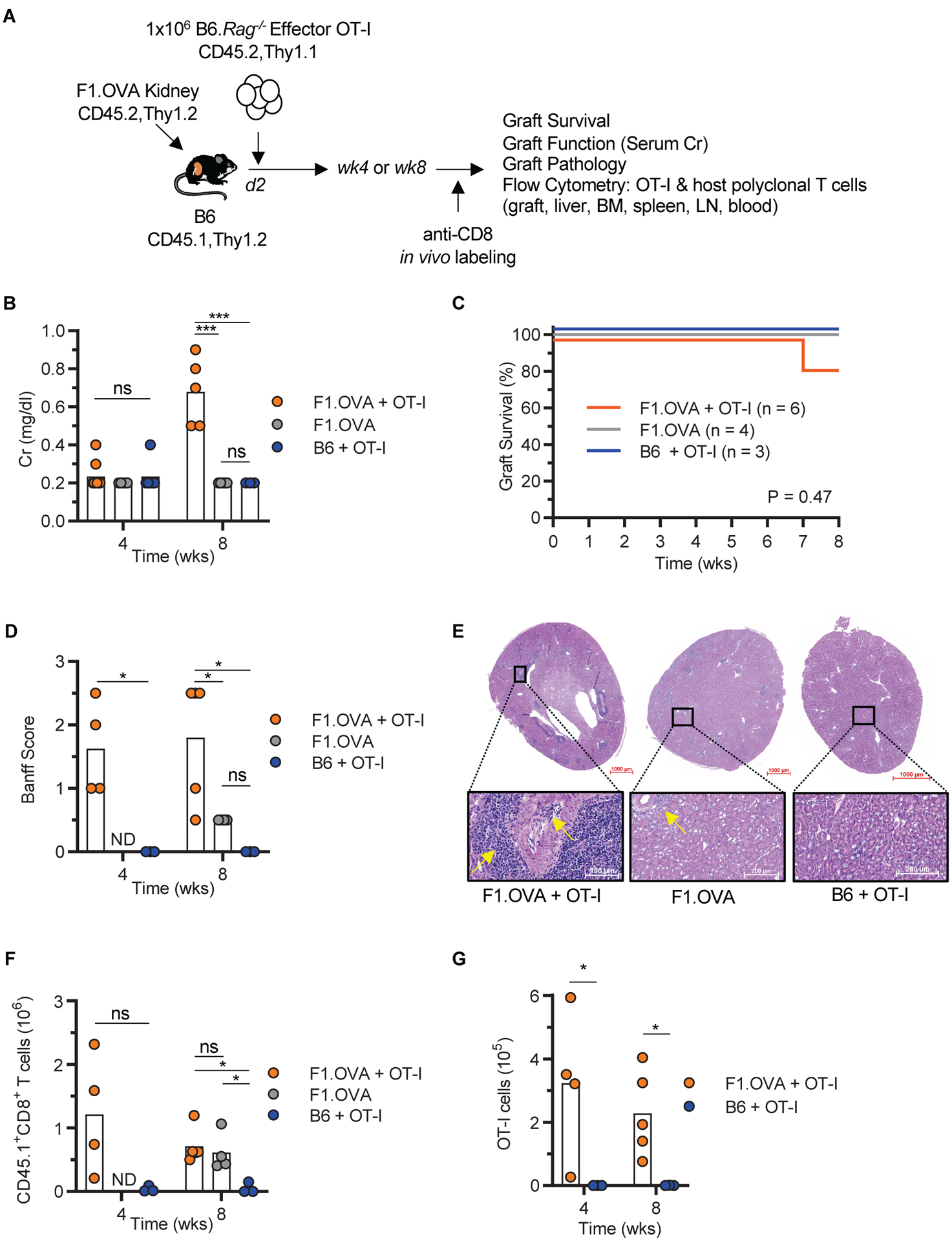
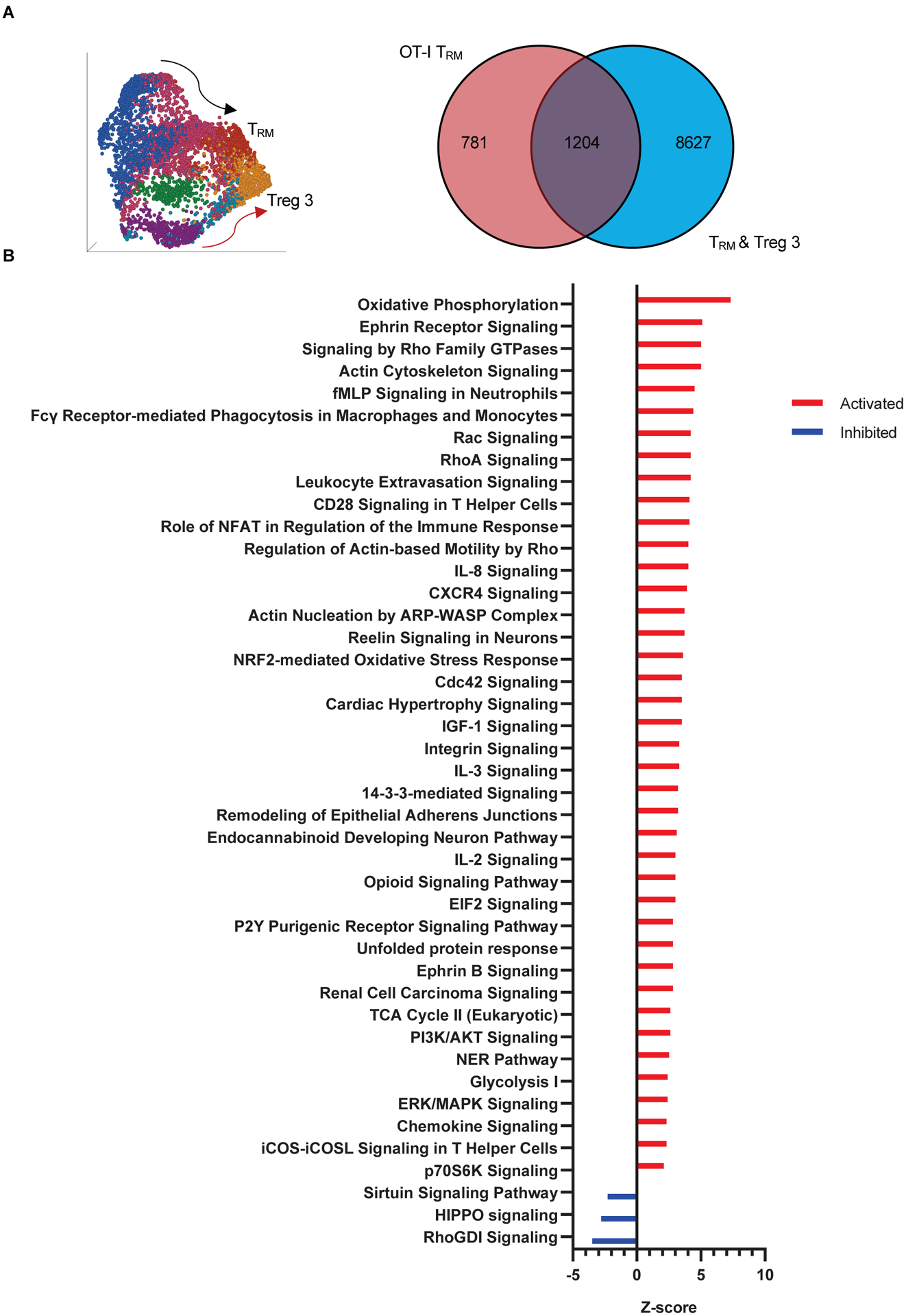
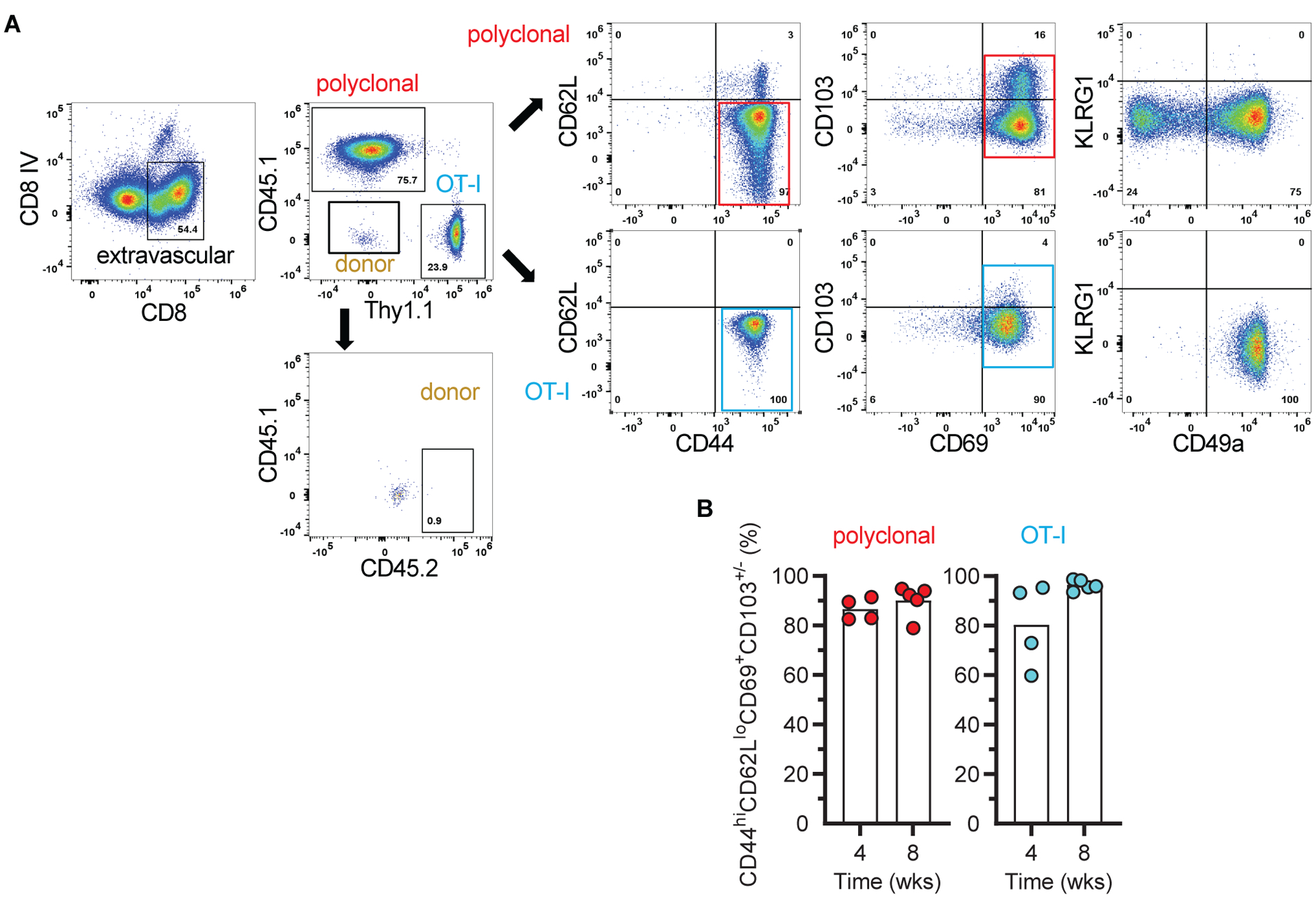
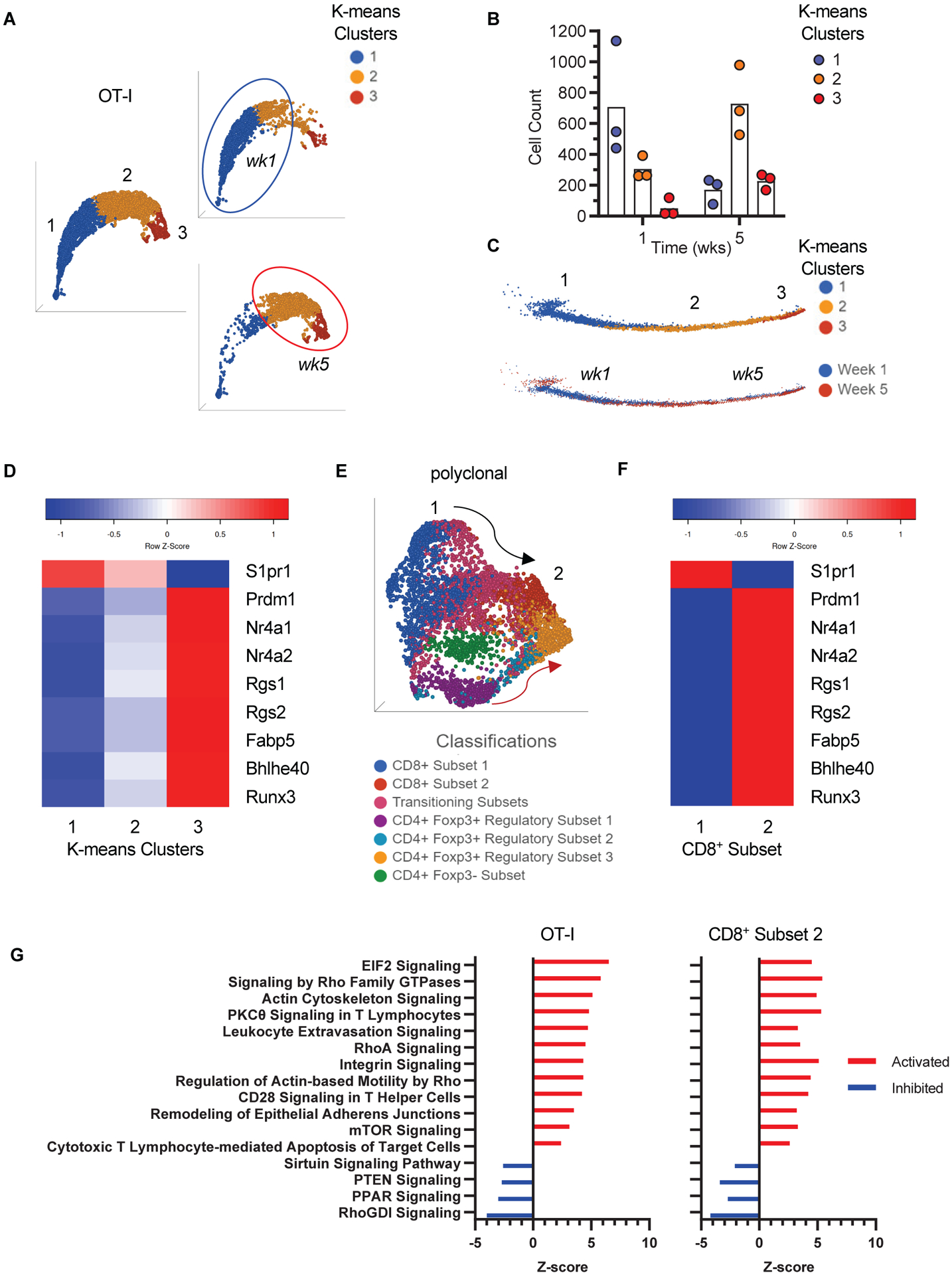
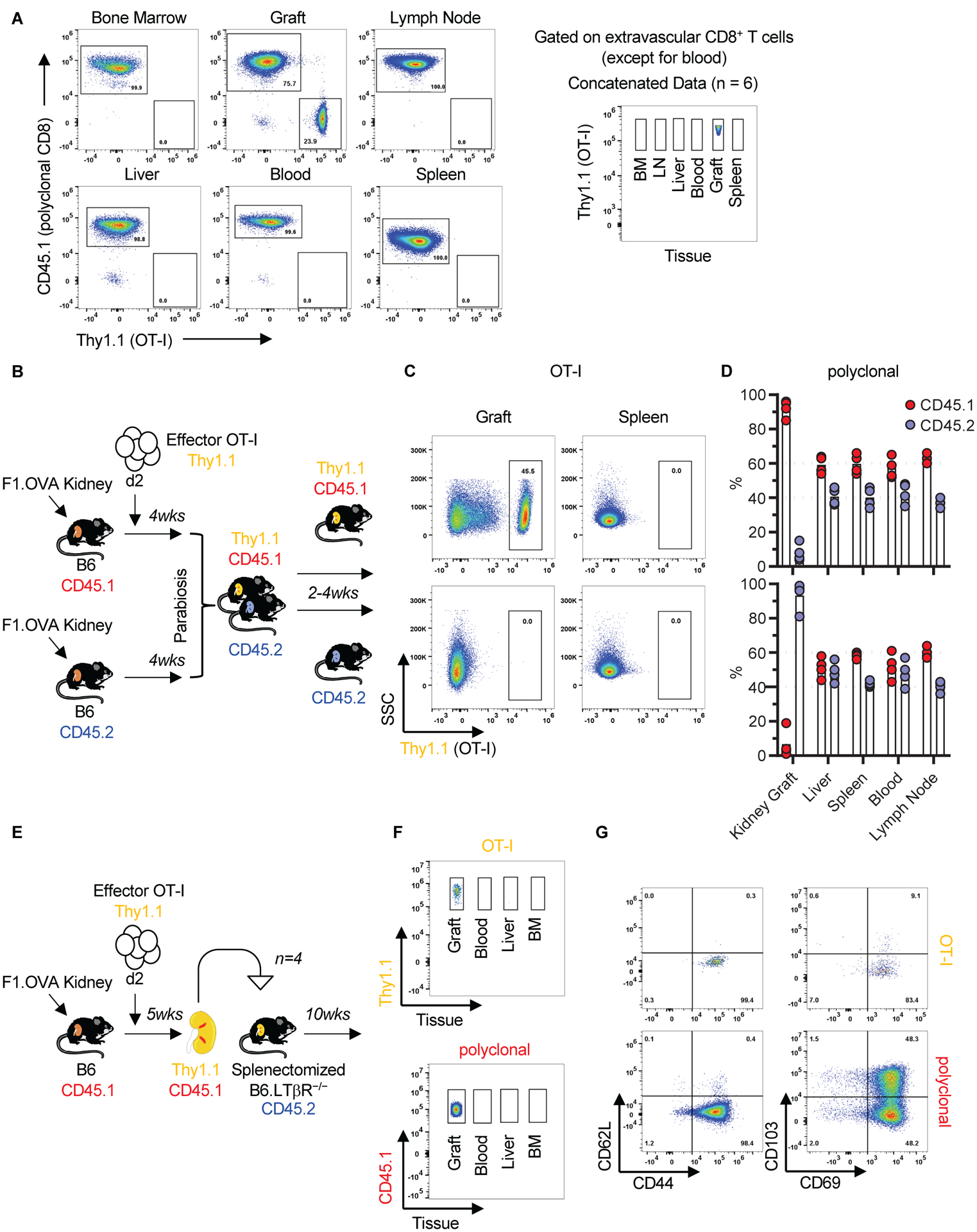
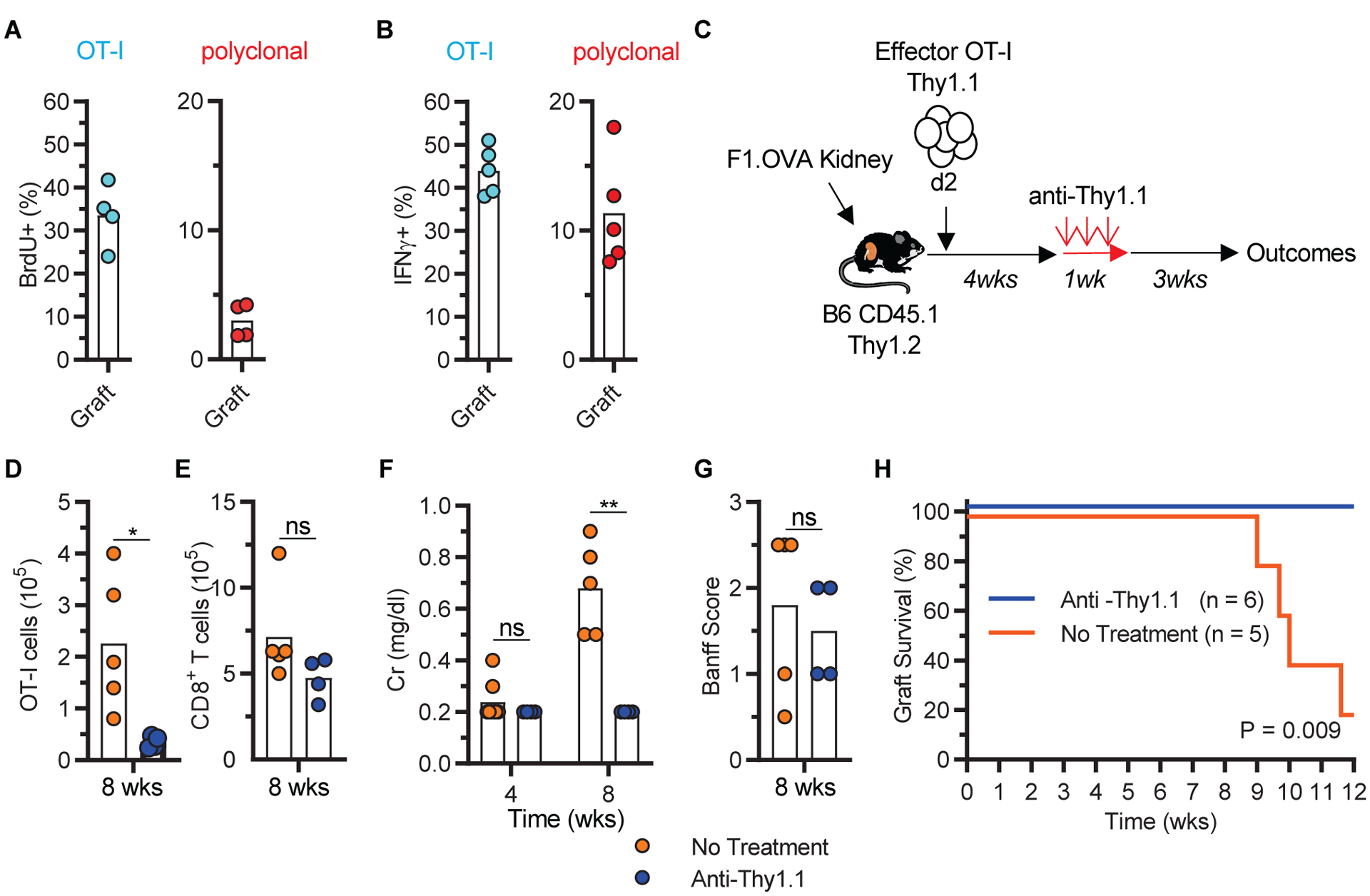
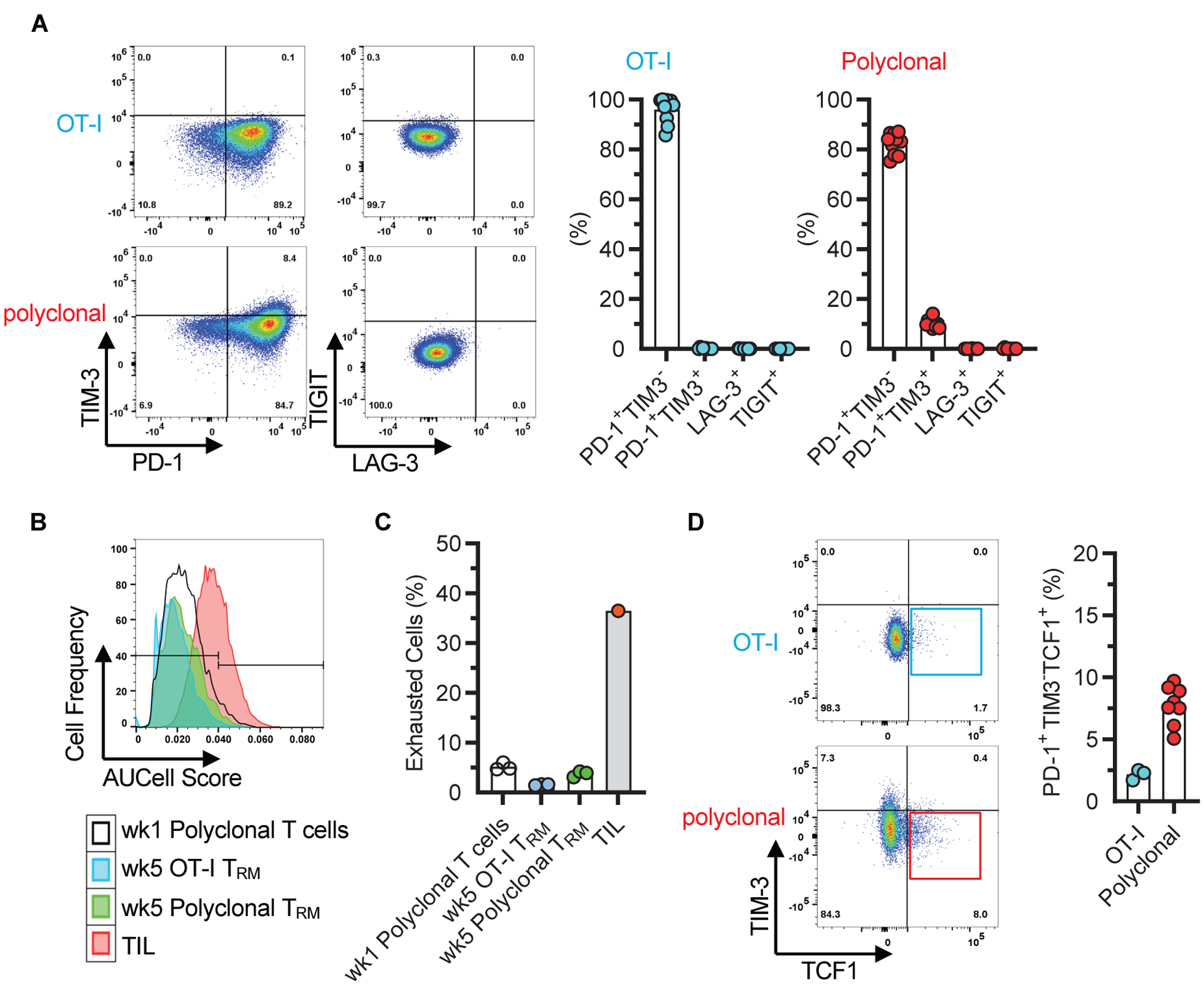
Tissue-resident memory T cells (T) contained at sites of previous infection provide local protection against reinfection. Whether they form and function in organ transplants where cognate antigen persists is unclear. This is a key question in transplantation as T cells are detected long term in allografts, but it is not known whether they are exhausted or are functional memory T cells. Using a mouse model of kidney transplantation, we showed that antigen-specific and polyclonal effector T cells differentiated in the graft into T and subsequently caused allograft rejection. T identity was established by surface phenotype, transcriptional profile, and inability to recirculate in parabiosis and retransplantation experiments. Graft T proliferated locally, produced interferon-γ upon restimulation, and their in vivo depletion attenuated rejection. The vast majority of antigen-specific and polyclonal T lacked phenotypic and transcriptional exhaustion markers. Single-cell analysis of graft T cells early and late after transplantation identified a transcriptional program associated with transition to the tissue-resident state that could serve as a platform for the discovery of therapeutic targets. Thus, recipient effector T cells differentiate into functional graft T that maintain rejection locally. Targeting these T could improve renal transplant outcomes.
组织驻留记忆 T 细胞(T)存在于先前感染的部位,可提供针对再感染的局部保护。在同种抗原持续存在的器官移植中,它们是否形成并发挥功能尚不清楚。这是移植中的一个关键问题,因为在同种异体移植物中可长期检测到 T 细胞,但尚不清楚它们是耗竭的还是具有功能的记忆 T 细胞。本研究使用小鼠肾移植模型表明,抗原特异性和多克隆效应 T 细胞在移植物中分化为 T 细胞,随后导致移植物排斥。T 细胞的特征通过表面表型、转录谱以及在联体和再移植实验中不能再循环来确定。移植物 T 细胞在体内局部增殖,在再刺激时产生干扰素-γ,其体内耗竭可减轻排斥反应。绝大多数抗原特异性和多克隆 T 细胞缺乏表型和转录耗竭标志物。移植后早期和晚期对移植物 T 细胞的单细胞分析确定了与向组织驻留状态转变相关的转录程序,可作为发现治疗靶点的平台。因此,受者效应 T 细胞分化为具有功能的移植物 T 细胞,可在局部维持排斥反应。针对这些 T 细胞可能会改善肾移植的结果。