Feng Zengyu, Li Kexian, Lou Jianyao, Ma Mindi, Wu Yulian, Peng Chenghong
Department of General Surgery, Pancreatic Disease Center, Research Institute of Pancreatic Diseases, Ruijin Hospital, Shanghai Jiao Tong University School of Medicine, Shanghai, China.
State Key Laboratory of Oncogenes and Related Genes, Institute of Translational Medicine, Shanghai Jiao Tong University, Shanghai, China.
Front Cell Dev Biol. 2021 Mar 4;9:619549. doi: 10.3389/fcell.2021.619549. eCollection 2021.
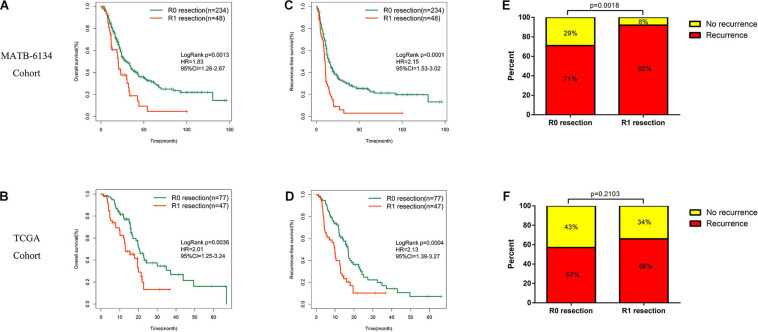
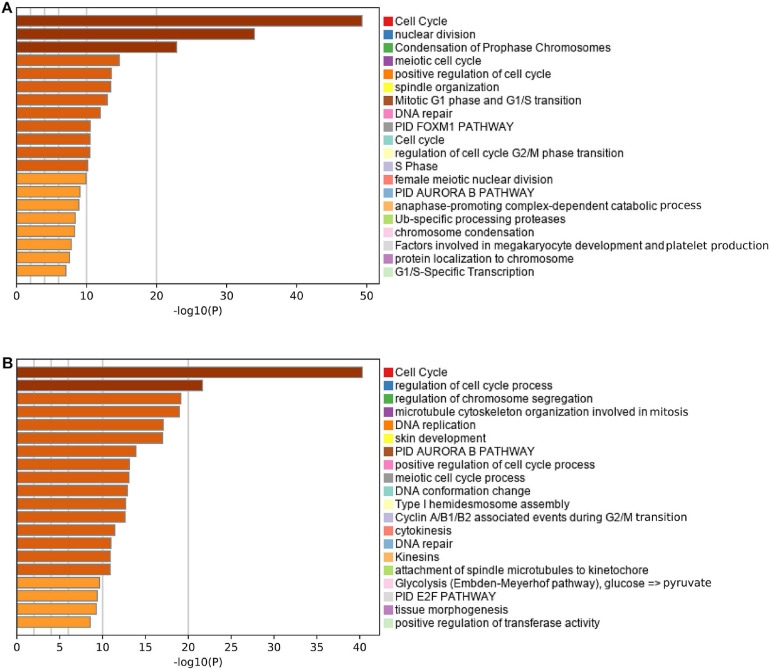
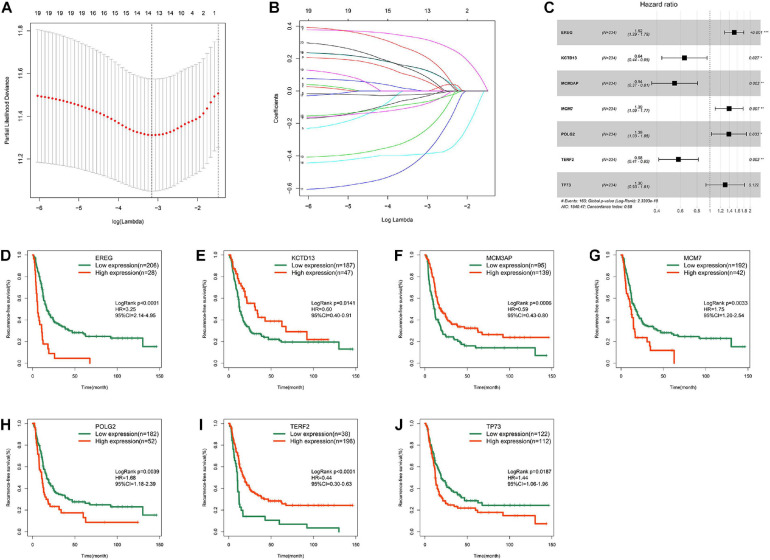
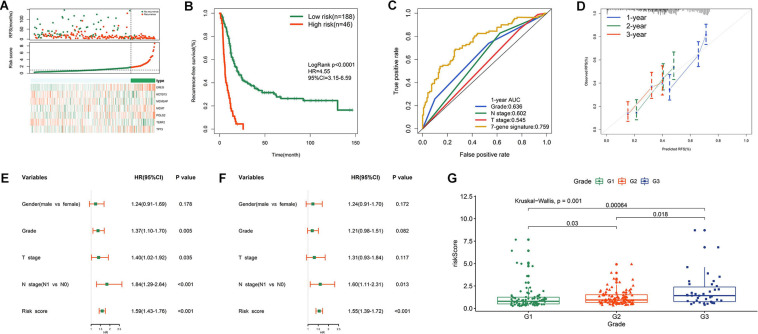
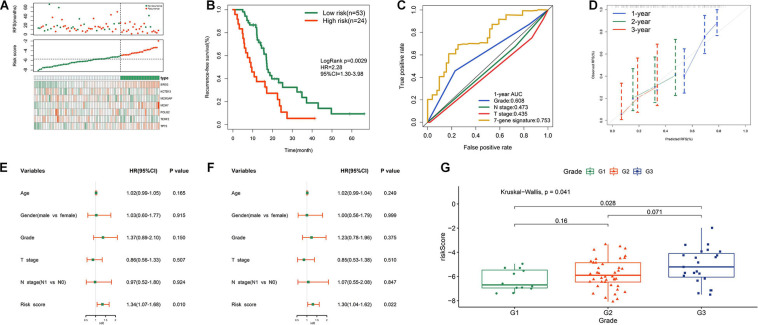
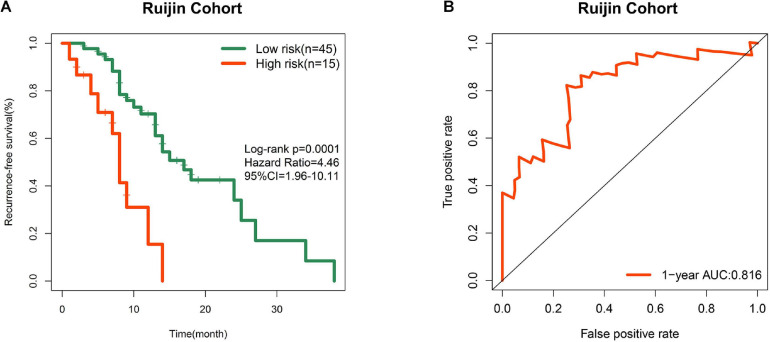
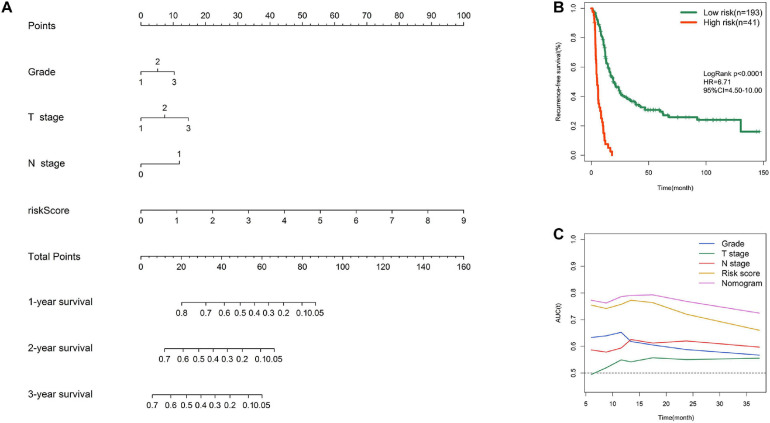
The aim of any surgical resection for pancreatic ductal adenocarcinoma (PDAC) is to achieve tumor-free margins (R0). R0 margins give rise to better outcomes than do positive margins (R1). Nevertheless, postoperative morbidity after R0 resection remains high and prognostic gene signature predicting recurrence risk of patients in this subgroup is blank. Our study aimed to develop a DNA replication-related gene signature to stratify the R0-treated PDAC patients with various recurrence risks. We conducted Cox regression analysis and the LASSO algorithm on 273 DNA replication-related genes and eventually constructed a 7-gene signature. The predictive capability and clinical feasibility of this risk model were assessed in both training and external validation sets. Pathway enrichment analysis showed that the signature was closely related to cell cycle, DNA replication, and DNA repair. These findings may shed light on the identification of novel biomarkers and therapeutic targets for PDAC.
任何针对胰腺导管腺癌(PDAC)的手术切除目的都是实现切缘无肿瘤(R0)。与阳性切缘(R1)相比,R0切缘能带来更好的预后。然而,R0切除术后的发病率仍然很高,且预测该亚组患者复发风险的预后基因特征尚属空白。我们的研究旨在开发一种与DNA复制相关的基因特征,以对接受R0治疗的PDAC患者按不同复发风险进行分层。我们对273个与DNA复制相关的基因进行了Cox回归分析和LASSO算法,最终构建了一个7基因特征。在训练集和外部验证集中评估了该风险模型的预测能力和临床可行性。通路富集分析表明,该特征与细胞周期、DNA复制和DNA修复密切相关。这些发现可能有助于识别PDAC的新型生物标志物和治疗靶点。