Division of Cellular Therapy, The Institute of Medical Science, The University of Tokyo, Minato-ku, Tokyo, Japan.
Department of Biochemistry, Keio University School of Medicine, and Japan Science and Technology Agency (JST), Exploratory Research for Advanced Technology (ERATO), Suematsu Gas Biology Project, Shinjuku-ku, Tokyo, Japan.
Nat Commun. 2021 Mar 23;12(1):1826. doi: 10.1038/s41467-021-22053-y.
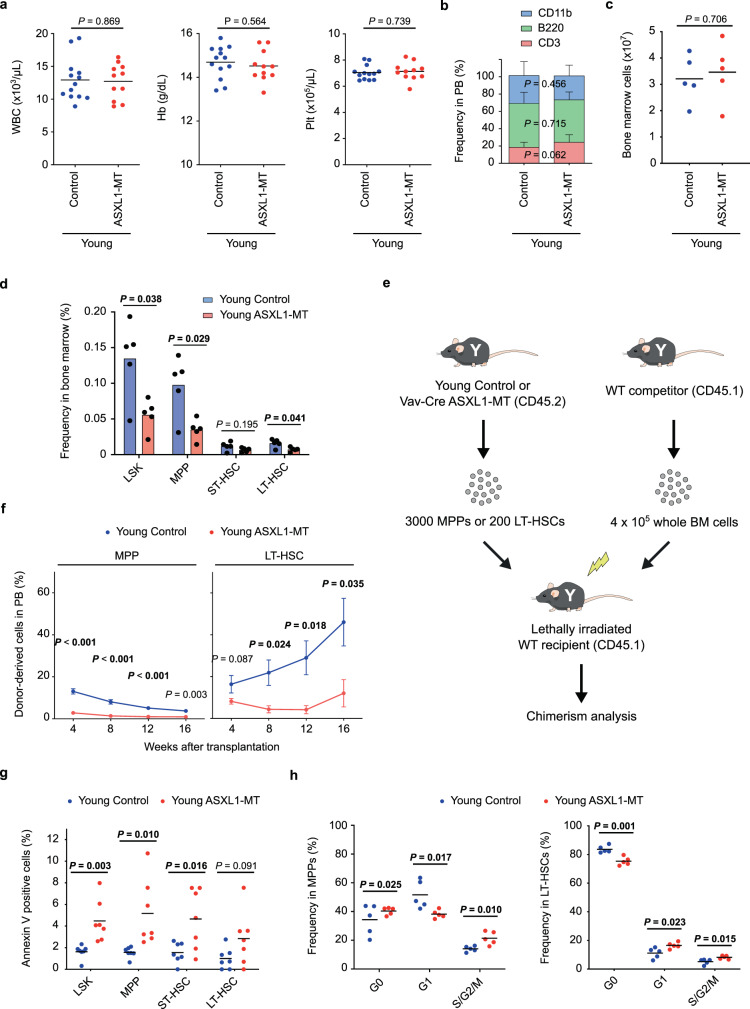
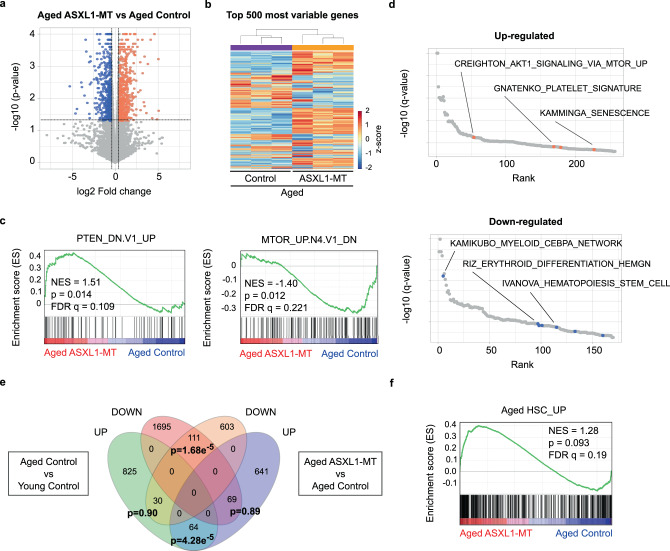
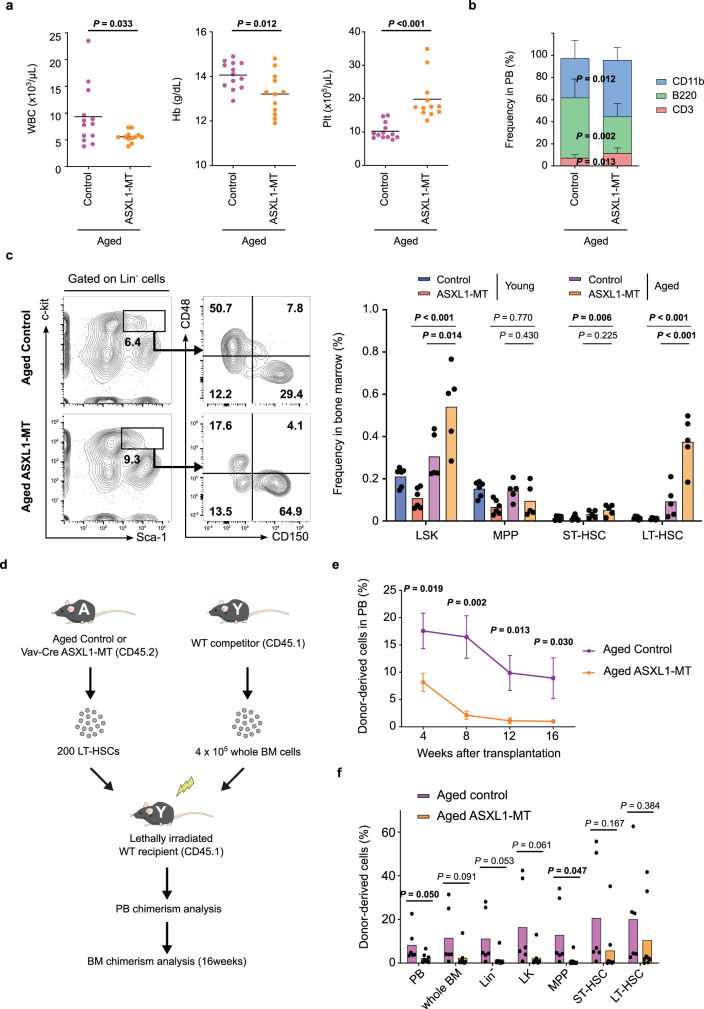
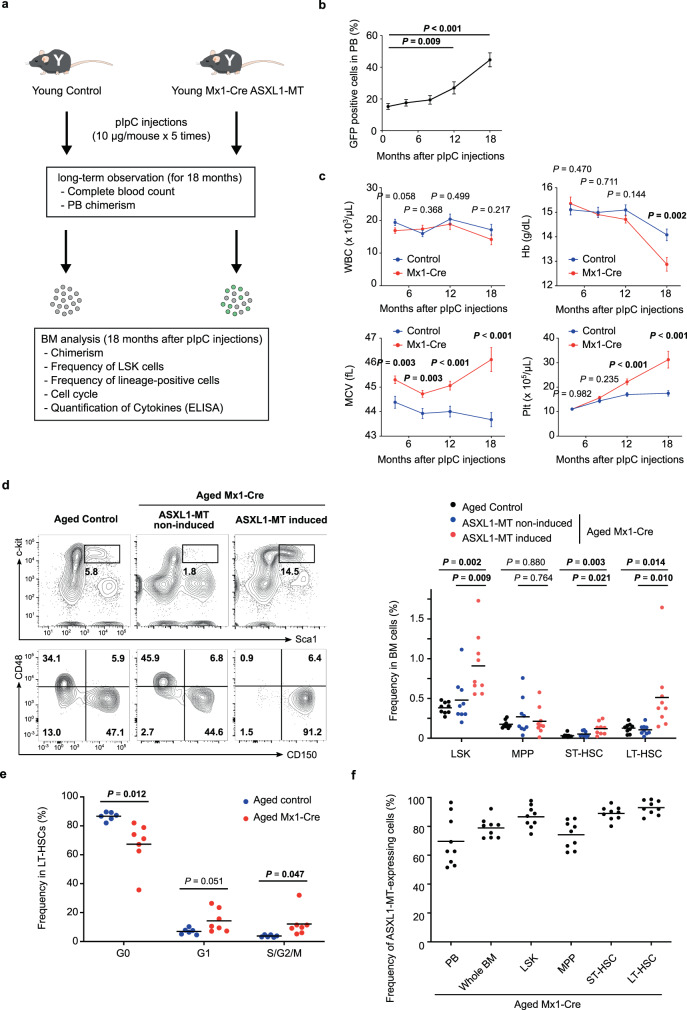
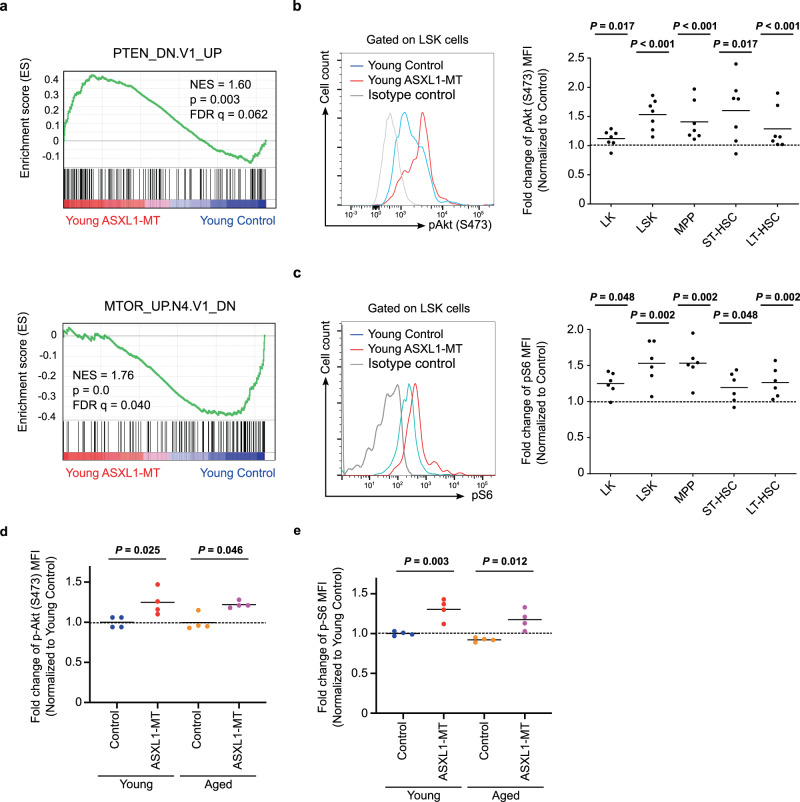
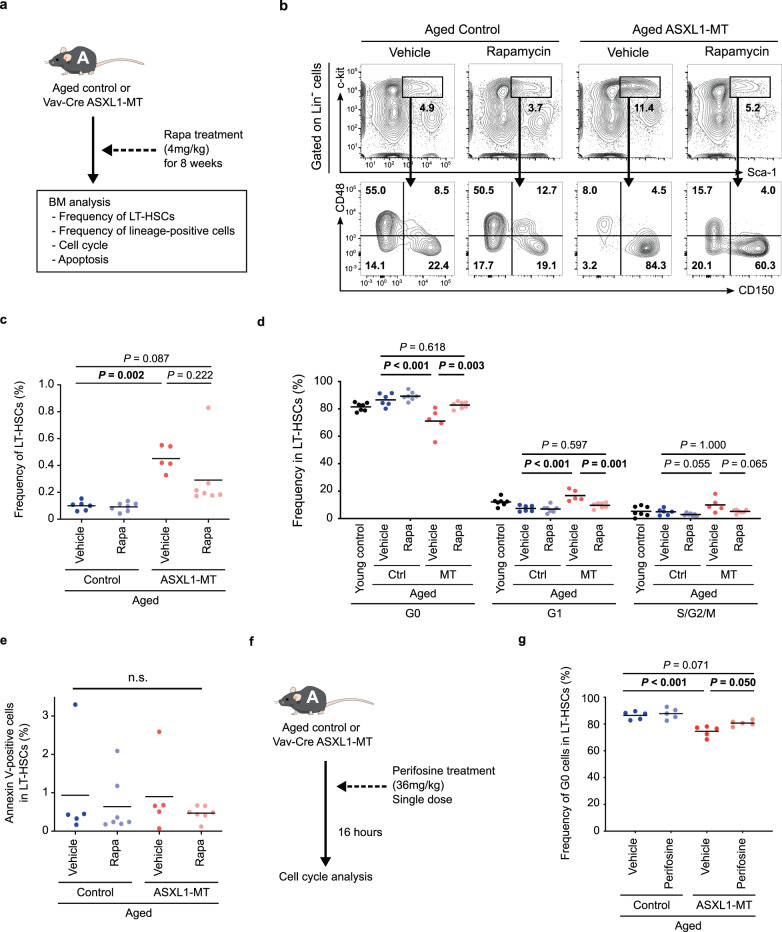
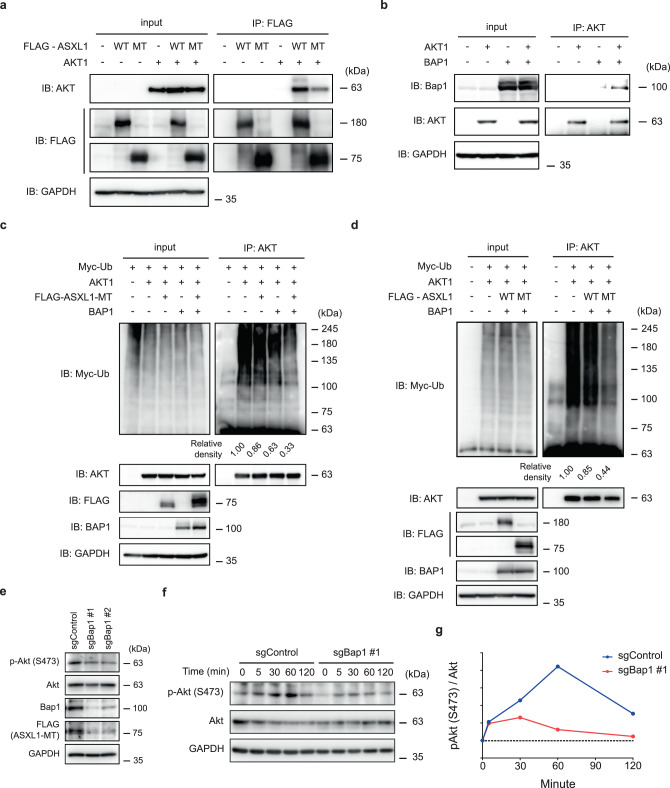
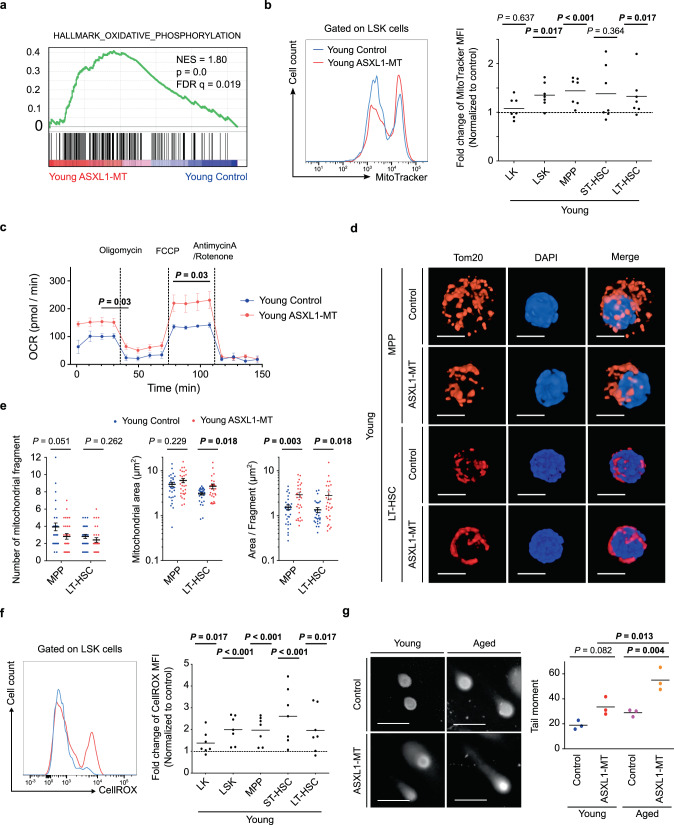
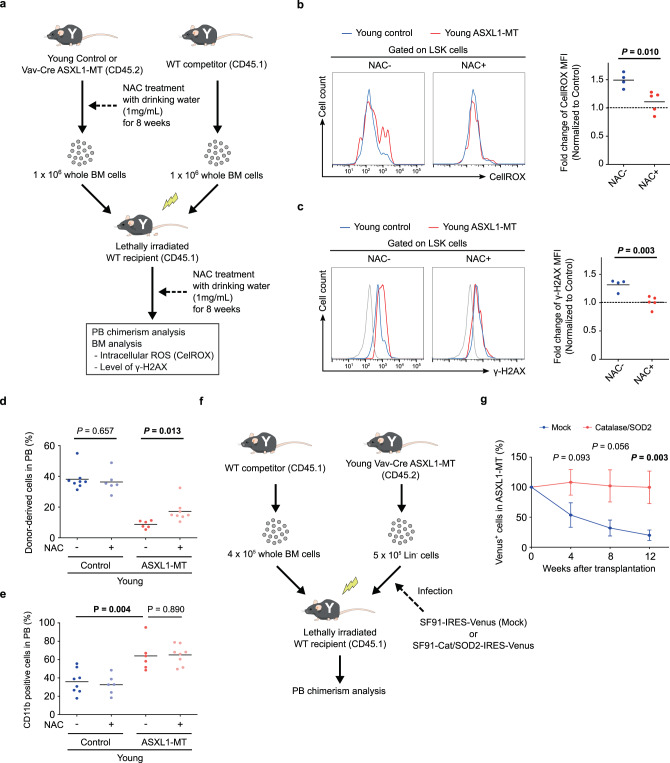
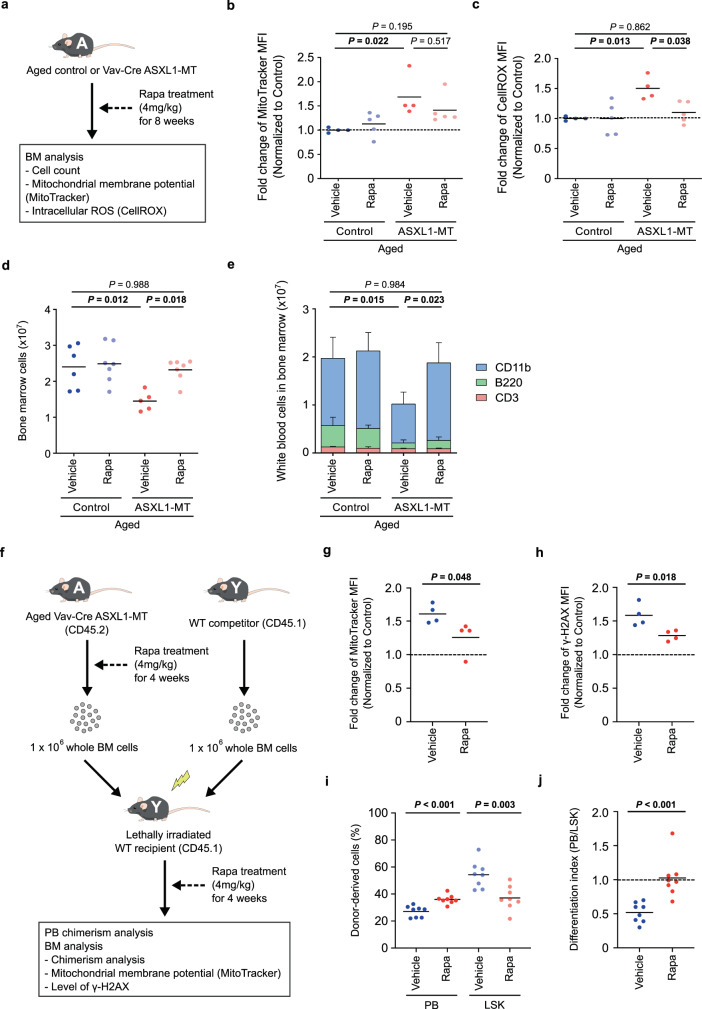
Somatic mutations of ASXL1 are frequently detected in age-related clonal hematopoiesis (CH). However, how ASXL1 mutations drive CH remains elusive. Using knockin (KI) mice expressing a C-terminally truncated form of ASXL1-mutant (ASXL1-MT), we examined the influence of ASXL1-MT on physiological aging in hematopoietic stem cells (HSCs). HSCs expressing ASXL1-MT display competitive disadvantage after transplantation. Nevertheless, in genetic mosaic mouse model, they acquire clonal advantage during aging, recapitulating CH in humans. Mechanistically, ASXL1-MT cooperates with BAP1 to deubiquitinate and activate AKT. Overactive Akt/mTOR signaling induced by ASXL1-MT results in aberrant proliferation and dysfunction of HSCs associated with age-related accumulation of DNA damage. Treatment with an mTOR inhibitor rapamycin ameliorates aberrant expansion of the HSC compartment as well as dysregulated hematopoiesis in aged ASXL1-MT KI mice. Our findings suggest that ASXL1-MT provokes dysfunction of HSCs, whereas it confers clonal advantage on HSCs over time, leading to the development of CH.
ASXL1 的体细胞突变在与年龄相关的克隆性造血 (CH) 中经常被检测到。然而,ASXL1 突变如何驱动 CH 仍然难以捉摸。使用表达 C 端截断形式的 ASXL1 突变体 (ASXL1-MT) 的敲入 (KI) 小鼠,我们研究了 ASXL1-MT 对造血干细胞 (HSCs) 生理衰老的影响。表达 ASXL1-MT 的 HSCs 在移植后表现出竞争劣势。然而,在遗传嵌合小鼠模型中,它们在衰老过程中获得了克隆优势,重现了人类的 CH。从机制上讲,ASXL1-MT 与 BAP1 合作,去泛素化并激活 AKT。ASXL1-MT 诱导的过度活跃的 Akt/mTOR 信号导致与年龄相关的 DNA 损伤积累相关的 HSCs 异常增殖和功能障碍。用 mTOR 抑制剂雷帕霉素治疗可改善衰老的 ASXL1-MT KI 小鼠中 HSC 区室的异常扩张以及失调的造血。我们的研究结果表明,ASXL1-MT 引发 HSCs 功能障碍,而随着时间的推移,它赋予 HSCs 克隆优势,导致 CH 的发展。