Muecksch Frauke, Weisblum Yiska, Barnes Christopher O, Schmidt Fabian, Schaefer-Babajew Dennis, Lorenzi Julio C C, Flyak Andrew I, DeLaitsch Andrew T, Huey-Tubman Kathryn E, Hou Shurong, Schiffer Celia A, Gaebler Christian, Wang Zijun, Da Silva Justin, Poston Daniel, Finkin Shlomo, Cho Alice, Cipolla Melissa, Oliveira Thiago Y, Millard Katrina G, Ramos Victor, Gazumyan Anna, Rutkowska Magdalena, Caskey Marina, Nussenzweig Michel C, Bjorkman Pamela J, Hatziioannou Theodora, Bieniasz Paul D
Laboratory of Retrovirology, The Rockefeller University, New York, NY 10065, USA.
Division of Biology and Biological Engineering, California Institute of Technology, Pasadena, CA, 91125, USA.
bioRxiv. 2021 Mar 8:2021.03.07.434227. doi: 10.1101/2021.03.07.434227.
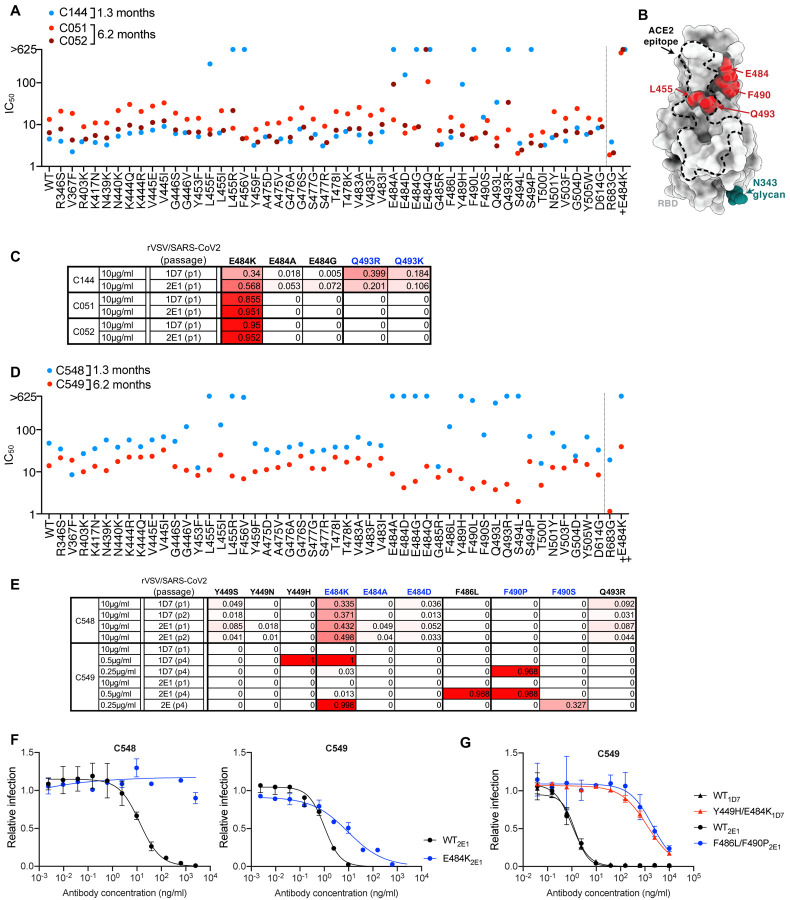
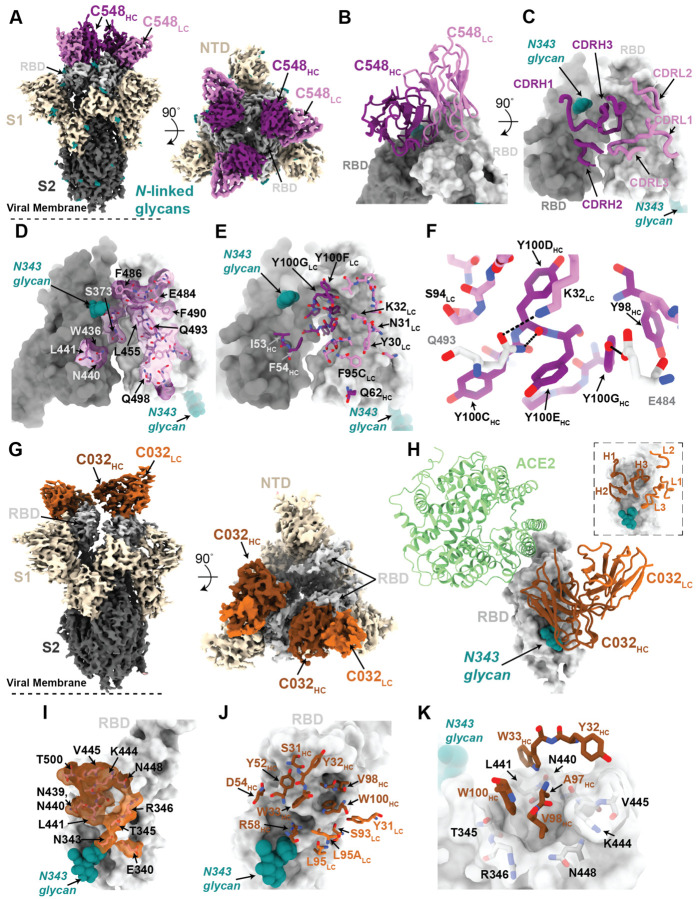
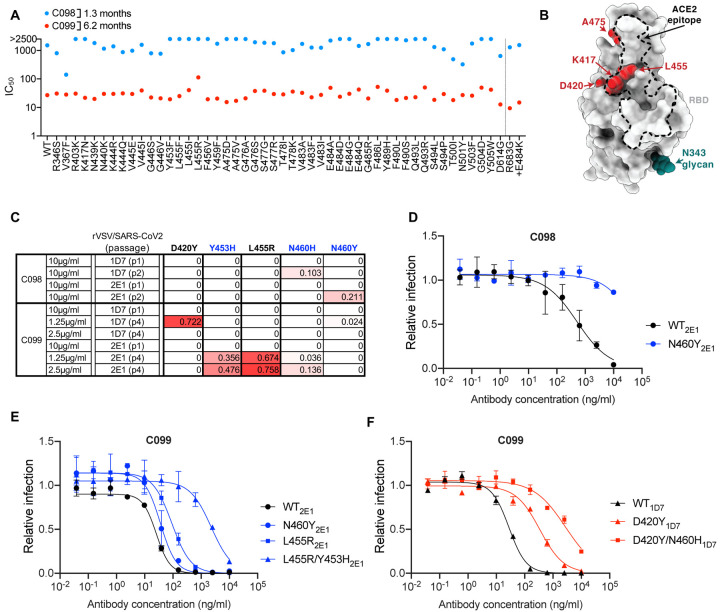
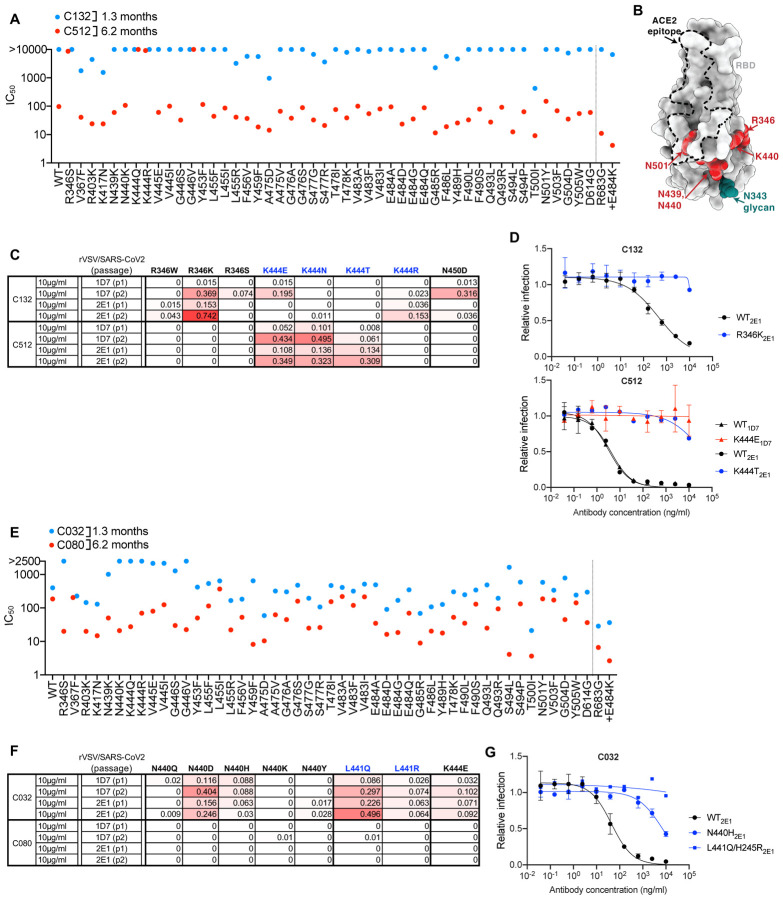
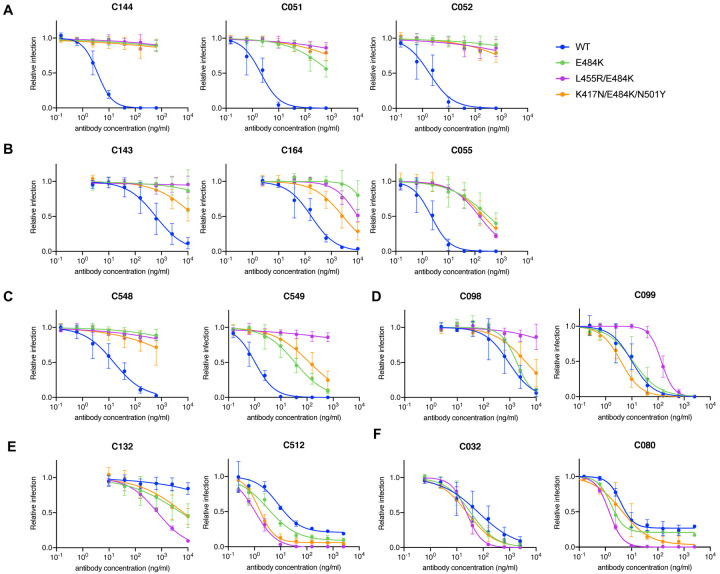
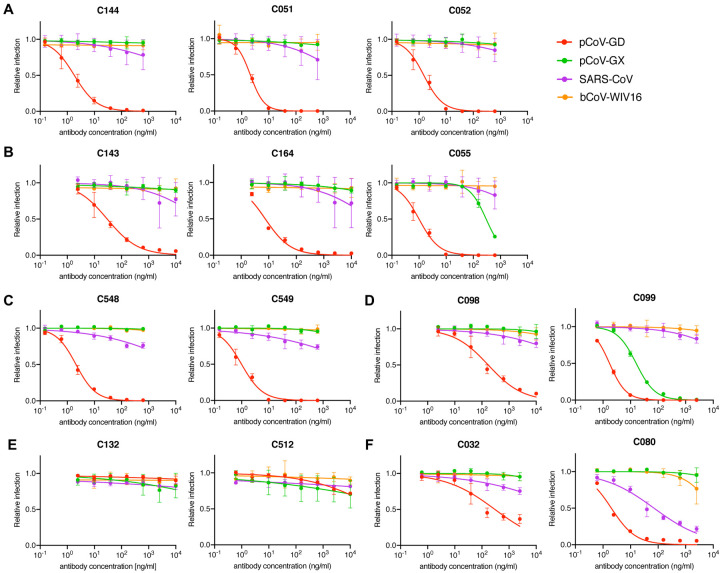
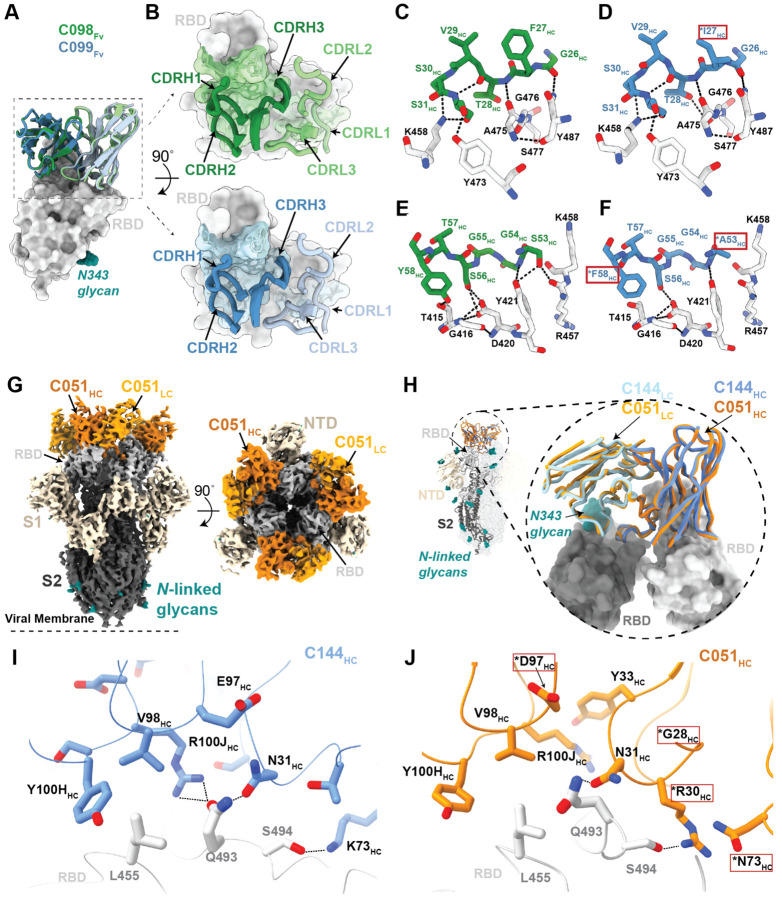
Antibodies elicited in response to infection undergo somatic mutation in germinal centers that can result in higher affinity for the cognate antigen. To determine the effects of somatic mutation on the properties of SARS-CoV-2 spike receptor-binding domain (RBD)-specific antibodies, we analyzed six independent antibody lineages. As well as increased neutralization potency, antibody evolution changed pathways for acquisition of resistance and, in some cases, restricted the range of neutralization escape options. For some antibodies, maturation apparently imposed a requirement for multiple spike mutations to enable escape. For certain antibody lineages, maturation enabled neutralization of circulating SARS-CoV-2 variants of concern and heterologous sarbecoviruses. Antibody-antigen structures revealed that these properties resulted from substitutions that allowed additional variability at the interface with the RBD. These findings suggest that increasing antibody diversity through prolonged or repeated antigen exposure may improve protection against diversifying SARS-CoV-2 populations, and perhaps against other pandemic threat coronaviruses.
针对感染产生的抗体在生发中心经历体细胞突变,这可能导致对同源抗原具有更高的亲和力。为了确定体细胞突变对严重急性呼吸综合征冠状病毒2(SARS-CoV-2)刺突受体结合域(RBD)特异性抗体特性的影响,我们分析了六个独立的抗体谱系。除了中和效力增加外,抗体进化还改变了获得抗性的途径,并且在某些情况下,限制了中和逃逸选择的范围。对于某些抗体,成熟显然对多个刺突突变提出了要求才能实现逃逸。对于某些抗体谱系,成熟使得能够中和正在传播的SARS-CoV-2变异株以及异源的Sarbecovirus属病毒。抗体-抗原结构表明,这些特性是由允许RBD界面处有更多变异性的取代所导致的。这些发现表明,通过延长或重复抗原暴露来增加抗体多样性可能会增强对多样化的SARS-CoV-2群体的保护,或许还能对抗其他大流行威胁冠状病毒。