Obstetrics and Gynecology Hospital, Institute of Reproduction and Development, Fudan University, Shanghai, China.
Shanghai Key Laboratory of Embryo Original Diseases, Shanghai, China.
Nature. 2021 Apr;592(7856):763-767. doi: 10.1038/s41586-021-03358-w. Epub 2021 Mar 24.
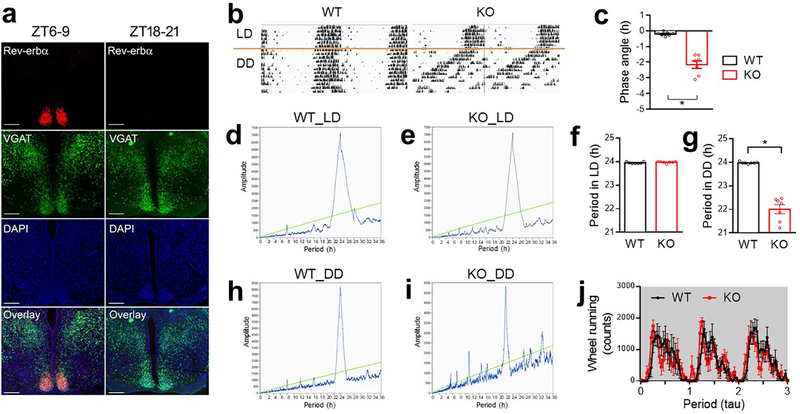
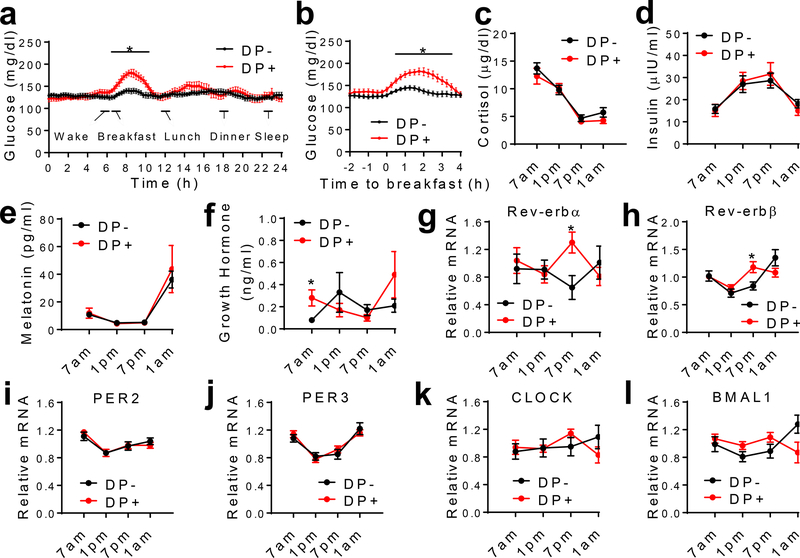
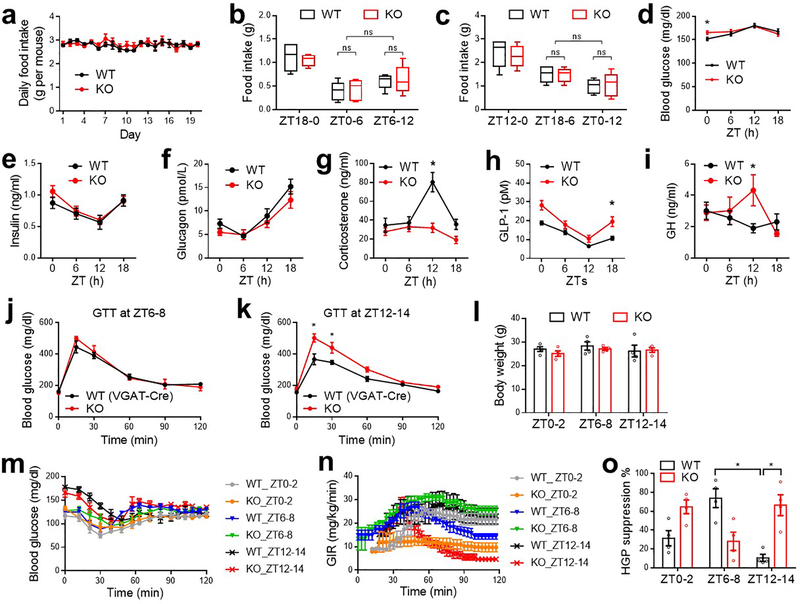
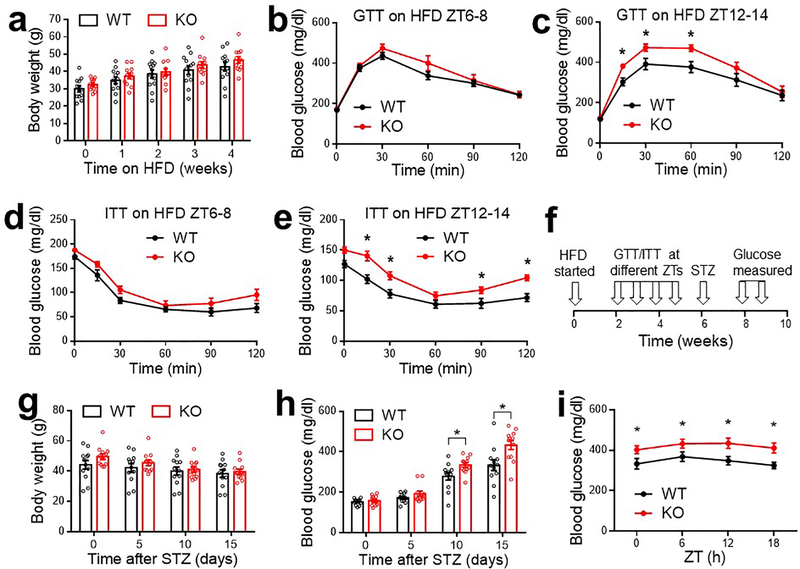
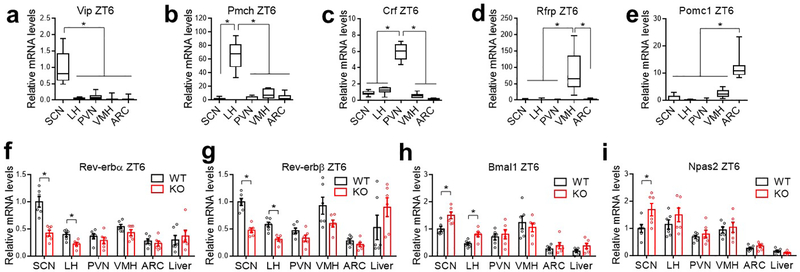
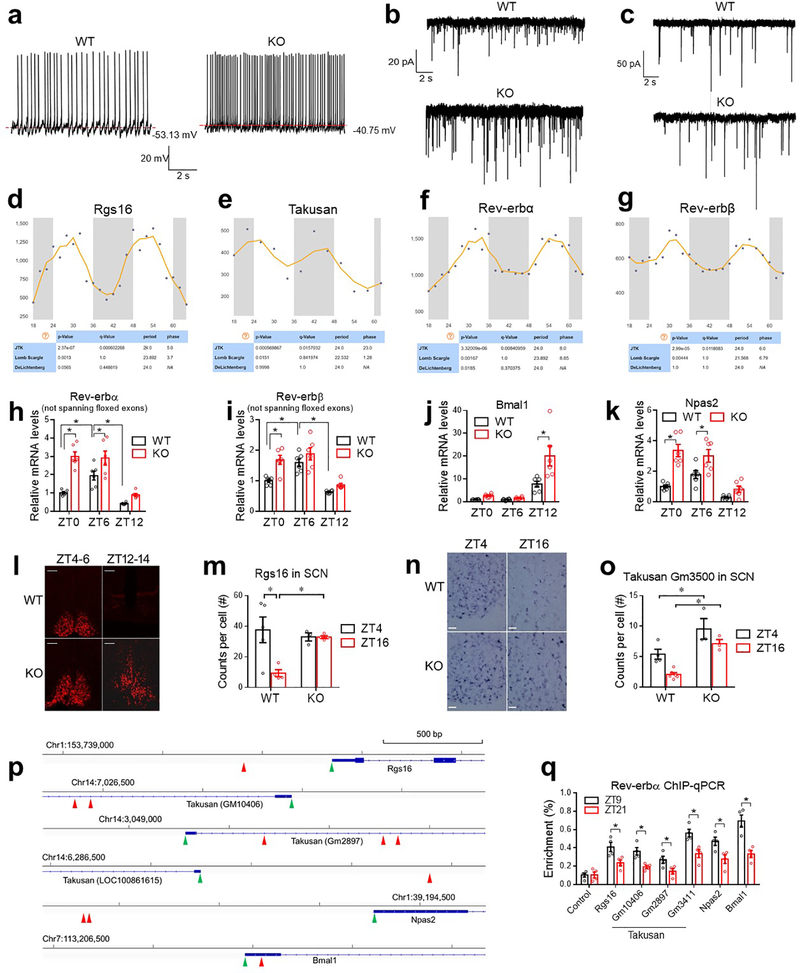
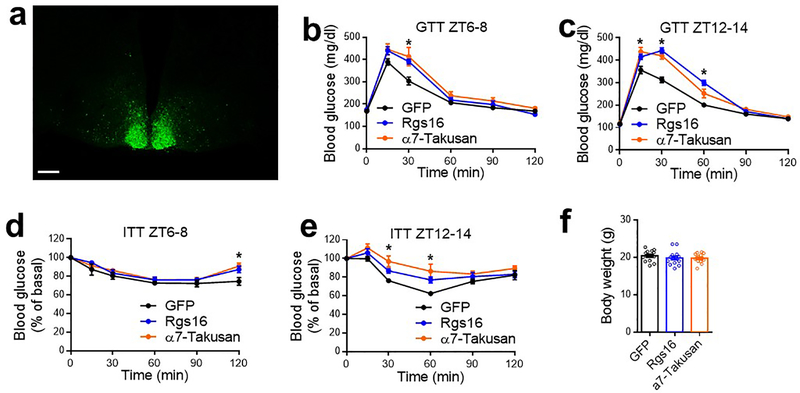
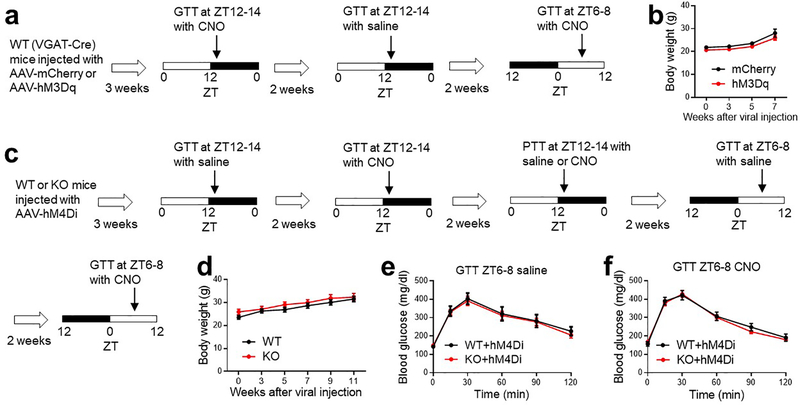
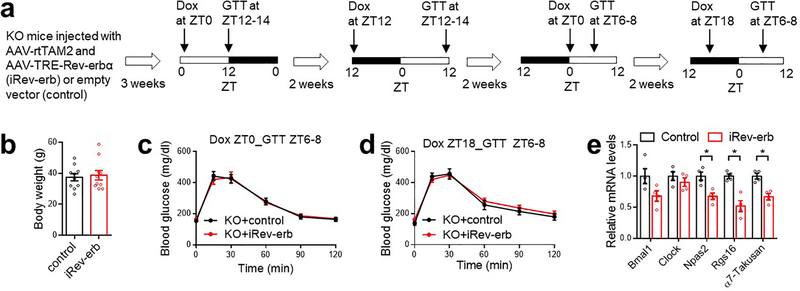
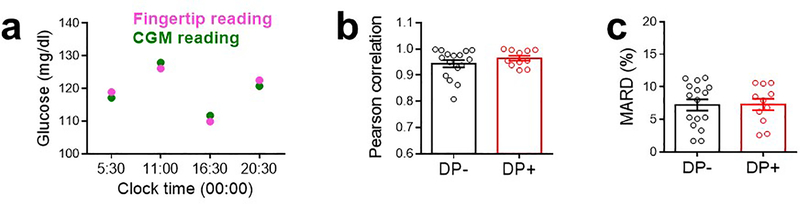
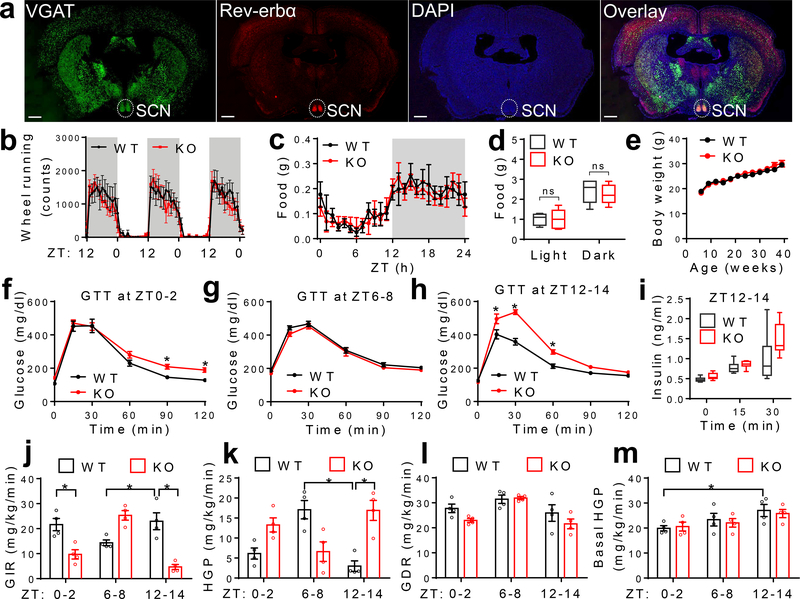
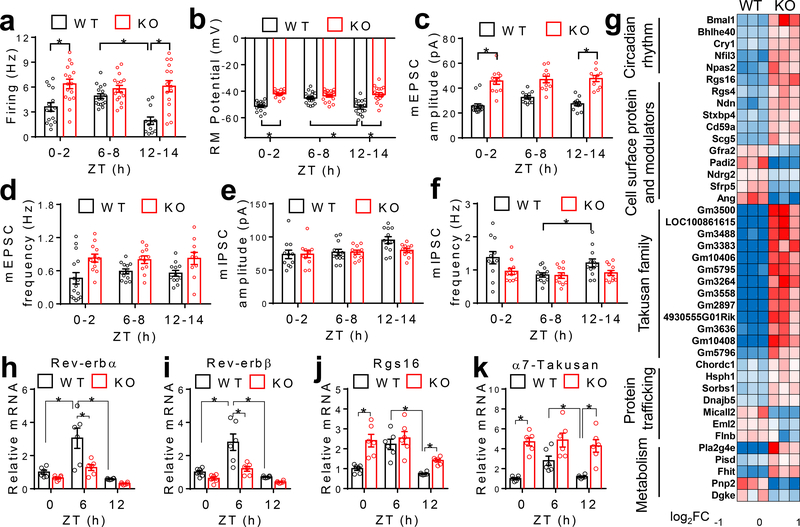
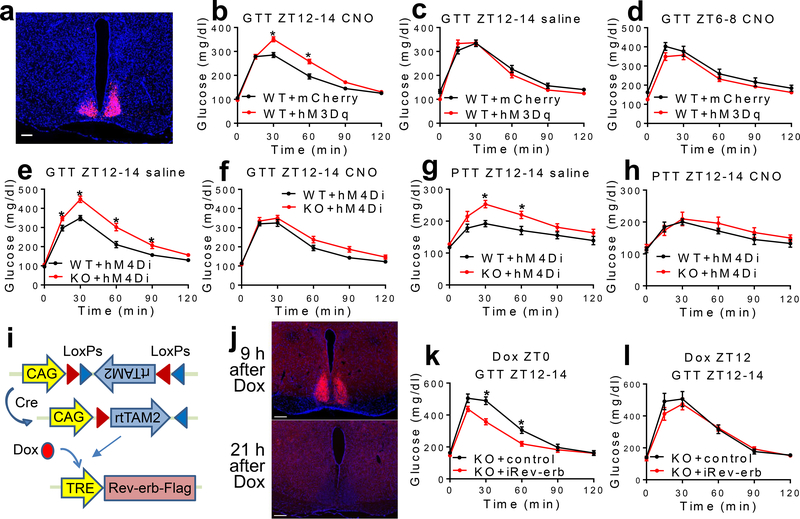
Systemic insulin sensitivity shows a diurnal rhythm with a peak upon waking. The molecular mechanism that underlies this temporal pattern is unclear. Here we show that the nuclear receptors REV-ERB-α and REV-ERB-β (referred to here as 'REV-ERB') in the GABAergic (γ-aminobutyric acid-producing) neurons in the suprachiasmatic nucleus (SCN) (SCN neurons) control the diurnal rhythm of insulin-mediated suppression of hepatic glucose production in mice, without affecting diurnal eating or locomotor behaviours during regular light-dark cycles. REV-ERB regulates the rhythmic expression of genes that are involved in neurotransmission in the SCN, and modulates the oscillatory firing activity of SCN neurons. Chemogenetic stimulation of SCN neurons at waking leads to glucose intolerance, whereas restoration of the temporal pattern of either SCN neuron firing or REV-ERB expression rescues the time-dependent glucose metabolic phenotype caused by REV-ERB depletion. In individuals with diabetes, an increased level of blood glucose after waking is a defining feature of the 'extended dawn phenomenon'. Patients with type 2 diabetes with the extended dawn phenomenon exhibit a differential temporal pattern of expression of REV-ERB genes compared to patients with type 2 diabetes who do not have the extended dawn phenomenon. These findings provide mechanistic insights into how the central circadian clock regulates the diurnal rhythm of hepatic insulin sensitivity, with implications for our understanding of the extended dawn phenomenon in type 2 diabetes.
全身胰岛素敏感性呈昼夜节律变化,在醒来时达到峰值。这种时间模式的分子机制尚不清楚。在这里,我们表明,在视交叉上核(SCN)中的 GABA 能(产生γ-氨基丁酸)神经元中的核受体 REV-ERB-α 和 REV-ERB-β(此处称为“REV-ERB”)控制着小鼠中胰岛素介导的肝葡萄糖产生抑制的昼夜节律,而不会影响正常光-暗循环期间的昼夜进食或运动行为。REV-ERB 调节与 SCN 中神经传递有关的基因的节律表达,并调节 SCN 神经元的振荡放电活动。在醒来时刺激 SCN 神经元的化学遗传刺激会导致葡萄糖不耐受,而恢复 SCN 神经元放电或 REV-ERB 表达的时间模式可以挽救由 REV-ERB 耗竭引起的葡萄糖代谢表型的时间依赖性。在糖尿病患者中,醒来后血糖升高是“延长黎明现象”的一个特征。与没有延长黎明现象的 2 型糖尿病患者相比,患有 2 型糖尿病且有延长黎明现象的患者的 REV-ERB 基因表达具有不同的时间模式。这些发现为中枢生物钟如何调节肝胰岛素敏感性的昼夜节律提供了机制上的见解,对我们理解 2 型糖尿病中的延长黎明现象具有重要意义。