Tokodi Márton, Staub Levente, Budai Ádám, Lakatos Bálint Károly, Csákvári Máté, Suhai Ferenc Imre, Szabó Liliána, Fábián Alexandra, Vágó Hajnalka, Tősér Zoltán, Merkely Béla, Kovács Attila
Heart and Vascular Center, Semmelweis University, Budapest, Hungary.
Argus Cognitive, Inc., Lebanon, NH, United States.
Front Cardiovasc Med. 2021 Mar 4;8:622118. doi: 10.3389/fcvm.2021.622118. eCollection 2021.
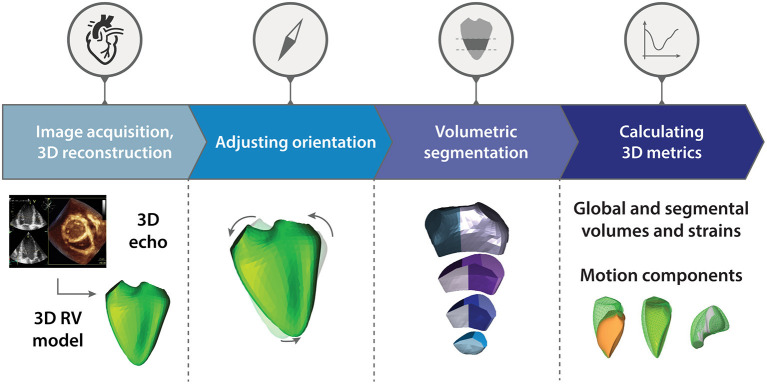
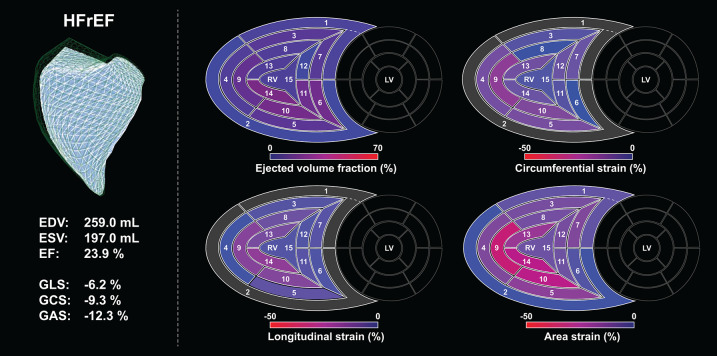
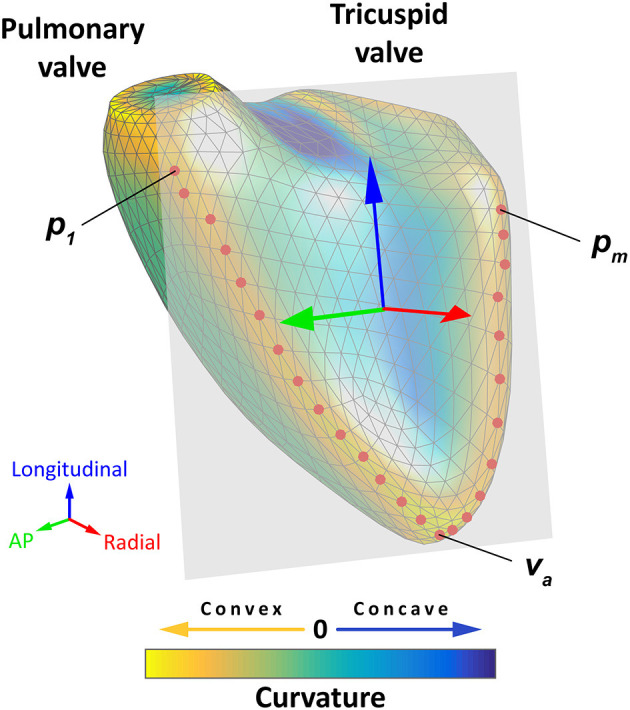
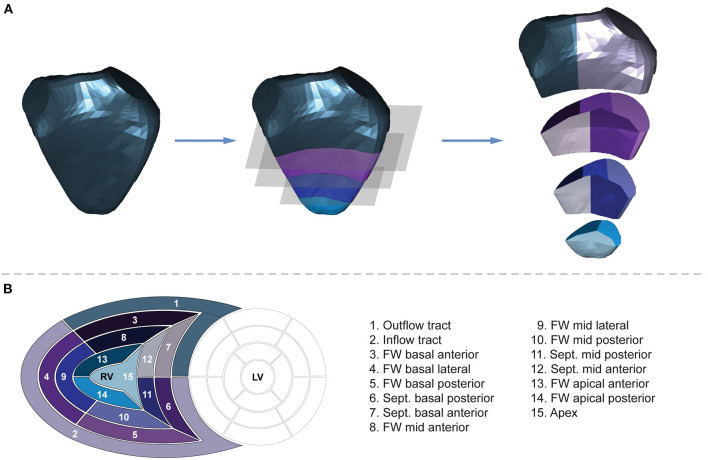
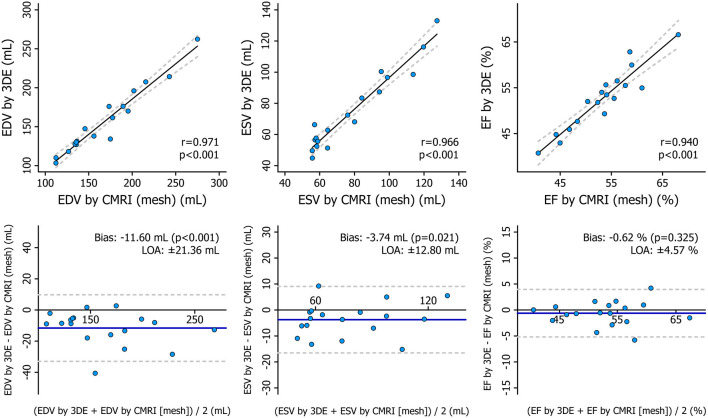
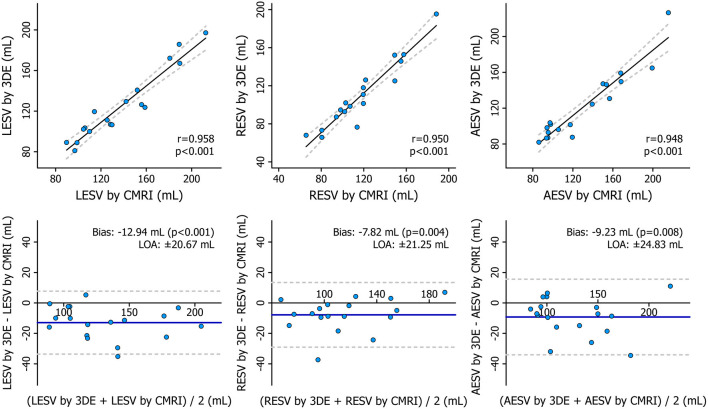
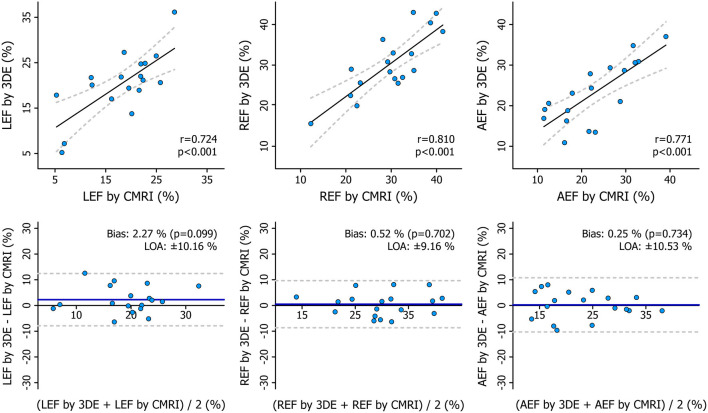
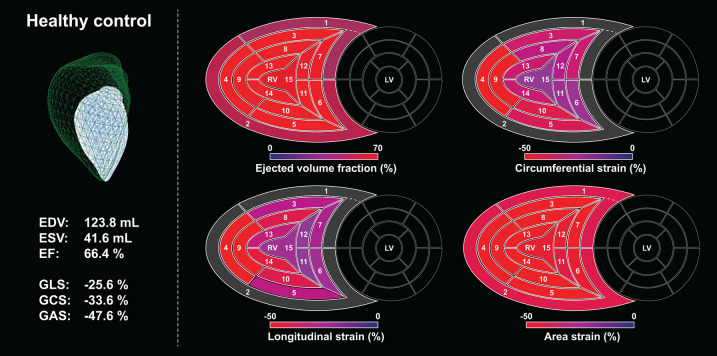
Three main mechanisms contribute to global right ventricular (RV) function: longitudinal shortening, radial displacement of the RV free wall (bellows effect), and anteroposterior shortening (as a consequence of left ventricular contraction). Since the importance of these mechanisms may vary in different cardiac conditions, a technology being able to assess their relative influence on the global RV pump function could help to clarify the pathophysiology and the mechanical adaptation of the chamber. Previously, we have introduced our 3D echocardiography (3DE)-based solution-the Right VentrIcular Separate wall motIon quantificatiON (ReVISION) method-for the quantification of the relative contribution of the three aforementioned mechanisms to global RV ejection fraction (EF). Since then, our approach has been applied in several clinical scenarios, and its strengths have been demonstrated in the in-depth characterization of RV mechanical pattern and the prognostication of patients even in the face of maintained RV EF. Recently, various new features have been implemented in our software solution to enable the convenient, standardized, and more comprehensive analysis of RV function. Accordingly, in our current technical paper, we aim to provide a detailed description of the latest version of the ReVISION method with special regards to the volumetric partitioning of the RV and the calculation of longitudinal, circumferential, and area strains using 3DE datasets. We also report the results of the comparison between 3DE- and cardiac magnetic resonance imaging-derived RV parameters, where we found a robust agreement in our advanced 3D metrics between the two modalities. In conclusion, the ReVISION method may provide novel insights into global and also segmental RV function by defining parameters that are potentially more sensitive and predictive compared to conventional echocardiographic measurements in the context of different cardiac diseases.
三种主要机制对整体右心室(RV)功能有贡献:纵向缩短、右心室游离壁的径向位移(钟摆效应)以及前后缩短(由于左心室收缩所致)。由于这些机制的重要性在不同心脏状况下可能有所不同,一种能够评估它们对整体右心室泵功能相对影响的技术有助于阐明该腔室的病理生理学和机械适应性。此前,我们已推出基于三维超声心动图(3DE)的解决方案——右心室独立壁运动量化(ReVISION)方法,用于量化上述三种机制对整体右心室射血分数(EF)的相对贡献。从那时起,我们的方法已应用于多种临床场景,并且其优势已在深入刻画右心室机械模式以及对患者进行预后评估中得到证明,即使面对右心室EF保持正常的情况也是如此。最近,我们的软件解决方案中已实现了各种新功能,以便能够对右心室功能进行便捷、标准化且更全面的分析。因此,在我们当前的技术论文中,我们旨在详细描述ReVISION方法的最新版本,特别关注右心室的容积划分以及使用3DE数据集计算纵向、圆周和面积应变。我们还报告了3DE与心脏磁共振成像得出的右心室参数之间的比较结果,我们发现这两种模式在我们先进的三维指标上具有很强的一致性。总之,ReVISION方法可能通过定义在不同心脏疾病背景下相比传统超声心动图测量可能更敏感且更具预测性的参数,为整体和节段性右心室功能提供新的见解。