Core Research Facilities (CRF), Isfahan University of Medical Science, Isfahan, Iran.
Department of Cell and Molecular Biology, Faculty of Biological Science and Technology, University of Isfahan, Isfahan, Iran.
Sci Rep. 2021 Mar 25;11(1):6927. doi: 10.1038/s41598-021-86380-2.
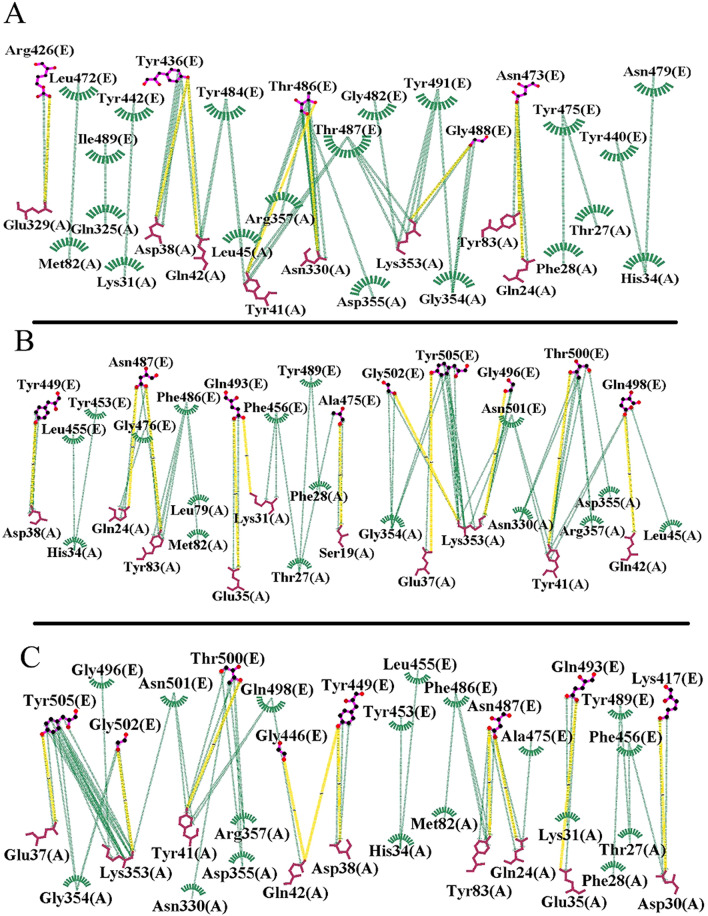
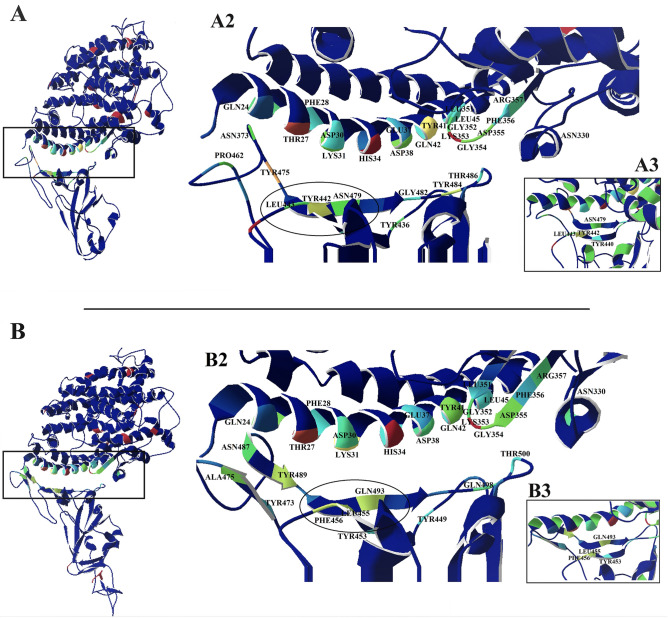
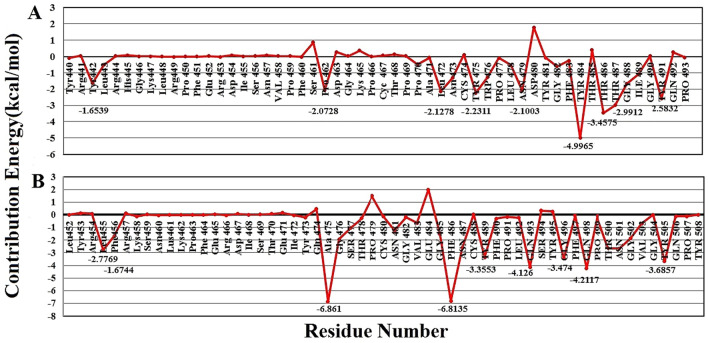
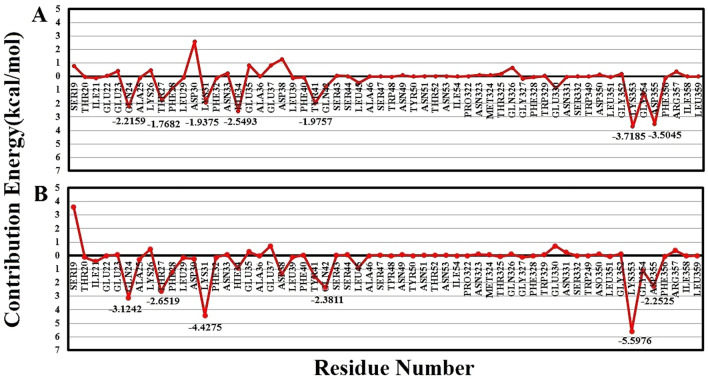
Severe acute respiratory syndrome coronavirus-2 (SARS-CoV-2) is a newly-discovered coronavirus and responsible for the spread of coronavirus disease 2019 (COVID-19). SARS-CoV-2 infected millions of people in the world and immediately became a pandemic in March 2020. SARS-CoV-2 belongs to the beta-coronavirus genus of the large family of Coronaviridae. It is now known that its surface spike glycoprotein binds to the angiotensin-converting enzyme-2 (ACE2), which is expressed on the lung epithelial cells, mediates the fusion of the cellular and viral membranes, and facilitates the entry of viral genome to the host cell. Therefore, blocking the virus-cell interaction could be a potential target for the prevention of viral infection. The binding of SARS-CoV-2 to ACE2 is a protein-protein interaction, and so, analyzing the structure of the spike glycoprotein of SARS-CoV-2 and its underlying mechanism to bind the host cell receptor would be useful for the management and treatment of COVID-19. In this study, we performed comparative in silico studies to deeply understand the structural and functional details of the interaction between the spike glycoprotein of SARS-CoV-2 and its cognate cellular receptor ACE2. According to our results, the affinity of the ACE2 receptor for SARS-CoV-2 was higher than SARS-CoV. According to the free energy decomposition of the spike glycoprotein-ACE2 complex, we found critical points in three areas which are responsible for the increased binding affinity of SARS-CoV-2 compared with SARS-CoV. These mutations occurred at the receptor-binding domain of the spike glycoprotein that play an essential role in the increasing the affinity of coronavirus to ACE2. For instance, mutations Pro462Ala and Leu472Phe resulted in the altered binding energy from - 2 kcal mol in SARS-COV to - 6 kcal mol in SARS-COV-2. The results demonstrated that some mutations in the receptor-binding motif could be considered as a hot-point for designing potential drugs to inhibit the interaction between the spike glycoprotein and ACE2.
严重急性呼吸综合征冠状病毒 2(SARS-CoV-2)是一种新发现的冠状病毒,是 2019 年冠状病毒病(COVID-19)的病原体。SARS-CoV-2 在世界范围内感染了数百万人,并于 2020 年 3 月迅速成为大流行。SARS-CoV-2 属于冠状病毒科的β冠状病毒属。现已证实其表面刺突糖蛋白与肺上皮细胞表达的血管紧张素转化酶 2(ACE2)结合,介导细胞和病毒膜融合,促进病毒基因组进入宿主细胞。因此,阻断病毒-细胞相互作用可能是预防病毒感染的潜在靶点。SARS-CoV-2 与 ACE2 的结合是一种蛋白质-蛋白质相互作用,因此,分析 SARS-CoV-2 刺突糖蛋白的结构及其与宿主细胞受体结合的潜在机制,将有助于 COVID-19 的管理和治疗。在这项研究中,我们进行了比较计算研究,以深入了解 SARS-CoV-2 刺突糖蛋白与其同源细胞受体 ACE2 之间相互作用的结构和功能细节。根据我们的结果,ACE2 受体与 SARS-CoV-2 的亲和力高于 SARS-CoV。根据刺突糖蛋白-ACE2 复合物的自由能分解,我们在三个区域发现了关键点位,这些点位负责增加 SARS-CoV-2 与 SARS-CoV 相比的结合亲和力。这些突变发生在刺突糖蛋白的受体结合域,在增加冠状病毒对 ACE2 的亲和力方面起着至关重要的作用。例如,突变 Pro462Ala 和 Leu472Phe 导致结合能从 SARS-COV 的-2 kcal/mol 改变为 SARS-COV-2 的-6 kcal/mol。结果表明,受体结合基序中的一些突变可以被认为是设计潜在药物以抑制刺突糖蛋白与 ACE2 相互作用的热点。