Department of Pharmacology and Toxicology, Jacob's School of Medicine and Biomedical Sciences, University at Buffalo, Buffalo, NY, USA.
Neuroscience Program, Jacobs School of Medicine and Biomedical Sciences, University at Buffalo, Buffalo, NY, USA.
Nat Commun. 2021 Mar 26;12(1):1923. doi: 10.1038/s41467-021-22263-4.
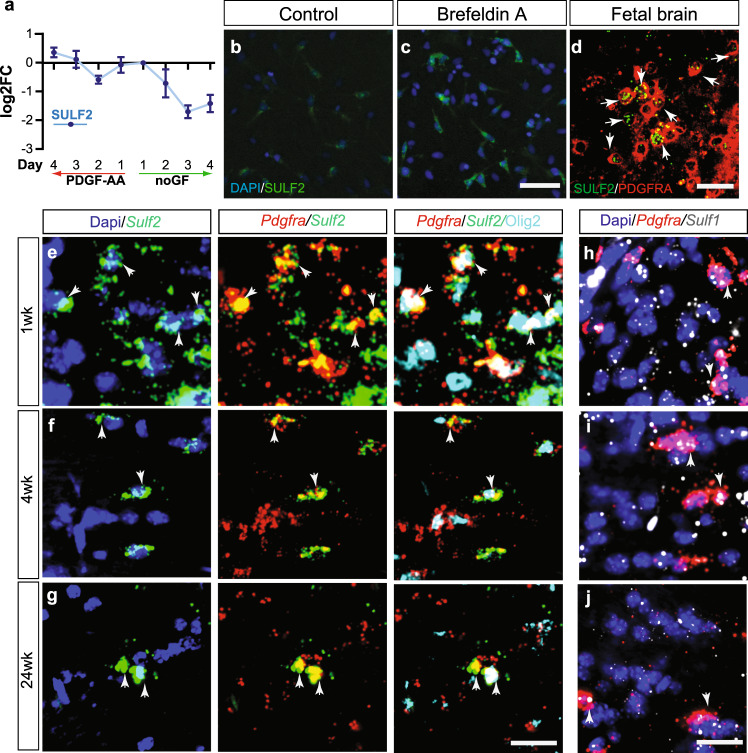
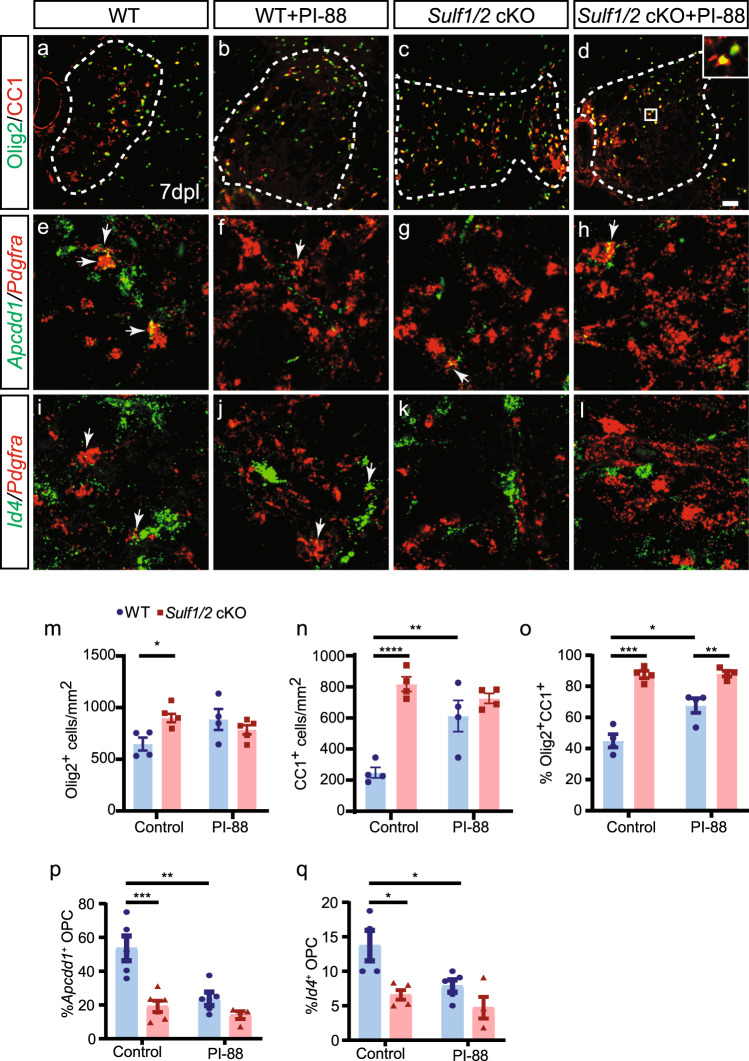
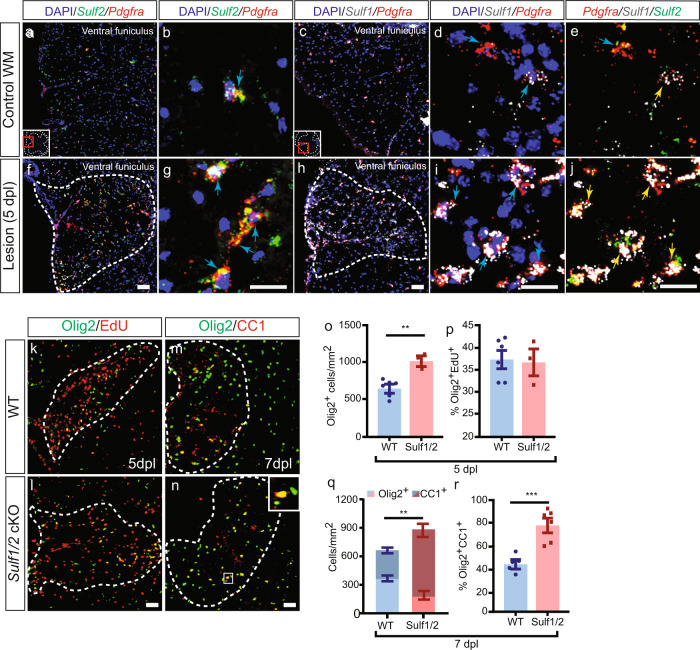
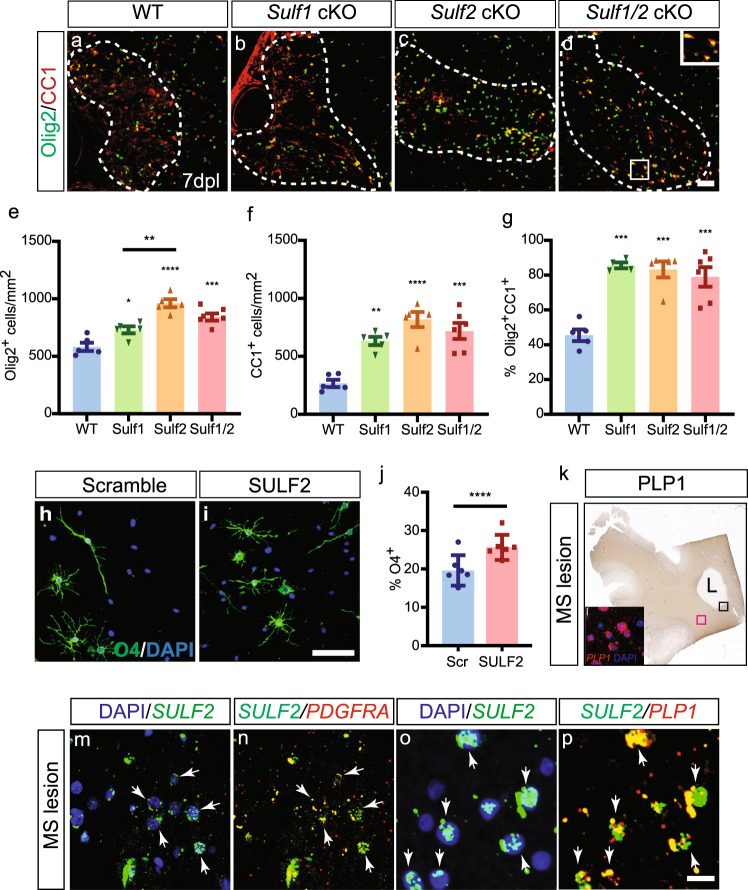
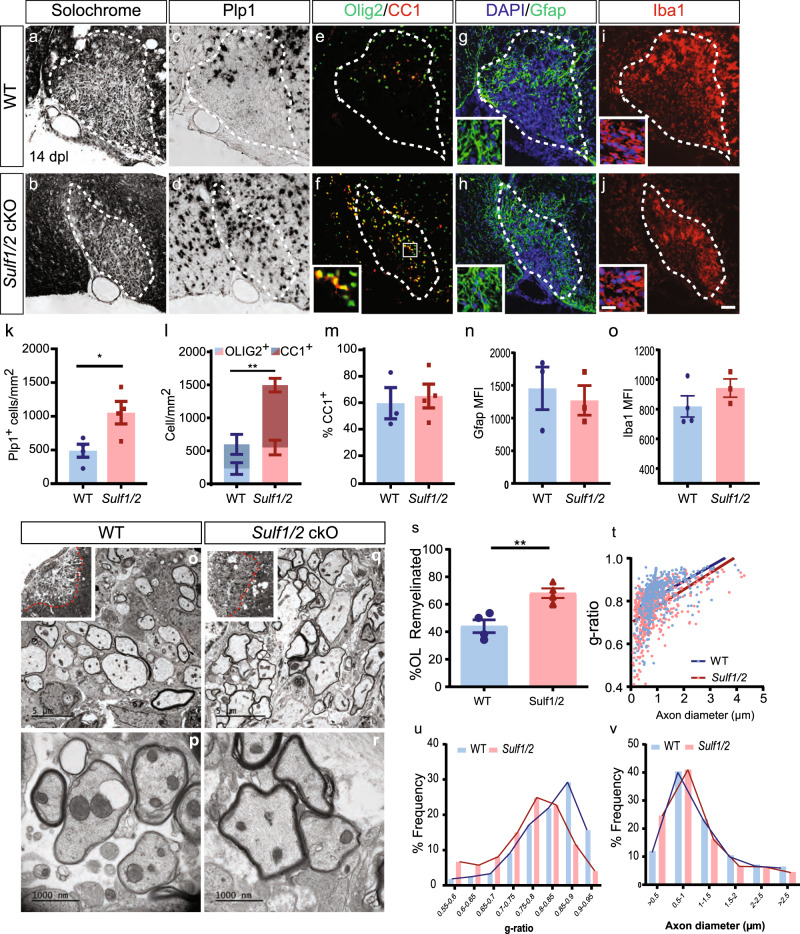
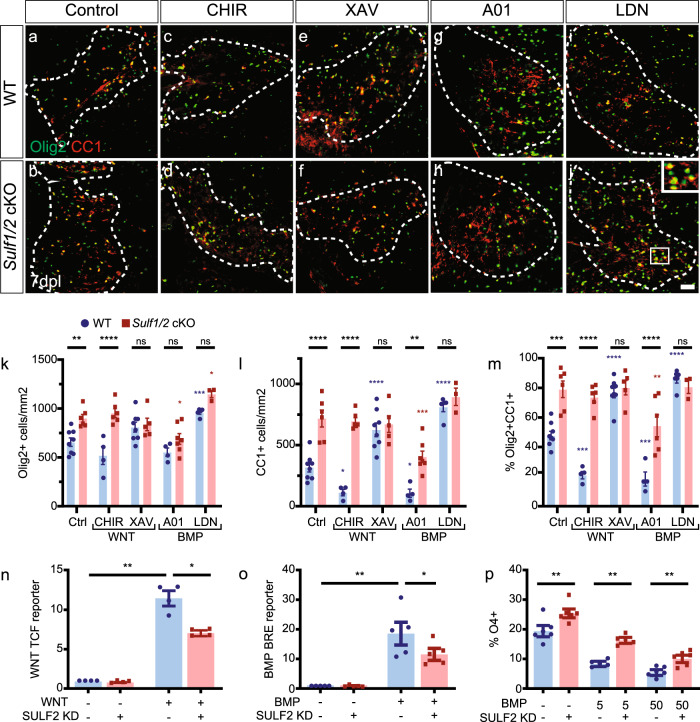
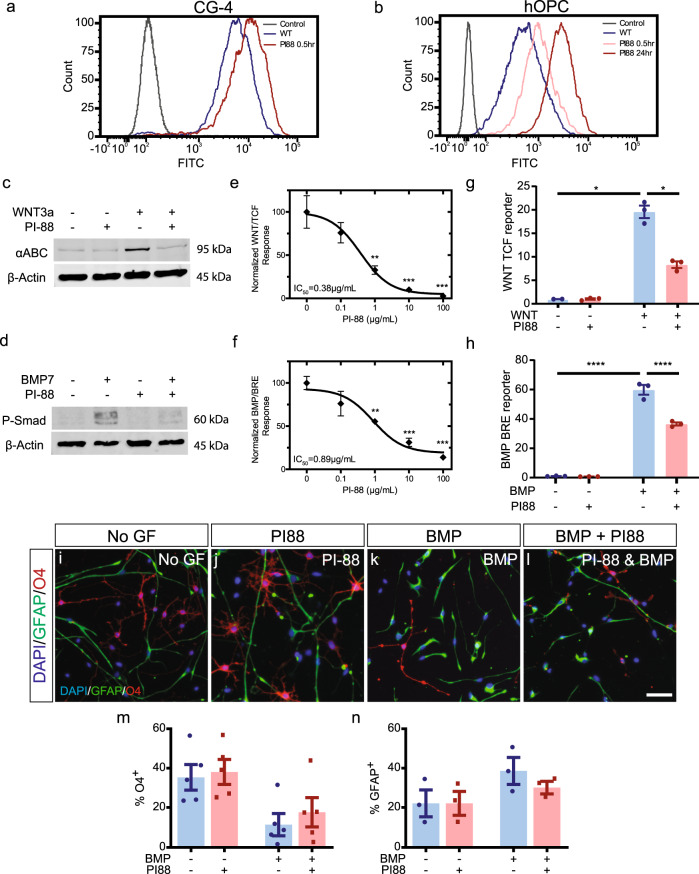
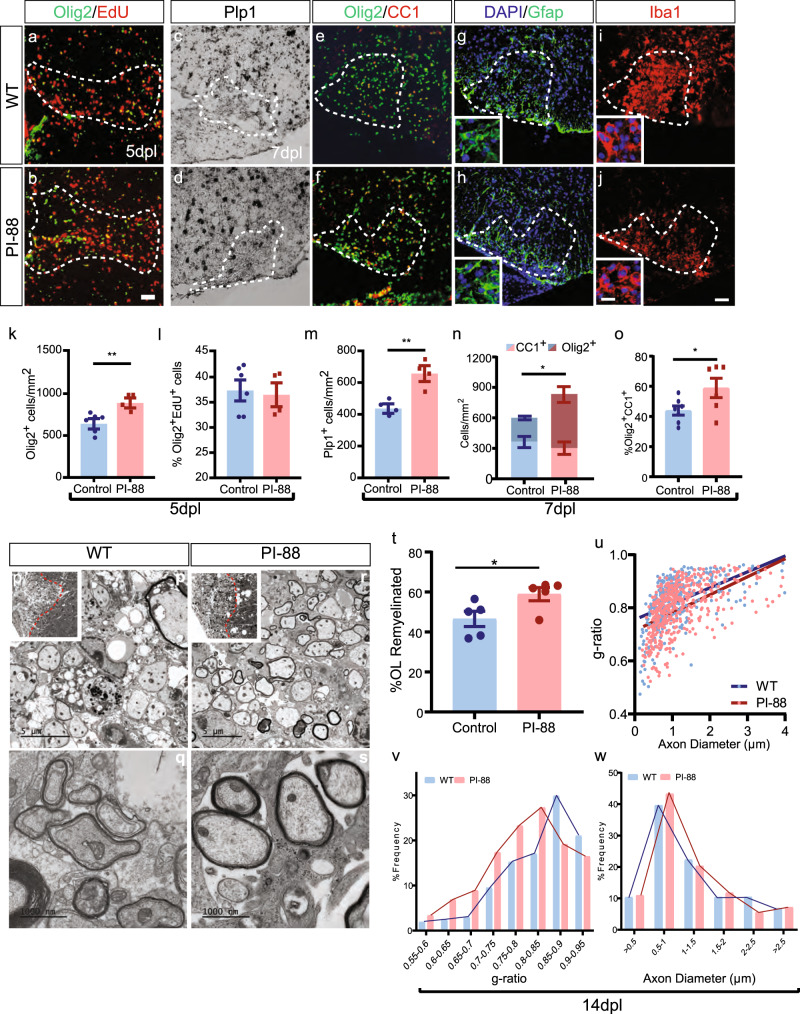
Chronic demyelination in the human CNS is characterized by an inhibitory microenvironment that impairs recruitment and differentiation of oligodendrocyte progenitor cells (OPCs) leading to failed remyelination and axonal atrophy. By network-based transcriptomics, we identified sulfatase 2 (Sulf2) mRNA in activated human primary OPCs. Sulf2, an extracellular endosulfatase, modulates the signaling microenvironment by editing the pattern of sulfation on heparan sulfate proteoglycans. We found that Sulf2 was increased in demyelinating lesions in multiple sclerosis and was actively secreted by human OPCs. In experimental demyelination, elevated OPC Sulf1/2 expression directly impaired progenitor recruitment and subsequent generation of oligodendrocytes thereby limiting remyelination. Sulf1/2 potentiates the inhibitory microenvironment by promoting BMP and WNT signaling in OPCs. Importantly, pharmacological sulfatase inhibition using PI-88 accelerated oligodendrocyte recruitment and remyelination by blocking OPC-expressed sulfatases. Our findings define an important inhibitory role of Sulf1/2 and highlight the potential for modulation of the heparanome in the treatment of chronic demyelinating disease.
人类中枢神经系统的慢性脱髓鞘病变的特征是抑制性微环境,这种微环境会损害少突胶质前体细胞(OPC)的募集和分化,导致髓鞘再生失败和轴突萎缩。通过基于网络的转录组学,我们在激活的人源初级少突胶质前体细胞中鉴定出了硫酸盐酶 2(Sulf2)mRNA。硫酸盐酶 2 是一种细胞外内切硫酸酯酶,通过编辑硫酸乙酰肝素蛋白聚糖上的硫酸化模式来调节信号转导微环境。我们发现,硫酸盐酶 2 在多发性硬化症的脱髓鞘病变中增加,并被人源 OPC 积极分泌。在实验性脱髓鞘中,升高的 OPC Sulf1/2 表达直接损害祖细胞的募集和随后的少突胶质细胞生成,从而限制髓鞘再生。Sulf1/2 通过促进 OPC 中的 BMP 和 WNT 信号转导来增强抑制性微环境。重要的是,通过抑制 OPC 表达的硫酸盐酶来抑制 PI-88 等药理学硫酸盐酶可加速少突胶质细胞的募集和髓鞘再生。我们的研究结果定义了 Sulf1/2 的重要抑制作用,并强调了调控肝素组在治疗慢性脱髓鞘疾病中的潜力。