Division of Cancer Research, Peter MacCallum Cancer Centre, Melbourne, Victoria, Australia; Sir Peter MacCallum Department of Oncology, Parkville, Victoria, Australia.
Anatomical Pathology, Laboratory Medicine Program, University Health Network, Toronto, Ontario, Canada; Laboratory Medicine and Pathobiology, University of Toronto, Toronto, Ontario, Canada.
Cell Mol Gastroenterol Hepatol. 2021;12(2):689-713. doi: 10.1016/j.jcmgh.2021.03.008. Epub 2021 Mar 25.
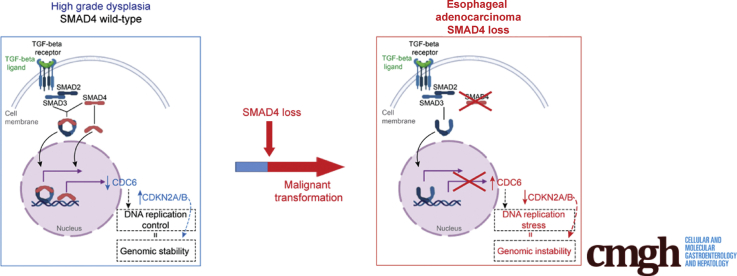
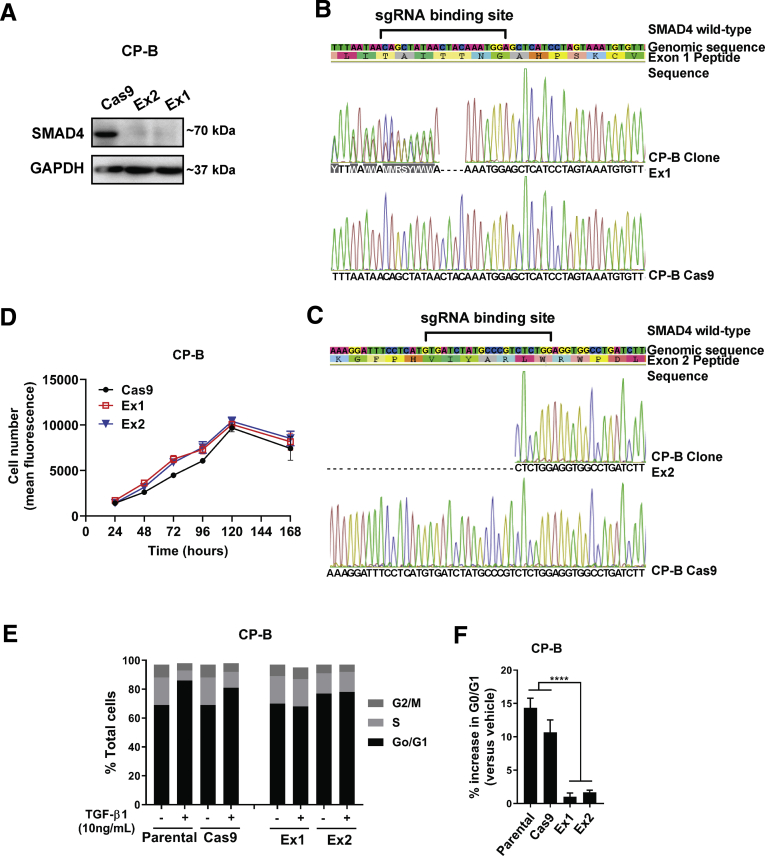
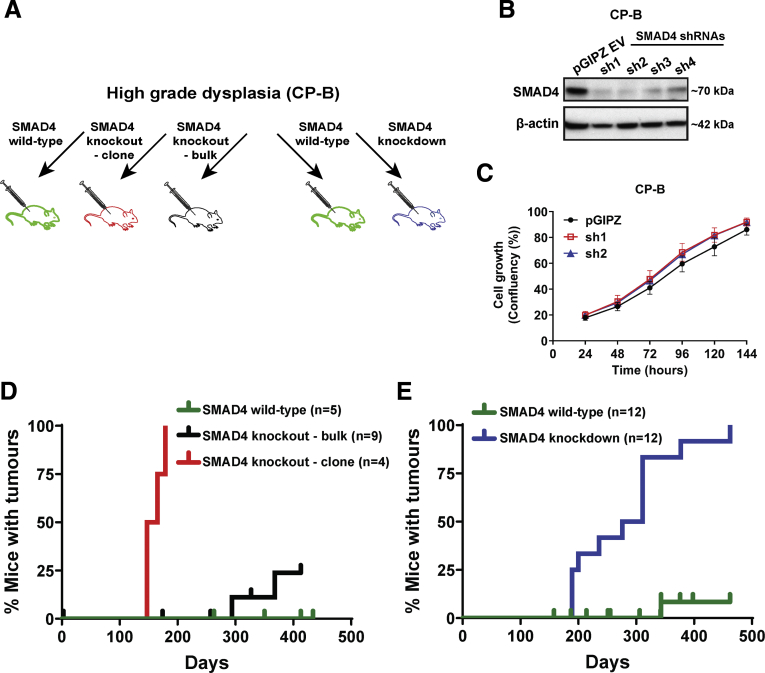
BACKGROUND & AIMS: Esophageal adenocarcinoma (EAC) develops from its precursor Barrett's esophagus through intermediate stages of low- and high-grade dysplasia. However, knowledge of genetic drivers and molecular mechanisms implicated in disease progression is limited. Herein, we investigated the effect of Mothers against decapentaplegic homolog 4 (SMAD4) loss on transforming growth factor β (TGF-β) signaling functionality and in vivo tumorigenicity in high-grade dysplastic Barrett's cells.
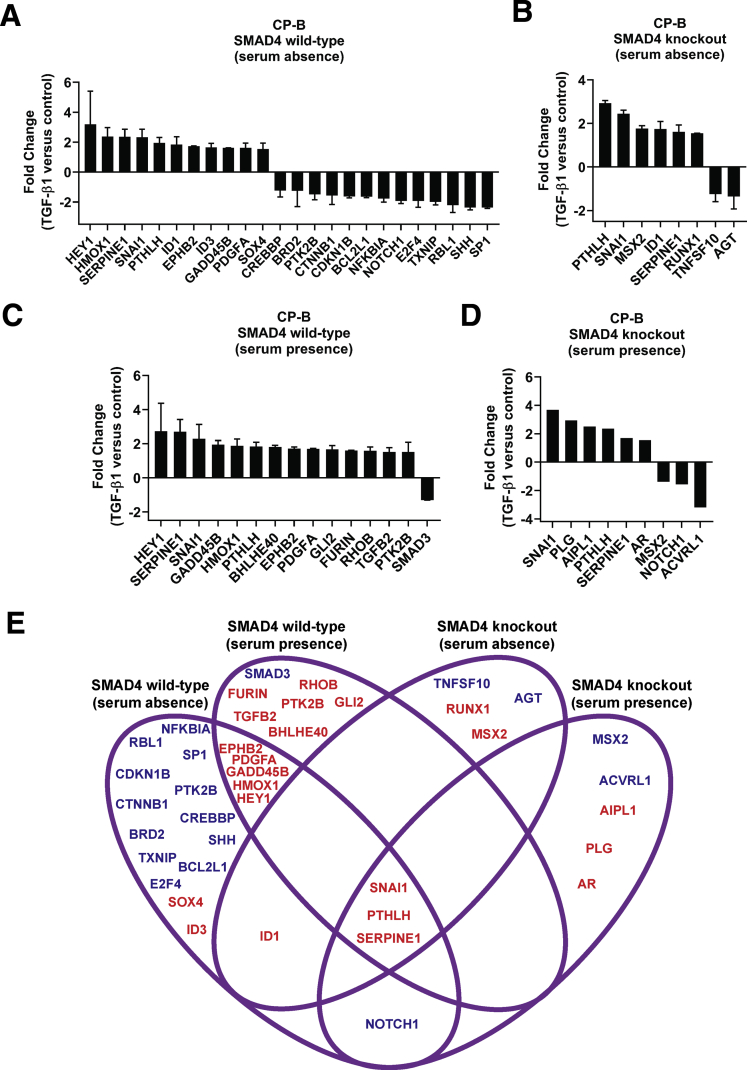
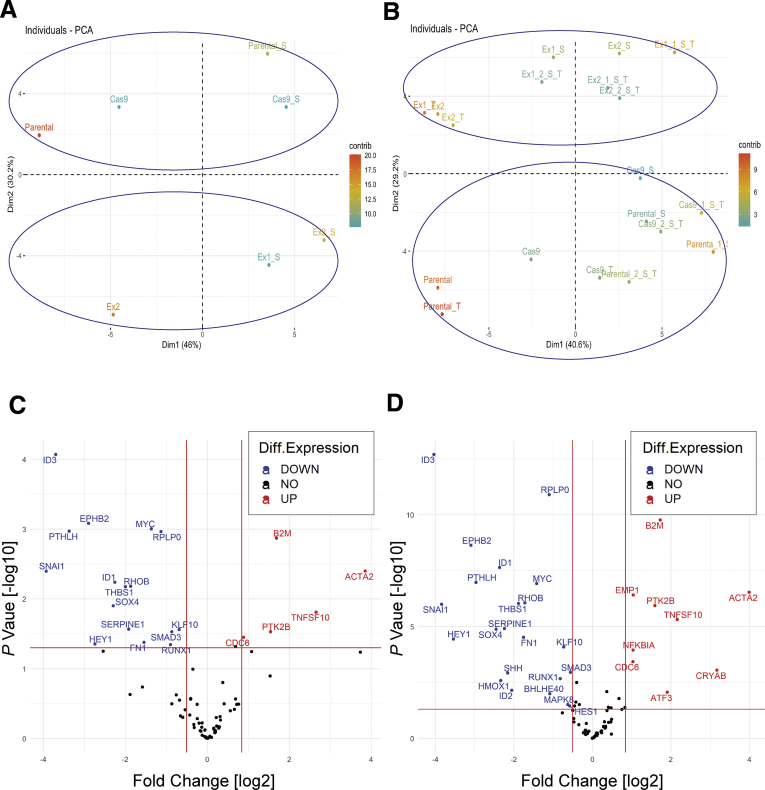
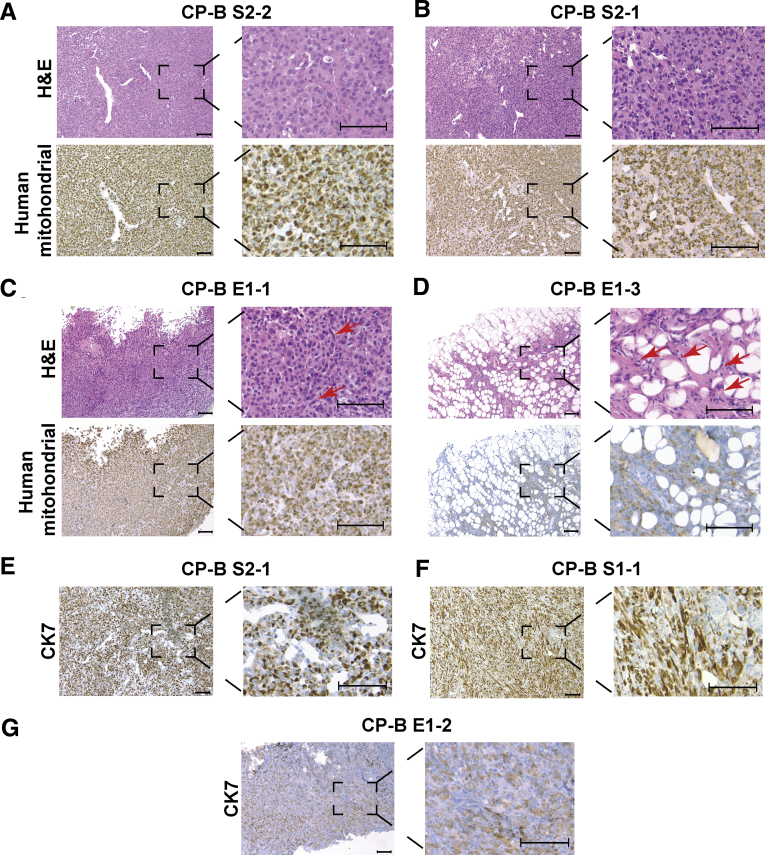
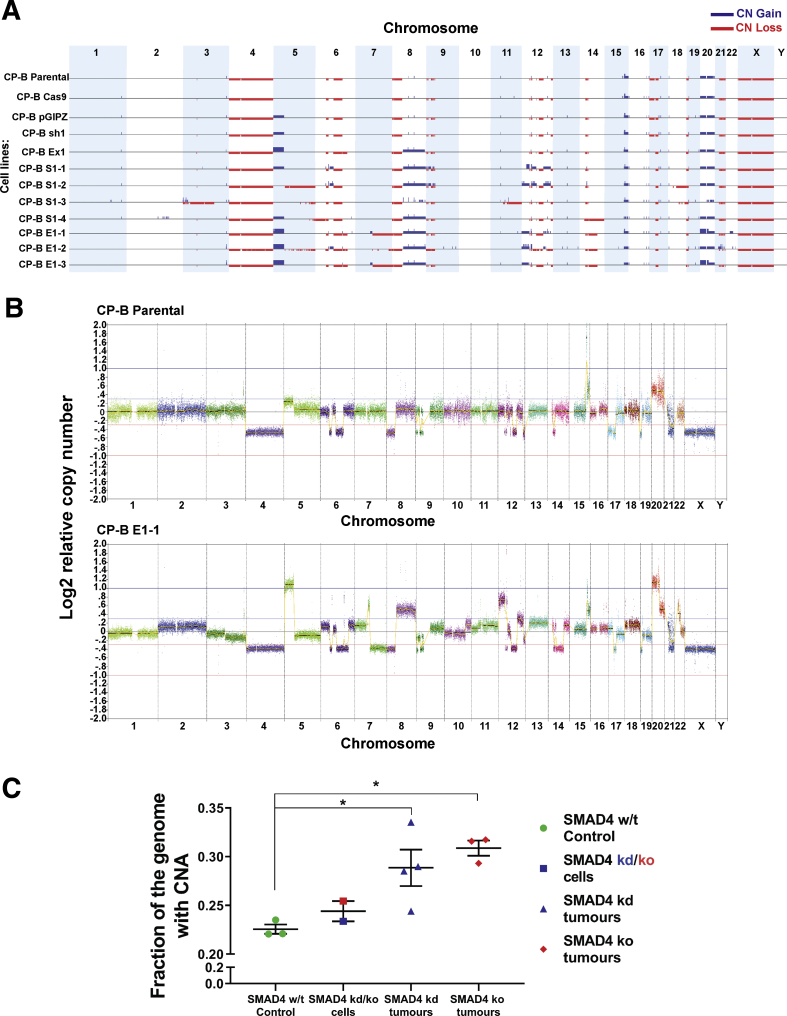
An in vivo xenograft model was used to test tumorigenicity of SMAD4 knockdown or knockout in CP-B high-grade dysplastic Barrett's cells. RT polymerase chain reaction arrays were used to analyze TGF-β signaling functionality, and low-coverage whole-genome sequencing was performed to detect copy number alterations upon SMAD4 loss.
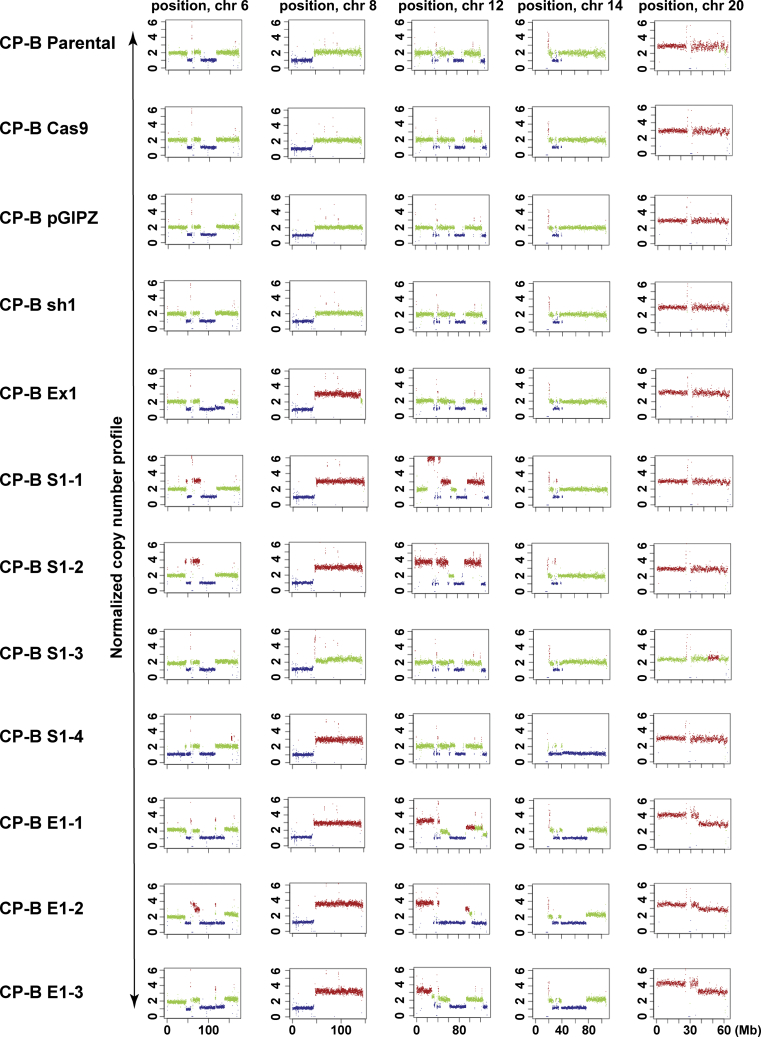
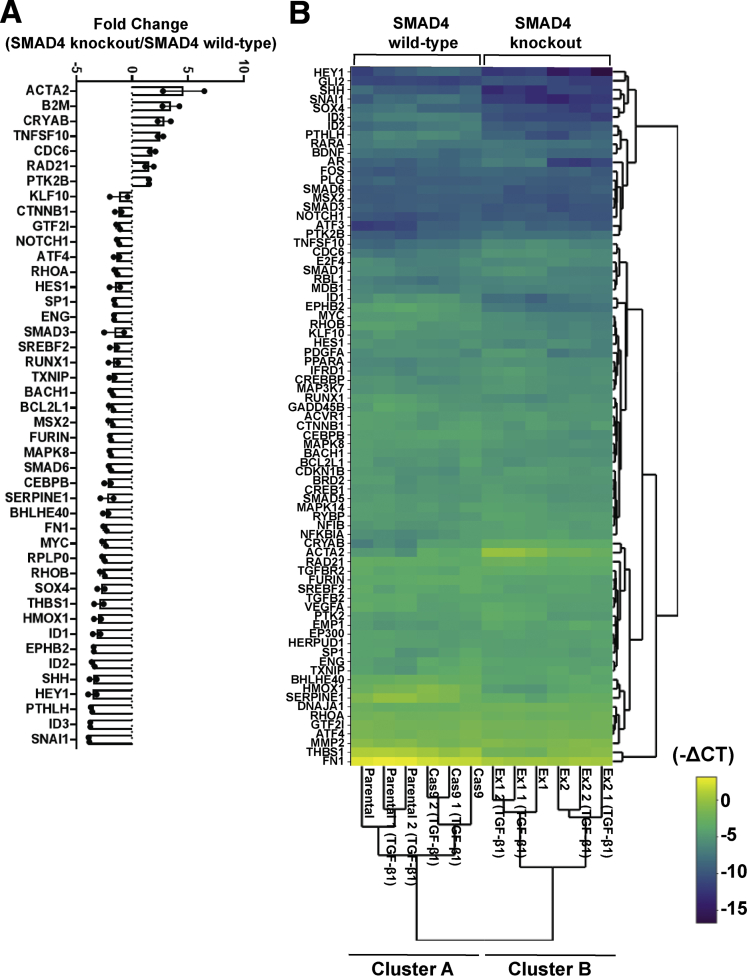
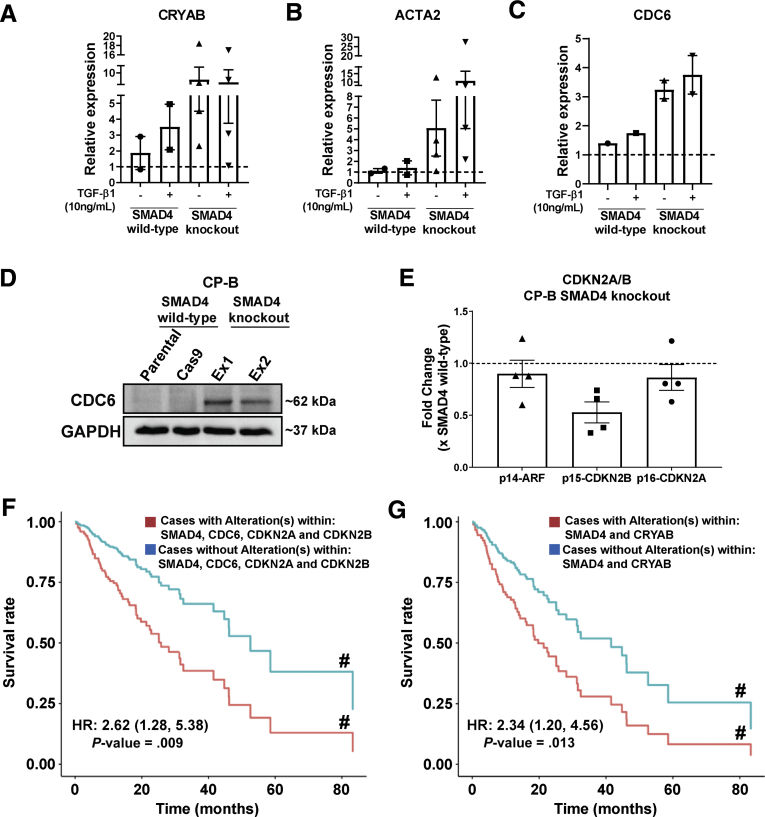
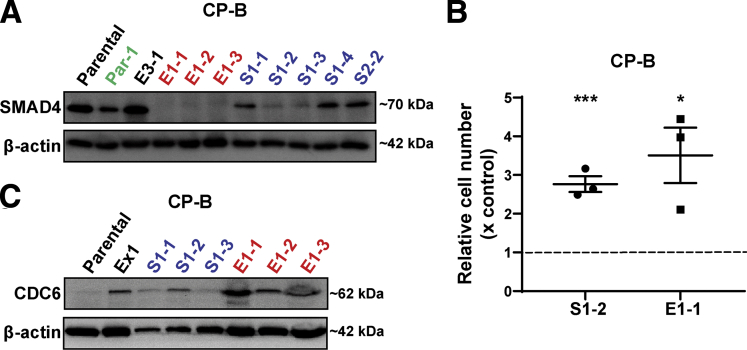
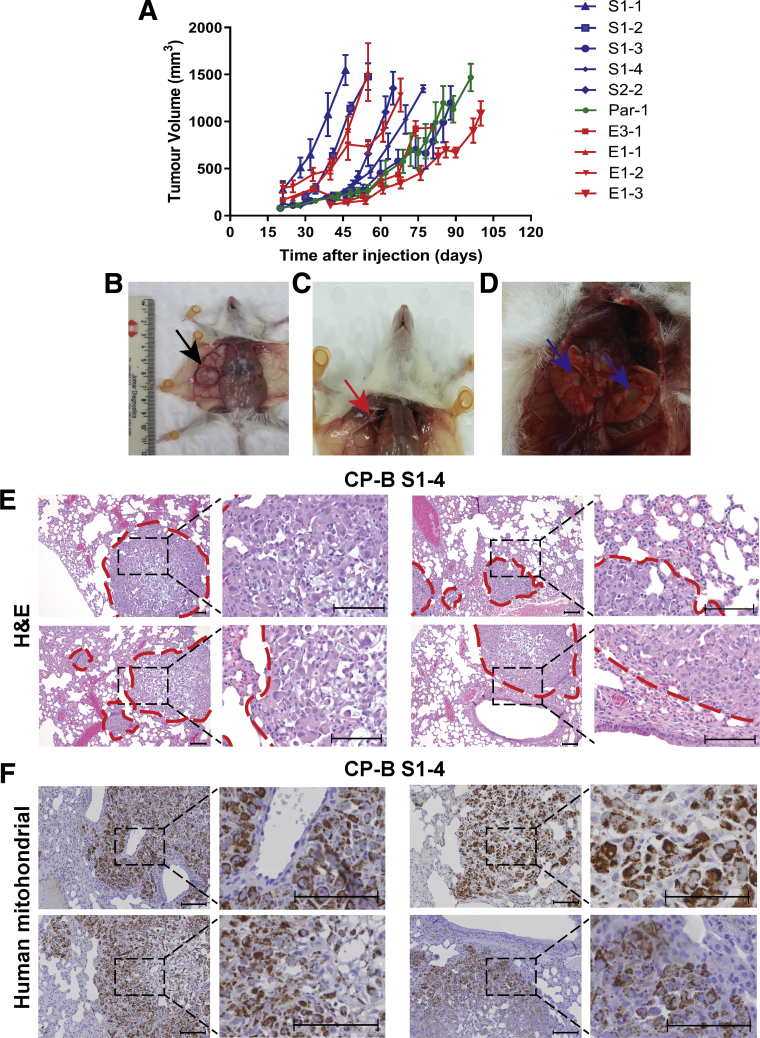
We found that SMAD4 knockout significantly alters the TGF-β pathway target gene expression profile. SMAD4 knockout positively regulates potential oncogenes such as CRYAB, ACTA2, and CDC6, whereas the CDKN2A/B tumor-suppressor locus was regulated negatively. We verified that SMAD4 in combination with CDC6-CDKN2A/B or CRYAB genetic alterations in patient tumors have significant predictive value for poor prognosis. Importantly, we investigated the effect of SMAD4 inactivation in Barrett's tumorigenesis. We found that genetic knockdown or knockout of SMAD4 was sufficient to promote tumorigenesis in dysplastic Barrett's esophagus cells in vivo. Progression to invasive EAC was accompanied by distinctive and consistent copy number alterations in SMAD4 knockdown or knockout xenografts.
Altogether, up-regulation of oncogenes, down-regulation of tumor-suppressor genes, and chromosomal instability within the tumors after SMAD4 loss implicates SMAD4 as a protector of genome integrity in EAC development and progression. Foremost, SMAD4 loss promotes tumorigenesis from dysplastic Barrett's toward EAC.
食管腺癌(EAC)由其前体 Barrett 食管通过低级别和高级别异型增生的中间阶段发展而来。然而,目前对疾病进展中涉及的遗传驱动因素和分子机制的了解有限。在此,我们研究了 Mothers against decapentaplegic homolog 4(SMAD4)缺失对高级别异型增生 Barrett 细胞中转化生长因子 β(TGF-β)信号功能的影响及其在体内的致瘤性。
使用体内异种移植模型来测试 SMAD4 敲低或敲除对 CP-B 高级别异型增生 Barrett 细胞的致瘤性。采用 RT 聚合酶链反应阵列分析 TGF-β 信号功能,对 SMAD4 缺失后进行低覆盖全基因组测序以检测拷贝数改变。
我们发现 SMAD4 敲除显著改变了 TGF-β 通路靶基因表达谱。SMAD4 敲除正向调节潜在的癌基因,如 CRYAB、ACTA2 和 CDC6,而 CDKN2A/B 肿瘤抑制基因座则受到负调控。我们验证了 SMAD4 与 CDC6-CDKN2A/B 或 CRYAB 基因改变在患者肿瘤中的组合对预后不良具有显著预测价值。重要的是,我们研究了 SMAD4 失活对 Barrett 肿瘤发生的影响。我们发现,SMAD4 的遗传敲低或敲除足以促进体内异型增生 Barrett 食管细胞的致瘤性。SMAD4 敲低或敲除异种移植中侵袭性 EAC 的进展伴随着明显且一致的染色体 18q 缺失。
总之,SMAD4 缺失后肿瘤中癌基因的上调、抑癌基因的下调以及染色体不稳定提示 SMAD4 作为 EAC 发生和进展中基因组完整性的保护者。最重要的是,SMAD4 缺失促进了从异型增生 Barrett 向 EAC 的肿瘤发生。