Sacdalan Danielle Benedict, Lucero Josephine Anne
Department of Pharmacology and Toxicology, University of the Philippines Manila College of Medicine, Manila, Philippines.
Division of Medical Oncology, Department of Medicine, Philippine General Hospital and University of the Philippines Manila, Manila, Philippines.
Onco Targets Ther. 2021 Mar 18;14:2053-2064. doi: 10.2147/OTT.S278089. eCollection 2021.
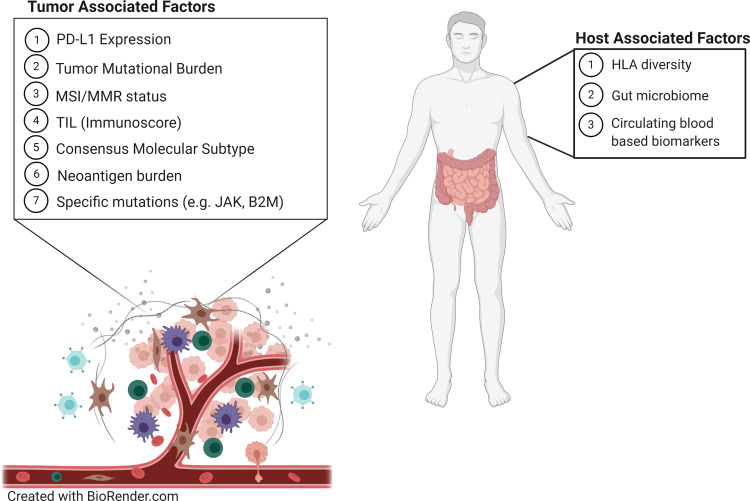
Evasion of immune destruction is considered one of the hallmarks of cancer. Chronic inflammation can enable immune escape by suppressing immune surveillance and permitting the development of tumors and creating a tumor microenvironment that sustains cancer. This includes generating mechanisms that prevent the effectiveness of anti-tumor treatment including immune checkpoint inhibitor therapy. In this review, we explore the interplay of inflammation and immunosuppression, their effects on the tumor microenvironment, and their implications for immune checkpoint inhibitor therapy particularly in the context of predictive biomarkers for their use.
逃避免疫破坏被认为是癌症的标志之一。慢性炎症可通过抑制免疫监视、促使肿瘤发展以及营造维持癌症的肿瘤微环境来实现免疫逃逸。这包括产生一些机制,这些机制会妨碍包括免疫检查点抑制剂疗法在内的抗肿瘤治疗的有效性。在本综述中,我们探讨炎症与免疫抑制之间的相互作用、它们对肿瘤微环境的影响,以及它们对免疫检查点抑制剂疗法的意义,尤其是在其使用的预测生物标志物背景下。