Kimberlin Athen, Holtsclaw Rebekah E, Koo Abraham J
Department of Biochemistry, University of Missouri, Columbia, MO, United States.
Interdisciplinary Plant Group, University of Missouri, Columbia, MO, United States.
Front Plant Sci. 2021 Mar 11;12:637959. doi: 10.3389/fpls.2021.637959. eCollection 2021.
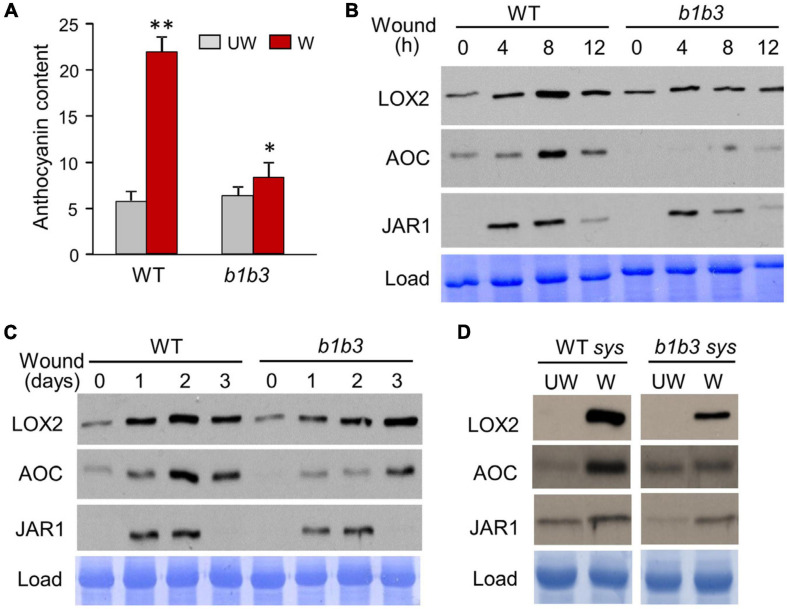
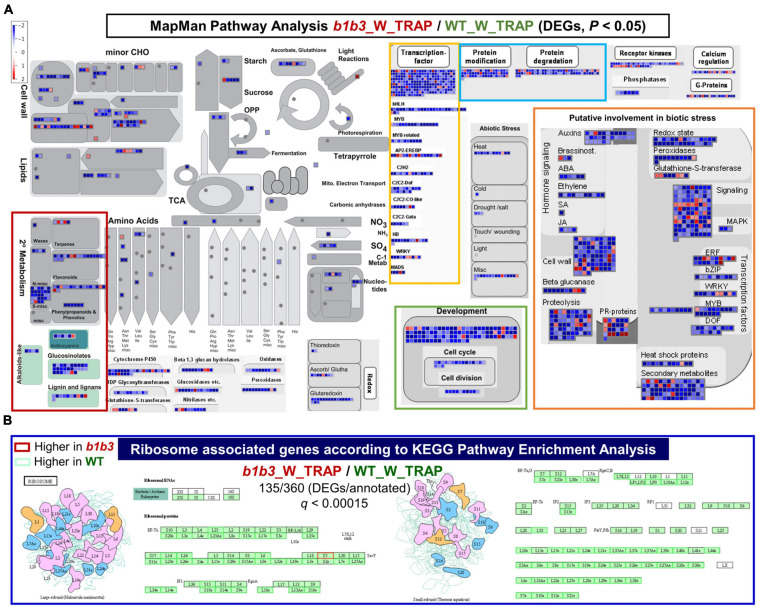
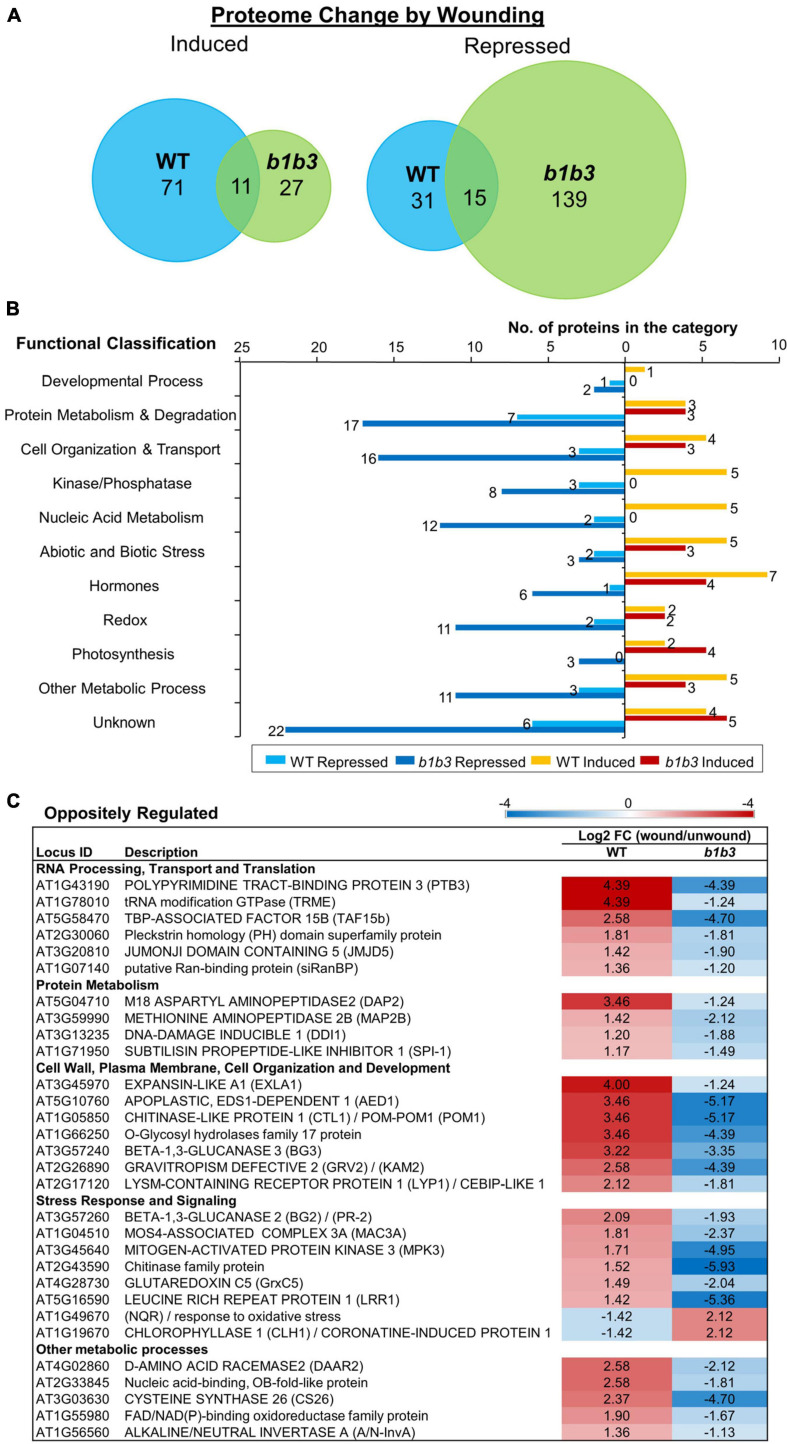
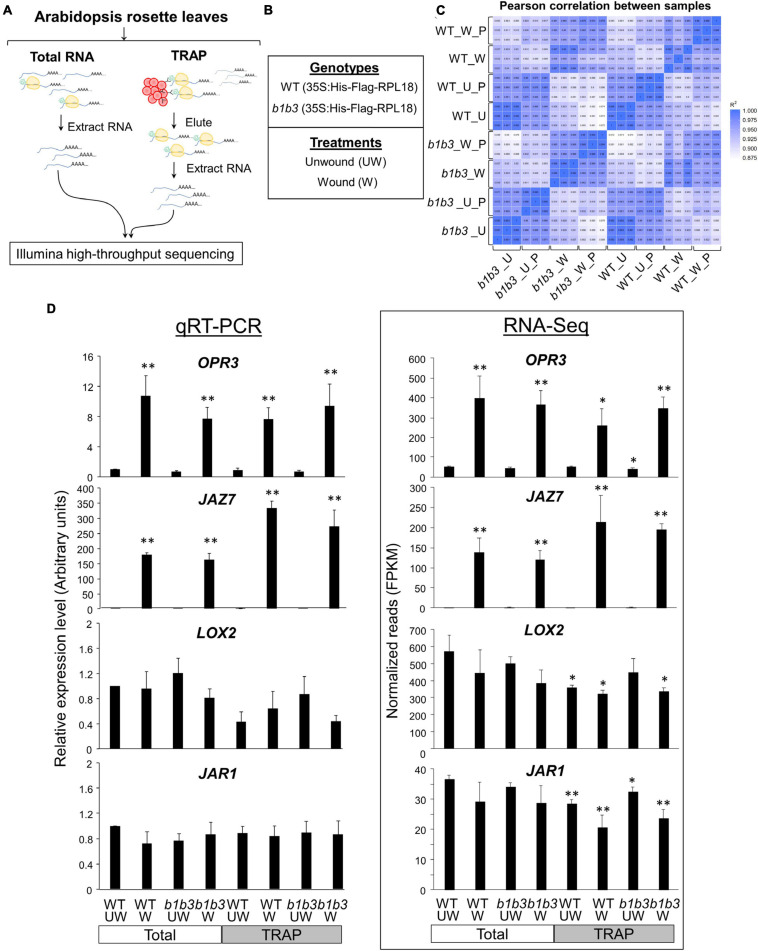
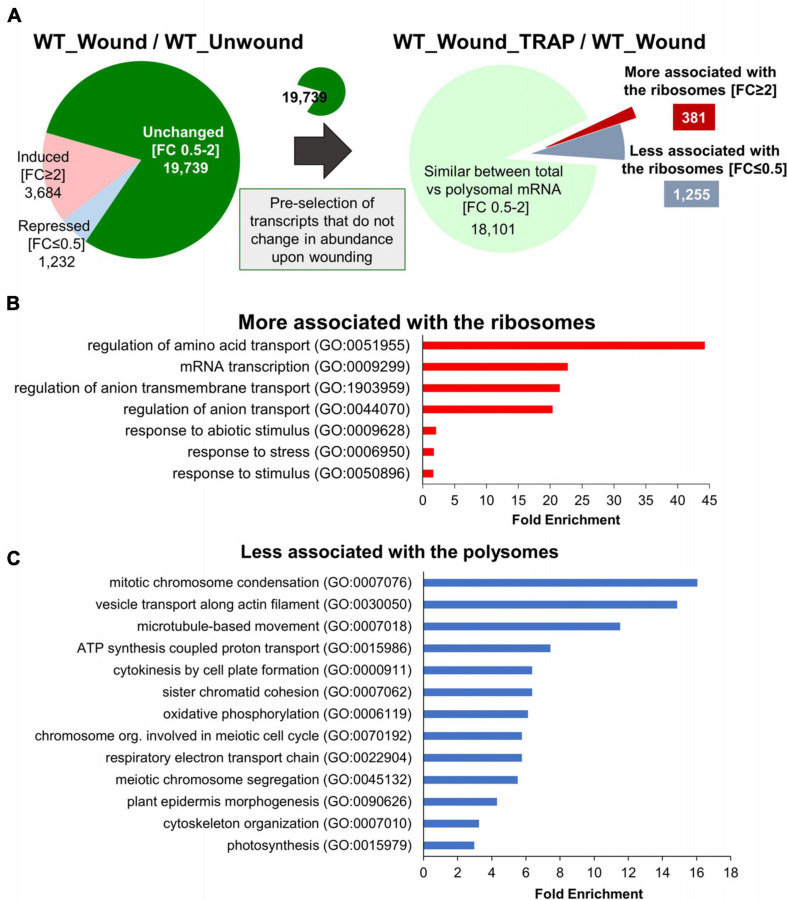
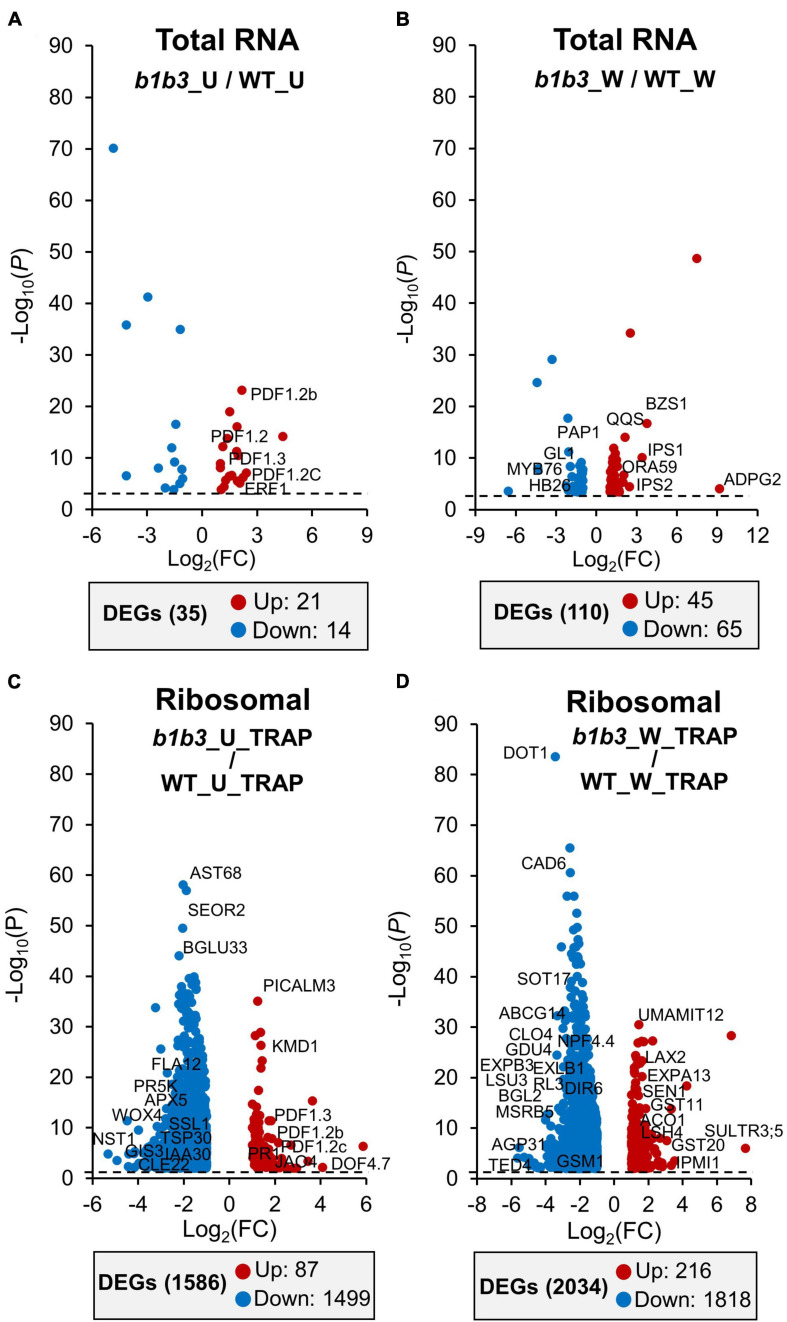
Jasmonoyl-L-isoleucine (JA-Ile) is a powerful oxylipin responsible for the genome-wide transcriptional reprogramming in plants that results in major physiological shifts from growth to defense. The double T-DNA insertion mutant, (), defective in cytochrome p450s, CYP94B1 and CYP94B3, which are responsible for oxidizing JA-Ile, accumulates several fold higher levels of JA-Ile yet displays dampened JA-Ile-dependent wound responses-the opposite of what is expected. Transcriptomic and proteomic analyses showed that while the transcriptional response to wounding was largely unchanged in compared to wild type (WT), many proteins were found to be significantly reduced in the mutant, which was verified by immunoblot analyses of marker proteins. To understand this protein phenotype and their hypothesized contribution to the phenotypes, wounded rosette leaf samples from both WT and were subject to a translating ribosome affinity purification RNA sequencing analysis. More than 1,600 genes whose transcripts do not change in abundance by wounding changed their association with the ribosomes after wounding in WT leaves. Consistent with previous observations, the total pool of mRNA transcripts was similar between WT and ; however, the ribosome-associated pool of transcripts was changed significantly. Most notably, fewer transcripts were associated with the ribosome pool in than in WT, potentially explaining the reduction of many proteins in the mutant. Among those genes with fewer ribosome-associated transcripts in were genes relating to stress response, specialized metabolism, protein metabolism, ribosomal subunits, and transcription factors, consistent with the biochemical phenotypes of the mutant. These results show previously unrecognized regulations at the translational level that are affected by misregulation of JA homeostasis during the wound response in plants.
茉莉酰 - L - 异亮氨酸(JA - Ile)是一种强效的氧化脂质,负责植物全基因组转录重编程,导致从生长到防御的主要生理转变。细胞色素P450s(CYP94B1和CYP94B3)双T - DNA插入突变体()在氧化JA - Ile方面存在缺陷,其JA - Ile水平积累了几倍之高,但却表现出减弱的JA - Ile依赖性伤口反应——与预期相反。转录组学和蛋白质组学分析表明,与野生型(WT)相比,虽然突变体对伤口的转录反应基本未变,但许多蛋白质在突变体中显著减少,这通过标记蛋白的免疫印迹分析得到了验证。为了理解这种蛋白质表型及其对突变体表型的假定贡献,对WT和突变体受伤的莲座叶样本进行了翻译核糖体亲和纯化RNA测序分析。在WT叶片中,超过1600个转录本丰度不因伤口而改变的基因在伤口处理后改变了它们与核糖体的关联。与之前的观察结果一致,WT和突变体之间mRNA转录本的总量相似;然而,与核糖体相关的转录本池发生了显著变化。最值得注意的是,突变体中与核糖体池相关的转录本比WT中少,这可能解释了突变体中许多蛋白质的减少。在突变体中与核糖体相关转录本较少的那些基因中,有与应激反应、特殊代谢、蛋白质代谢、核糖体亚基和转录因子相关的基因,这与突变体的生化表型一致。这些结果表明,在植物伤口反应过程中,JA稳态的失调会影响翻译水平上以前未被认识到的调控。