State Key Laboratory of Biotherapy, West China Hospital, Sichuan University, Chengdu, China.
Horae Gene Therapy Center, University of Massachusetts, Medical School, Worcester, MA, USA.
Oncogene. 2021 Apr;40(17):3060-3071. doi: 10.1038/s41388-021-01725-5. Epub 2021 Mar 29.
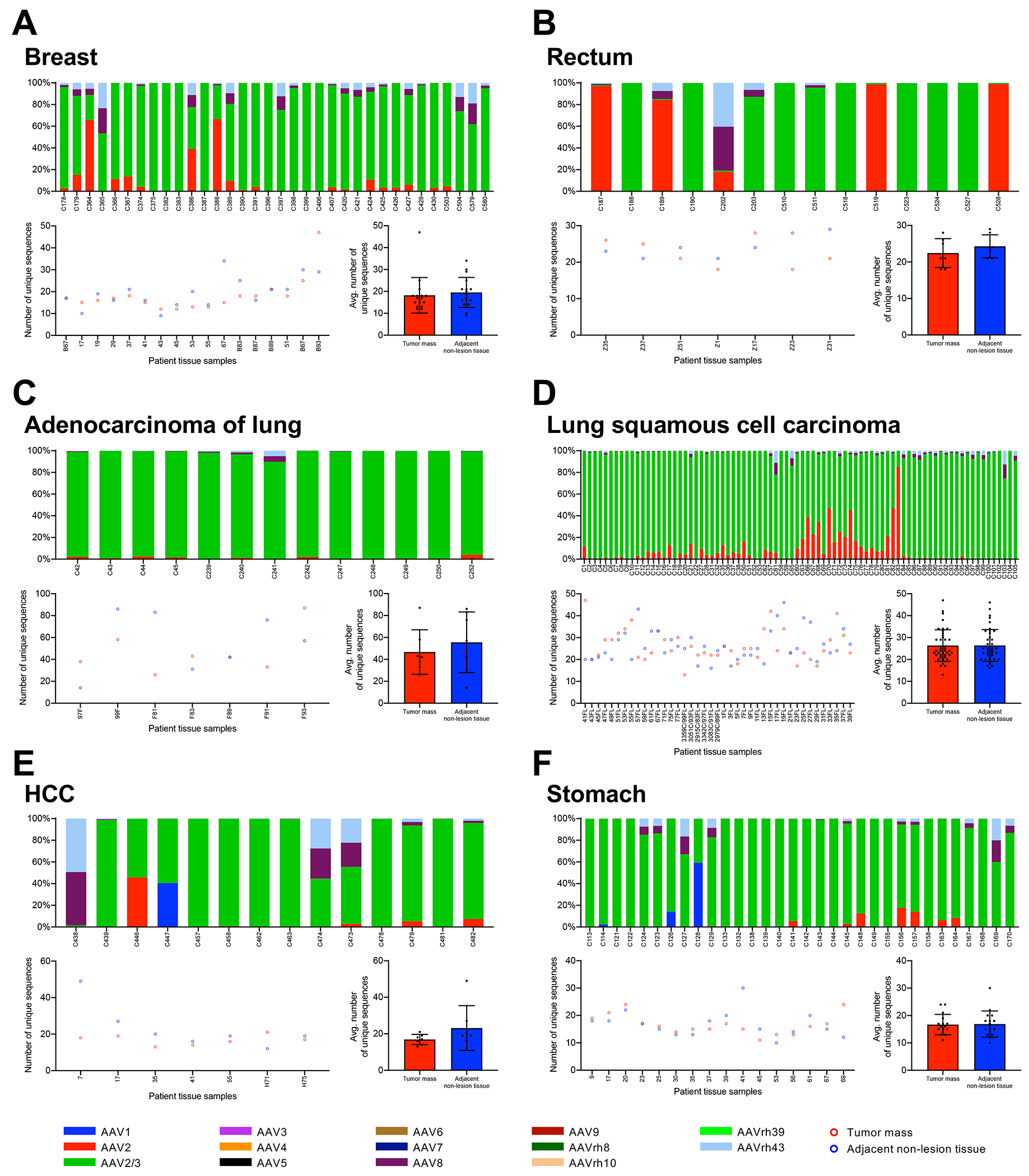
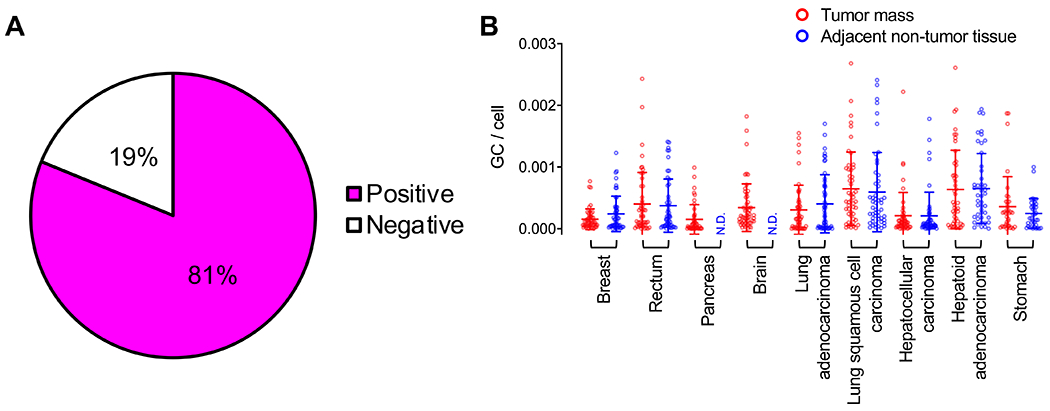
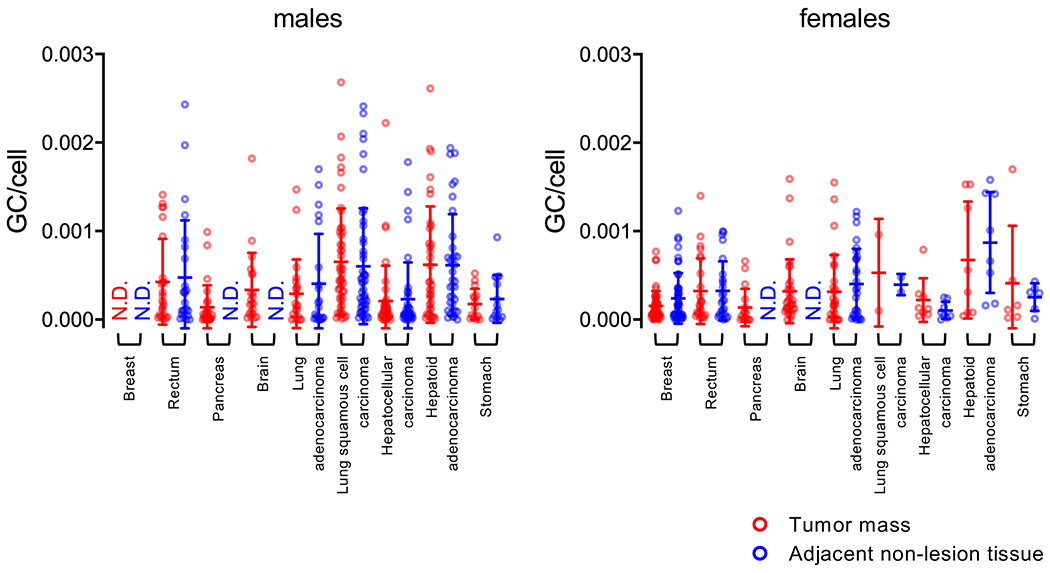
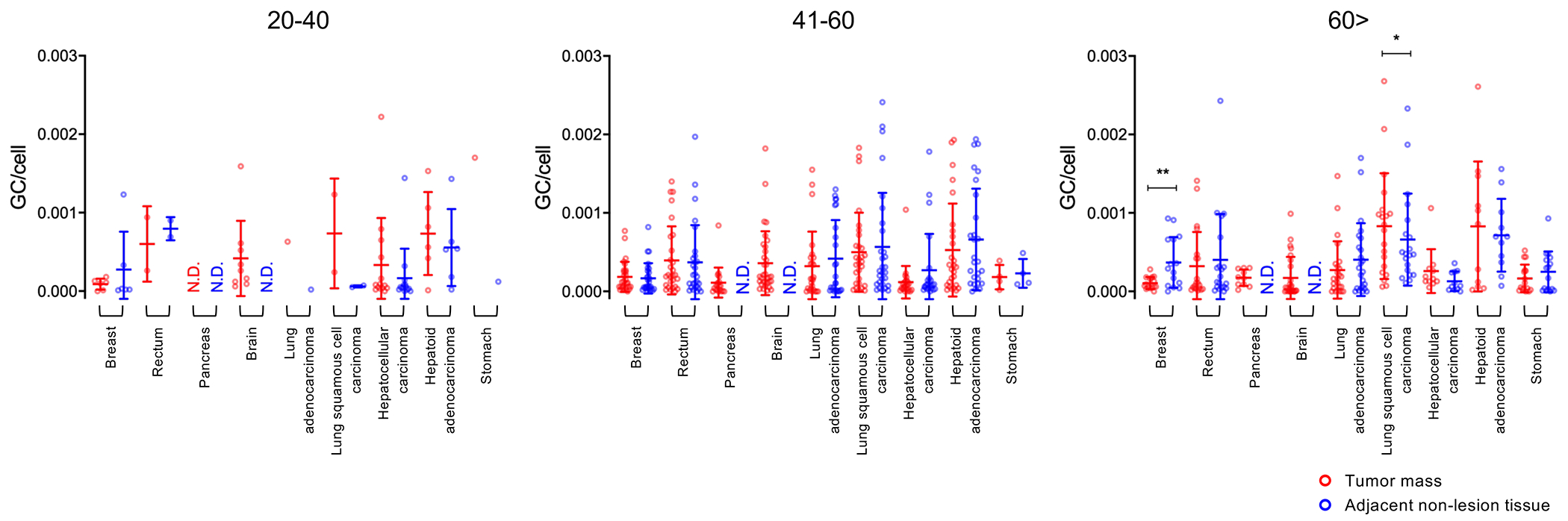
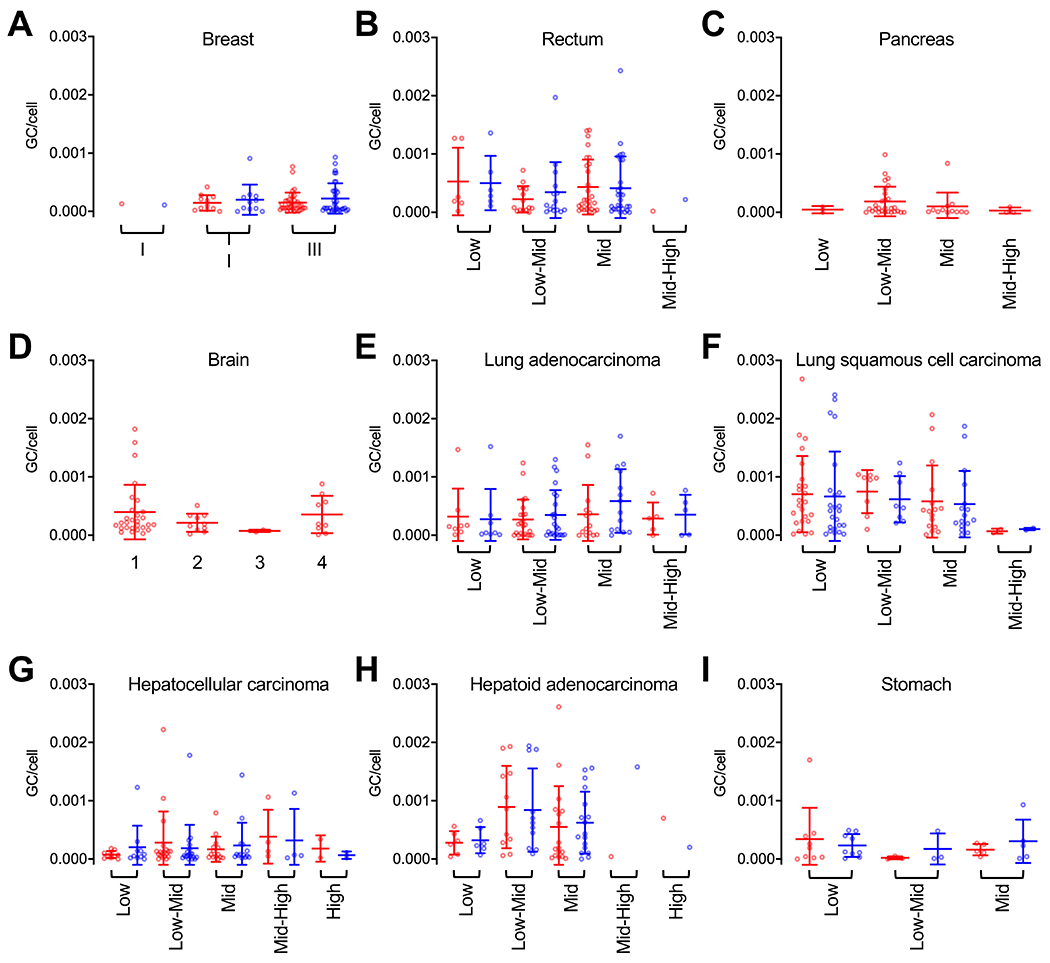
Recombinant adeno-associated viruses (rAAVs) are well-established vectors for delivering therapeutic genes. However, previous reports have suggested that wild-type AAV is linked to hepatocellular carcinoma, raising concern with the safety of rAAVs. In addition, a recent long-term follow-up study in canines, which received rAAVs for factor VIII gene therapy, demonstrated vector integration into the genome of liver cells, reviving the uncertainty between AAV and cancer. To further explore this relationship, we performed large-scale molecular epidemiology of AAV in resected tumor samples and non-lesion tissues collected from 413 patients, reflecting nine carcinoma types: breast carcinoma, rectal cancer, pancreas carcinoma, brain tumor, hepatoid adenocarcinoma, hepatocellular carcinoma, gastric carcinoma, lung squamous, and adenocarcinoma. We found that over 80% of patients were AAV-positive among all nine types of carcinoma examined. Importantly, the AAV sequences detected in patient-matched tumor and adjacent non-lesion tissues showed no significant difference in incidence, abundance, and variation. In addition, no specific AAV sequences predominated in tumor samples. Our data shows that AAV genomes are equally abundant in tumors and adjacent normal tissues, but lack clonality. The finding critically adds to the epidemiological profile of AAV in humans, and provides insights that may assist rAAV-based clinical studies and gene therapy strategies.
重组腺相关病毒(rAAV)是一种将治疗基因递送至体内的有效载体。然而,此前的研究报道野生型 AAV 与肝细胞癌相关,这引起了人们对 rAAV 安全性的担忧。此外,最近对接受因子 VIII 基因治疗的犬进行的一项长期随访研究表明,rAAV 载体整合到了肝细胞的基因组中,这重新引发了人们对 AAV 与癌症之间关系的不确定性。为了进一步探究这种关系,我们对从 413 名患者的肿瘤切除样本和非病变组织中收集的 AAV 进行了大规模的分子流行病学研究,这些患者涉及 9 种癌症类型:乳腺癌、直肠癌、胰腺癌、脑肿瘤、肝样腺癌、肝细胞癌、胃癌、肺鳞癌和腺癌。我们发现,在所研究的 9 种癌症类型中,超过 80%的患者均为 AAV 阳性。重要的是,在患者匹配的肿瘤和相邻非病变组织中检测到的 AAV 序列在发生率、丰度和变异性方面均无显著差异。此外,肿瘤样本中也没有特定的 AAV 序列占主导地位。我们的数据表明,AAV 基因组在肿瘤和相邻正常组织中的丰度相当,但缺乏克隆性。这一发现极大地丰富了 AAV 在人类中的流行病学特征,并为 rAAV 为基础的临床研究和基因治疗策略提供了重要参考。